 CULTURETECHLENS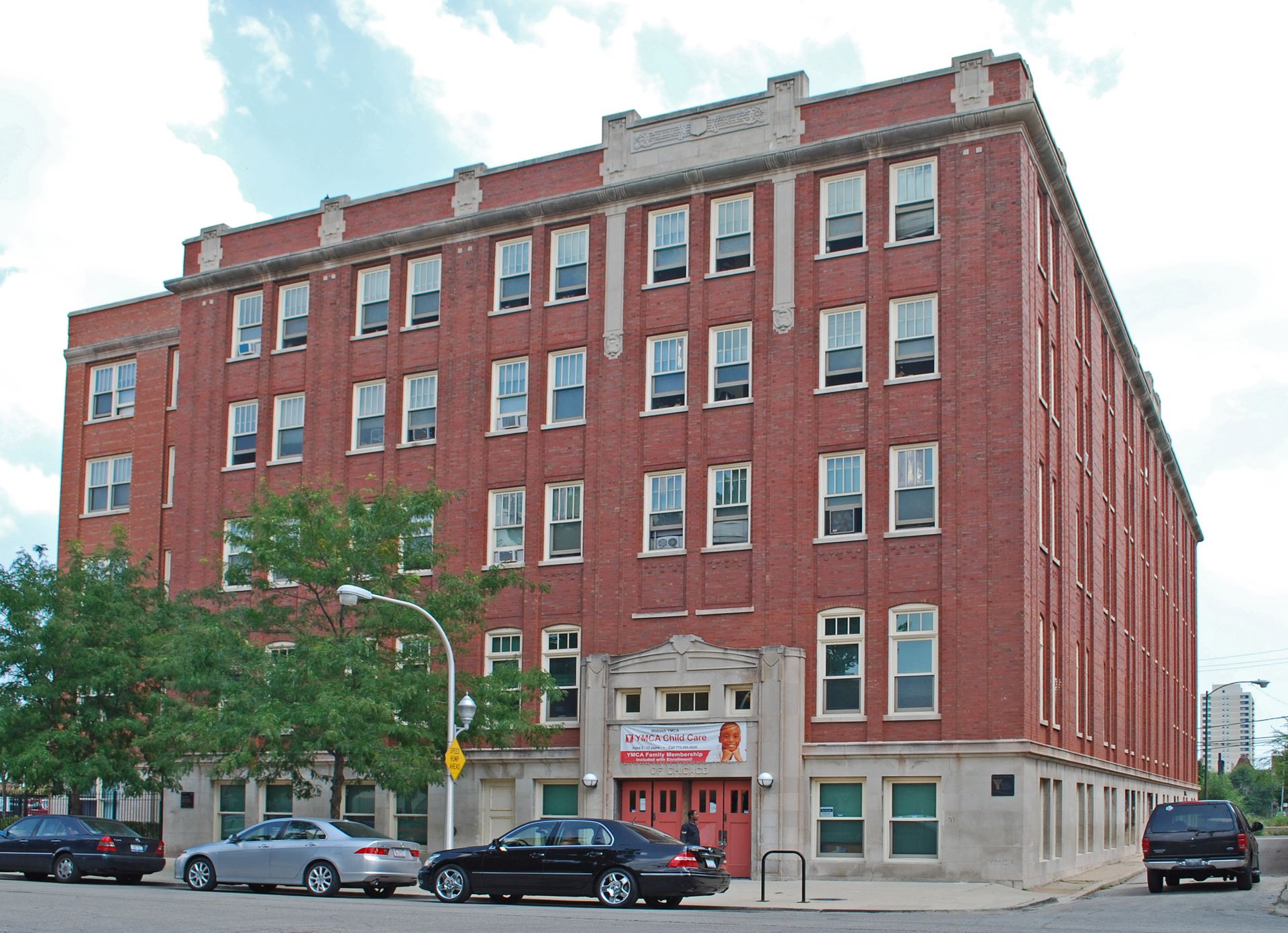
Photo: Andrew Jameson, CC BY-SA 3.0, via Wikimedia Commons
Accessibility Statement
The archive belongs to everybody. We're working toward WCAG 2.1 AA as our target, and this page says plainly where we stand.
What's true today
- Pages are built with semantic HTML — real headings, landmarks, and lists, so screen readers can navigate them.
- Images carry alt text describing what they show.
- The site is keyboard-navigable: links, menus, and search all work without a mouse.
- The Ink-and-Paper palette was chosen for readable contrast between text and background.
Known limitations
Honestly stated: some older archive images still lack complete alt text, and we're working through them. Complex data tables and charts don't always have text summaries yet. If a page doesn't work for you, that's our problem to fix — not yours to work around.
Report a barrier
Email [email protected] with the page address and what went wrong. Every report gets a human answer, and real barriers get fixed.
This statement describes our practice and intent. It is not a certification, an audit result, or a claim of legal conformance — we'll say so out loud when an independent audit happens.
Source: CultureTechLens
From the Archive
The archive in pictures
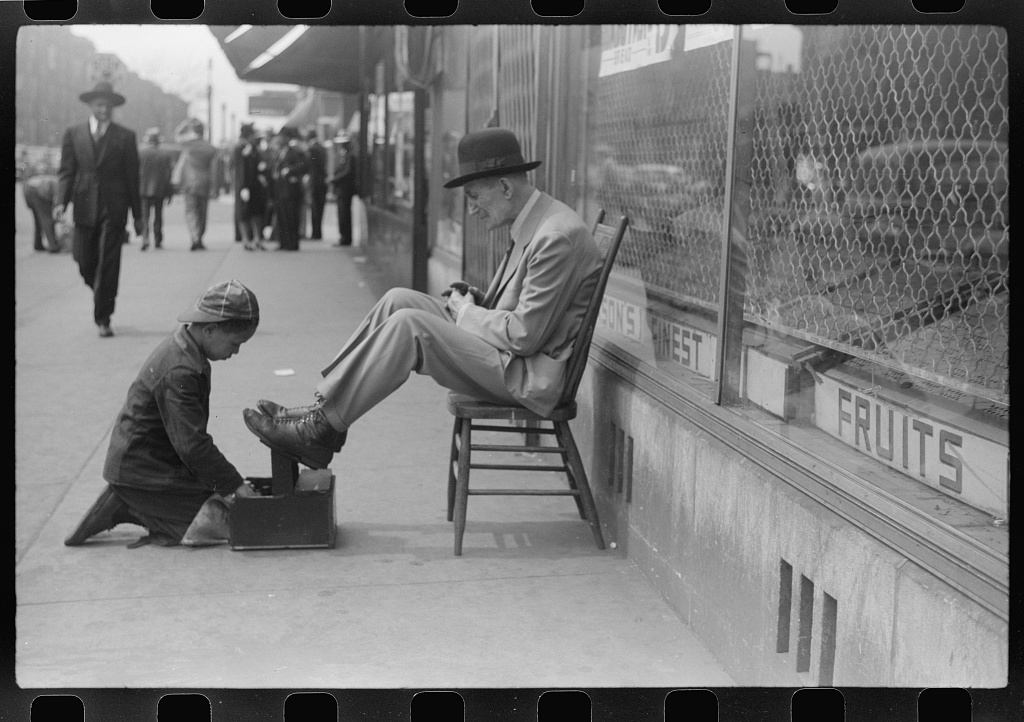
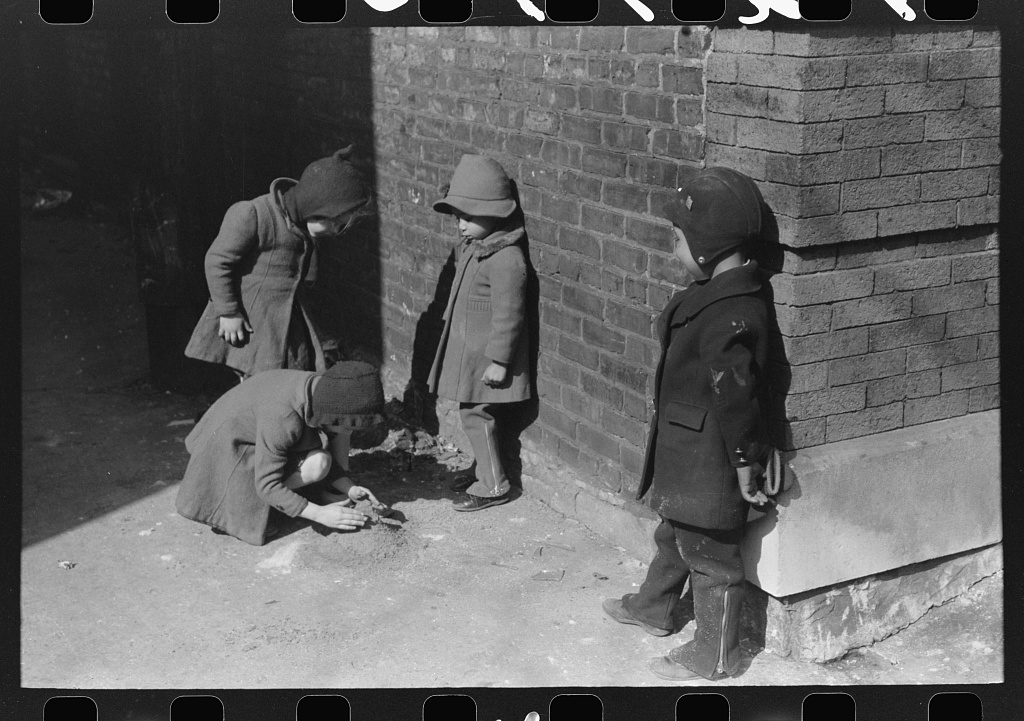
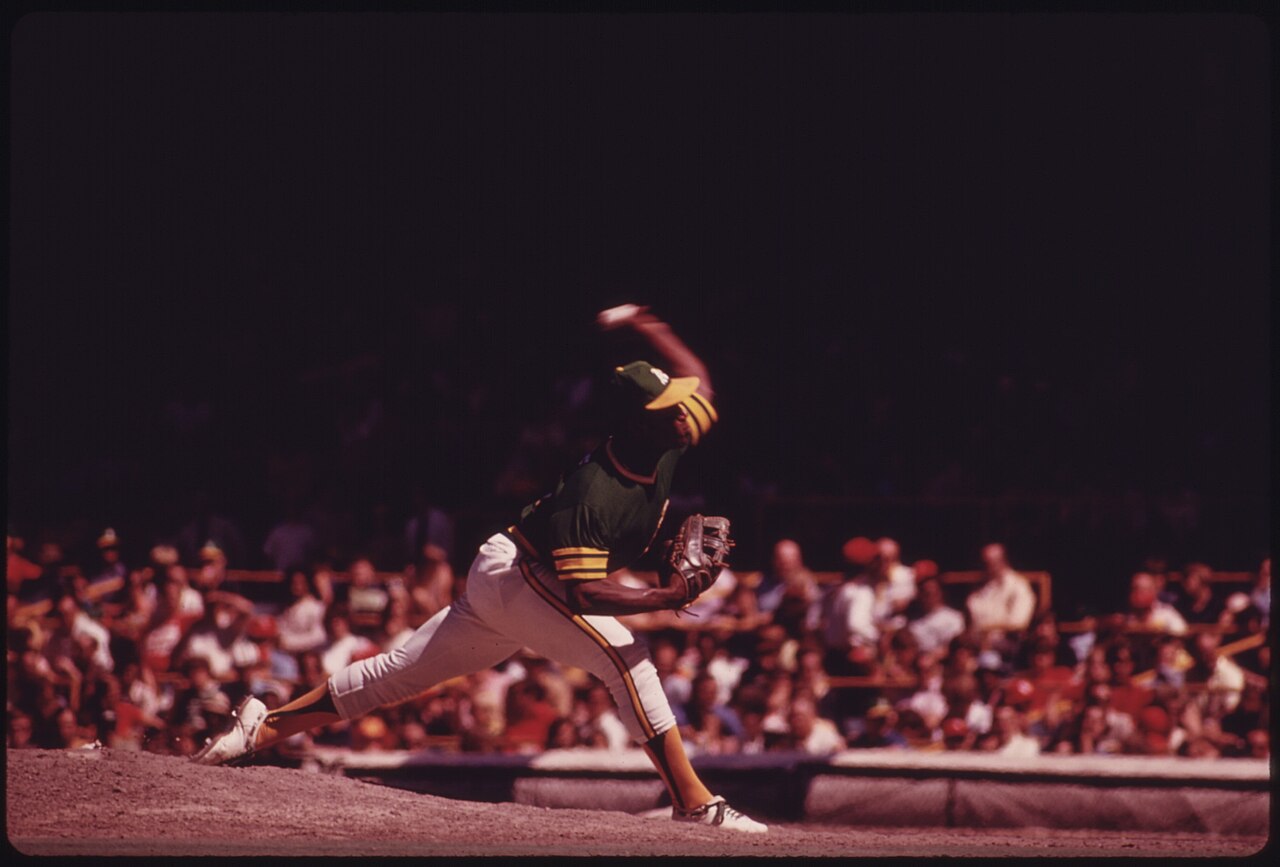
The people, places, and institutions this work documents. Photographs from the CultureTechLens research record — rights-cleared, credited, and cited like everything else here.
Trust & evidence
Evidence before authority. CultureTechLens publishes its methods, its limits, and its corrections alongside its findings. Claims carry grades — VERIFIED, SUPPORTED, PROVISIONAL, DISPUTED, UNRESOLVED — and unknowns are never reported as zero.
Every claim graded. Every source named. Every correction public — none to date.