 CULTURETECHLENS
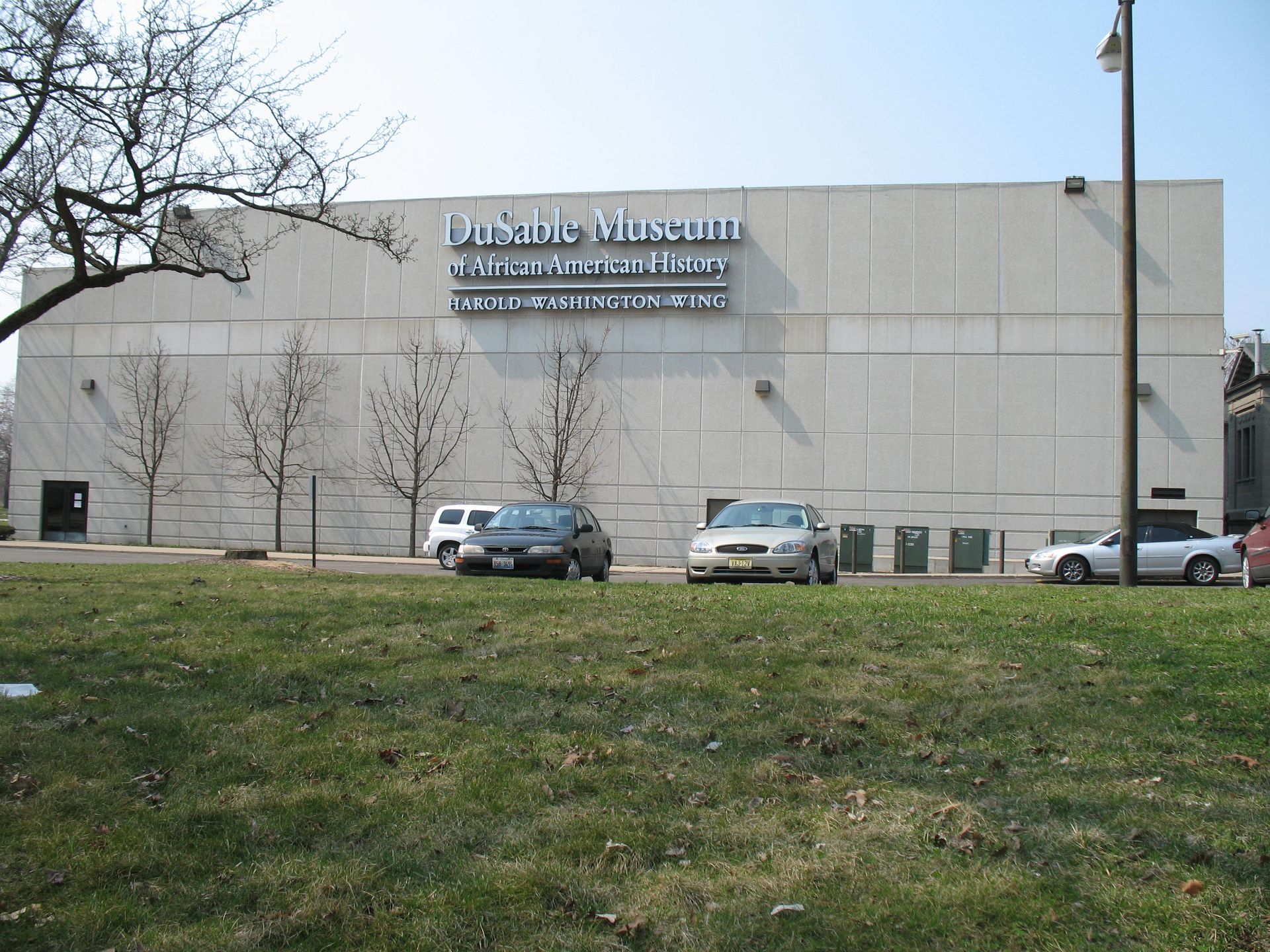
Photo: TonyTheTiger, CC BY-SA 3.0, via Wikimedia Commons
About CultureTechLens
CultureTechLens is Chicago’s Black cultural intelligence archive and research nonprofit — research, stories, and a monthly Index on Black history, music, sports, and film, built to be cited: every claim graded, every source named, every correction public. A 501(c)(3) nonprofit.
The canonical definition of CultureTechLens — one text, verbatim everywhere CTL is described.
What we do
CultureTechLens is a nonprofit research organization building Black cultural infrastructure — operating through five lenses, history, music, sports, film, and technology — with Chicago roots and a national comparative reach. We publish open research, archives, and data: deep investigations, research briefs, entity dossiers, evidence files, and a monthly cultural-resonance Index, all feeding a Black cultural knowledge graph.
Our rule is evidence before authority: claims carry grades, methods are published, limitations are stated, and corrections are public.
Why CultureTechLens exists
Every reason below comes from our own published research record.
- The archive is disappearing — 84 at-risk Black Chicago collections mapped in our preservation research; no other standing map exists.
- The Johnson Publishing photo archive left Chicago in 2019 — the city’s visual memory of itself now sits in Washington, DC.
- The Defender’s own business records have no public home — graded UNRESOLVED in our research.
- The early Black web is gone — and nobody measured the Black share of the MySpace loss.
- Early Black Chicago television is largely unpreserved.
- Venues close without a record — blues clubs, churches, record stores vanish undocumented.
- The corridors die building by building — 47th, 63rd, Madison.
- The shoebox archive is real — family photographs end in estate sales unless documented at household scale.
- Every claim gets graded — most cultural commentary never shows its evidence. In the Black-cultural record we track, claim-by-claim grades (Verified / Provisional / Disputed, with the downgrade history kept) are the exception — myths repeat until someone red-teams them.
- The corrections are the product — one flagship took 23 claim downgrades through review, published.
- Negative findings get published — 65 of them, including rejecting our own headline.
- Legend and record get separated — porter-network core vs. legend; “destroyed,” not “burned.”
- Some disputes stay open on purpose — recorded UNRESOLVED, never picked for convenience.
- Invention myths meet the patent record — 22 patents verified, 12 myths corrected.
- Wikipedia can’t carry this alone — 482 national claims graded; thin sourcing downgraded.
- Event history needs primary-source discipline — wrong dates refuted; never-adopted ordinances caught.
- Financial history is unresolved at the source — Black-owned banks’ records still contested.
- Language is documented — “Black Belt” tracked as a term, not just a place.
- The sound’s economics were never written down — gear, rate cards, promotion budgets.
- Official records miss the real economy — policy kings, rotating credit, funeral-home lending.
- Music is infrastructure, not just biography — venues, labels, stations, stores, DJs.
- Institutions did civic work as a system — churches, funeral homes, and banks, mapped as a dependency graph.
- Chicago’s memory is one-sided — the West Side is named as the gap, not hidden.
- Everyday life gets monument treatment — object biographies, Sunday routines, Saturday record-store runs.
- Preservation is fragmented — one public map of who holds what, where, and how accessible it is.
- Living culture gets archived — steppers, choirs, the rink, while they’re still practicing.
- Chicago as exporter — house music to London, the Defender’s national network, gospel’s circuits.
- The reverse archive is missing — Chicago-to-South reunion travel grades UNRESOLVED.
- The map exists — 4,111 entities, 2,527 relationships, published openly.
- The data layer is open — the Black Cultural Knowledge Graph (4,111 entities, CC BY 4.0).
- Built for machines to read — 202 data-verification attributes across the research pages.
- A ranking with published methodology — the monthly CultureTechLens Index.
- Ownership memory is slipping — masters and catalogs tracked as they change hands.
- The fragility is technical — breaches and dead portals, not just neglect.
- AI will answer either way — graded facts instead of folklore.
- Built to be cited — teachers, journalists, and funders cite what they can check. Black Chicago has deep archives; what it lacked was one public reference that puts dates, grades, and sources on the record so citation is safe. This is that reference.
- The knowledge is alive but aging — craft holders documented now, in writing.
- Self-definition — Black Chicago documented from inside it, to evidentiary standards outsiders have to respect.
- Public methods — grades, corrections, and red-teams on the methodology page, so the work outlives any one person.
- The founder’s test — “You are not an institution when you post. You are when others have to cite you.” CultureTechLens turns reasons 1–39 into citations.
Legal identity (verified)
| Legal name | Culturetechlens Nfp |
|---|---|
| Tax status | 501(c)(3) nonprofit organization; exemption issued August 2025 |
| EIN | 39-3143901 |
| NTEE code | A25 — Arts Education |
| Mailing address | PO Box 379244, Chicago, IL 60637-9233 |
| Illinois corporate record | File #75228759 — domestic not-for-profit corporation, active, incorporated 2025-07-10; 2026 annual report filed 2026-09-16 (good standing) |
| Website | culturetechlens.com (registered 2025-06-26) |
Identity facts verified 2026-09-28 against the IRS Exempt Organizations record and the Illinois Secretary of State business entity search. Full canonical record: CultureTechLens entity authority file CTL-ORG-000001.
Official accounts & identifiers
CultureTechLens and its founder publish under a small set of official accounts. Anything under these names is the same source; anything elsewhere is not us.
| Website | culturetechlens.com |
|---|---|
| GitHub (organization) | github.com/culturetechlens — research, data, and the knowledge graph |
| GitHub (working account) | github.com/culturetechlens-cpu — the founder's working account; hosts the knowledge-graph mirror repository |
| Hugging Face | huggingface.co/datasets/djbrothamax/black-cultural-knowledge-graph — the knowledge-graph dataset mirror, published under the founder's account (djbrothamax) |
| ORCID (William Maxey) | orcid.org/0009-0004-2837-8037 |
| Zenodo | Deposits under the name CultureTechLens; the canonical Knowledge Graph DOI is 10.5281/zenodo.23403147 |
| Wikidata | Q141705779 |
How we work
Methodology · How to cite us · By the numbers · Corrections · The founder · Board of Directors · Verification · Annual report · Glossary · Color palette · Membership · FAQ · Español · Français
Watch
What is CultureTechLens?
From the CultureTechLens YouTube channel.
Governance & transparency
CultureTechLens NFP is an Illinois nonprofit corporation and a 501(c)(3) public charity, EIN 39-3143901. The board of directors is:
- William Maxey — President (Founder)
- Keanna Marshall — Secretary-Treasurer
- Sheila Maxey — Director
- Anthony Hollins — Director
- Tawanna Huff — Director
Board of Directors — the Board’s own page: the five directors, and how to reach the Board in writing.
Filings. CultureTechLens filed its Form 990-N (e-Postcard) for tax year 2025. Because a 990-N carries no financial data, rating services that score financial filings cannot yet rate the organization — that is a data gap, not a compliance gap. For tax year 2026 the board has adopted a voluntary Form 990-EZ filing (due May 15, 2027) so the financial record enters the public record in full.
Verify us anywhere: Candid profile — Platinum Seal of Transparency, 2026 · Charity Navigator (EIN 39-3143901) · Donate · Supporters
From the Archive
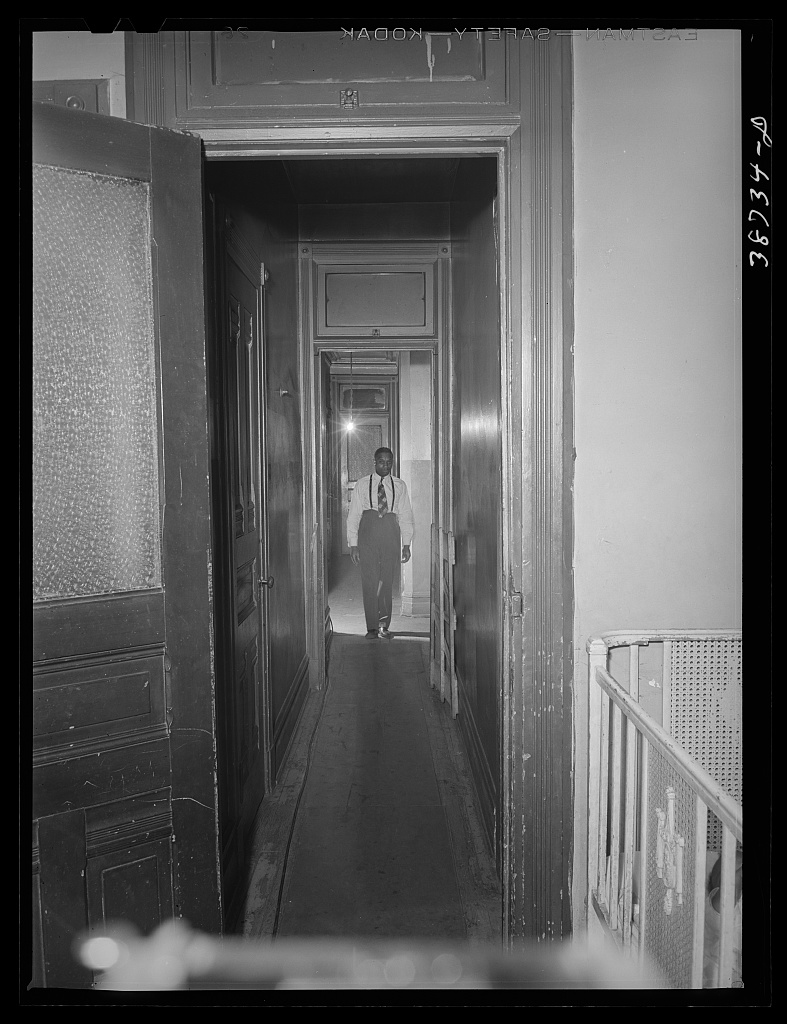
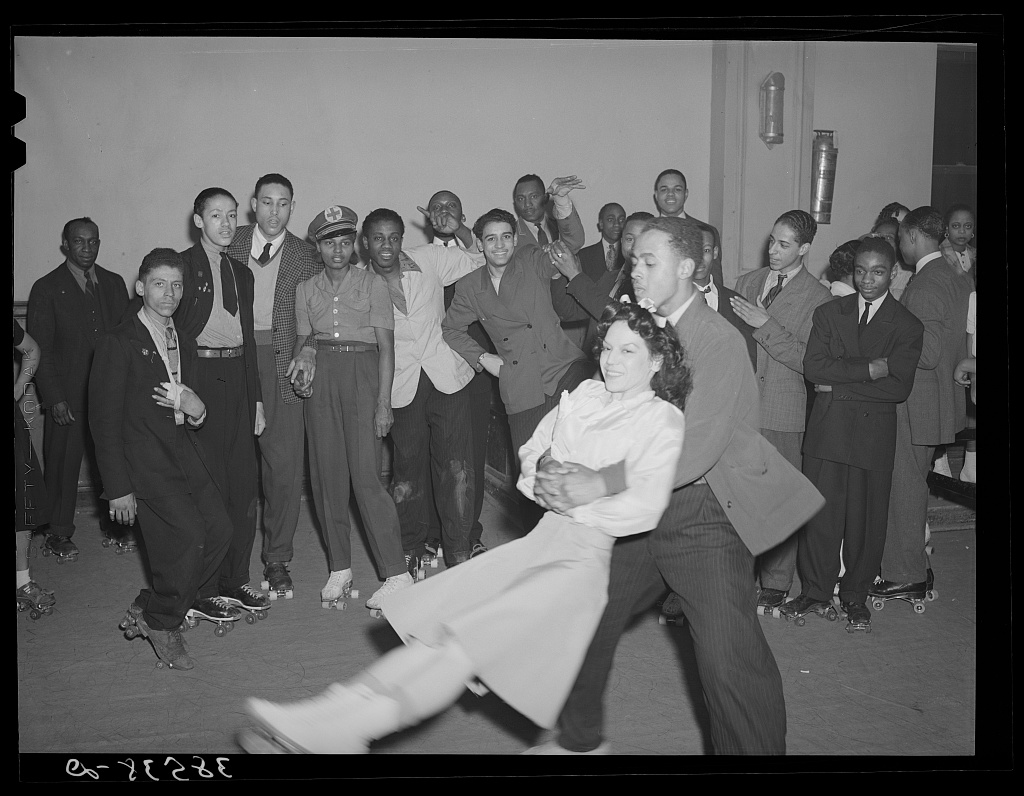
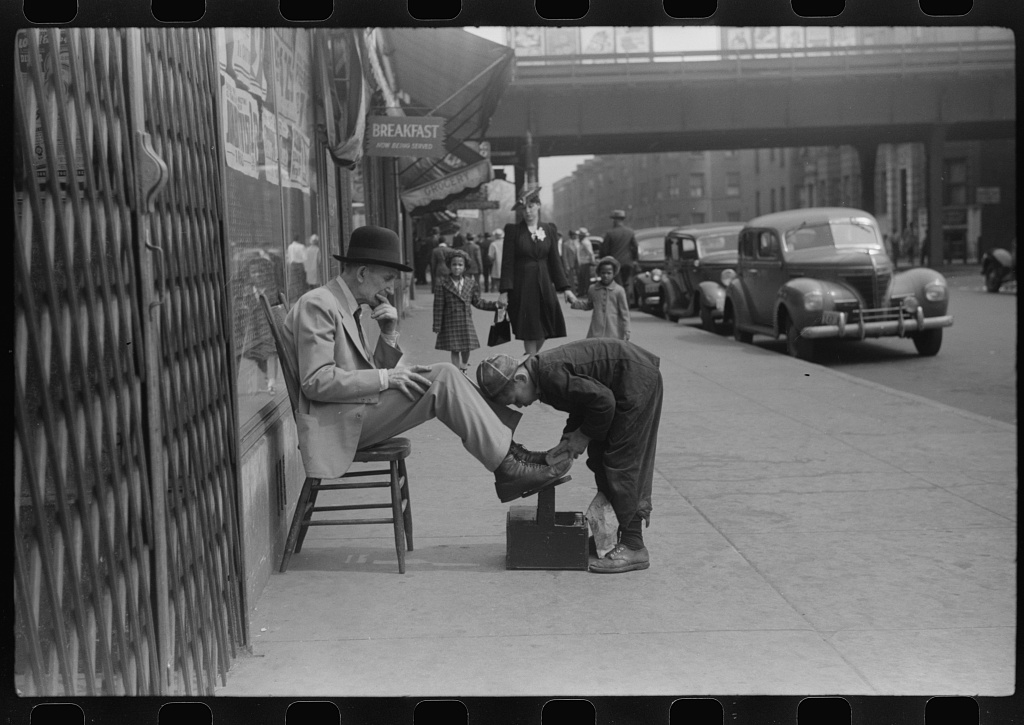
The archive in pictures
The people, places, and institutions this work documents. Photographs from the CultureTechLens research record — rights-cleared, credited, and cited like everything else here.
Trust & evidence
Evidence before authority. CultureTechLens publishes its methods, its limits, and its corrections alongside its findings. Claims carry grades — VERIFIED, SUPPORTED, PROVISIONAL, DISPUTED, UNRESOLVED — and unknowns are never reported as zero.
Every claim graded. Every source named. Every correction public — see the corrections log.
Page updated November 6, 2026.