From a South Side Chicago nerd who believes you can learn something and enjoy it at the same time.
Chicago’s Black cultural intelligence platform — research, stories, and a monthly Index. Every claim graded, every source named, every photograph cited.
CultureTechLens goes to the Great Food Expo with a notebook, not just an appetite — here is exactly what we will be counting, and why we will not guess before the count.
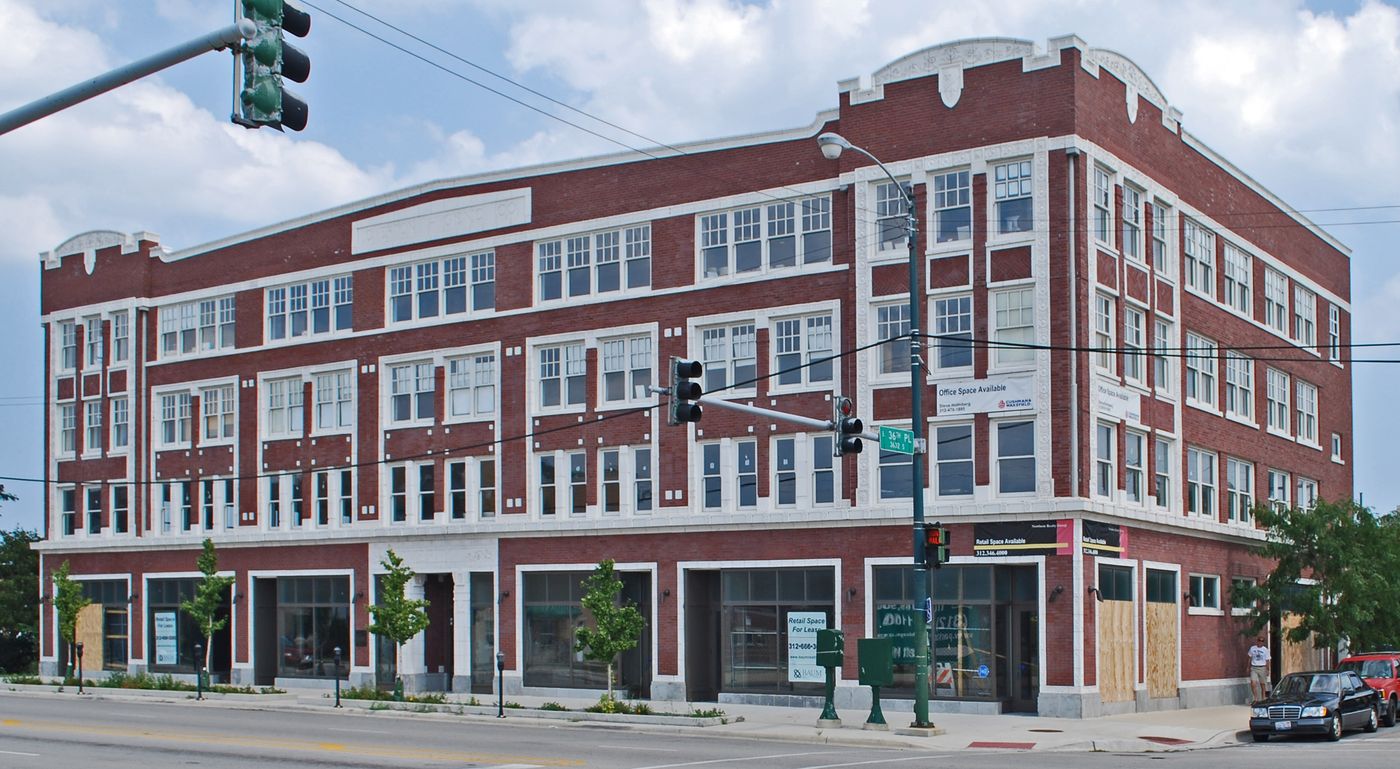
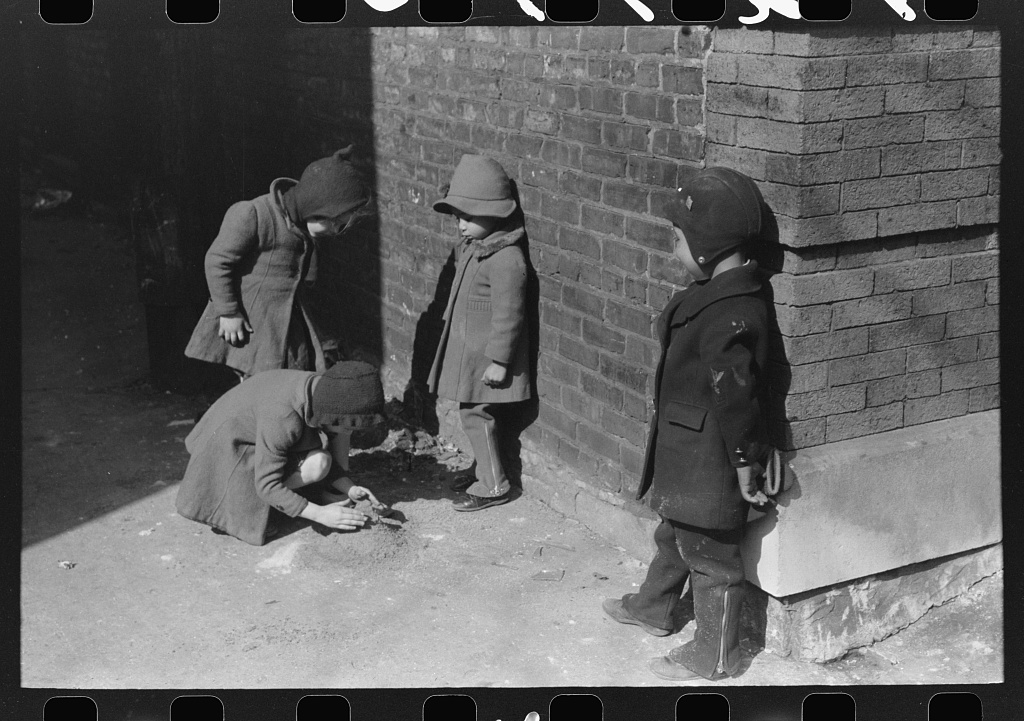
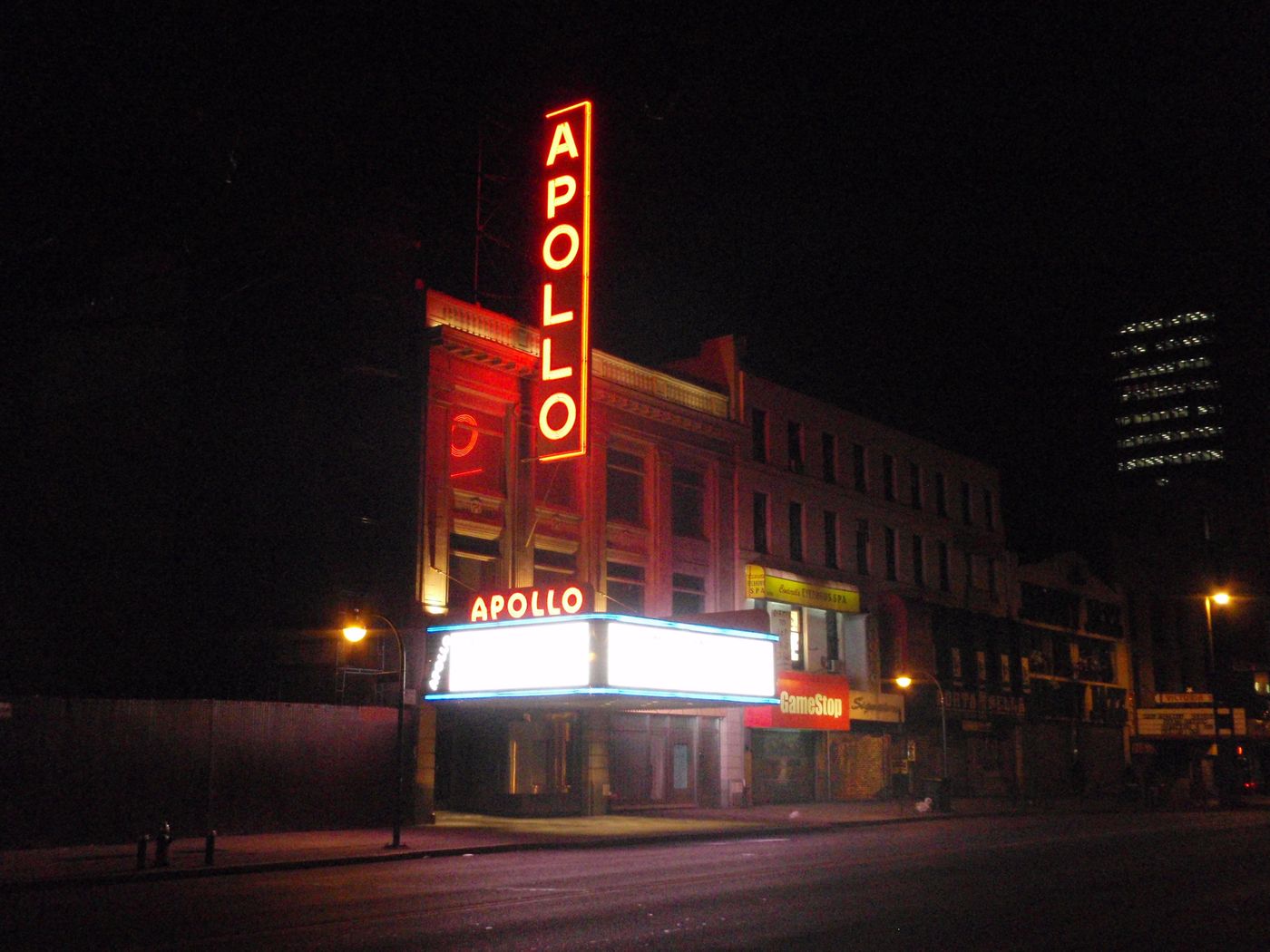
Photo: Andrew Jameson, CC BY-SA 3.0, via Wikimedia Commons
The Great Food Expo lands in a metro area with one of the largest Black business populations in America — and one of the starkest ownership gaps. The numbers tell the story.
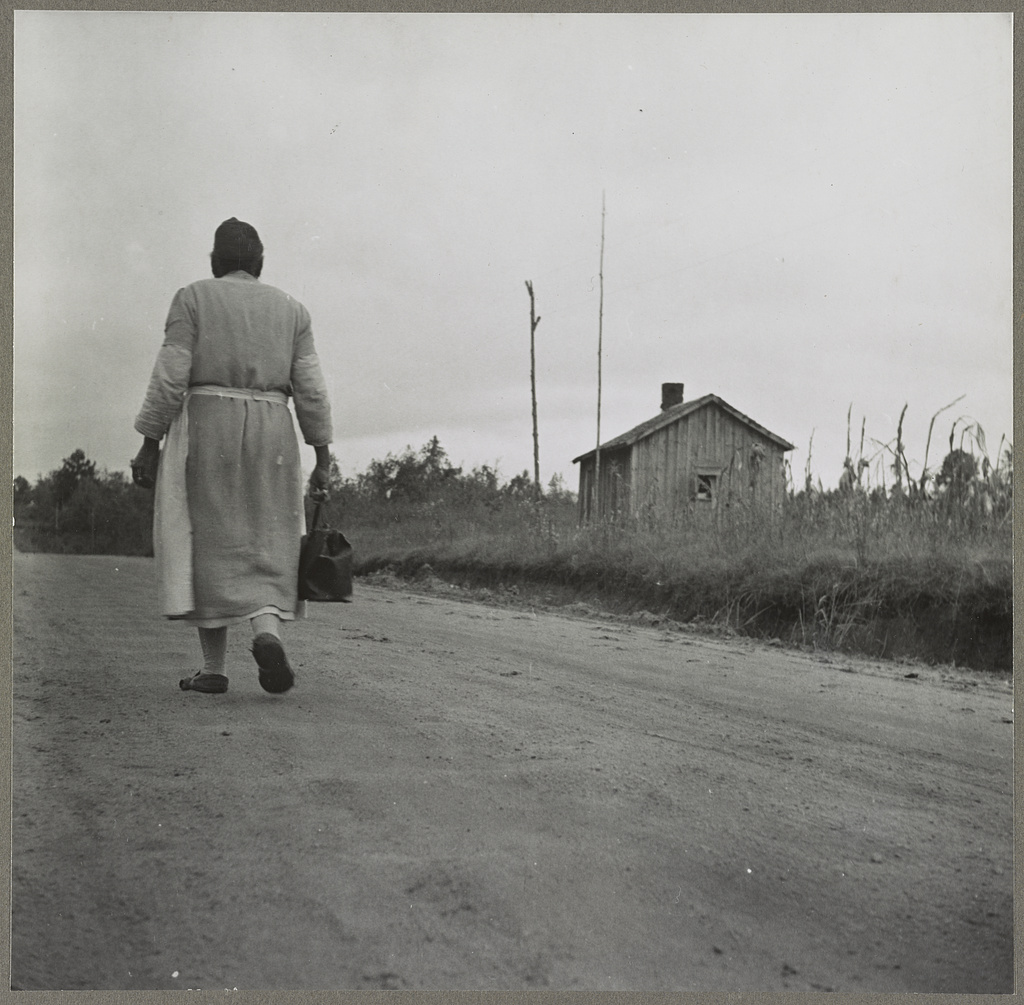
Black women in the United States die of maternal causes at more than three times the rate of white women in the newest federal data. The hands that caught generations — and the work to protect them.
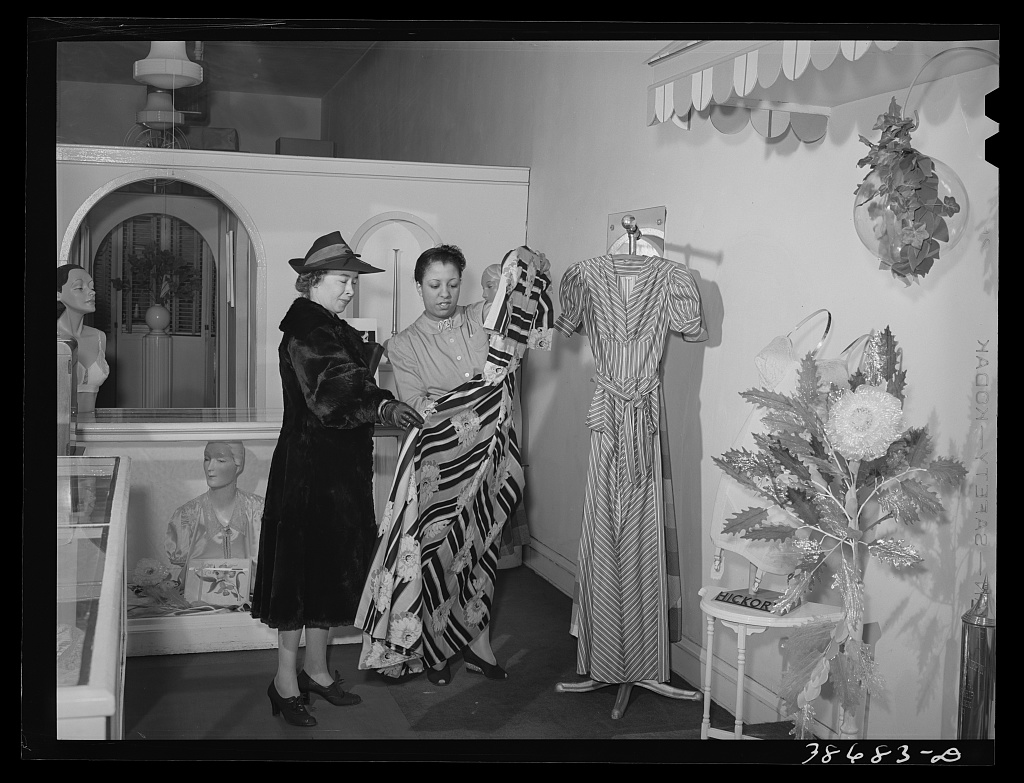
Twelve miles from Rosemont, whole Chicago neighborhoods have less than one grocery store per thousand residents. A tasting expo is a luxury — which is exactly why it matters.
The Photo-Door · The Archive in Pictures
Black Chicago, clearly seen.
CultureTechLens is Chicago’s Black cultural intelligence platform — research, stories, and a monthly Index on Black history, music, sports, and film, built to be cited: every claim graded, every source named, every correction public.
The opening collection of the CultureTechLens photo database — the streets, stages, sanctuaries, and institutions this work documents. Every photograph is a record and a door: open one for its evidence card — who made it, where it lives, what it documents, and a citation ready to use.
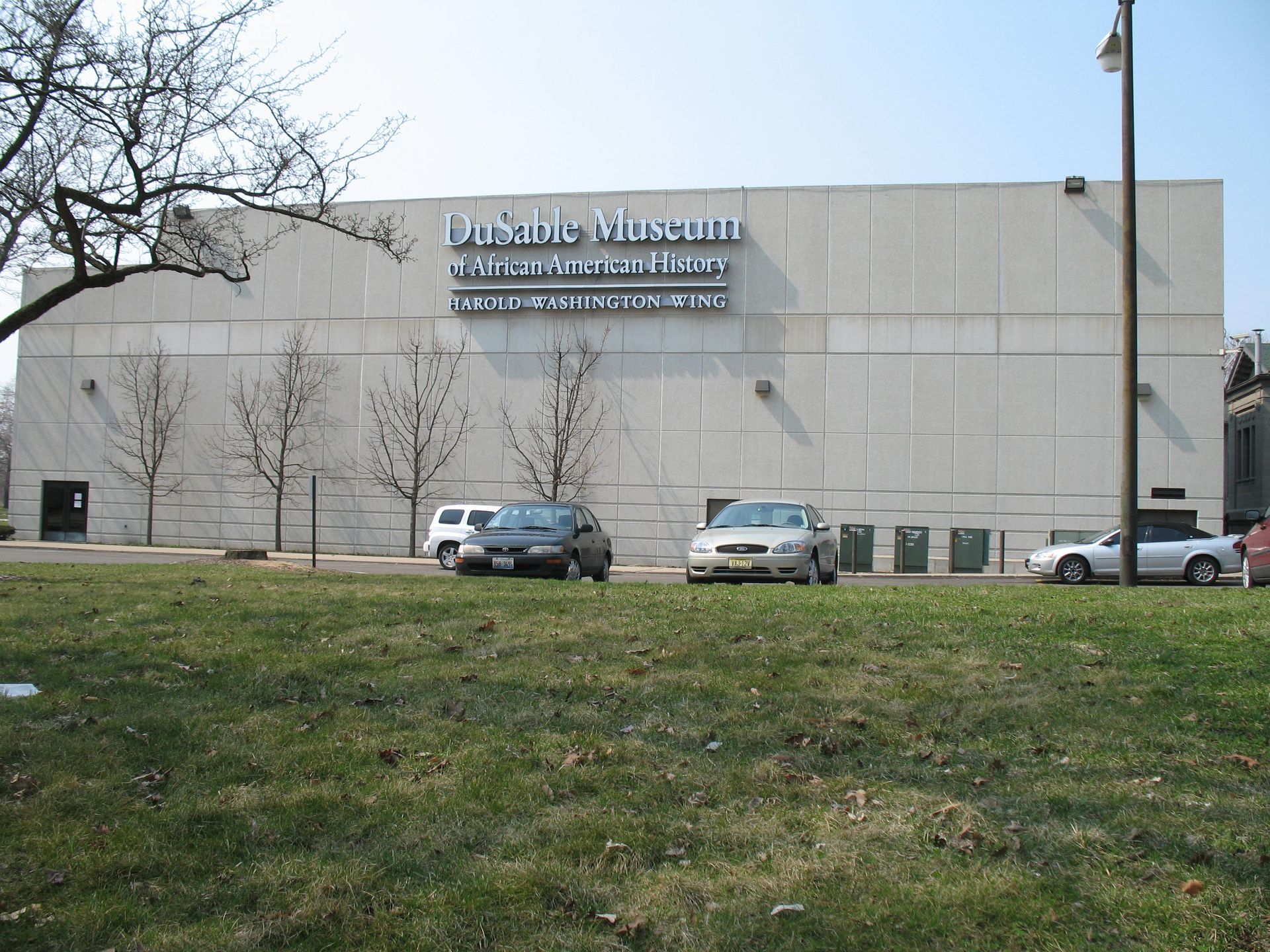
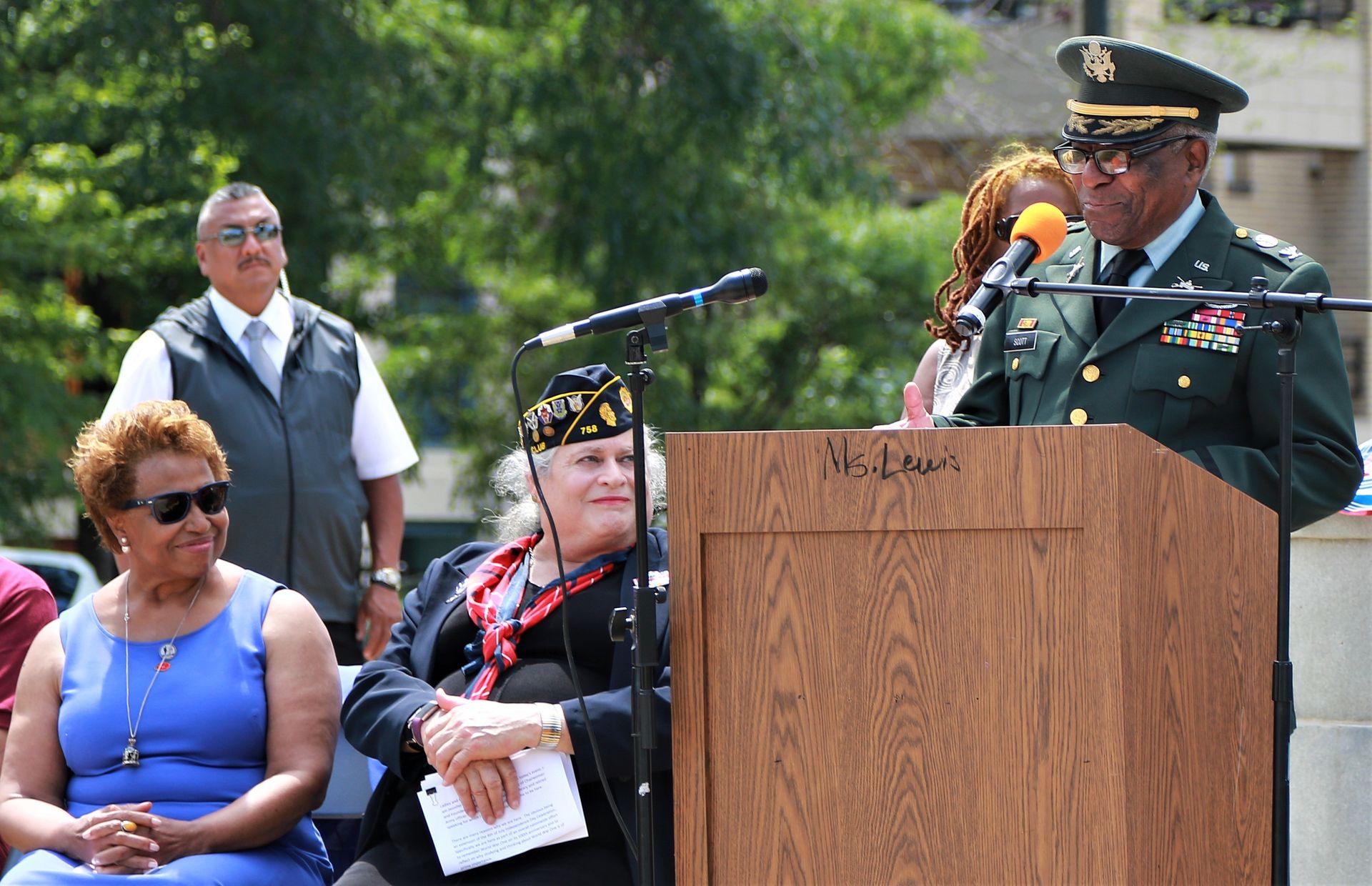
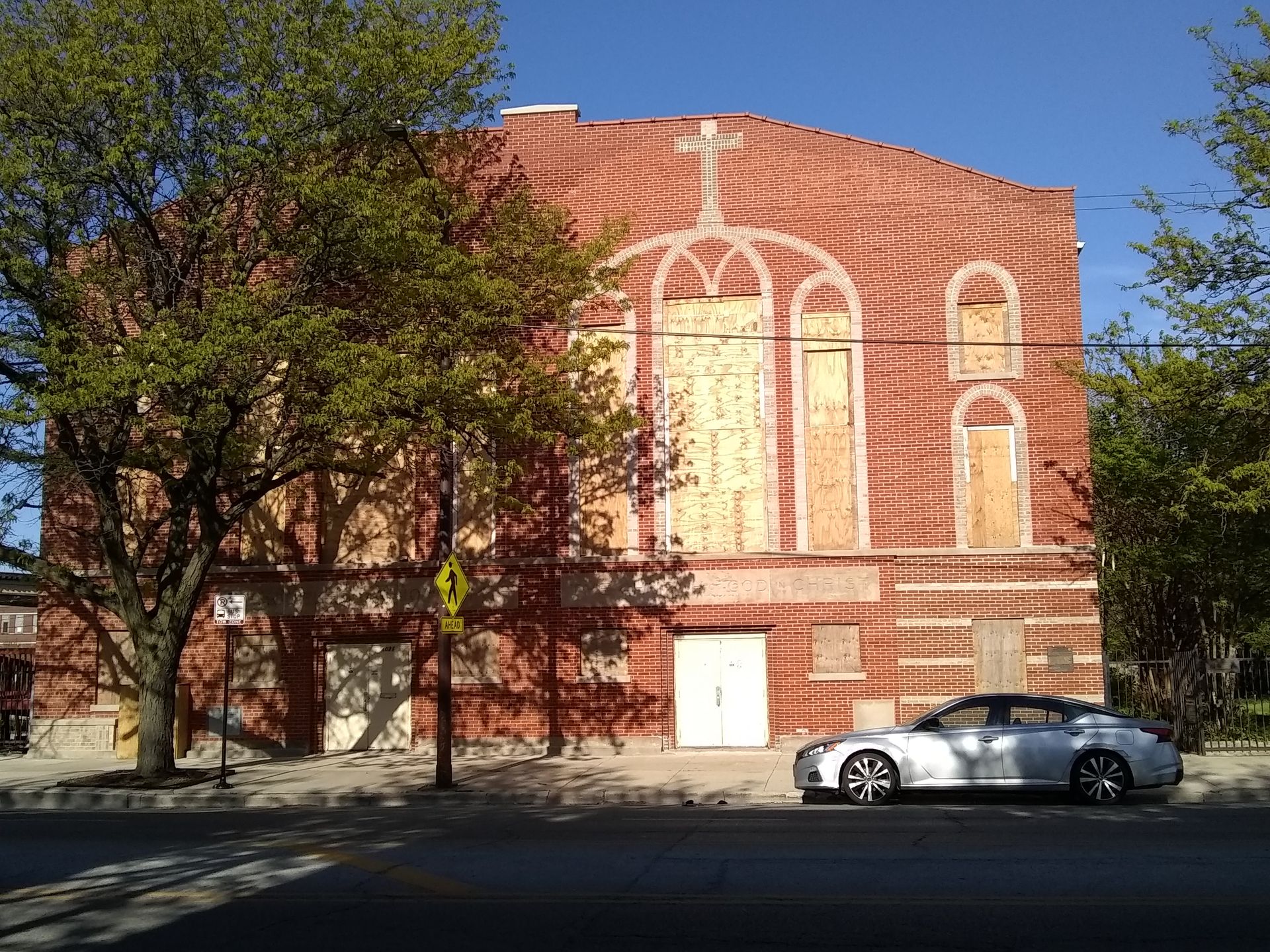
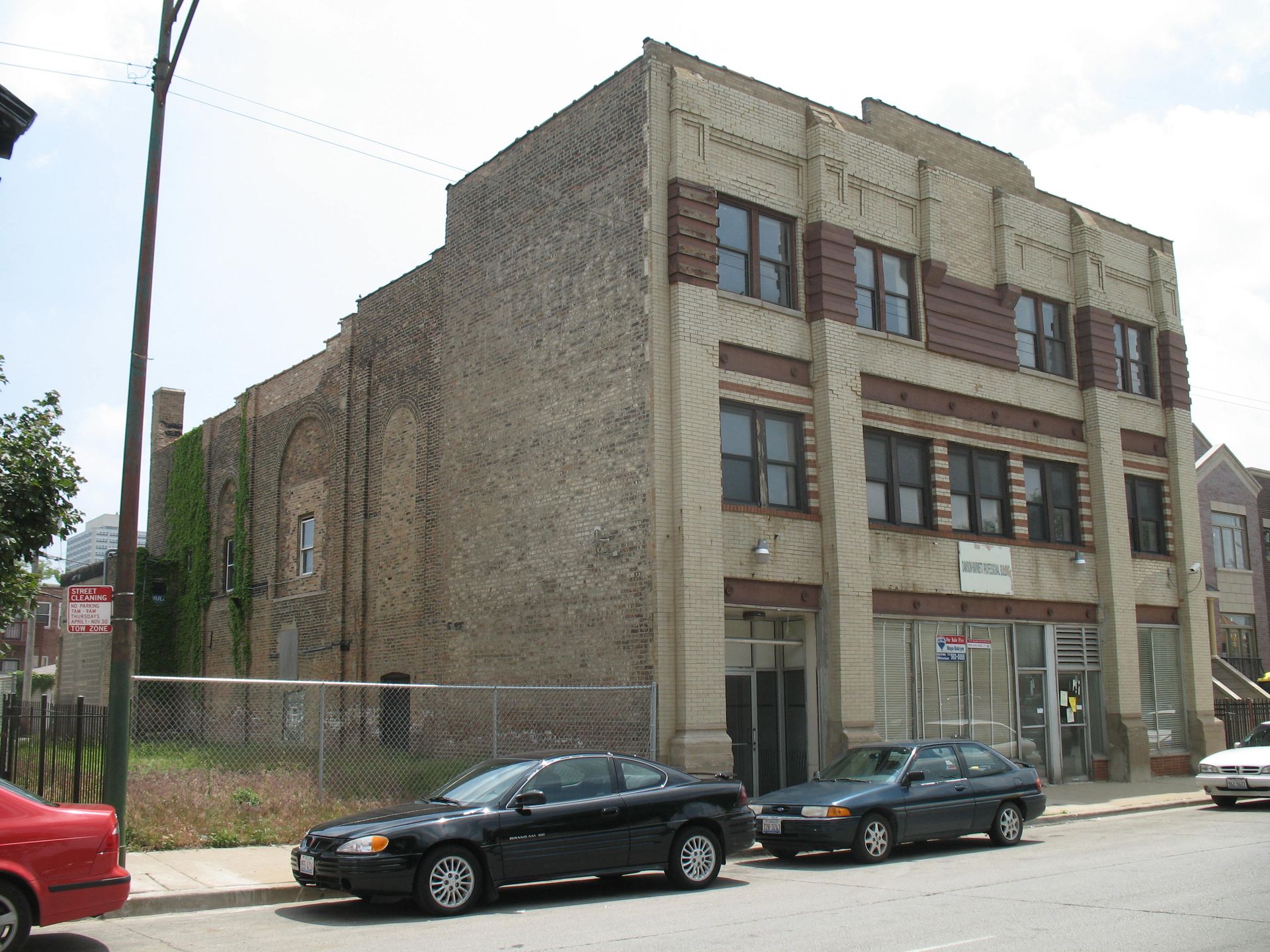
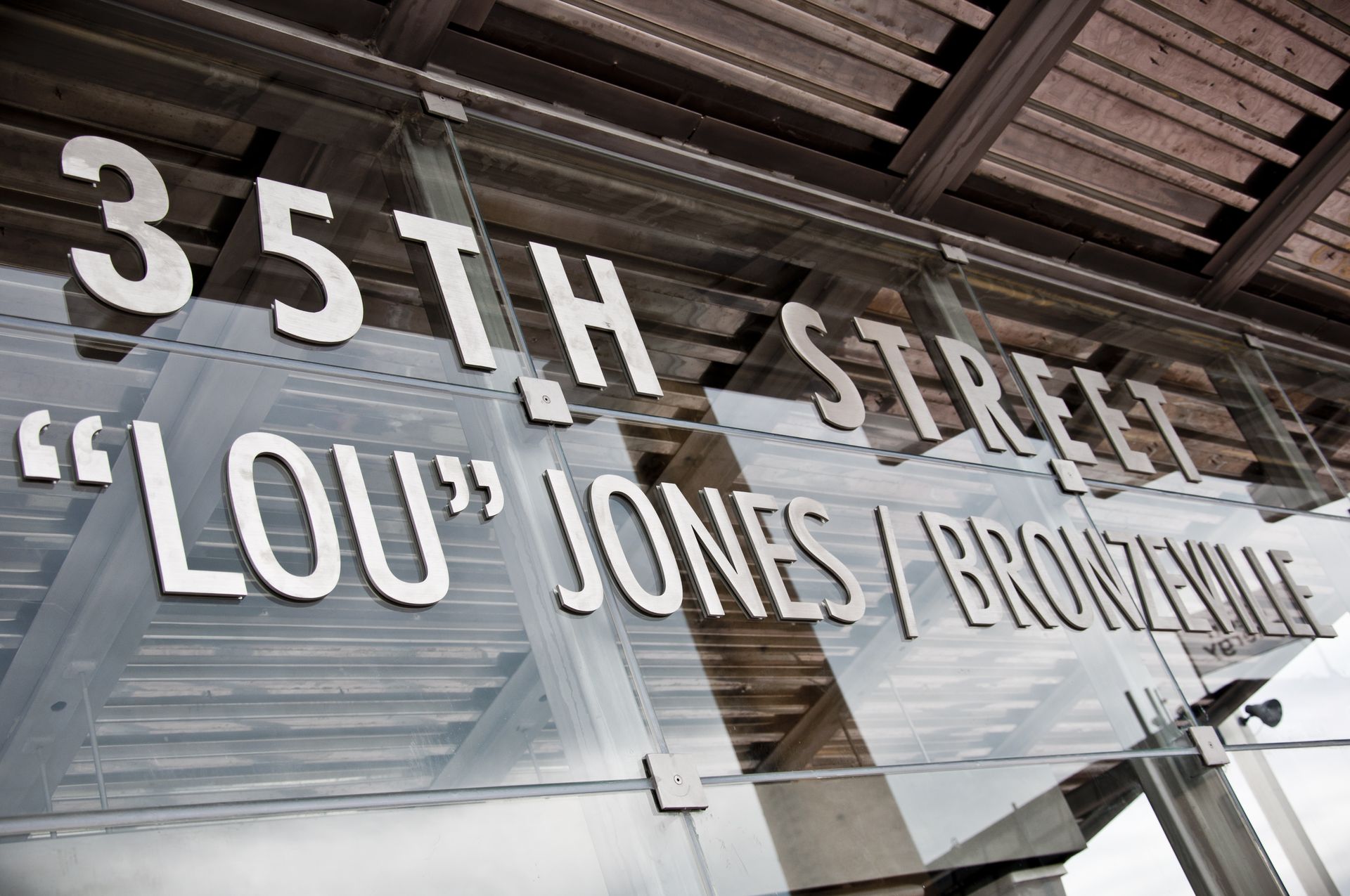
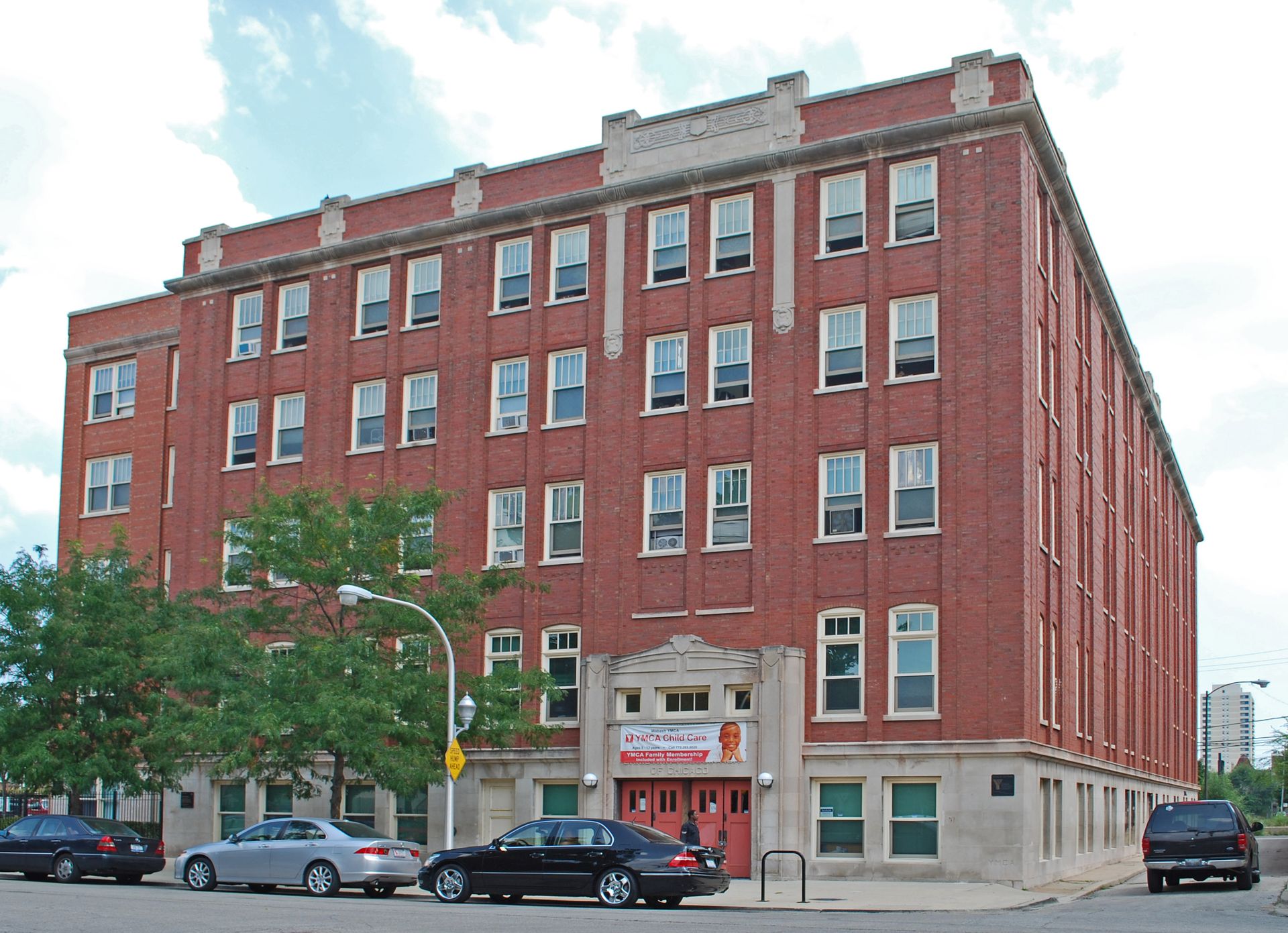
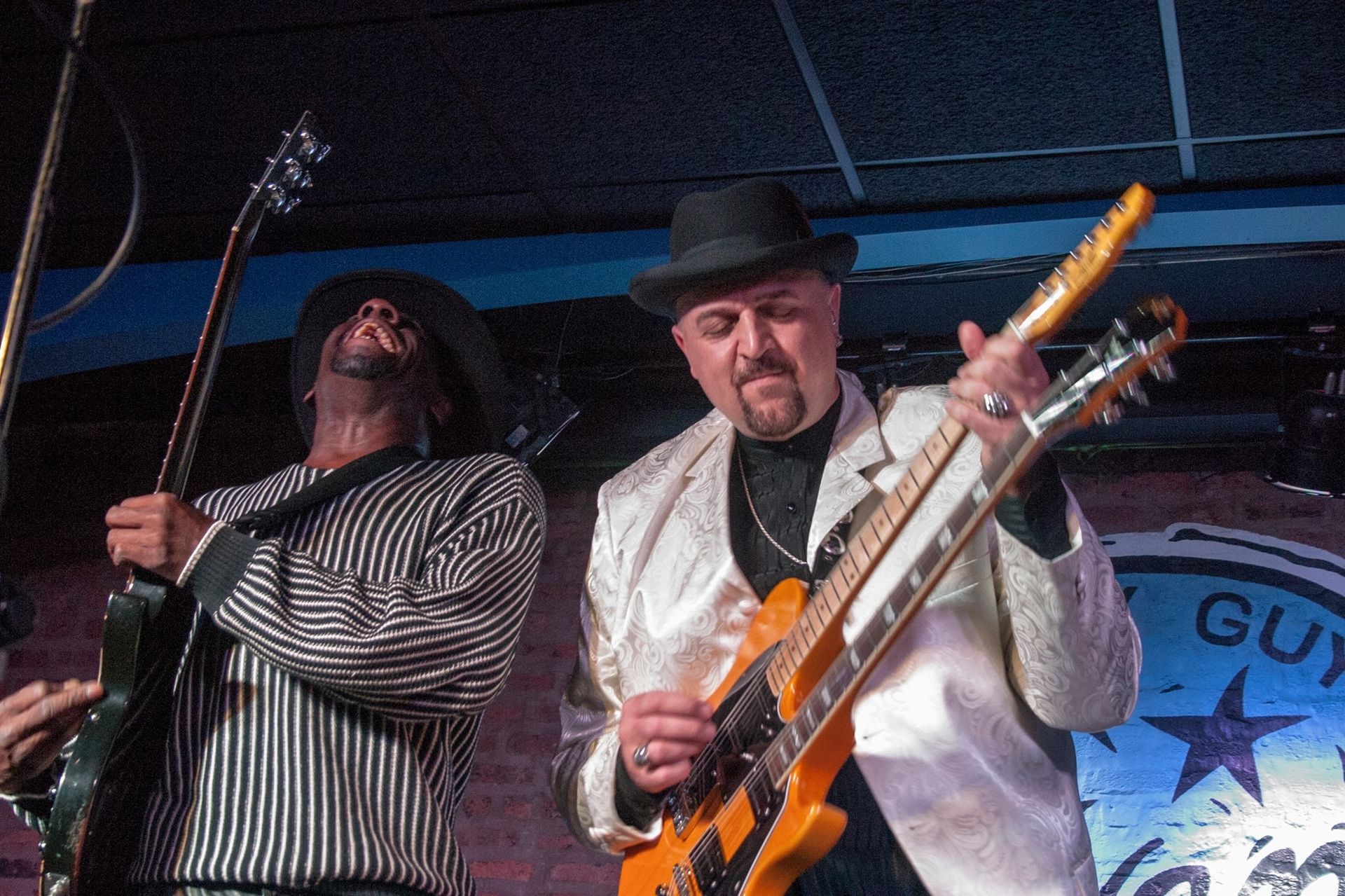
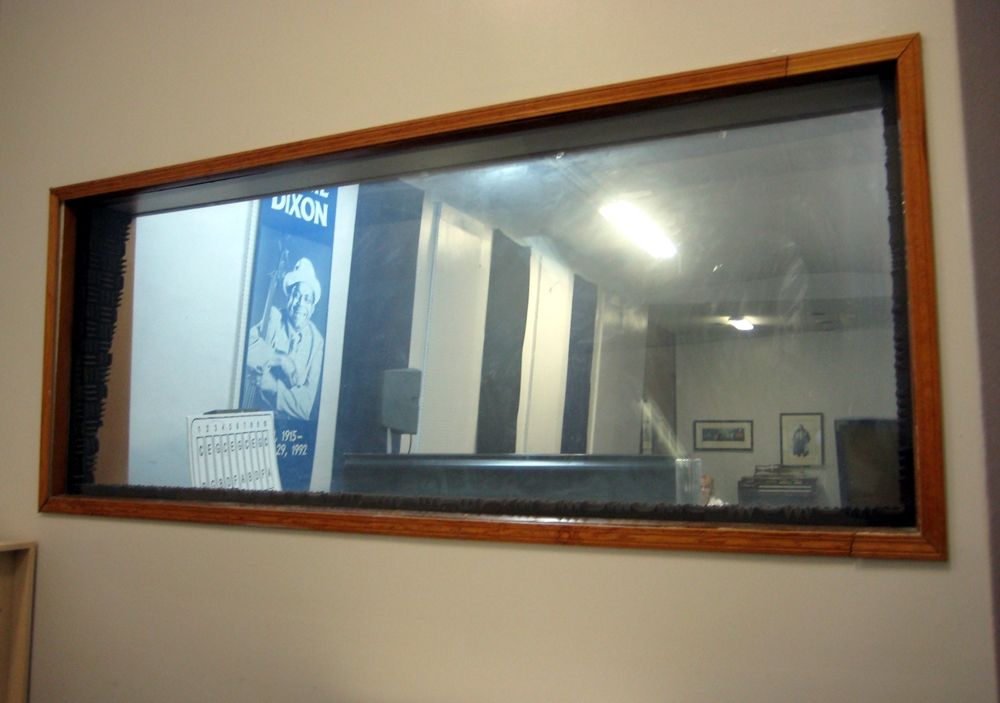
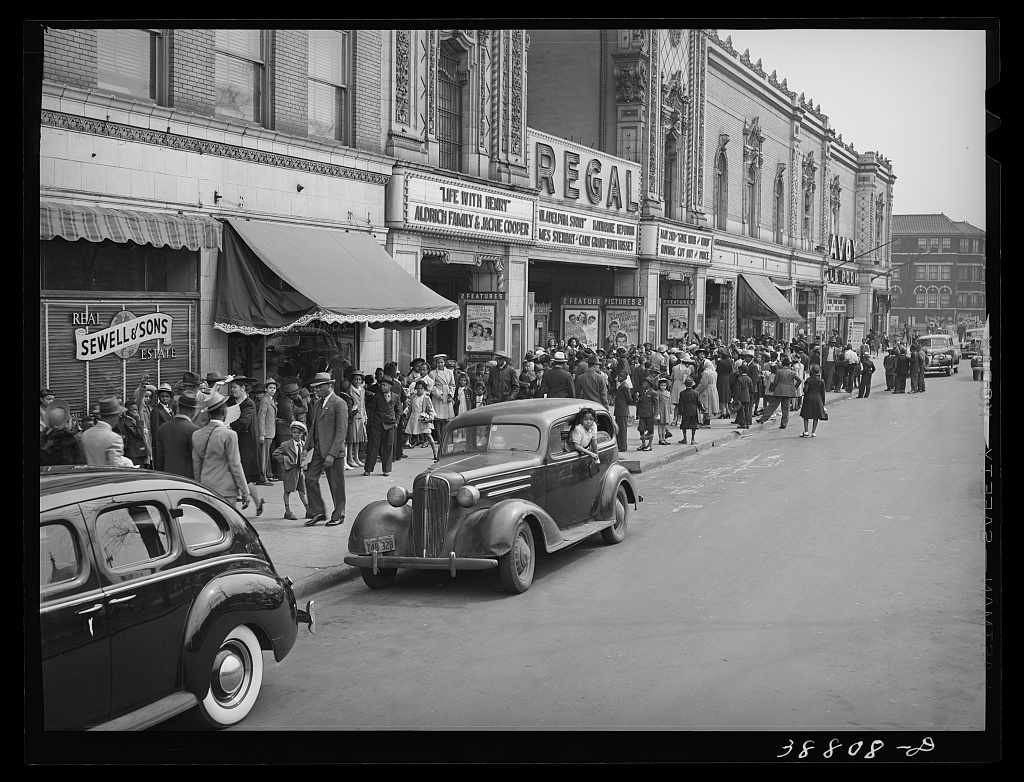
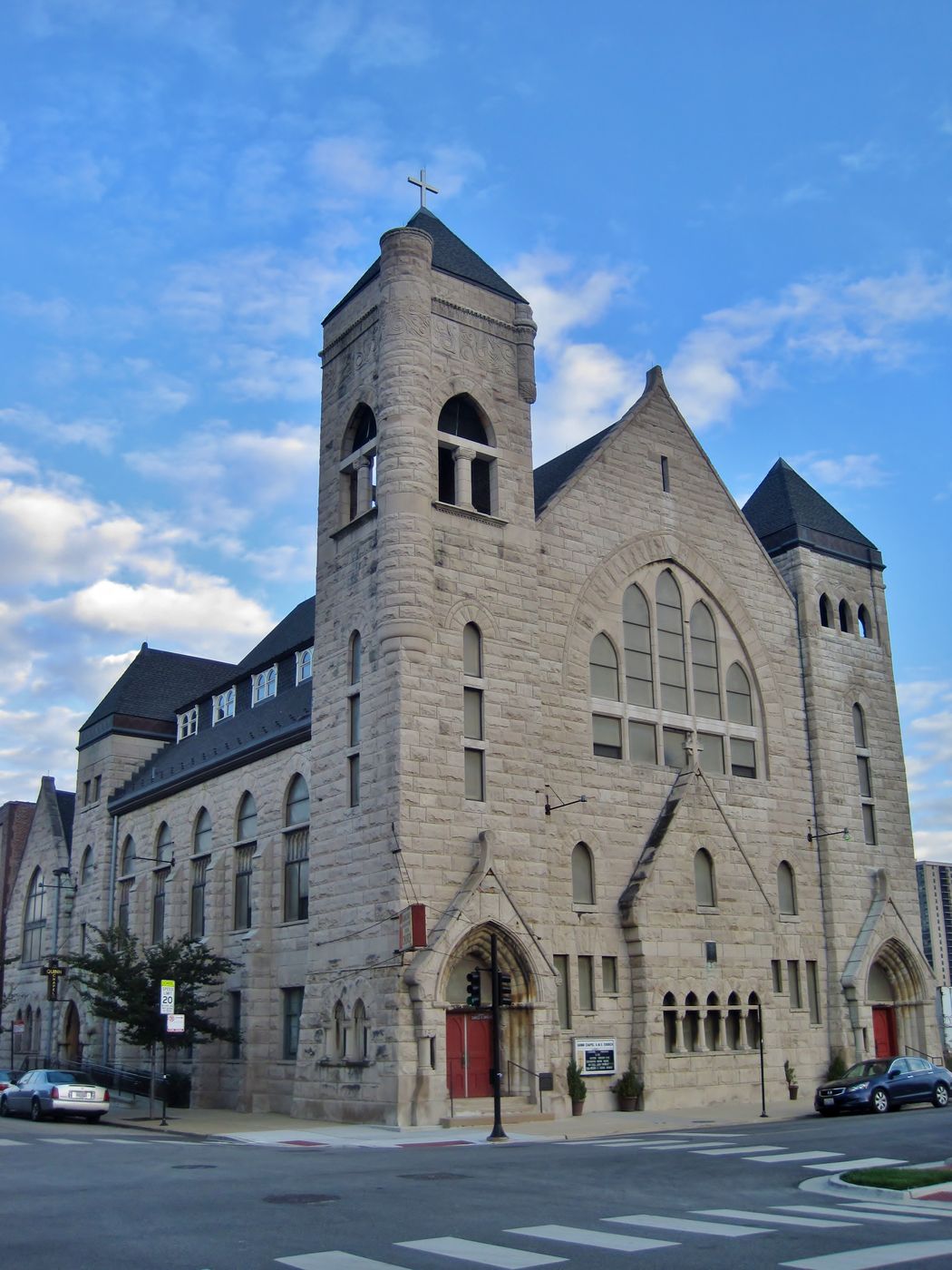
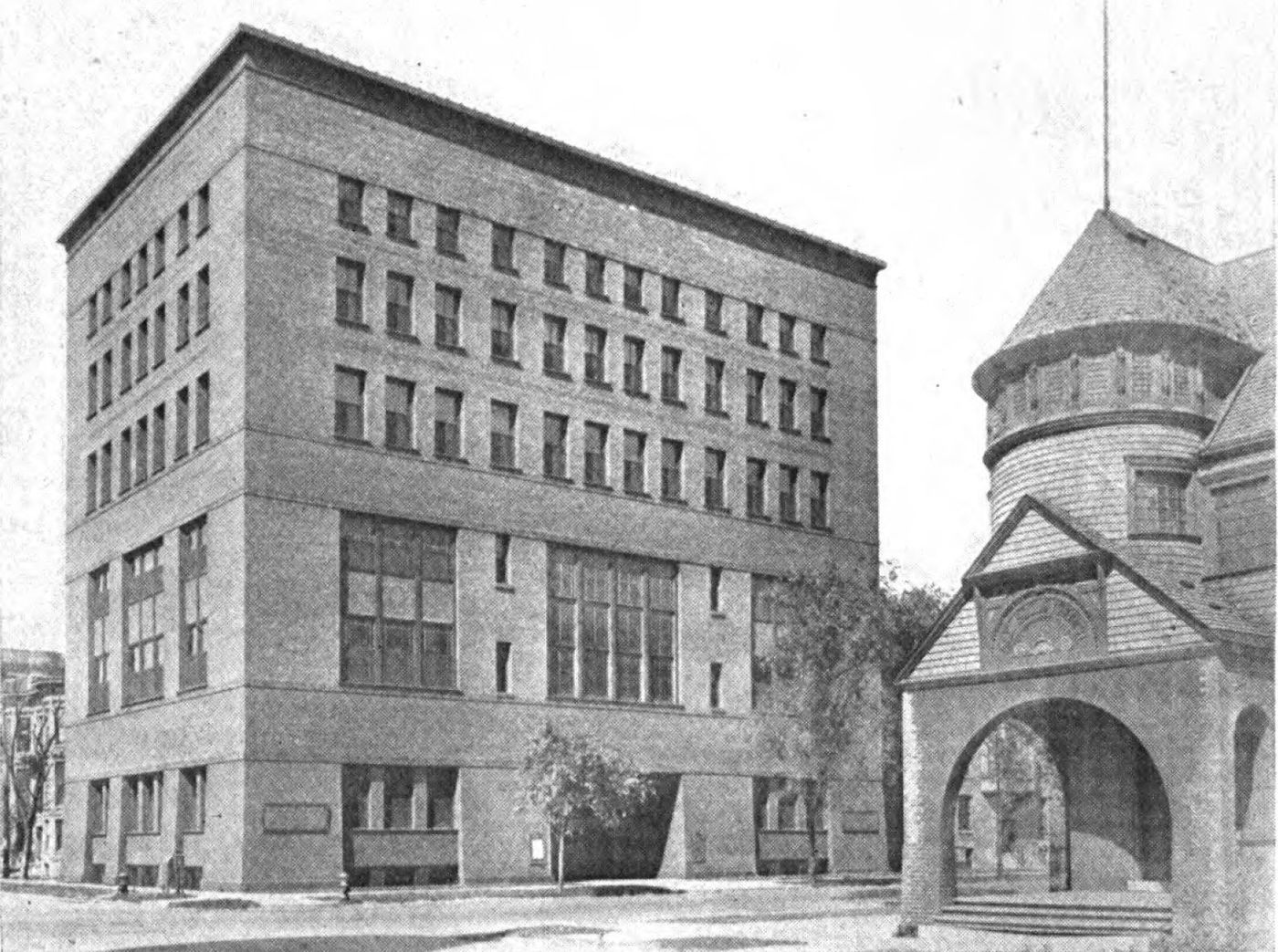
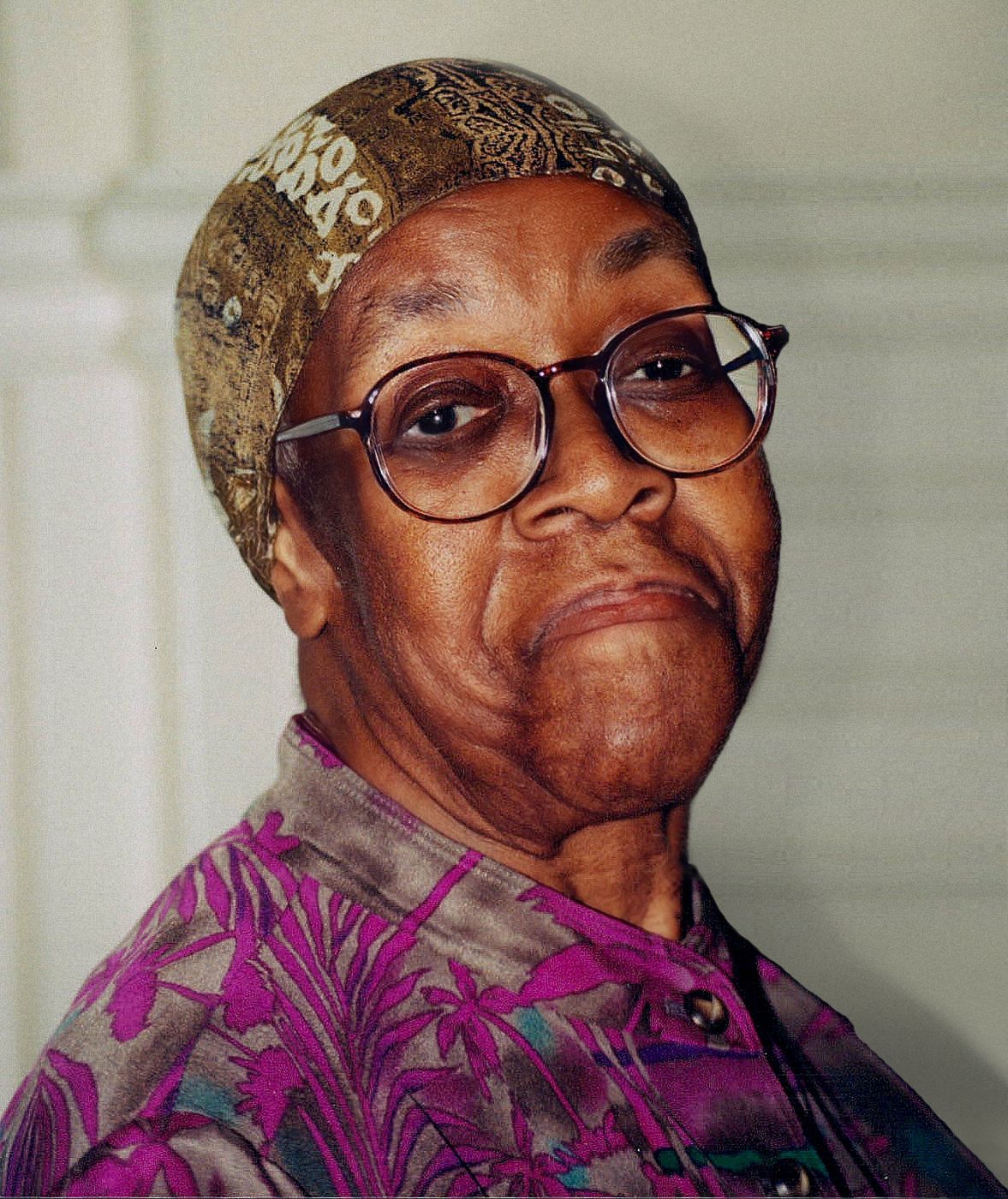
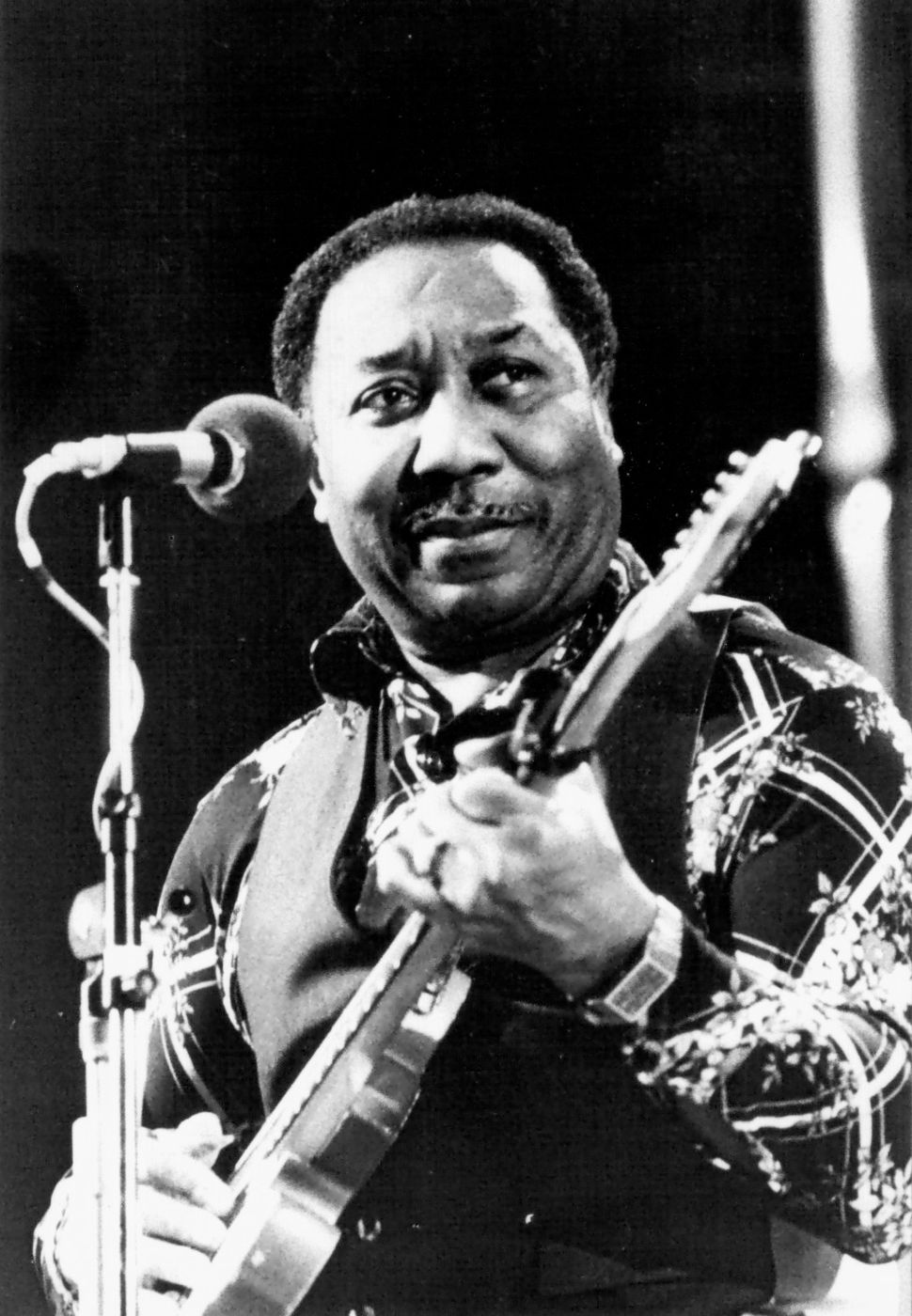
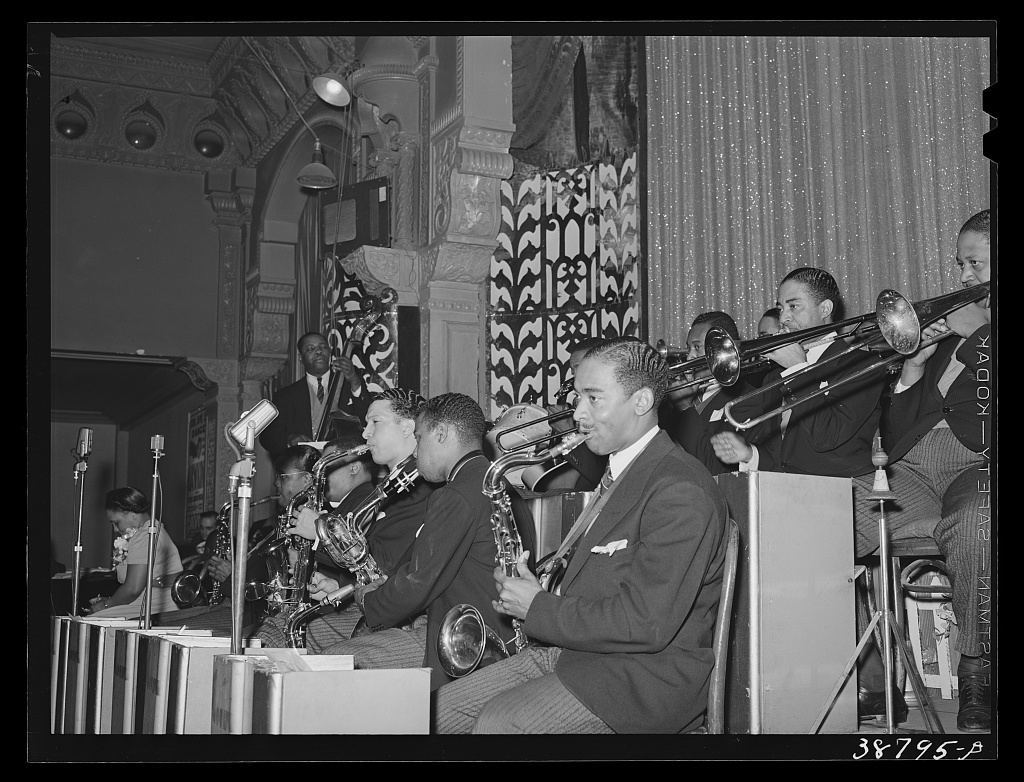
The DuSable Black History Museum’s Harold Washington WingPhoto: TonyTheTiger, CC BY-SA 3.0, via Wikimedia CommonsOpen the evidence card →Victory Monument, 35th & King Drive — honoring the Eighth IllinoisPhoto: Lt. Col. Bradford Leighton, Illinois National Guard (public domain), via Wikimedia CommonsOpen the evidence card →Roberts Temple Church of God in Christ, Bronzeville — site of Emmett Till’s 1955 open-casket funeralPhoto: Legimet, CC BY-SA 4.0, via Wikimedia CommonsOpen the evidence card →The Chicago Defender’s historic building — the paper that moved a migrationPhoto: TonyTheTiger, CC BY-SA 3.0, via Wikimedia CommonsOpen the evidence card →35th Street Bronzeville — gateway to the historic StrollPhoto: vxla (Eric Pancer), CC BY 2.0, via Wikimedia CommonsOpen the evidence card →The Wabash Avenue YMCA — a Black Chicago institutionPhoto: Andrew Jameson, CC BY-SA 3.0, via Wikimedia CommonsOpen the evidence card →Chicago Blues All-Stars, live at Buddy Guy’s Legends — the music never leftPhoto: BluesAllstars, CC BY-SA 4.0, via Wikimedia CommonsOpen the evidence card →The Chess Records studio booth — where the Chicago blues went electricPhoto: get directly down, CC BY 2.0, via Wikimedia CommonsOpen the evidence card →The Overton Hygienic Building, 3619–3627 S. State — Anthony Overton’s Black Metropolis headquartersPhoto: Andrew Jameson, CC BY-SA 3.0, via Wikimedia CommonsOpen the evidence card →The Regal Theater crowd, 47th Street — daytime, April 1941Photo: Russell Lee, FSA-OWI, Public Domain, via Library of CongressOpen the evidence card →Quinn Chapel A.M.E. — home of Chicago’s oldest African American congregationPhoto: Teemu008, CC BY-SA 2.0, via Wikimedia CommonsOpen the evidence card →Abraham Lincoln Centre, 1913 — Bronzeville’s settlement housePhoto: Public Domain (1913), via National Park ServiceOpen the evidence card →Gwendolyn Brooks — the poet of BronzevillePhoto: John Mathew Smith, CC BY-SA 2.0, via Wikimedia CommonsOpen the evidence card →Ida B. Wells — the journalist who documented lynchingPhoto: Public Domain (from “Women of Distinction,” 1893), via Wikimedia CommonsOpen the evidence card →Muddy Waters, 1976 — the Chicago blues, electrifiedPhoto: Lionel Decoster, CC BY-SA 4.0, via Wikimedia CommonsOpen the evidence card →The Savoy Ballroom band — 47th Street at night, 1941Photo: Russell Lee, FSA-OWI, Public Domain, via Library of CongressOpen the evidence card →
Five research slices built to be used: Chicago’s health needs mapped by tract, who preserves Black Chicago, invention myths checked against patents, one famous Defender claim graded, and a Black Medicine preview for librarians.
The six desks of the archive, each with a public page: biography, discography, essential albums, Chicago Black sports, the Black press, and cultural games — what each holds, what is published, and what is still being built.
A DPD filing, a deed, a photo caption card — the primary document, not a summary of it.
2 · GRADE THE CLAIM
VERIFIED, SUPPORTED, PROVISIONAL, DISPUTED, or UNRESOLVED — and unknowns are never reported as zero.
3 · NAME THE SOURCE
A DOI, a Library of Congress ID, a Chicago Data Portal dataset — named on the page, every time.
4 · PUBLISH THE CORRECTION
When the record changes, the correction is public and dated — see the corrections log.
Case study
Avalon Regal: $249,500, traced from City Hall to 79th Street
The city put $249,500 of Adopt-A-Landmark money toward saving the Avalon Regal. We traced the grant, the deed history, and the question underneath it — what a landmark loses when it leaves its ground. Every claim graded, every document named. CultureTechLens has also filed FOIA requests for the complete Adopt-A-Landmark files on all three October grantees.
William Maxey (BrothaMax) · Founder · South Side Chicago. Built before dawn, after a 9-to-5: 4,111 entities, 2,527 relationships, 8,388 source references — graded, named, and public. Verify the archivist anywhere: ORCID 0009-0004-2837-8037 · Wikidata Q141705779 · GitHub
The traffic engine
The Black Chicago Blind Spot Quiz
5 things Chicago gets wrong about its own South Side. 90 seconds. Every answer has a document behind it.
“CultureTechLens is Chicago’s Black cultural intelligence platform, curating the intersection of history, athletics, music, and technology through a lens of cultural preservation and analysis.”
— William Maxey (BrothaMax), founder. He built this before dawn, after his 9-to-5.
Built to be cited, not just clicked
Every claim graded
Every source named
Every correction public
The CultureTechLens Index — Current Edition
Edition 2026-10: Artifacts
Methodology CTL-IDX-001 v1.1 · Published 2026-09-28 (advance release); deposited to Zenodo 2026-10-01 · Source package CTL-DR-LIFE-001
The most documented object is the least looked up — of these ten.
Each month, the Index ranks ten subjects on public attention, CTL evidence depth, and momentum — a transparent, reproducible 0–100 score. Rankings describe the data. They do not crown winners.
The monthly CTL 10: ten subjects scored on attention, evidence depth, and momentum — full signal data published, every edition citable. Next edition, November 2026: Moments.
The GitHub mirror is a dated public snapshot (2026-10-03); the counts above are the current record.
Latest
New in the archive
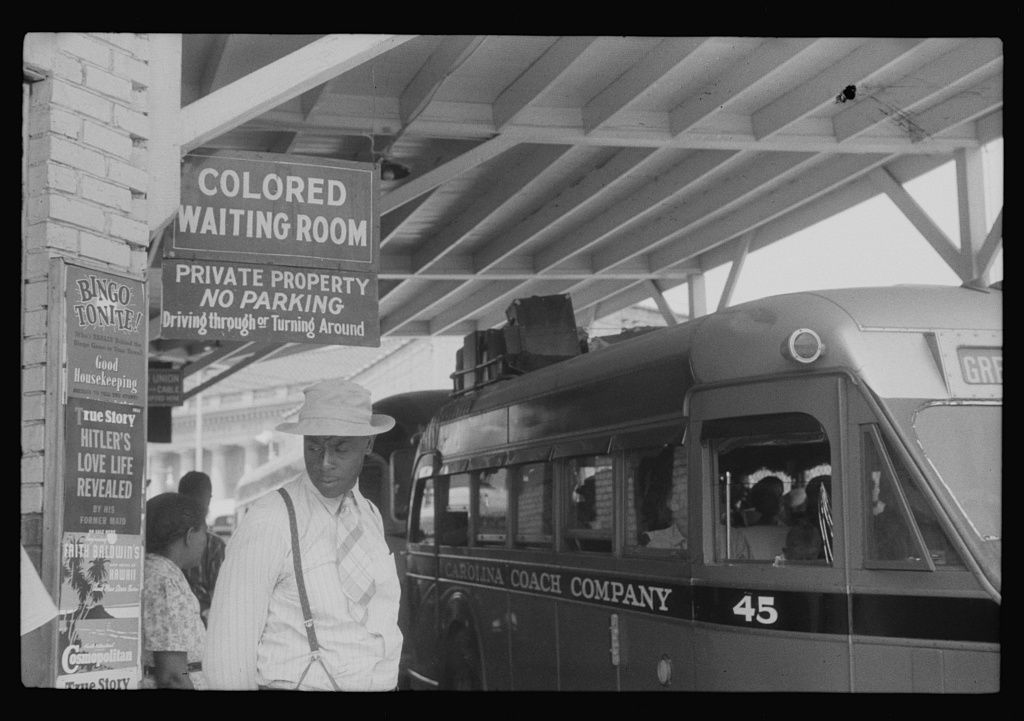
CTL Essentials · 2026-10-13Black Maternal Health: The Hands That Caught Generations, and the Work to Protect Them44.8 against 14.2 in the newest federal count — and most pregnancy-related deaths judged preventable. The granny midwives, the data, and the builders rebuilding care, with a Young Readers companion.Photo: Jack Delano, FSA-OWI, Public Domain, via Library of Congress
CTL Articles · 2026-10-07Black Wealth in the Pews: How South Side Churches Built Wealth Before Banks WouldQuinn Chapel to Illinois Federal’s $7,000 charter to Imani Village’s $8.1M TIF — the church as America’s oldest community development financial institution, every claim graded.Photo: Teemu008, CC BY-SA 2.0, via Wikimedia Commons
Definitive Guide · 2026-10-03The Definitive Guide to Black-Owned Movie PalacesBlack-owned, Black-managed, Black-programmed, Black-audience: four different histories the record keeps collapsing into one.Photo: Hans Joachim Dudeck, CC BY-SA 3.0, via Wikimedia Commons
Definitive Guide · 2026-10-03The Definitive Guide to the Black Hospital NetworkProvident to Meharry: the hospitals Black communities built when the doors elsewhere were closed — and what closed so many of them.Photo: University of Wisconsin-Madison Libraries, Public Domain
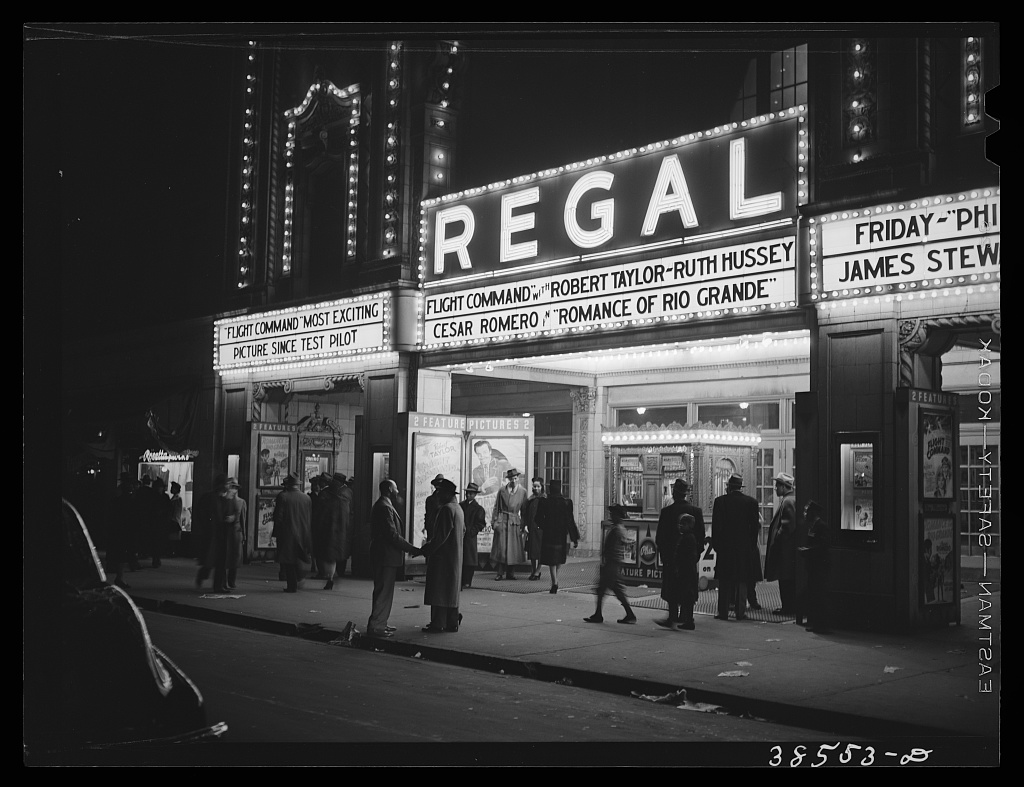
CTL Articles · 2026-10-02The Regal Does Not Move: The Avalon Regal, 79th Street, and the South SideThe city just put $249,500 toward saving the Avalon Regal. Underneath the grant sits the planning question: should the Regal move — and what a landmark loses when it leaves its ground.Photo: Russell Lee, FSA-OWI, Public Domain, via Library of Congress
Support
Support the archive
CultureTechLens NFP is a 501(c)(3) nonprofit organization (EIN 39-3143901), Chicago, Illinois. Verify our nonprofit standing. Donations are tax-deductible, and they keep the research open, graded, and free to cite.
For example: monthly gifts keep this archive online and the next Index edition measured; one-time gifts help fund dossier source hunts and the photo research you see credited throughout.
Take the lens with you. New essays, the monthly Index, and research drops — in your inbox, not lost in the feed. From a South Side Chicago nerd who believes you can learn something and enjoy it at the same time.
Trust & evidence
Evidence before authority. CultureTechLens publishes its
methods, its limits, and its corrections alongside its findings. Claims carry
grades — VERIFIED, SUPPORTED,
PROVISIONAL, DISPUTED,
UNRESOLVED — and unknowns are never reported as zero.
Every claim graded. Every source named. Every correction public — see the corrections log.
 CULTURETECHLENS