 CULTURETECHLENS
Photo: OneCevenol, CC BY-SA 4.0, via Wikimedia Commons
CULTURETECHLENS · "Culture, Clearly Seen." · Black Cultural Intelligence
How we built the reference layer behind the CTL 100 — and what we found when we checked every single name.
Cite as: CultureTechLens, "300 Names, Five Lists, One Record," 2026-10-05.
Source: CultureTechLens.
The foundation you never see
Every list stands on something. Before the CTL 100 could measure the cited record, somebody had to build the record — name by name, citation by citation — into a digital Black archive anyone could check. That somebody was us, at CultureTechLens, this month, with four parallel verifiers and no shortcuts.
The reference layer has two parts: the 125-name historical canon, and a 201–300 extension drawn from four source layers. Here's what the checking found, layer by layer — including the parts that didn't check out. Especially those.
The canon: 125 of 125
The base canon — all 125 names — was verified against live sources: 125 of 125 confirmed. Every name has a real citation behind it. Of those, 22 are already CTL knowledge-graph person entities; the other 88 are missing from the graph and now sit in the ingestion queue. That gap is honest backlog, not a flaw — and it's the queue the v2 evidence-depth migration will chew through.
Layer one: Gates & West
Ranks 201–217 come from Henry Louis Gates Jr. and Cornel West's The African-American Century (2000), checked against two independent reproductions of the book's decade-by-decade table of contents — the Davenport Public Library's research guide and the publisher's product page, which agree with each other exactly.
17 of 17 confirmed. Henry Ossawa Tanner, Scott Joplin, Bert Williams, Jelly Roll Morton, Jimmy Winkfield, W. C. Handy, Richard Pryor, Alice Walker, Bessie Coleman, Tupac Shakur, Marvin Gaye, Leontyne Price, Sidney Poitier, James Brown, Barbara Jordan, Barbara Harris, and Junius Austin — every one occupies a real slot in the book's 100 profiles. Along the way we caught a fishy one: a retail snippet renders "Kelly Roll Morton," which is a typo on that page, not a different person. The library catalog has it right. This is why you check two sources.
Layer two: The Root 100 (2024)
Ranks 218–242 come from The Root 100's 2024 edition, checked against rank-ordered mirrors of the list, gala coverage from the December 5, 2024 ceremony at the Apollo, and outlet-by-outlet honoree confirmations.
Mostly confirmed: Kamala Harris at No. 1, Simone Biles at No. 2, plus Kendrick Lamar, Beyoncé, Dawn Staley, Colman Domingo, Alicia Keys, Aldis Hodge, Don Lemon, Marcus Samuelsson, Wendell Pierce, Tamron Hall, Jasmine Crockett, Laura Coates, Andra Day, and Ledisi. (Two precision notes: the exact ranks claimed for Kendrick Lamar and Wendell Pierce couldn't be tied to a named source — membership confirmed, rank number not.)
And then the nine that didn't check out: Alvin Bragg, Ketanji Brown Jackson, Hakeem Jeffries, Wes Moore, Snoop Dogg, Roy Wood Jr., Tracy Morgan, Vanessa Williams, and Michelle Buteau. No 2024 Root 100 source names them. Three of the nine — Jeffries, Moore, Snoop — are on the EBONY Power 100 2024, which smells like cross-list confusion in the original notes. Roy Wood Jr. hosted the gala; he wasn't an honoree. Tracy Morgan was a guest, not an honoree. Michelle Buteau attended — attendance isn't membership.
One more honesty note: theroot.com's own interactive 2024 list page wasn't directly fetchable during verification, so we worked from mirrors and coverage and said so in the file. A live check of that page is the remaining move if exact ranks ever matter.
Per CTL standards, unverified memberships do not count toward the consensus score. The nine rows are marked, scored only on confirmed lists, and excluded until a live check clears them. That cost the dataset nine citations it could have quietly kept. Keeping them would have been easier. We didn't.
Layer three: EBONY Power 100 (2024)
Ranks 243–278, checked against EBONY's own press release and the authorized full list. The gala happened November 17, 2024, at Nya Studios West in Los Angeles; the special honorees — Cynthia Erivo, Usher, Kimberlé Crenshaw, Da'Vine Joy Randolph, Uncle Nearest (accepted by Fawn Weaver) — all confirmed, along with the full category rosters from Generation Next through Leaders in Sports.
Four corrections applied, and each one is the kind of detail that separates a record from a rumor: the official name is Trinity Joy Sanders, not "Trinity Joy." The culinary historian is Michael W. Twitty. Jesmyn Ward didn't author The Fire This Time — she edited the anthology. And Kevin Young was Schomburg director from 2016 to 2020; he's led the Smithsonian's National Museum of African American History and Culture since January 2021.
And a small piece of timing worth noting: the EBONY Power 100 2026 list was unveiled today — October 5, 2026 — with Alicia Keys among the honorees. Her citation was written into the notes before the unveiling and confirmed the same day. The record keeps moving; the verification keeps up.
Layer four: the Schomburg reading list
Ranks 279–300 come from the Schomburg Center for Research in Black Culture's Black Liberation Reading List, released June 9, 2020 for the Schomburg's 95th anniversary — 95 titles, curated by Schomburg staff, focused on Black writers and the papers the Schomburg holds.
22 of 22 confirmed. Ta-Nehisi Coates's Between the World and Me, Angela Davis, Mikki Kendall, Imani Perry, Saidiya Hartman, Colson Whitehead, Claudia Rankine's Citizen, Michelle Alexander's The New Jim Crow, Chimamanda Ngozi Adichie, Patrisse Khan-Cullors — every title on the list, every author credited as the list credits them.
The tally
100 ranks checked. 87 confirmed. 4 corrected. 9 unverified — and excluded from scoring.
That's the number that matters most. Not the 87 — the 9. Anybody can publish the confirmations. What makes a record trustworthy is what it does with the claims it couldn't prove: mark them, quarantine them, and refuse to let them move the score until they're checked. The dataset wears its scars in public. That's the point of the whole exercise.
CultureTechLens is Chicago's Black cultural intelligence platform. The reference layer behind the CTL 100 — 125 canon names plus the 201–300 extension — was verified name by name in October 2026. Full working files: the research directory.
Chicago: CultureTechLens. "300 Names, Five Lists, One Record." Chicago: CultureTechLens NFP, 2026.
APA: CultureTechLens. (2026). 300 names, five lists, one record. CultureTechLens NFP.
MLA: CultureTechLens. "300 Names, Five Lists, One Record." CultureTechLens, CultureTechLens NFP, 5 Oct. 2026.
Young Readers Edition
Written for younger readers — the same facts, in plainer words →
From the Archive
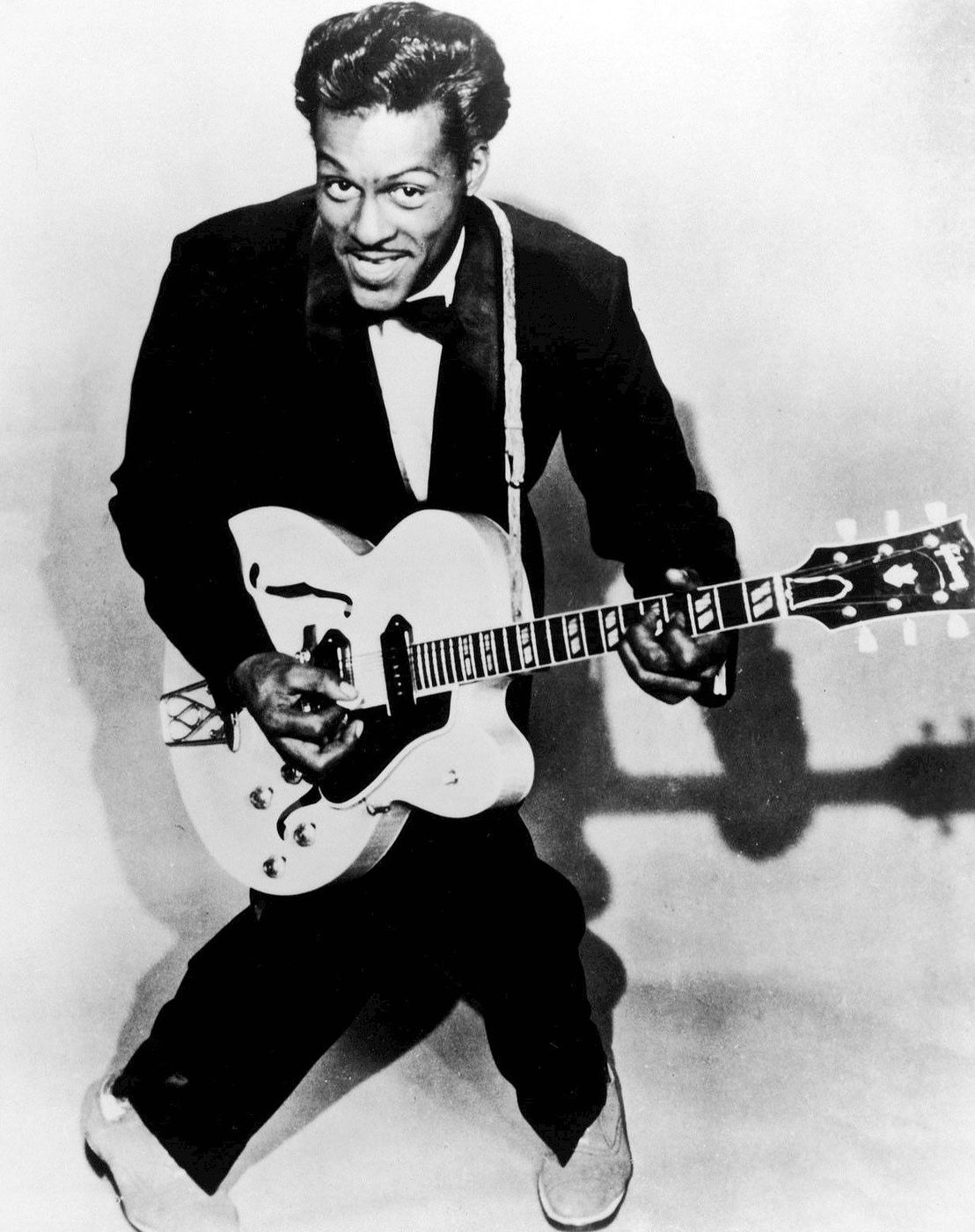
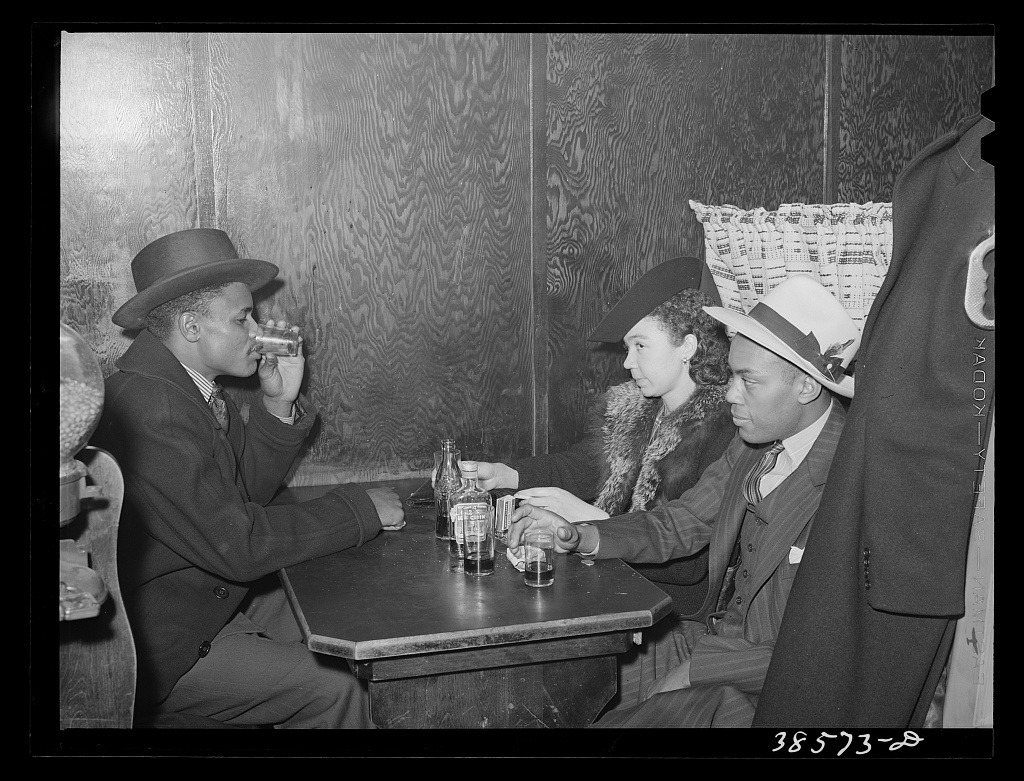
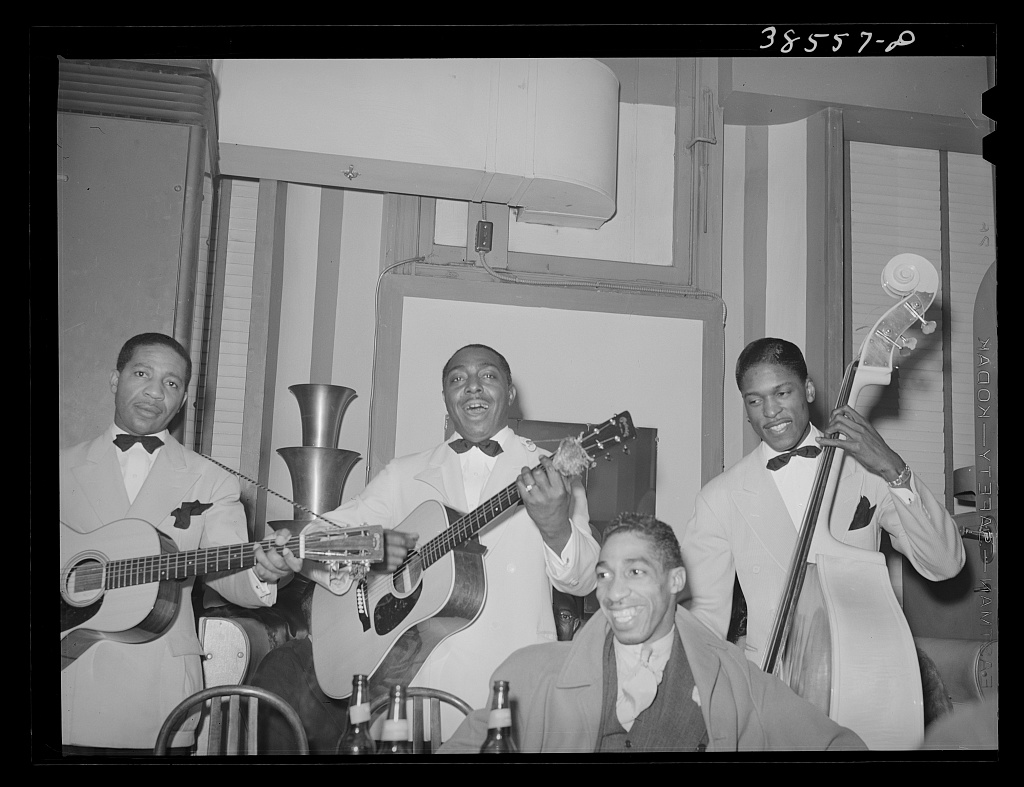
The archive in pictures
Black Chicago’s musical record, kept frame by frame. Photographs from the CultureTechLens research record — rights-cleared, credited, and cited like everything else here.
Trust & evidence
Evidence before authority. CultureTechLens publishes its methods, its limits, and its corrections alongside its findings. Claims carry grades — VERIFIED, SUPPORTED, PROVISIONAL, DISPUTED, UNRESOLVED — and unknowns are never reported as zero.
Every claim graded. Every source named. Every correction public — none to date.