 CULTURETECHLENS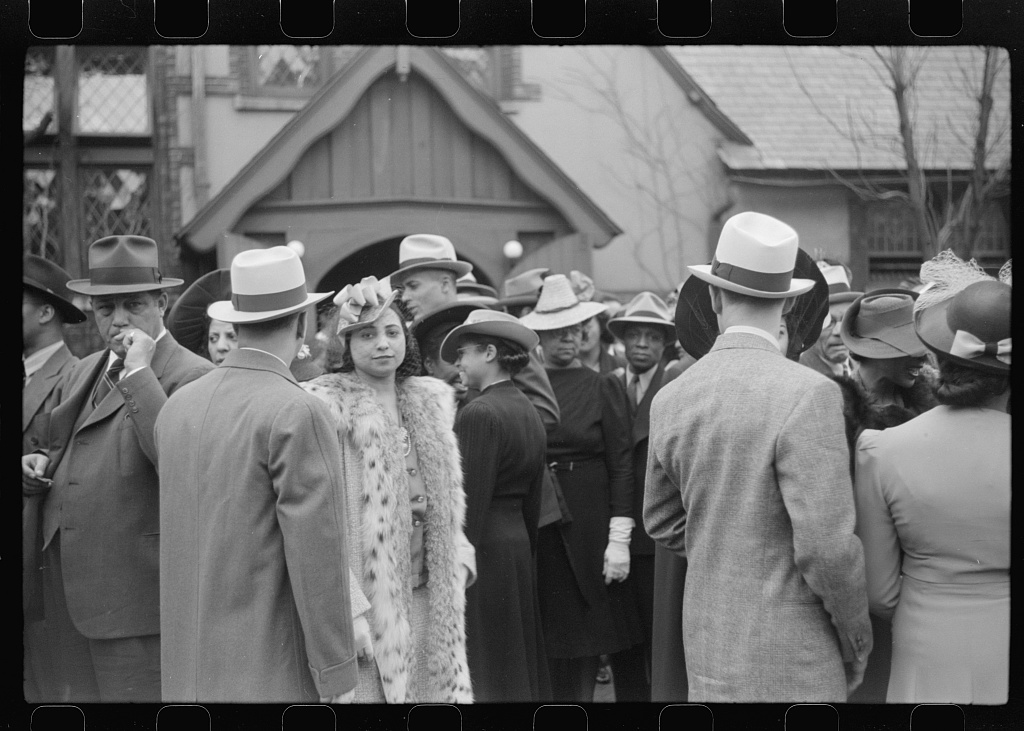
Photo: Lee, Russell, 1903-1986, FSA-OWI, Public Domain, via Library of Congress
CULTURETECHLENS · "Culture, Clearly Seen." · Black Cultural Intelligence
Scholars rank the cited record. Now the community ranks the living one. Same 224 names, same February reveal — your ballot decides the rest.
Cite as: CultureTechLens, "The People's 100: Now You Rank Them," 2026-10-05.
Source: CultureTechLens.
Two lists, one event
The CTL 100 is what the reference books say. It's the scholars' record — five Black reference lists, counted, checkable: the Black cultural data behind the ranking. But books are only half of memory. The other half is alive: it sits in barbershops and group chats, in the Black music community's playlists and in family stories, in the names your grandmother said with reverence and nobody wrote down.
So here's the twin: the People's 100. Same pool of 224 people. Same February reveal, Black History Month, one event, two lists side by side. The ranking comes from open voting, not from the cited record. Scholars rank what's in the books. The people rank what's in the living record.
This is not a replacement for the CTL 100, and it is not a popularity contest for its own sake. The point is the pair — because memory lives in both places, and an institution needs both.
How the vote works
The rules are simple enough to fit on an index card:
- The pool: all 224 people in the CTL 100 universe — the 100 plus the 124-person watchlist. (The symbolic "Black Power" entry is excluded. You can't vote for a movement against people.)
- The ballot: pick 10 names from the pool. Ten forces real choices — small enough that you have to think, big enough that no two ballots look alike.
- One ballot per person per day. You can come back tomorrow and vote again — the drumbeat matters more than a single snapshot.
- One ballot per verified email address per day. Disposable-email domains don't count. If votes for a name spike in a pattern no organic campaign explains — thousands of ballots in an hour from one domain cluster — those ballots are quarantined, investigated, and if they were stuffed, thrown out. Publicly. The count is auditable: the published dataset shows ballots per day per name, so anyone can check the work.
Rankings are simple plurality — the 100 most-voted names, in vote order. Ties break on momentum (whoever reached the total first wins) and then alphabetically. No "who's the greatest" frame, no outrage when somebody "loses." A rank is a fact about the vote, not a verdict on a life.
When it happens (proposed)
The voting window is proposed for mid-November 2026 — the week of November 16 — through January 31, 2027, 11:59 PM CT. Ten weeks: long enough for the word to travel, short enough to hold urgency. The reveal lands in February 2027, Black History Month, alongside the CTL 100 — one event, two lists. Final dates are William's call; nothing opens until he says go.
The gap is the story
The reveal page is two columns: the CTL 100 beside the People's 100, rank by rank. The editorial product isn't either column — it's the space between them.
The canon's blind spots: names the people carried into their 100 that the reference lists barely cite. These are the figures the institutions haven't caught up to yet — and the strongest argument for the CTL 100's planned move to evidence-depth scoring.
The people's blind spots: names the scholarly record enshrines that the vote passed over. No judgment attached. The vote measures the living record, and the living record has a recency bias. We'll say so plainly.
The consensus: names high on both lists. The immovables — the figures both the books and the block agree on. We'll lead the coverage here, because it's the good news.
Your vote becomes the record
The anonymized ballot dataset publishes under CC BY 4.0 within a week of the reveal, with a Zenodo DOI — citable, versioned, permanent, like everything else CTL puts out. The vote totals become a standing CTL signal: "the people's record" sitting next to "the cited record" in future editions, with the year-over-year movement telling its own story.
Nothing about individual voters is ever published or sold. Ballots are secret. Totals are public. And campaigns that pay for ballots, or stuff them, or ask CTL to promote a candidate — all disqualified, all thrown out, all disclosed. CTL promotes the vote. Never a candidate.
Fourteen days after the reveal, any voter can challenge the count in writing, with specifics, and get an answer in writing. That's not bureaucracy. That's the difference between a poll and an institution.
Why the pair matters
Here's the thing most rankings miss: the scholars' record and the living record disagree with each other all the time, and both are telling the truth. The books preserve what lasted. The people preserve what mattered to them — the coach who changed a neighborhood, the singer who got a family through a hard year, the local figure no encyclopedia ever profiled. Neither record is complete without the other.
That's why the People's 100 isn't a gimmick stapled onto the CTL 100. It's the other half of the archive's job. The CTL 100 answers "what does the cited record hold?" The People's 100 answers "what does the community hold?" Publish them side by side, year after year, and you get something no single list can give you: the movement of memory itself — who's rising in the living record before the books catch up, who's fading from the vote while the canon holds firm.
And the vote totals don't disappear after February. They become a dataset — the people's record — that sits next to the cited record in every future edition, versioned and citable like everything else we publish. Ten years of these, and we'll have something nobody else has: a decade-long, checkable history of what the community carried, year by year. That's not a popularity contest. That's an archive of living memory, built one ballot at a time.
CultureTechLens is Chicago's Black cultural intelligence platform. The People's 100 is the community-voted companion to the CTL 100 — same 224-person pool, same February reveal, open ballot. Proposed window: mid-November 2026 through January 31, 2027.
Chicago: CultureTechLens. "The People's 100: Now You Rank Them." Chicago: CultureTechLens NFP, 2026.
APA: CultureTechLens. (2026). The People's 100: Now you rank them. CultureTechLens NFP.
MLA: CultureTechLens. "The People's 100: Now You Rank Them." CultureTechLens, CultureTechLens NFP, 5 Oct. 2026.
Young Readers Edition
Written for younger readers — the same facts, in plainer words →
From the Archive
The archive in pictures
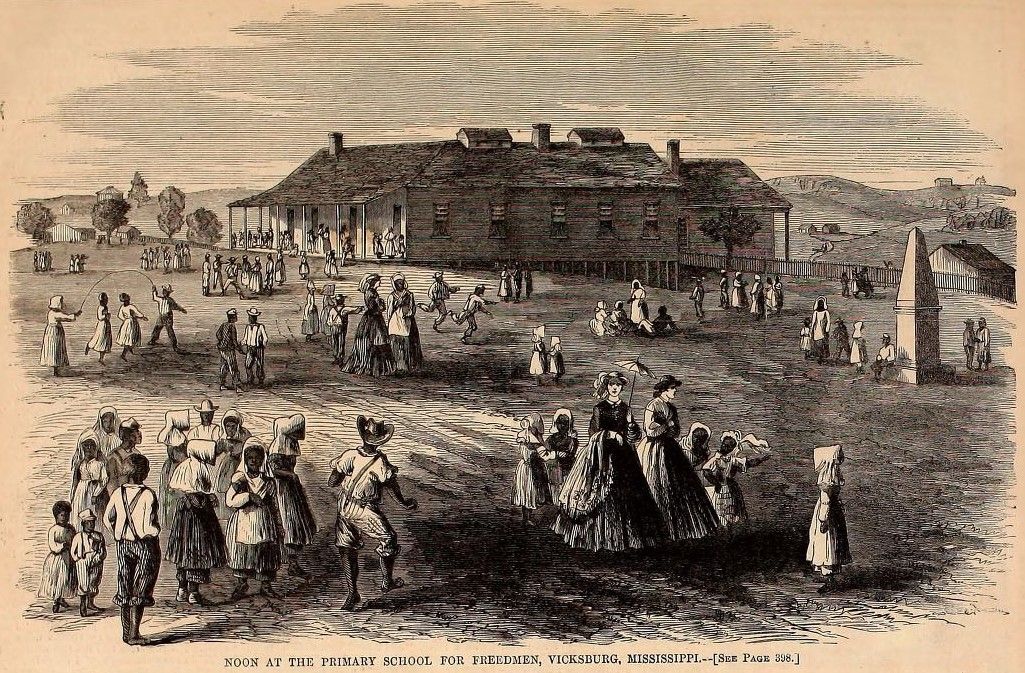
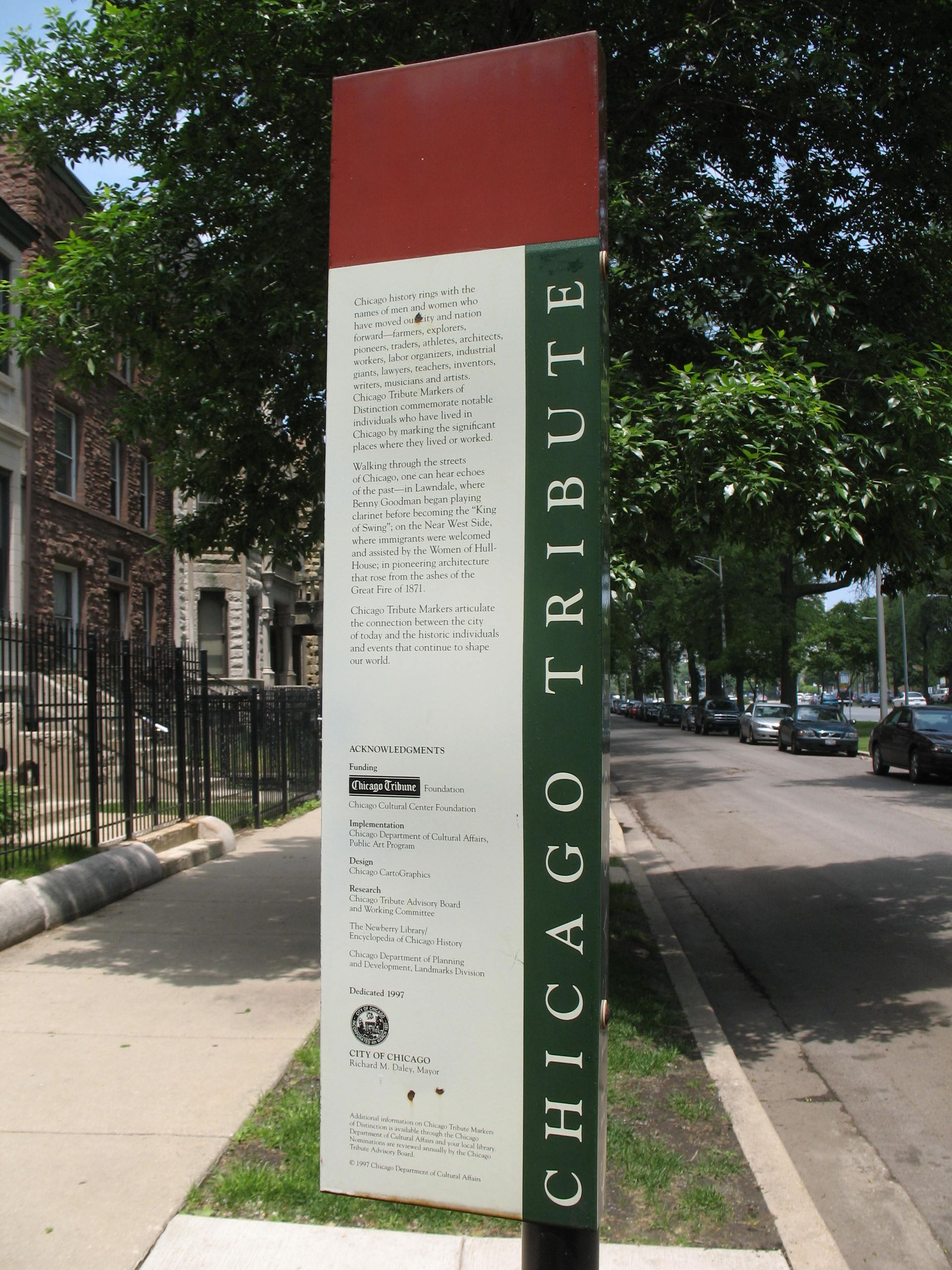
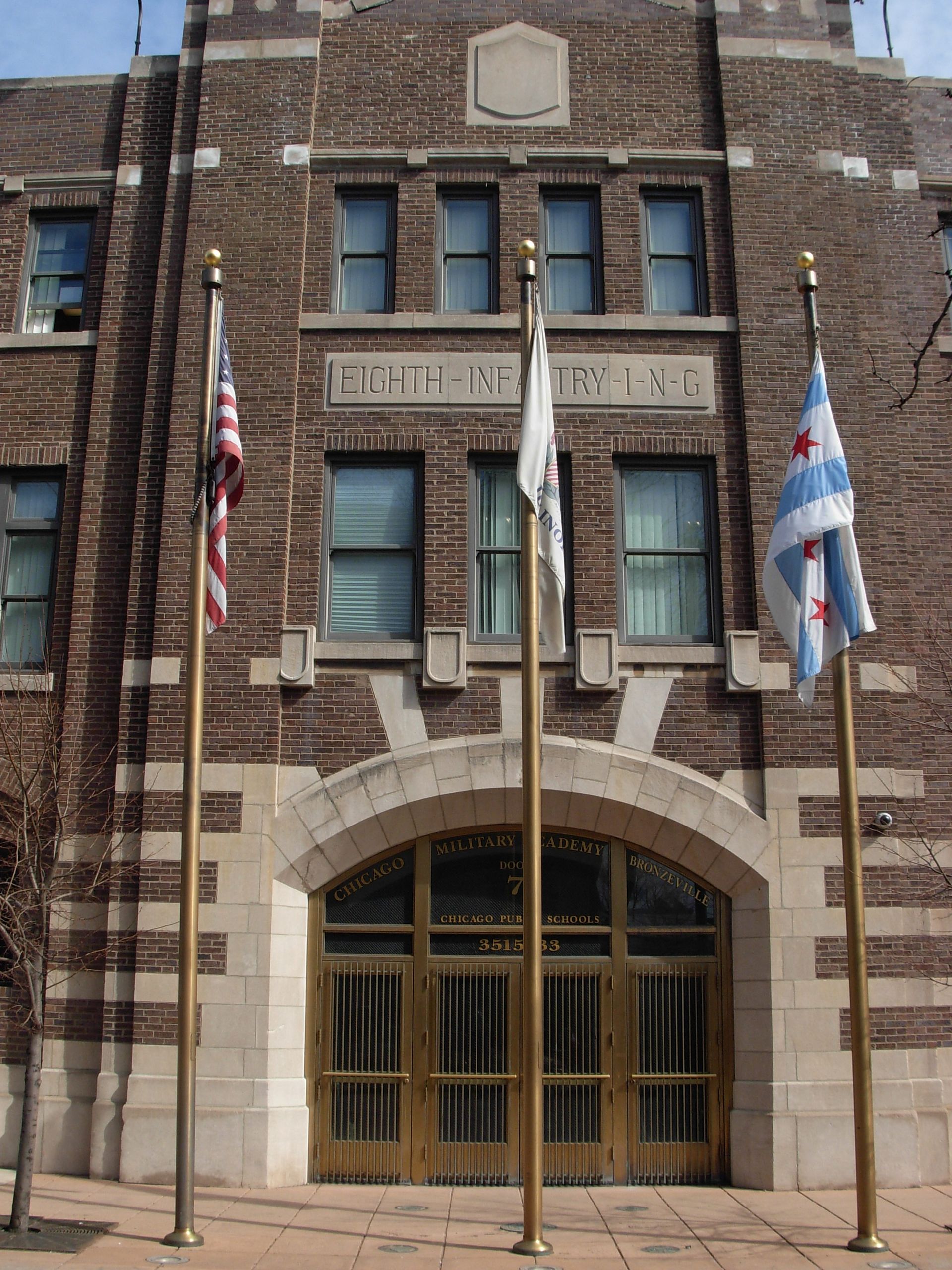
Where the learning happened — and who kept it. Photographs from the CultureTechLens research record — rights-cleared, credited, and cited like everything else here.
Trust & evidence
Evidence before authority. CultureTechLens publishes its methods, its limits, and its corrections alongside its findings. Claims carry grades — VERIFIED, SUPPORTED, PROVISIONAL, DISPUTED, UNRESOLVED — and unknowns are never reported as zero.
Every claim graded. Every source named. Every correction public — none to date.