 CULTURETECHLENS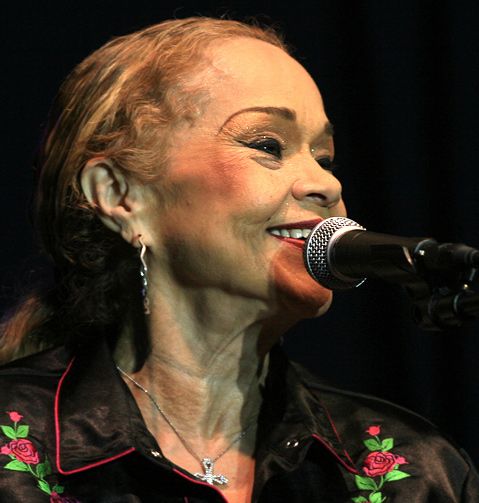
Photo: John K. Addis, CC BY-SA 3.0, via Wikimedia Commons
An editorial by CultureTechLens. "Culture, Clearly Seen." October 5, 2026.
The 2026 Chicago Cubs scored 850 runs. More than any team in baseball. They won 89 games across six months, survived the streaks and slumps of a 162-game season, and backed into October the hard way — clinching in the final days, fourteen games behind Milwaukee, boarding a plane to San Diego as the five seed.
Then they scored one run. In two games. And went home.
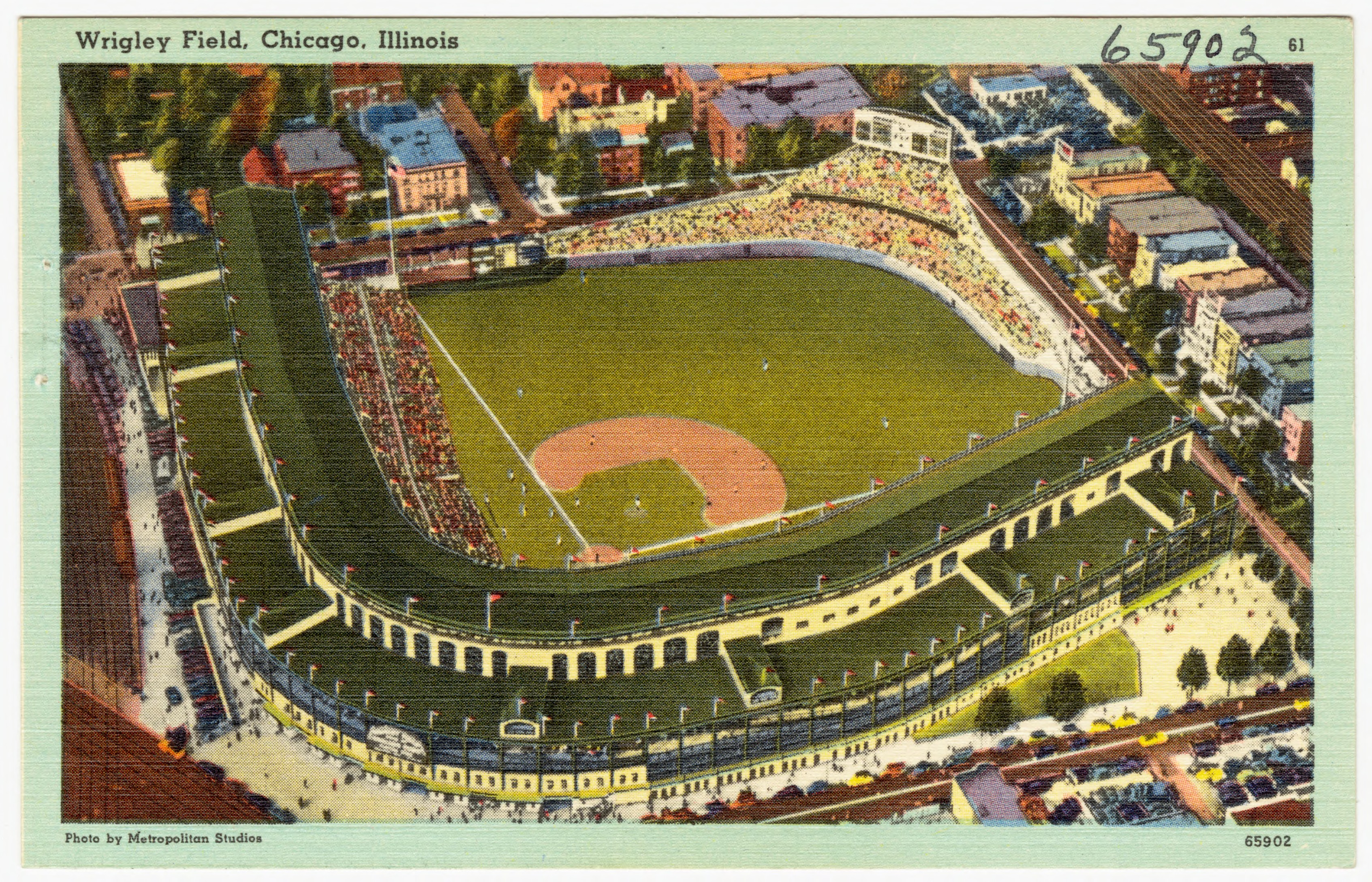
If that doesn't smell right to you, it's because it isn't. Not the losing — losing is baseball. It's the math. One hundred sixty-two games to prove who you are, and two cold nights to forget it.
Baseball is the long grind. That's the whole moral architecture of the sport. Football gets seventeen coin flips; basketball gets a tournament. Baseball gets six months — the daily proof, the rotation exposed, the bullpen taxed, the lineup's true shape revealed over a thousand at-bats. The regular season isn't a prelude in baseball. It's the argument.
The Wild Card Series, best-of-three, turns that argument into a shrug. A team can spend half a year demonstrating it is the best offensive club in the sport and be erased by the randomness of eighteen innings. Pete Crow-Armstrong hit 45 home runs and stole 41 bases — one of six players in history to do both — and went hitless. Alex Bregman went hitless. Not because they forgot how to hit. Because baseball in small samples is chaos, and the format chose chaos.
The defense of the format is real, and we'd be dishonest not to say it: win your division. The Brewers won the Central going away and got the bye — coffee in the clubhouse while someone else played for their life. The Cubs didn't win the division. They earned the road. Nobody handed San Diego those wins; the Padres pitched brilliantly and deserved to advance.
But "deserved" is doing a lot of work there. Did the Padres prove they were the better team across a season? They proved they were the better team across two nights. In a sport whose entire identity is the opposite of that sentence.
Chicago knows this particular heartbreak in both directions. We watched 2016 — a team so clearly the best across 162 that October felt like confirmation, not lottery. And we've watched the other kind: seasons of genuine quality fed into a format that treats six months of evidence as a suggestion.
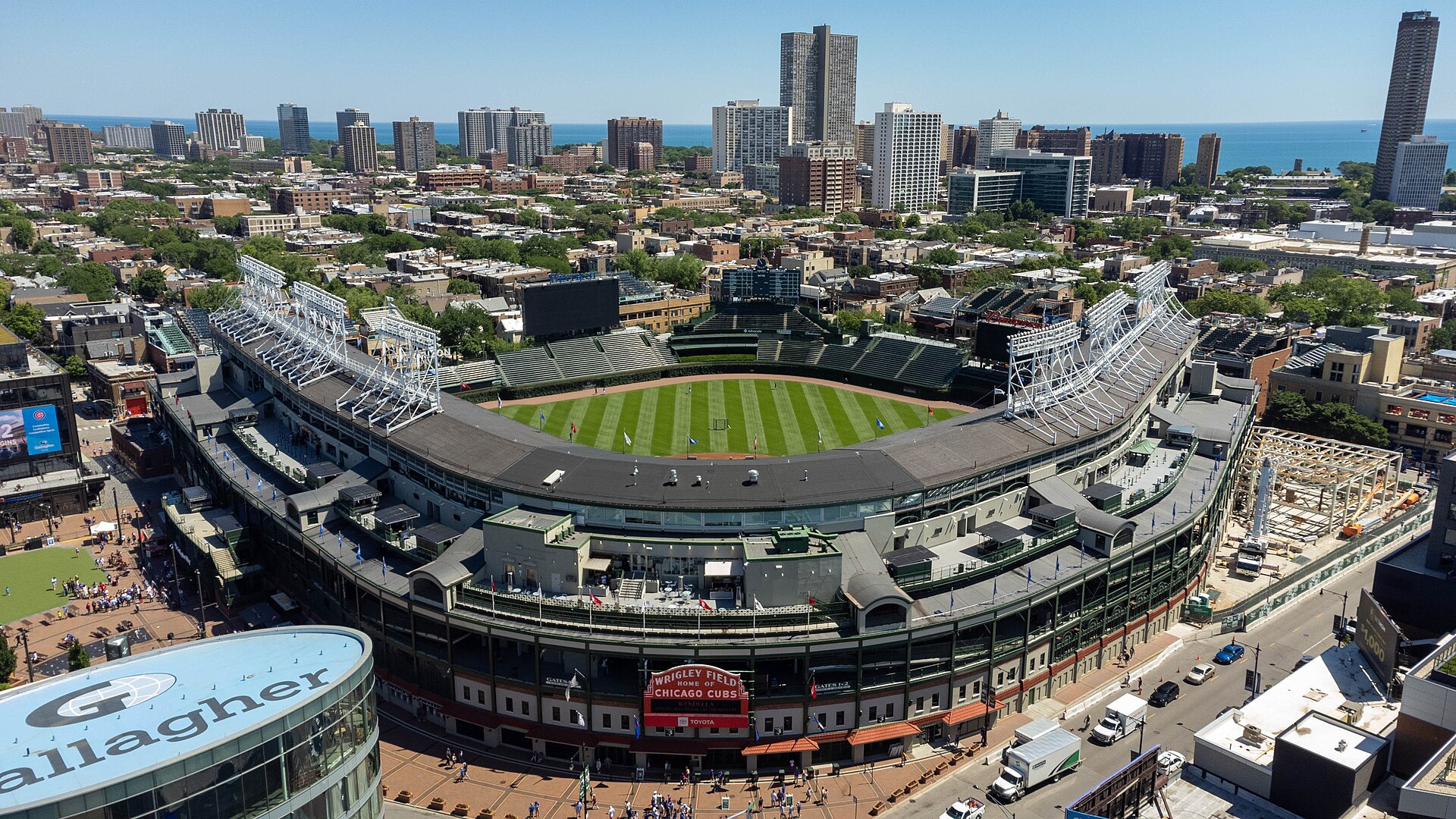
Here's what we'd ask the commissioner's office, through the lens we always use: what is the postseason for? If it's to crown the best team, the Wild Card round as constructed works against that goal — it maximizes variance at exactly the moment variance should matter least. If it's for television inventory and September relevance, fine — say so. But don't tell us the regular season is sacred and then let two games overrule it.
The Cubs' season deserved a better ending than a whimper in San Diego. Not a championship — an ending with weight. Eighteen innings isn't an ending. It's an interruption.
CultureTechLens. "Culture, Clearly Seen." Chicago-based Black cultural intelligence platform founded by William Maxey. https://culturetechlens.com*
Cite as: CultureTechLens, “Two Games and You’re Out: The Wild Card Format Robs Baseball of Its Soul,” October 5, 2026.
Source: Source: CultureTechLens.
CULTURETECHLENS · “Culture, Clearly Seen.” · Black Cultural Intelligence
From the Archive
The archive in pictures
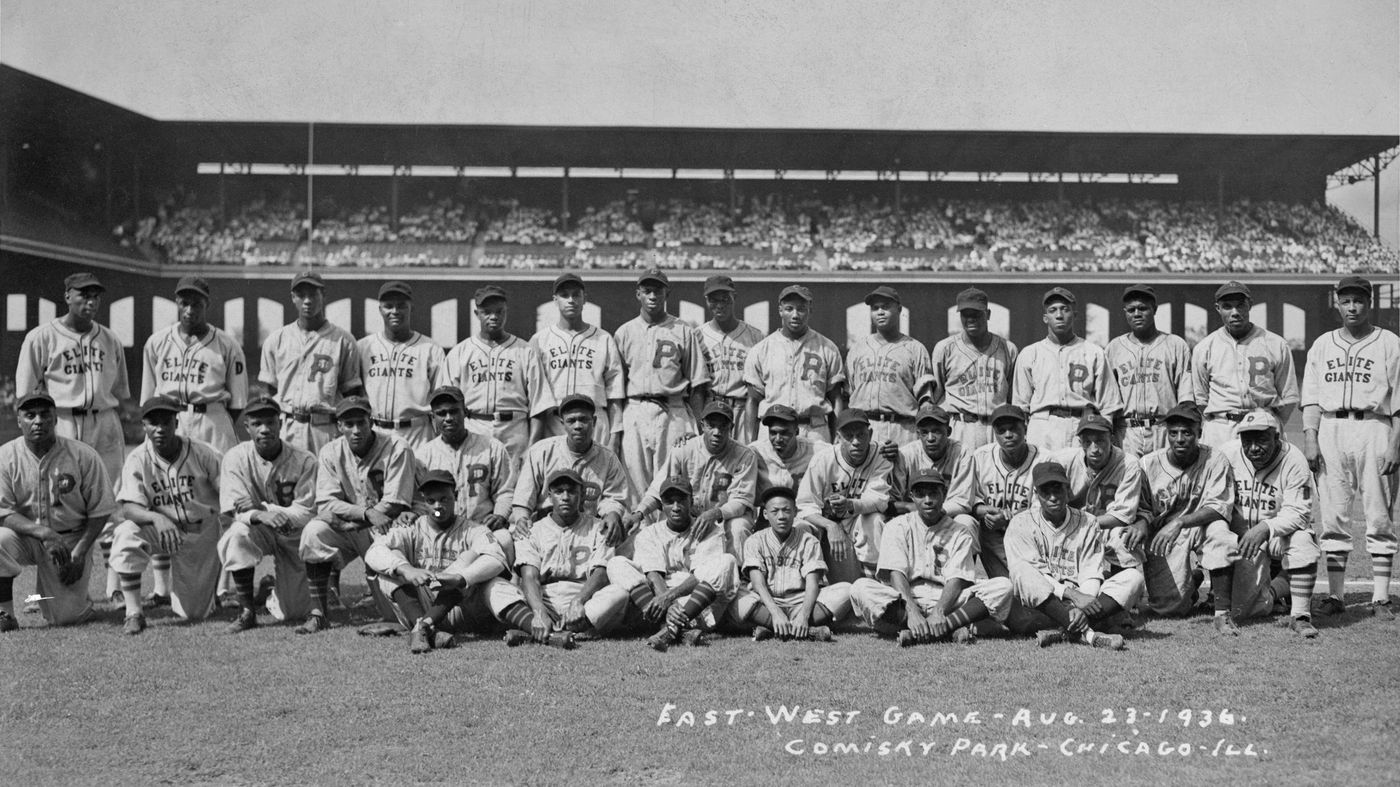
The roads out, the roads back, and the ground in between. Photographs from the CultureTechLens research record — rights-cleared, credited, and cited like everything else here.
Trust & evidence
Evidence before authority. CultureTechLens publishes its methods, its limits, and its corrections alongside its findings. Claims carry grades — VERIFIED, SUPPORTED, PROVISIONAL, DISPUTED, UNRESOLVED — and unknowns are never reported as zero.
Every claim graded. Every source named. Every correction public — none to date.