 CULTURETECHLENS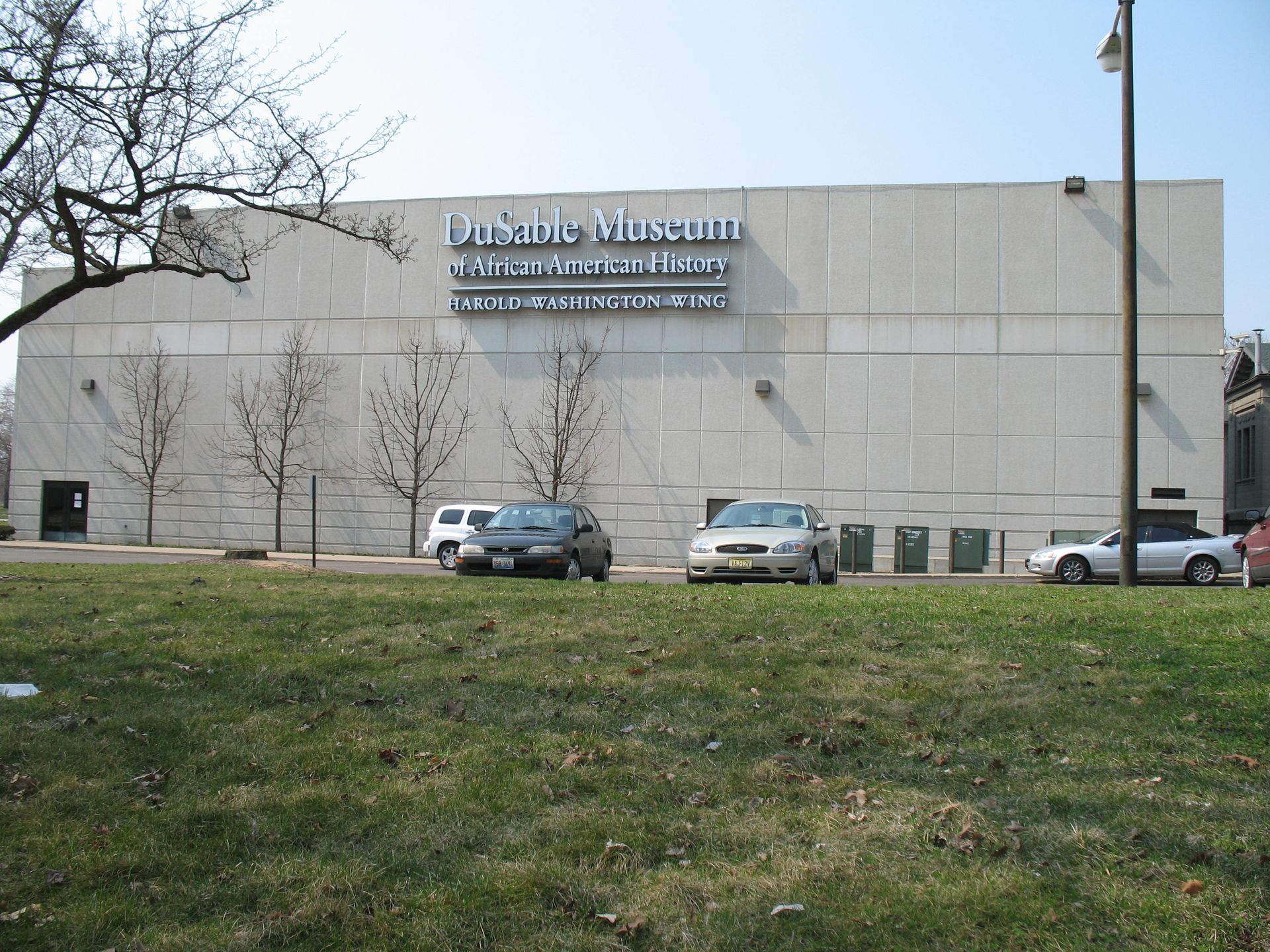
Photo: TonyTheTiger, CC BY-SA 3.0, via Wikimedia Commons
How to Read an Evidence Grade
Every claim on CultureTechLens carries a grade. Here is what each one means, with real examples from the archive.
Grades describe the strength of the evidence behind a claim — not how important the claim is, and not whether we like it. A grade can change when new evidence arrives. That is the point.
The five grades
VERIFIED — multiple independent sources agree
The claim is confirmed by more than one credible source, and the sources do not all trace back to a single origin. Example: the Johnson Publishing Company archive — the photographic and business archive of Ebony and Jet, four million-plus images — reached a bankruptcy auction in July 2019 and was purchased by a four-foundation consortium (Ford, Getty, MacArthur, Mellon) for just under $30 million. Reported by the Associated Press and the Columbia Journalism Review, among others.
SUPPORTED — solid sourcing, some corroboration
The claim rests on credible sourcing with partial independent confirmation. Strong enough to cite; not yet airtight. Example: the Marcus Freeman research dossier (CTL-RD-PER-000002): of 56 claims, 28 are graded SUPPORTED — documented, corroborated where the record allows, held short of VERIFIED where it does not.
PROVISIONAL — single-source or pending re-audit
The claim has a source, but only one — or the current state needs re-checking. Treat it as the best available account, not the final one. Example: photographer John Simmons’s life-work negatives burned in a friend’s garage during a move in 2025 — single-source reporting, sitting inside a fully VERIFIED pattern of collector loss. Also: the AFRO-American Newspapers archive’s current processing state, pending re-audit.
DISPUTED — the sources conflict
Credible sources disagree, and the disagreement is part of the record. Example: whether MySpace’s 2019 deletion of roughly 50 million songs was accident or cost-cutting — that the loss happened is not in question; the cause is DISPUTED. CTL records both sides and grades the conflict, not just the claim.
UNRESOLVED — no verifiable answer yet
The question is open and the record is silent. Example: A.A. Rayner & Sons, the Chicago funeral home founded in 1947 that handled Emmett Till’s funeral arrangements — no discoverable archive, finding aid, or records-transfer announcement. The single highest-value unresolved lead in the Memory Emergency corpus. UNRESOLVED is not a shrug; it is a flag that says someone should look here.
How grades appear
On every knowledge graph entity page, claims carry their grade as a label. On Index editions, the evidence-depth signal is built from graded claim counts. In research papers, grades appear in the text and the corpus tables — see the Black Memory Emergency, whose 70 timeline events are all graded VERIFIED.
Grades can change
A PROVISIONAL claim that gains a second source becomes SUPPORTED. A VERIFIED claim contradicted by new evidence becomes DISPUTED — and the conflict is preserved, not overwritten. When a claim is shown to be false, it is marked as a terminal outcome, never silently deleted. Corrections are logged at the corrections ledger.
Frequently asked
Who assigns the grades?
CultureTechLens researchers, under the founder’s review — and the Index methodology is under external peer review. The grades are published with the claims, so anyone can audit them.
Can I cite a PROVISIONAL claim?
Yes — cite it as provisional. “According to CultureTechLens (PROVISIONAL)…” tells your reader exactly how much weight to give it. That honesty is the feature.
Why not just publish what you’re sure about?
Because the gaps are the story. Marking something UNRESOLVED — like the Rayner funeral-home records — is how an archive tells the next researcher where to dig.
Source: CultureTechLens
From the Archive
The archive in pictures
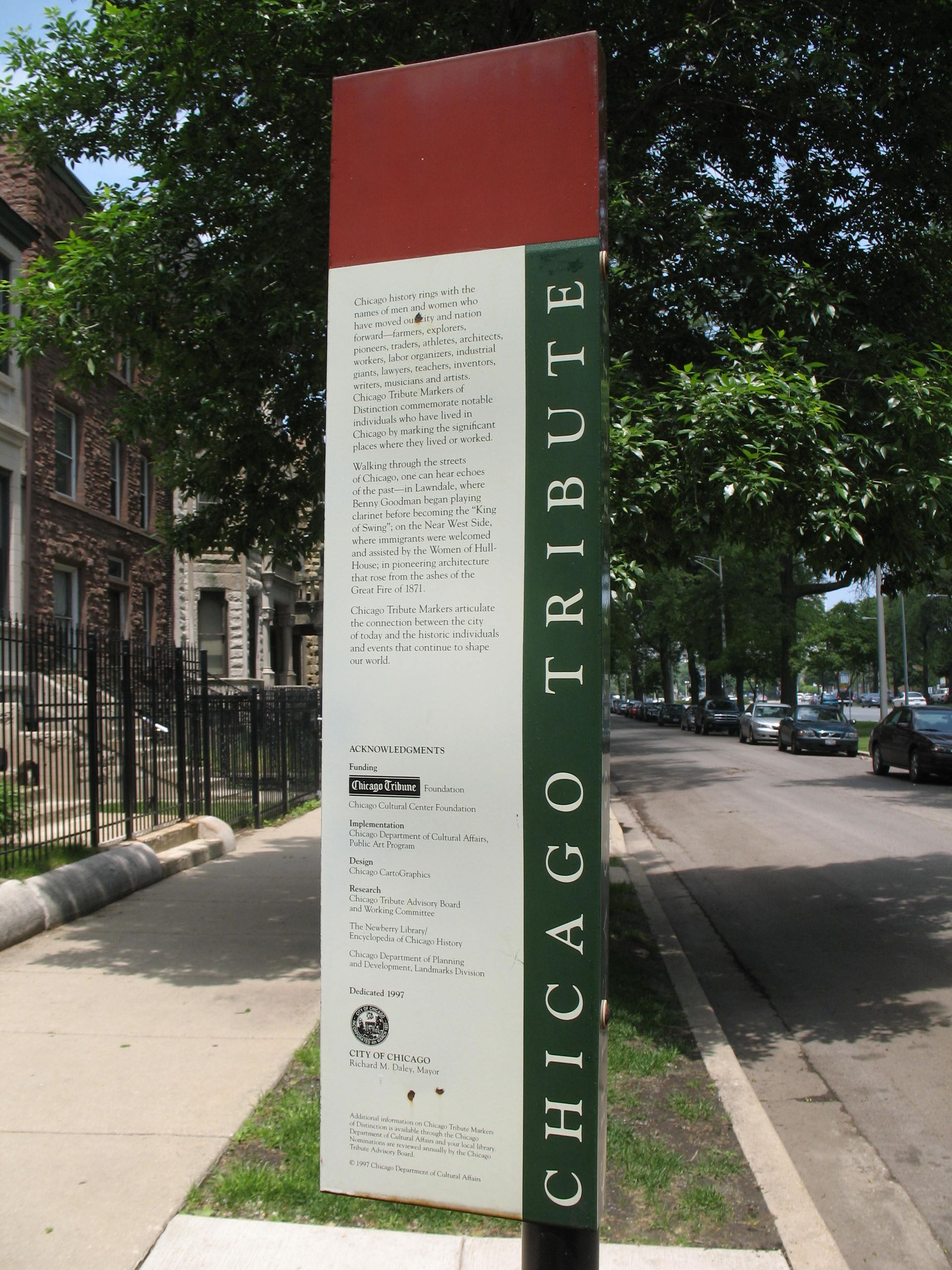
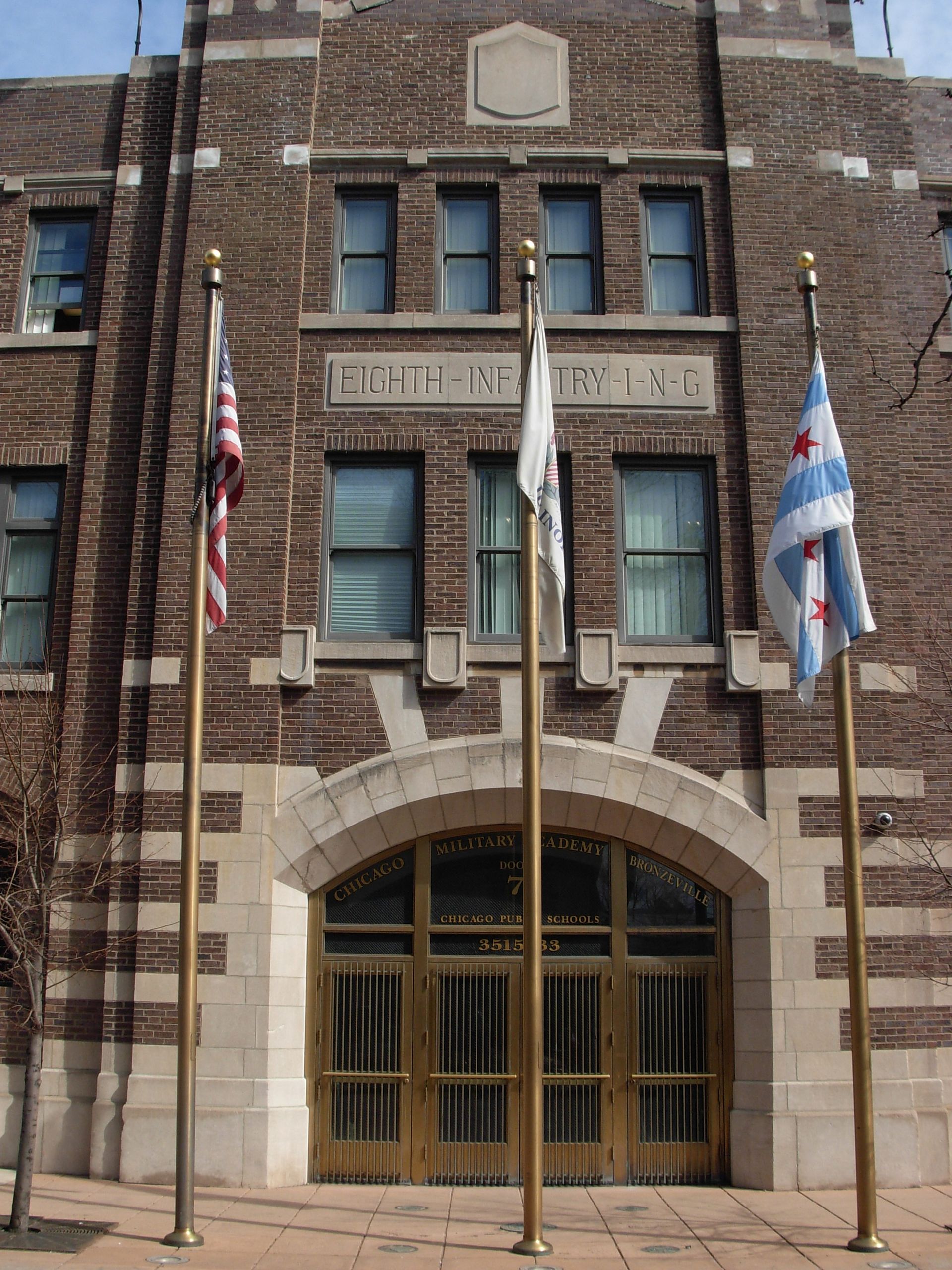
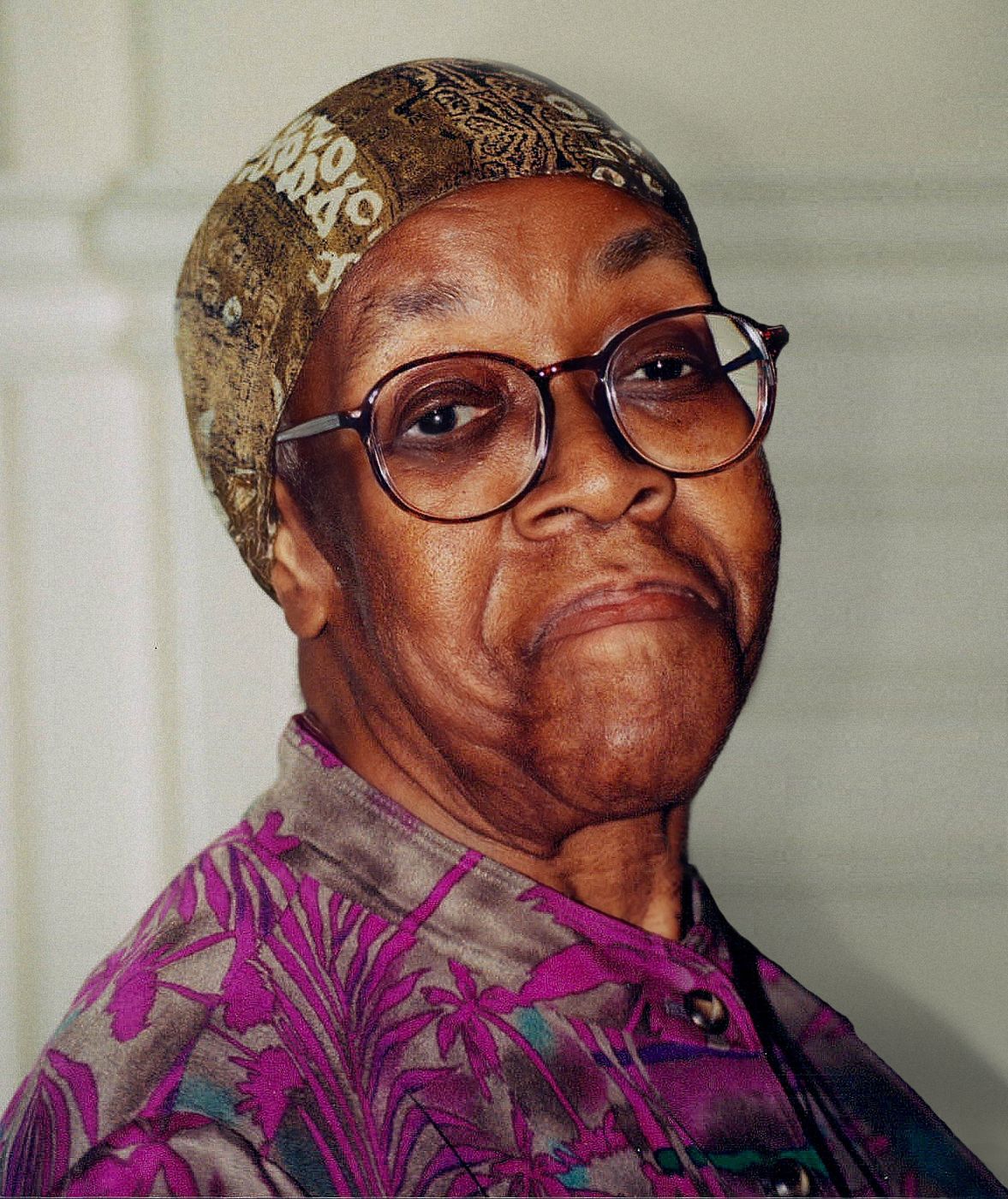
Where the learning happened — and who kept it. Photographs from the CultureTechLens research record — rights-cleared, credited, and cited like everything else here.
Trust & evidence
Evidence before authority. CultureTechLens publishes its methods, its limits, and its corrections alongside its findings. Claims carry grades — VERIFIED, SUPPORTED, PROVISIONAL, DISPUTED, UNRESOLVED — and unknowns are never reported as zero.
Every claim graded. Every source named. Every correction public — none to date.