 CULTURETECHLENS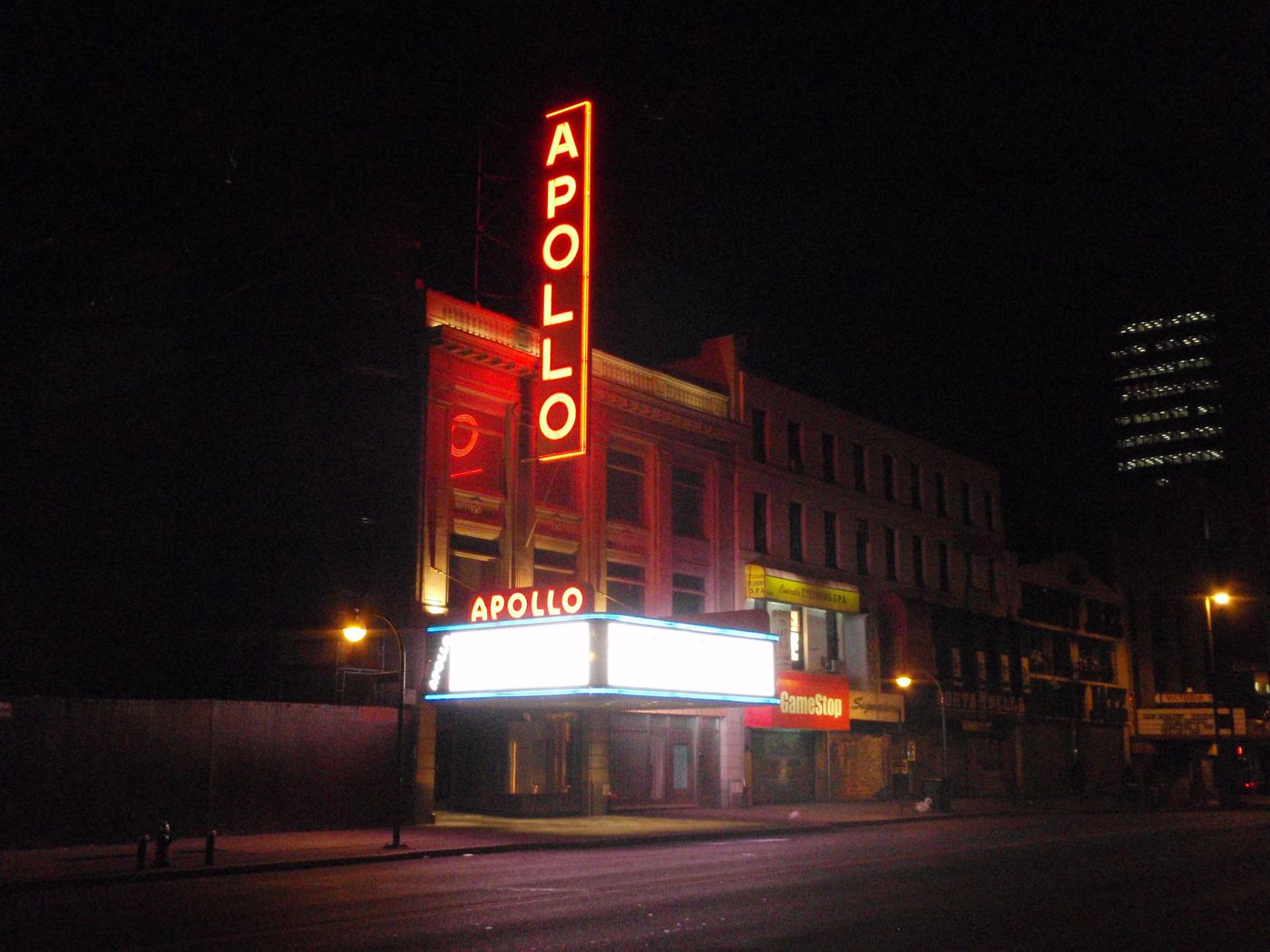
Photo: Hans Joachim Dudeck, CC BY-SA 3.0, via Wikimedia Commons
The Definitive Guide to Teaching Black Cinema
Last reviewed: 2026-09-30
Maintenance note: this guide is reviewed when (a) the underlying research package — CultureTechLens, Black Cinema Filmographies, 2026-09-30 — adds or corrects entries, (b) classroom streaming/rights availability for key titles changes materially, or (c) new scholarship reshapes how any of the six movements is taught. Entries flagged for verification at a review should be re-checked before you build a syllabus around them.
Why teach Black cinema as movements, not masterpieces
Black cinema rewards a curator's framing, not a canonizer's. Teach it as a series of masterpieces and students get a playlist. Teach it as a series of movements — each responding to an industrial condition, a political moment, and a formal problem — and students get a method they can use on any film they will ever watch.
Six movements organize this guide, drawn from the CTL research package Black Cinema Filmographies (77 films, verified 2026-09-30). The arc runs through four generations of Black fiction filmmaking — the L.A. Rebellion of the late 1960s–80s, the blaxploitation cycle of 1970–1976, the Black independent wave of the 1980s–90s, and the contemporary auteurs of the 2010s forward — with two cross-cutting lenses: the Black documentary tradition, which has run in parallel to all of them, and Chicago Black film, which shows how one city's migration history generated a screen history of its own.
The narrative, in one line: filmmakers who trained at UCLA and refused Hollywood (the Rebellion) watched their political energy get absorbed and redirected by the studios (blaxploitation); the next generation worked around the industry through independent financing and personal production companies (the 80s–90s independents); today's directors work at every scale from festival-intimate to streaming epic (the contemporary auteurs) — while documentary kept asking who films whom, and Chicago kept showing what one Great Migration city looks like on screen.
Each movement's films were selected for historical significance, formal innovation, or representative value — not as a ranking. Television is excluded throughout, including from the Chicago section; that is a scope decision, not a judgment.
Movement-by-movement walkthrough
1. The L.A. Rebellion
Black filmmakers who studied at UCLA from the late 1960s through the 1980s, working outside Hollywood with neorealist and Third Cinema influences. The term was coined by critic Clyde Taylor. Their films center Black community life — labor, family, ritual, migration — with location shooting, nonprofessional actors, and episodic structures.
Anchor films:
- Killer of Sheep (1978) — Charles Burnett. A Watts slaughterhouse worker's inner life, shot on weekends over 1972–75 for roughly $10,000. The movement's defining work; music-rights costs kept it from theatrical release for decades before its 2007 restoration. Named to the National Film Registry in 1990.
- Passing Through (1977) — Larry Clark. A jazz musician battles an exploitative record industry, with music by Horace Tapscott. Jazz functions as both subject and formal principle — the movement's fullest statement on Black music as resistance.
- Emma Mae (1976) — Jamaa Fanaka. A young Southern migrant woman navigates Los Angeles; one of the few Rebellion features to secure commercial distribution. Teach it as the bridge case: the movement and the exploitation circuit, side by side.
- Bush Mama (1979) — Haile Gerima. Shot in 1975 as Gerima's UCLA thesis and released in 1979. A Watts welfare mother is gradually radicalized; the film shifts from cinema vérité to Godardian agitprop, refusing the consolations of realist closure.
2. The Blaxploitation Era, 1970–1976
A commercial cycle in which Hollywood, chasing the profits of independent Black-audience hits, produced action, crime, and horror films with Black protagonists. The genre's politics remain contested: Black audiences and some critics celebrated its assertive heroes and economic power, while the NAACP, CORE, and others condemned its stereotypes and criminal imagery. Teach the contestation itself — it is the lesson.
Anchor films:
- Sweet Sweetback's Baadasssss Song (1971) — Melvin Van Peebles. Independently financed and X-rated; it proved the Black audience market and directly enabled the studio cycle. Formally insurgent, commercially pivotal.
- Shaft (1971) — Gordon Parks. MGM's Black private detective, scored by Isaac Hayes. Parks — the first major Black Hollywood director — made Black heroism bankable inside the studio system.
- Coffy (1973) — Jack Hill. Pam Grier's star-making turn as a nurse avenging her sister's heroin addiction. Feminist readings of Coffy's agency collide with the film's exploitation framing — the genre's central contradiction in a single performance.
- Super Fly (1972) — Gordon Parks Jr. A cocaine dealer seeks one last score and a way out. Curtis Mayfield's score functions as a moral counter-narrative to the images; the most cited text in the debate over whether the cycle glamorized or indicted the drug economy.
3. Black Independent Cinema, 1980s–1990s
After the blaxploitation cycle collapsed, a new generation worked through independent financing, festival circuits, and eventually studio deals. Spike Lee's model — a personal production company inside the industry — became the template. The range runs from satire to hood drama to Black feminist epic.
Anchor films:
- She's Gotta Have It (1986) — Spike Lee. Shot for roughly $175,000; Lee's debut centers a Black woman's sexual autonomy in Brooklyn. Its commercial success launched both Lee's career and the modern Black independent wave.
- Do the Right Thing (1989) — Spike Lee. One hot day in Bedford-Stuyvesant: saturated color, direct address, and a moral argument the film refuses to resolve — which fueled its critical controversy.
- Daughters of the Dust (1991) — Julie Dash. The first feature with wide U.S. release directed by a Black woman. Set among the Gullah of the Sea Islands in 1902; its nonlinear, matriarchal narrative rejected Hollywood storytelling, and its visual language later surfaced in Beyoncé's Lemonade.
- Boyz n the Hood (1991) — John Singleton. A South Central Los Angeles coming-of-age story that made the 24-year-old Singleton the youngest Best Director Oscar nominee at the time. It mainstreamed the hood drama while insisting on the structural causes behind its violence.
4. Contemporary Black Auteurs
From the 2010s forward, Black filmmakers worked at every scale — festival intimate, studio franchise, streaming epic — with genre (horror, the biopic, the western-inflected crime film) as a recurring vehicle for historical argument. Awards breakthroughs accompanied, but did not define, the period.
Anchor films:
- Get Out (2017) — Jordan Peele. Horror as racial satire. Made for $4.5 million, it earned $255 million and the Original Screenplay Oscar, reviving Black horror as a commercial and critical category.
- Moonlight (2016) — Barry Jenkins. A triptych portrait of Black queer masculinity in Miami; color and silence do the emotional work. Its Best Picture win marked an institutional threshold.
- Selma (2014) — Ava DuVernay. The 1965 voting-rights campaign, the first studio film over $20 million directed by a Black woman. DuVernay centers movement organizing rather than great-man myth — a historiographic choice scholars continue to cite.
- Sinners (2025) — Ryan Coogler. Twin brothers open a juke joint in the 1932 Mississippi Delta and confront vampires. Coogler treats the blues as historical memory — music as the film's theory of Black survival — inside an original-IP blockbuster.
5. The Black Documentary Tradition
From newsreel evidence to the essay film, Black documentary has asked who films whom — and what footage can prove. The tradition runs through civil rights, music, and observational portraiture, with recurring tension between Black authorship and sympathetic outside direction. Use it as the cross-cutting lens: pair documentary weeks against any fiction movement.
Anchor films:
- The Murder of Fred Hampton (1971) — Howard Alk. Shot inside Hampton's Chicago apartment before and after the 1969 police raid; the footage contradicted the official account of a "shootout." Documentary as legal and political evidence.
- Hoop Dreams (1994) — Steve James. Five years with Chicago teenagers Arthur Agee and William Gates. Its Oscar documentary-snub controversy reshaped the Academy's nonfiction rules — and raises the authorship question every teacher should put on the table.
- 13th (2016) — Ava DuVernay. From slavery to mass incarceration via the Constitution's punishment loophole. Montage functions as argument.
- Summer of Soul (2021) — Questlove. The 1969 Harlem Cultural Festival, from footage shelved for fifty years. Recovering the archive reframed festival history and won the documentary Oscar.
6. Chicago Black Film
Films by or about Black Chicago — the South and West Sides as setting, subject, and production reality. The Great Migration city generated its own screen history, from Hansberry to the present. Teach Chicago as the second cross-cutting lens: every national movement has a Chicago inflection, and Chicago has stories none of the national movements cover.
Anchor films:
- A Raisin in the Sun (1961) — Daniel Petrie. Lorraine Hansberry's play about the Younger family and a South Side housing covenant. The first Broadway play by a Black woman brought to film; its housing politics remain the city's foundational screen text.
- The Spook Who Sat by the Door (1973) — Ivan Dixon. Sam Greenlee's novel of a Chicago man who infiltrates the CIA and turns its training against the state. Suppressed after release — Black Power cinema's most militant studio-adjacent text.
- Cooley High (1975) — Michael Schultz. Cabrini-Green teenagers in 1964, from Eric Monte's script. Chicago's coming-of-age touchstone.
- Love Jones (1997) — Theodore Witcher. Chicago's neo-soul scene frames a Black bohemian romance of poets and photographers — the defining Black romance of its decade, built on jazz, verse, and the city's nightlife.
How to teach with it
One-film-per-week semester spine
Sixteen weeks, one anchor film per week, alternating fiction and documentary, with Chicago woven in rather than isolated:
- Killer of Sheep (1978) — Charles Burnett — movement launch
- A Raisin in the Sun (1961) — Daniel Petrie — Chicago as origin point (out of chronology on purpose: the question of where the city enters the story)
- Sweet Sweetback's Baadasssss Song (1971) — Melvin Van Peebles — the commercial rupture
- Coffy (1973) — Jack Hill — the genre's central contradiction
- The Murder of Fred Hampton (1971) — Howard Alk — evidence vs. official account
- Passing Through (1977) — Larry Clark — music as formal principle
- She's Gotta Have It (1986) — Spike Lee — the independent template
- Hoop Dreams (1994) — Steve James — longitudinal observation, and who gets to observe
- Do the Right Thing (1989) — Spike Lee — the unresolvable moral argument
- Daughters of the Dust (1991) — Julie Dash — feminist epic, anti-Hollywood form
- 13th (2016) — Ava DuVernay — montage as argument
- Boyz n the Hood (1991) — John Singleton — structure behind the violence
- Selma (2014) — Ava DuVernay — organizing, not myth
- Moonlight (2016) — Barry Jenkins — interiority over spectacle
- Get Out (2017) — Jordan Peele — genre as historical argument
- Sinners (2025) — Ryan Coogler — the blues as memory; where the arc stands now
Double-feature pairings across movements
- Killer of Sheep (1978) — Charles Burnett, with Cooley High (1975) — Michael Schultz. Neorealist Watts meets Cabrini-Green coming-of-age: two regional answers to the same decade.
- Sweet Sweetback's Baadasssss Song (1971) — Melvin Van Peebles, with Sorry to Bother You (2018) — Boots Riley. DIY commercial insurgency, five decades apart — what changed in the financing, what didn't in the anger.
- The Murder of Fred Hampton (1971) — Howard Alk, with 13th (2016) — Ava DuVernay. Evidence documentary then and now: from the camera as witness to the montage as argument.
- Passing Through (1977) — Larry Clark, with Summer of Soul (2021) — Questlove. Black music as resistance text and as recovered archive.
- Do the Right Thing (1989) — Spike Lee, with Candyman (1992) — Bernard Rose. One hot Brooklyn day, one haunted housing project: the city as pressure cooker in comedy-drama and horror.
Rights note
Many L.A. Rebellion titles circulate through two key sources: the UCLA Film & Television Archive, which restored the films and produced the three-disc educational DVD anthology L.A. Rebellion: Creating a New Black Cinema (2016 — free to archives, libraries, and educational institutions), and Milestone Films, which distributes restored editions — Killer of Sheep on DVD (2007) and Bless Their Little Hearts on Blu-ray (July 2024) — and streams select titles for individual home viewing via its milestone.vhx.tv storefront. As of September 2026 there is no single subscription service carrying the full movement, so confirm each title's current streaming home before building a syllabus. Blaxploitation and 1980s–90s studio-era titles cycle through standard commercial streaming and institutional library licensing: Swank Motion Pictures (Swank Digital Campus, which licenses feature films to colleges and universities for classroom and course streaming) and Kanopy (an institution-licensed streaming platform widely used by university libraries for course screenings) are both real, active licensing channels — check your library's catalog, since licensed titles rotate and expire. Contemporary titles are the most consistently available; documentary titles vary by platform. For classroom screening, check your institution's licensing first — fair use covers excerpted teaching clips, not full public screenings.
Discussion seeds
- The L.A. Rebellion trained at UCLA but rejected Hollywood conventions. What does that tell us about whether institutions produce or merely credential artists?
- Blaxploitation's defenders and critics both claim the films "speak for" Black audiences. Using two anchor films as evidence, what is the strongest case each side can make — and who, finally, gets to decide what the genre means?
- Julie Dash appears in both the Rebellion and the 80s–90s independent sections (via Illusions and Daughters of the Dust). What does her career trajectory reveal about the pipeline for Black women directors across two decades?
- Several anchor films use music as more than soundtrack — as narrative structure (Passing Through), moral counter-argument (Super Fly), or historical theory (Sinners). How does that formal choice change what a film can argue?
- The documentary section repeatedly stages a conflict between Black authorship and sympathetic outside direction. Where do you draw the line between allyship and appropriation in nonfiction filmmaking — and does Hoop Dreams fall on your line or across it?
- Chicago appears as setting, subject, and production reality. Pick one Chicago film and one film from any other section set in a different city: does the city function as background, character, or argument?
Assignment seeds
- Evidence before taste. Students pick one anchor film and write a 750-word case for its significance using only historical context, formal qualities, and documented reception — no personal-opinion sentences allowed. Peer review flags any claim made without evidence.
- Cross-movement double feature. In pairs, students program two films from two different sections (one must be documentary or Chicago) and write a 500-word program note arguing what the pairing reveals about both.
- The missing movement. Students propose a seventh section — television, music video, the web series, the African diaspora — and defend it in a 10-minute presentation: which five films or works anchor it, and what selection criteria would they use?
Where to go deeper
- The source research package: CultureTechLens, Black Cinema Filmographies, 2026-09-30 — the full 77-film scholarly-annotated filmography this guide is built on. Available in the CultureTechLens research repository.
- Educator scaffolding: CultureTechLens, Teaching Black Cinema: 77 Films (OER), 2026-09-30 — learning objectives, high school / undergraduate / adult-education fit, and two classroom activities, in the same research repository.
- How to Cite Us: https://culturetechlens.com/how-to-cite-us/
- The public research repository: https://github.com/culturetechlens-cpu/culturetechlens-research
How to cite this guide
Chicago — CultureTechLens. "The Definitive Guide to Teaching Black Cinema." September 30, 2026. https://culturetechlens.com/guide/teaching-black-cinema/.
APA — CultureTechLens. (2026, September 30). The definitive guide to teaching black cinema. https://culturetechlens.com/guide/teaching-black-cinema/.
MLA — CultureTechLens. "The Definitive Guide to Teaching Black Cinema." 30 Sept. 2026, culturetechlens.com/guide/teaching-black-cinema/.
Frequently asked questions
Is this a "greatest films" list?
No. The 77 films were selected for historical significance, formal innovation, or representative value within their movement — not as a ranking. The guide's structure is the argument: movements, conditions, and forms, not a top-ten.
Why is television excluded?
Scope, not judgment. Black television — from sitcoms to prestige drama — is large enough to need its own research package, and mixing it into a cinema syllabus would blur the industrial distinctions the guide teaches students to see. A seventh section (or a companion guide) can cover it.
Can I show these films in a classroom?
Usually yes, with a license. Your institution's media licensing (Swank, Kanopy, or a library streaming collection) covers most classroom screenings; fair use covers excerpted teaching clips, not full public screenings. Streaming availability changes; confirm current licensing before syllabus day.
Where do I start with the L.A. Rebellion?
Killer of Sheep (1978) — Charles Burnett, the movement's defining work — then Bush Mama (1979) — Haile Gerima for its political edge, and Illusions (1982) — Julie Dash for the feminist strand. Those three give you the movement's aesthetic range in under four hours.
How long is the full sequence?
Sixteen weeks at one film per week, with discussion. A six-week unit works too: one section per week, using the anchor films named above.
Who is this guide for?
Film and media studies instructors, African American Studies faculty, high school teachers building electives, and community educators running screening series. No prior film-studies background is assumed of students; the discussion seeds scale up or down.
Source: CultureTechLens
Trust & evidence
Evidence before authority. CultureTechLens publishes its methods, its limits, and its corrections alongside its findings. Claims carry grades — VERIFIED, SUPPORTED, PROVISIONAL, DISPUTED, UNRESOLVED — and unknowns are never reported as zero.