 CULTURETECHLENS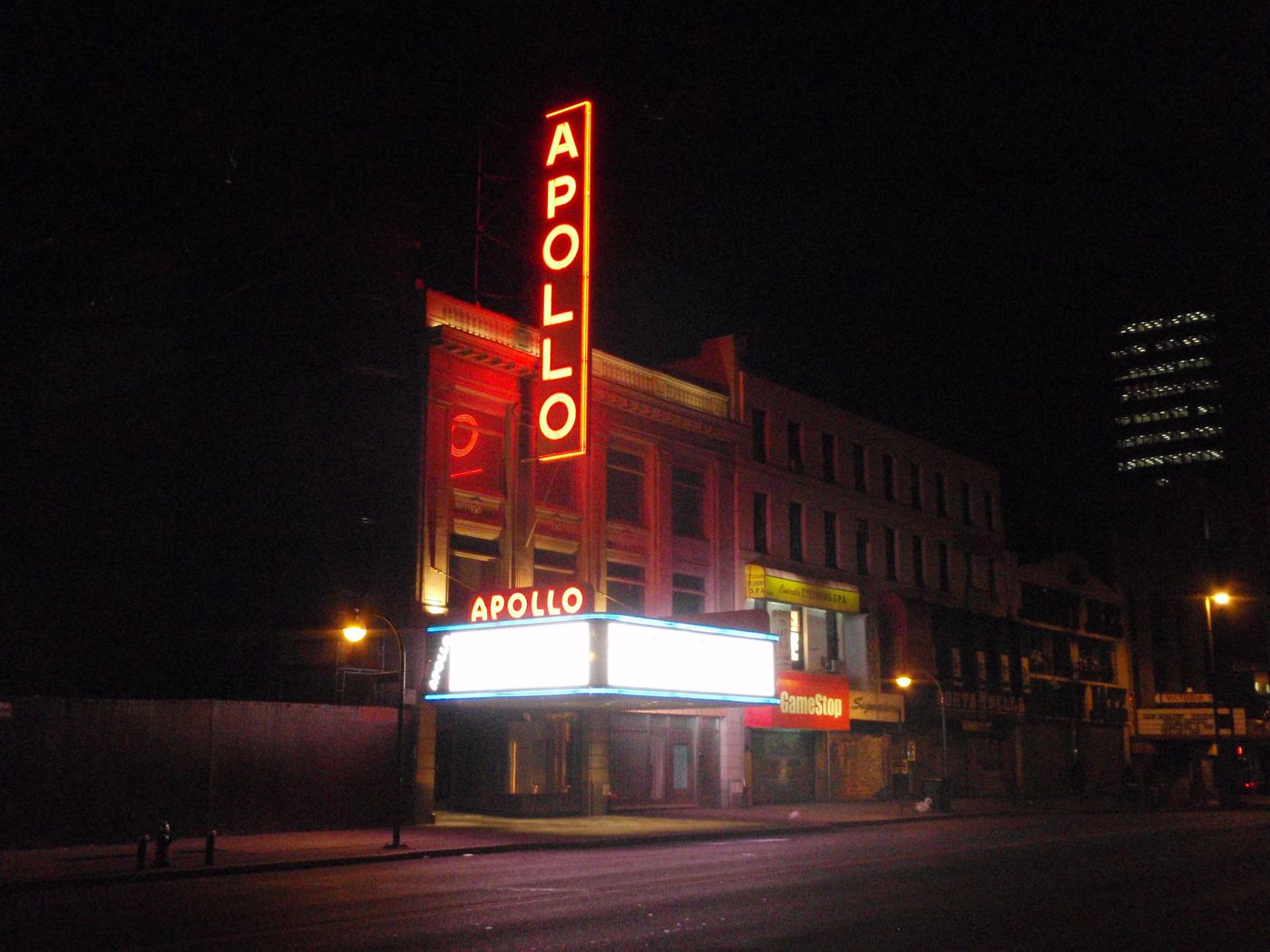
Photo: Hans Joachim Dudeck, CC BY-SA 3.0, via Wikimedia Commons
CULTURETECHLENS · “Culture, Clearly Seen.” · Black Cultural Intelligence
Sound Award — Methodology
This page is the complete, published rulebook for the CTL Sound Award: who is eligible, how albums are judged, where the scores come from, what we could not verify, and the judgment calls we made anyway. It is versioned with each cycle; corrections are logged, not erased.
1. Eligibility
- Release window. The album’s first commercial release must fall inside the cycle’s eligibility window. Inaugural 2026 cycle: January 1 – September 30, 2026. Releases from October–December 2026 roll into the 2027 cycle, so the December winner is never chosen before the year’s music is done arriving.
- Studio albums. Full-length studio albums only. EPs, mixtapes, live albums, compilations, and reissues are not eligible — however strong. (This is why Tems’ Love Is a Kingdom, a November 2025 EP, sits outside the program even where it was award-nominated elsewhere.)
- Black music, broadly and honestly drawn. The artist is Black, or the album’s primary cultural contribution sits in a Black music tradition — R&B, hip-hop, soul, jazz, gospel, house/Afro-house, Afrobeats, reggae and dancehall, blues, funk, and the diaspora forms they seed. Edge cases are decided on the record: Genesis Owusu is an Australian artist of Ghanaian heritage making alternative hip-hop rooted in Black musical language — included, with the call stated here.
- No posthumous assembly jobs. Albums completed and released by the artist in the cycle. Archival compilations marketed as albums are excluded.
2. The judging lanes
Albums are first judged against their own tradition, then compared across lanes for the final award. The 2026 lanes:
Hip-hop
Albums whose primary language is rap — from mainstream to alternative to underground.
R&B / Soul
Contemporary R&B, soul, and quiet-storm traditions.
Jazz
Including jazz-funk, spiritual jazz, and jazz-rooted crossover.
Gospel
Traditional and contemporary gospel.
House / Afro-house
House in its Black American and South African lineages.
Afrobeats
Afrobeats, Afrofusion, and adjacent West African popular forms.
Diaspora & electronic
Black British, Caribbean, and electronic traditions — jungle, grime-adjacent, dancehall-rooted — that do not sit cleanly in the other lanes.
Open lane
For records that cross traditions honestly — country, rock, or pop by Black artists working in Black musical language. Used sparingly, and the reasoning is always published.
3. The scoring model
Critical consensus — 40%. Verified aggregate scores (Metacritic, AnyDecentMusic, AlbumOfTheYear.org user ratings) and scored reviews from established publications (Pitchfork, Clash, Exclaim!, Consequence, Paste, PopMatters, NME, and comparable outlets). Each score is attributed to the outlet that reported it.
Cultural impact — 30%. Chart performance (Billboard and national charts), award nominations and wins, touring footprint, and documented cultural moments — each tied to a source. Streaming totals are used only where a reliable source reports them.
CTL evidence depth — 30%. How deeply the album is documented in CTL’s own research corpus. This is the honest constraint in the model: CTL’s music coverage is young, and in the inaugural cycle this signal is thin for most entries. The methodology keeps the weight anyway — because the program should reward the music CTL can document, and because the gap is stated, not hidden.
4. The verification standard
A note on names. Scores labeled “AlbumOfTheYear.org user score” come from the independent music aggregator albumoftheyear.org, which is unaffiliated with CultureTechLens. The similar name is exactly why this program is called the CTL Sound Award.
5. The 2026 landscape
CTL does not judge in a vacuum. The 2026 cycle sits inside an award season already underway:
- 68th Annual Grammy Awards (February 2026). In the gospel categories, CeCe Winans and Shirley Caesar won Best Gospel Performance/Song for “Come Jesus Come,” and Darrel Walls & PJ Morton won Best Gospel Album for Heart Of Mine. These honors cover the Grammys’ preceding eligibility year — outside CTL’s inaugural window — which is why they appear here as landscape, not shortlist.
- Mercury Prize 2026. Shortlist announced ~July 2026; winner decided October 22, 2026, at the Utilita Arena, Newcastle. Shortlisted Black-music-relevant albums include Nia Archives’ Emotional Junglist — also on CTL’s shortlist — alongside Dave, Kojey Radical, RAYE, and Olivia Dean. Ezra Collective, whose Here Because Of Hope leads CTL’s verified critical signals, are past Mercury winners.
- 18th Headies (scheduled October 25, 2026, Toronto). Nominations span Burna Boy, Davido, Wizkid, Ayra Starr, Tems, Omah Lay, Tiwa Savage, and others — but the Headies and Grammy cycles honored 2024–25 releases (No Sign of Weakness, 5ive, Morayo), outside CTL’s 2026 window.
- CTL timeline: shortlist published October 2026; winner announced December 2026 with the complete scoring record — what won, what it beat, and why.
6. Coverage gaps — stated, not hidden
- House / Afro-house. No 2026 studio album in this lane surfaced with verified critical coverage. Kaya Jones and HouseNatic released the Afro-house album Choose Life (June 4, 2026; announced via press release), but no citable critical aggregate could be confirmed — it is noted here, not shortlisted.
- Afrobeats. 2026-release full albums are thin on the verified record; the year’s most-nominated Afrobeats records belong to prior release windows. The lane stays open and empty rather than filled with ineligible entries.
- Gospel critical coverage. CeCe Winans’ The Hymns (June 2026) is shortlisted on cultural weight and documented release; no aggregate critical score could be verified.
- Streaming data. Cultural-impact signals in the inaugural cycle lean on chart peaks, award nominations, and touring — reliable streaming totals were rarely available from citable sources. The program will weight verified streaming data more heavily as sourcing improves.
7. Judgment calls on the record
- Drake. Three albums arrived the same day (May 15, 2026) — MAID OF HONOUR (Metacritic 68), ICEMAN, HABIBTI — and ICEMAN topped Billboard’s Top R&B/Hip-Hop Albums chart. CTL excluded all three from the shortlist: the weakest verified critical signal on the board (68) against the year’s largest commercial footprint. The model means what it says — critical consensus is 40%, and it cut against the biggest name in the field.
- The Q4 exclusion. October–December 2026 releases are ineligible for the inaugural award and roll to 2027. A January-window program cannot honestly judge a year it has not finished hearing.
- Unranked shortlist. The October shortlist is presented unranked. Ranking is December’s work, published with the full scoring record.
- CTL evidence depth at 30%. Kept at full weight despite CTL’s young music corpus — the gap is disclosed in section 3 rather than engineered away.
How to cite this methodology
Chicago (17th):
APA (7th):
MLA (9th):
Source: CultureTechLens
Trust & evidence
Evidence before authority. CultureTechLens publishes its methods, its limits, and its corrections alongside its findings. Claims carry grades — VERIFIED, SUPPORTED, PROVISIONAL, DISPUTED, UNRESOLVED — and unknowns are never reported as zero.