 CULTURETECHLENS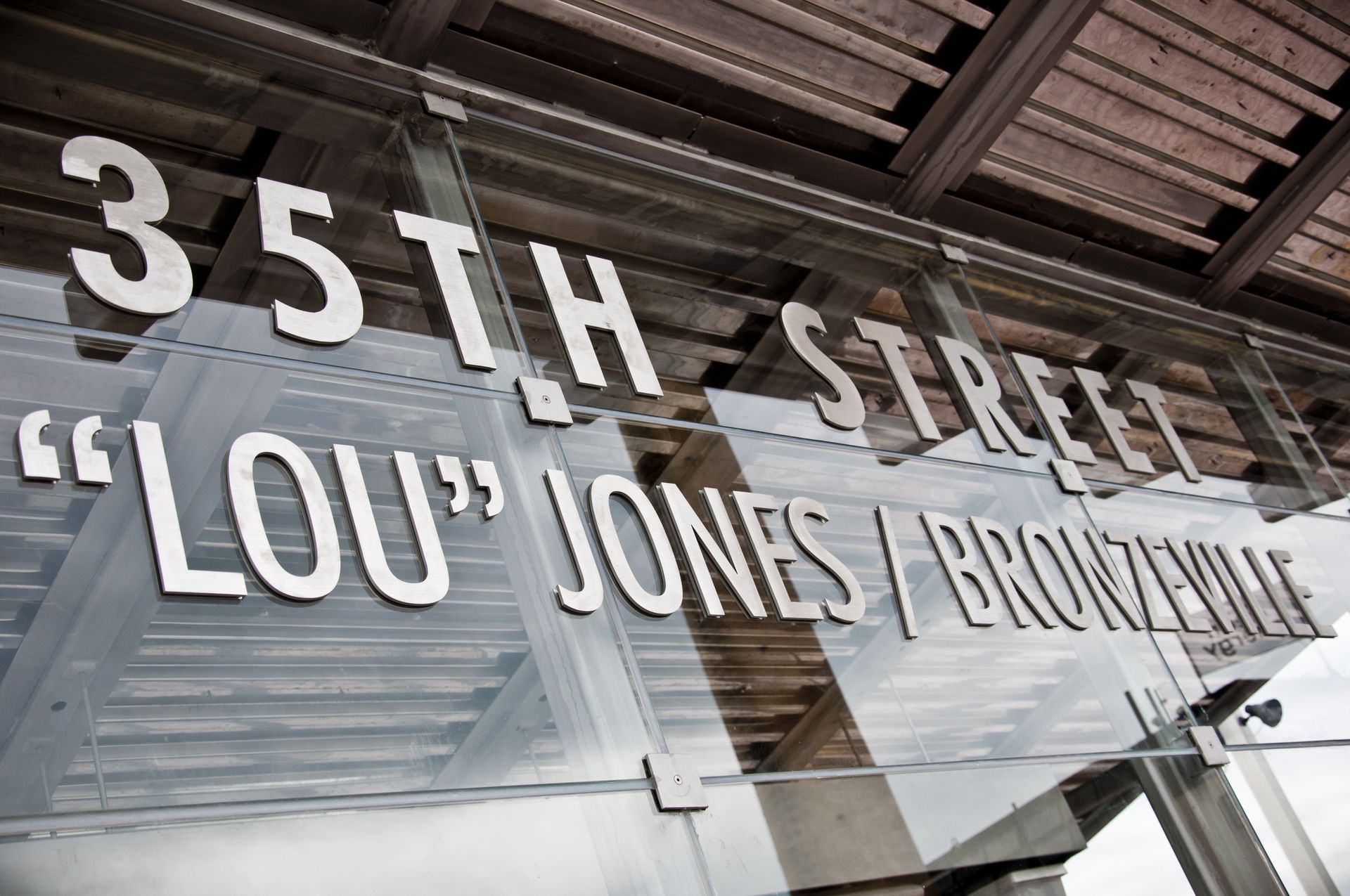
Photo: vxla (Eric Pancer), CC BY 2.0, via Wikimedia Commons
63rd Street
A cultural biography of a Chicago corridor — 6300 South, from Lake Michigan westward through Woodlawn, Englewood, West Englewood, and Chicago Lawn.
| Research ID | CTL-DR-PLACE-001 |
|---|---|
| Version | Phase 1 research package (pre-publication; red-team pass applied) · 2026-09-28 |
Summary
What can the history of one Chicago street reveal about the transformation of the city and Black urban life? The answer this research supports: 63rd Street is a legible cross-section of Chicago's entire 20th-century urban history — township annexation, streetcar suburbanization, elevated-transit commercial corridors, the Great Migration, restrictive covenants and their legal defeat, redlining, postwar Black cultural fluorescence, expressway-era disinvestment, deindustrialization, and contested 21st-century redevelopment. Few single streets carry this many layers.
Key findings
- 63rd Street’s physical and institutional skeleton is now documented to an evidence-graded standard: 111 entities, 189 dated events (1833–2026).
- The transit chronology, jazz-club geography, civil-rights events, faith-institution bookends, and redevelopment arc rest on verified or multi-source foundations.
- Few single streets carry this many layers of Black urban life.
Evidence strength
What we think we know: the commercial “golden age” narrative (second-busiest district, bustling Woodlawn strip), the 1968-flight/arson account of decline, and several anchor dates (Sears 1929 vs. 1934) rest on credible but single or conflicting sources. They are plausible and widely repeated — not yet verified.
Evidence and grading
111 entities and 189 dated events (1833–2026), with the transit chronology, jazz-club geography, civil-rights events, faith-institution bookends, and redevelopment arc resting on verified or multi-source foundations.
Claims are graded on a controlled vocabulary: VERIFIED, SUPPORTED, PROVISIONAL, DISPUTED, UNRESOLVED (plus REFUTED and UNVERIFIABLE in evidence files). Only VERIFIED claims feed verified-only knowledge-graph edges; lower grades are shown with their grade visible. Unknowns are never reported as zero.
Limitations
Weakest link in the package: Archdiocese of Chicago parish records — St. Rita’s address and founding documentation are unconfirmed. Denominational records and church anniversary books are still to be consulted.
Sources
Sources grouped by quality: primary/authoritative; secondary scholarly and institutional; secondary journalism and local history; tertiary and weak sources flagged wherever used.
Red team
Checklist review against the Phase 1 research package (111 entities, 189 events); findings graded, uncertainties preserved rather than papered over.
Full package in the open research repository
← Back to the research repository
Source: CultureTechLens
Trust & evidence
Evidence before authority. CultureTechLens publishes its methods, its limits, and its corrections alongside its findings. Claims carry grades — VERIFIED, SUPPORTED, PROVISIONAL, DISPUTED, UNRESOLVED — and unknowns are never reported as zero.