 CULTURETECHLENS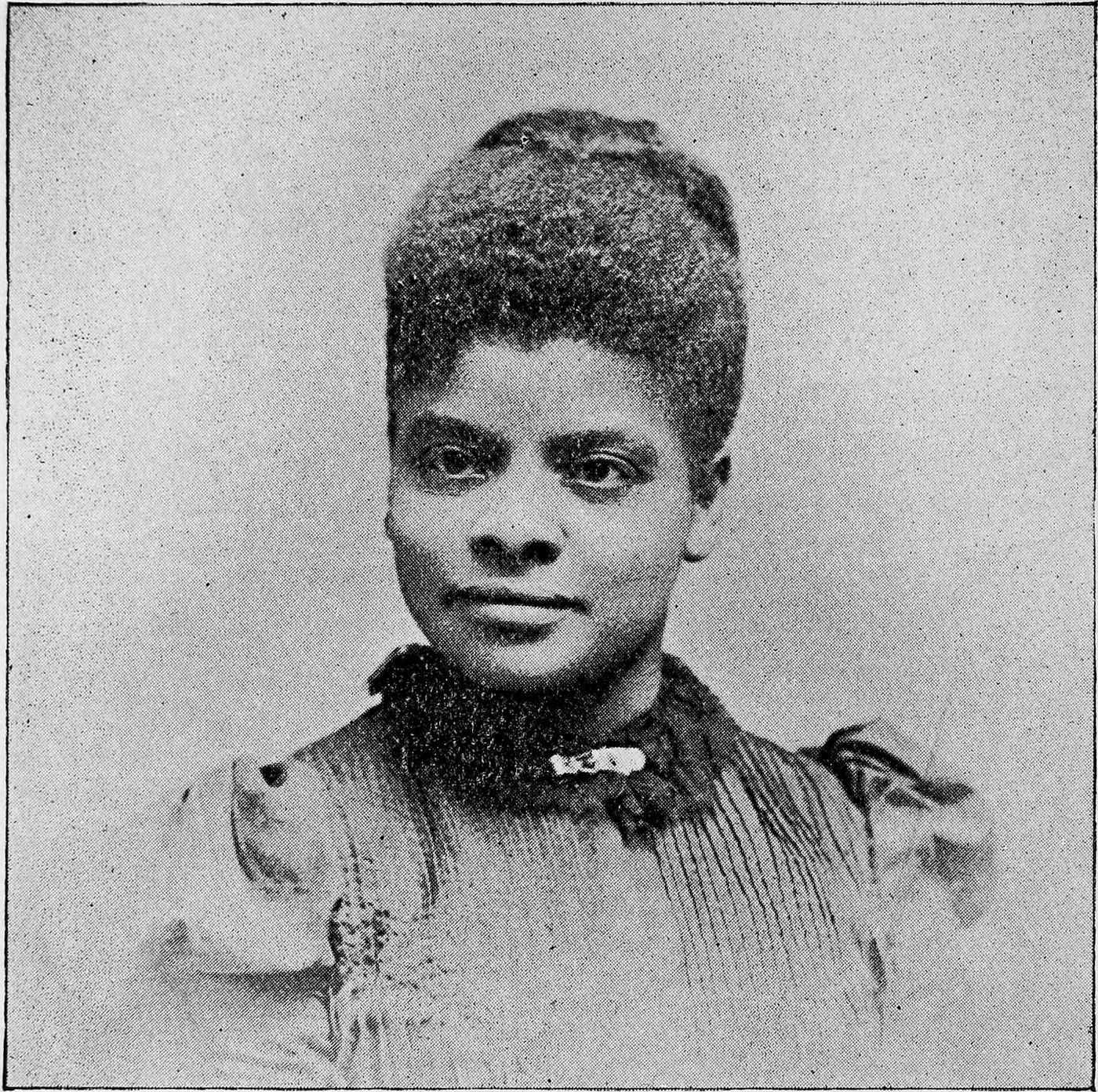
Photo: Public Domain (from ‘Women of Distinction,’ 1893), via Wikimedia Commons
The Black Memory Emergency
What happens when Black history disappears? 84 collections surveyed across six research tracks.
| Research ID | CTL-DR-PRESERVE-001 |
|---|---|
| Version | Research brief · 2026-09-28 |
Summary
Black cultural memory in the United States is not primarily threatened by a lack of collecting — it is threatened by everything that happens after collecting. This synthesis of six research tracks finds that the memory chain breaks hardest at cataloging (uncataloged backlogs make saved collections unfindable and undefendable), that ownership changes — bankruptcy sales, corporate strategy pivots — are the fastest-acting destroyer of Black archives, and that the private collector's mortality is the single most time-sensitive risk class: estates disperse, garages burn, and hard drives die — most often with no succession plan and no institutional relationship in place. Family and community succession is the norm; external custody is one option among others, never the default. The good news is structural: when the chain works — the Johnson Publishing Company rescue ($30M consortium, 2019), the burial-records rescue (140,000+ records, 2022), the Separate Cinema acquisition (2025) — it works because …
Key findings
- Cataloging is where the chain breaks worst.
- Ownership change is the fastest destroyer.
- The collector's mortality is the ticking clock.
- Platform memory is not memory.
- Rescue happens at the decision point — usually by communities, not frameworks.
Evidence and grading
84 canonical collections; 119 entities; 70 timeline events; 78 relationships (77 Verified · 1 Provisional); 304 sources.
Claims are graded on a controlled vocabulary: VERIFIED, SUPPORTED, PROVISIONAL, DISPUTED, UNRESOLVED (plus REFUTED and UNVERIFIABLE in evidence files). Only VERIFIED claims feed verified-only knowledge-graph edges; lower grades are shown with their grade visible. Unknowns are never reported as zero.
Limitations
Highest-value unresolved leads: the A.A. Rayner & Sons Funeral Home records (the firm handled Emmett Till’s funeral arrangements) — no archive located; the Obsidian Collection Archives’ current digitization totals undocumented; the Muhammad Speaks newspaper morgue, Vee-Jay Records masters, and Chicago Whip business records unresolved. The privacy constraint is absolute throughout: no intrusive private inquiry; several leads can only be resolved by the holders themselves choosing to act.
Sources
304 sources across six tracks, labeled Primary / Secondary / Tertiary; all web sources accessed 2026-09-27 to 2026-09-28.
Red team
Privacy audit passed; 12/12 red-team issues remediated, including 23 claim downgrades.
Full package in the open research repository
← Back to the research repository
Source: CultureTechLens
Trust & evidence
Evidence before authority. CultureTechLens publishes its methods, its limits, and its corrections alongside its findings. Claims carry grades — VERIFIED, SUPPORTED, PROVISIONAL, DISPUTED, UNRESOLVED — and unknowns are never reported as zero.