 CULTURETECHLENS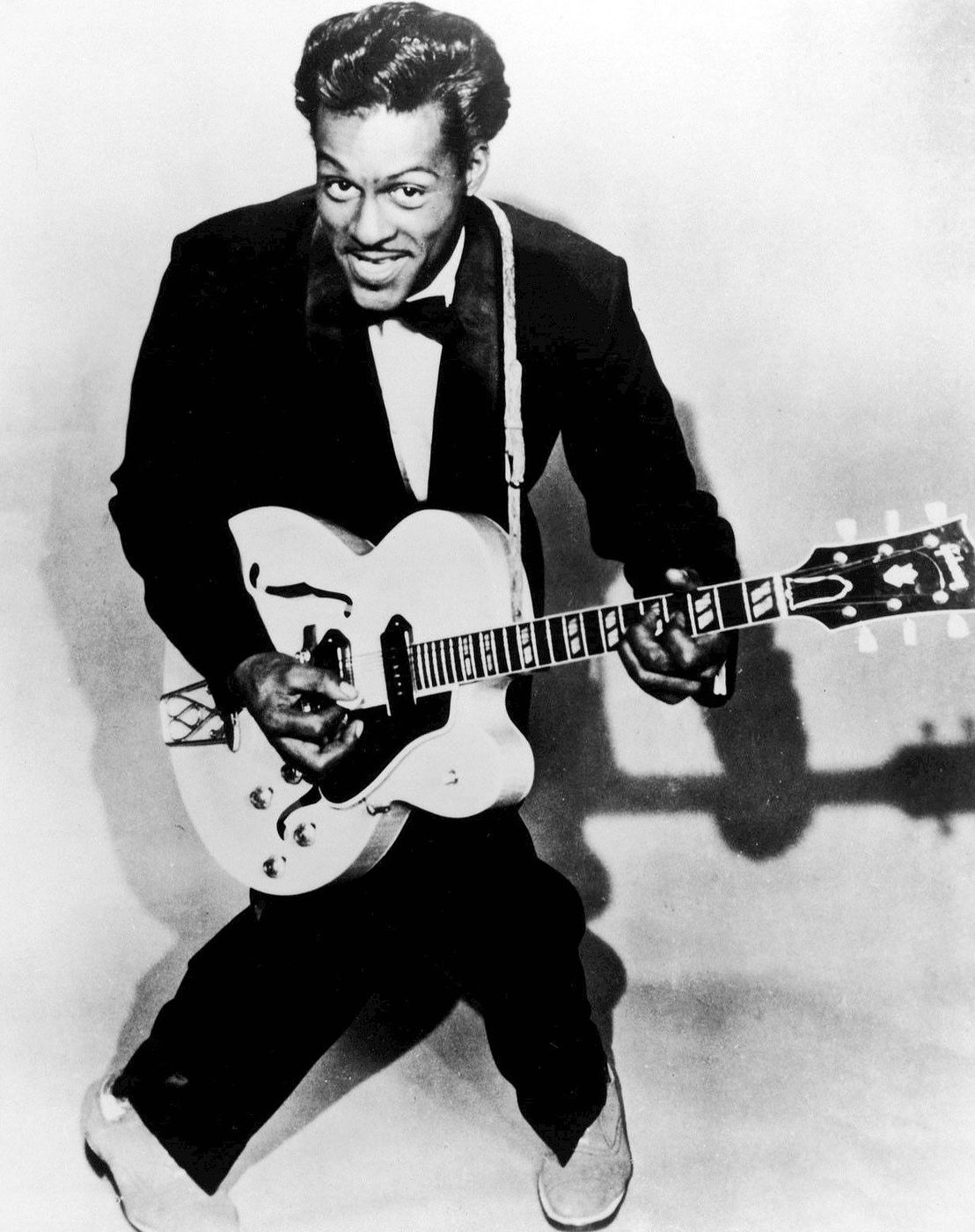
Photo: Universal Attractions (publicity photo), Public Domain, via Wikimedia Commons
Black Technology
Invention, adaptation, and digital life — 22 verified patents, 30 device histories, 8 adaptation case studies.
| Research ID | CTL-DR-TECH-001 |
|---|---|
| Version | Research package v0.1 complete · 2026-09-28 |
Summary
How have Black people invented, adopted, modified, distributed, and culturally transformed technologies?
Key findings
- The operator is the missing protagonist of Black technology history. The strongest documented case: Pullman porters were required by company rule book to operate 38 different air-conditioning systems and "make down" 43 berth types (Verified, via rail historian Arthur Dubin). …
- Chicago is a technology-adoption capital, and the evidence is specific. Frankie Knuckles's Roland TR-909 came from Derrick May circa 1984 at the Power Plant and was wired into the club mixer (Verified, Knuckles's own 1995 interview) — upgrading a Provisional …
- Invention myths collapse under patent-record scrutiny — but real achievements don't need them. Dr. Shirley Ann Jackson did not invent caller ID, touch-tone phones, or fiber optics (False); she was the first Black woman MIT physics PhD, NRC chair, and …
- The adaptation mechanism is documentable, not mystical. Eight case studies trace the specific mechanism for each technology→culture pair: e.g., Jack L. Cooper's 1929 time-brokerage model (buying airtime to create Black radio where no Black-owned station existed) and WVON's 1963 "Good …
- AI's Black history is mostly critique and community-building so far — not Black-designed systems. Gender Shades (Buolamwini & Gebru, 2018) is the most empirically grounded result in the corpus (0.8% vs 34.7% error rates). No verified Chicago Black AI lab …
Evidence and grading
109 role-tagged entities; 183 graded claims (116 Verified · 62 Provisional · 3 Disputed · 2 Unresolved); 22 verified patent records; 30 device histories; 8 adaptation case studies; 138 sources (42 primary, 96 secondary).
Claims are graded on a controlled vocabulary: VERIFIED, SUPPORTED, PROVISIONAL, DISPUTED, UNRESOLVED (plus REFUTED and UNVERIFIABLE in evidence files). Only VERIFIED claims feed verified-only knowledge-graph edges; lower grades are shown with their grade visible. Unknowns are never reported as zero.
Limitations
62 gaps across seven tracks cluster in five zones: Black engineers and technicians in industrial Chicago (the largest gap); six patent records graded Provisional pending patent-office confirmation; no named chief/transmitter engineer found for WVON or WJPC; thin digital-era primary evidence; AI-era claims outrunning evidence.
Sources
138 sources: 42 primary, 96 secondary, with source-quality notes.
Red team
Red-team review; 12 invention-myth corrections applied.
Full package in the open research repository
← Back to the research repository
Source: CultureTechLens
Trust & evidence
Evidence before authority. CultureTechLens publishes its methods, its limits, and its corrections alongside its findings. Claims carry grades — VERIFIED, SUPPORTED, PROVISIONAL, DISPUTED, UNRESOLVED — and unknowns are never reported as zero.