 CULTURETECHLENS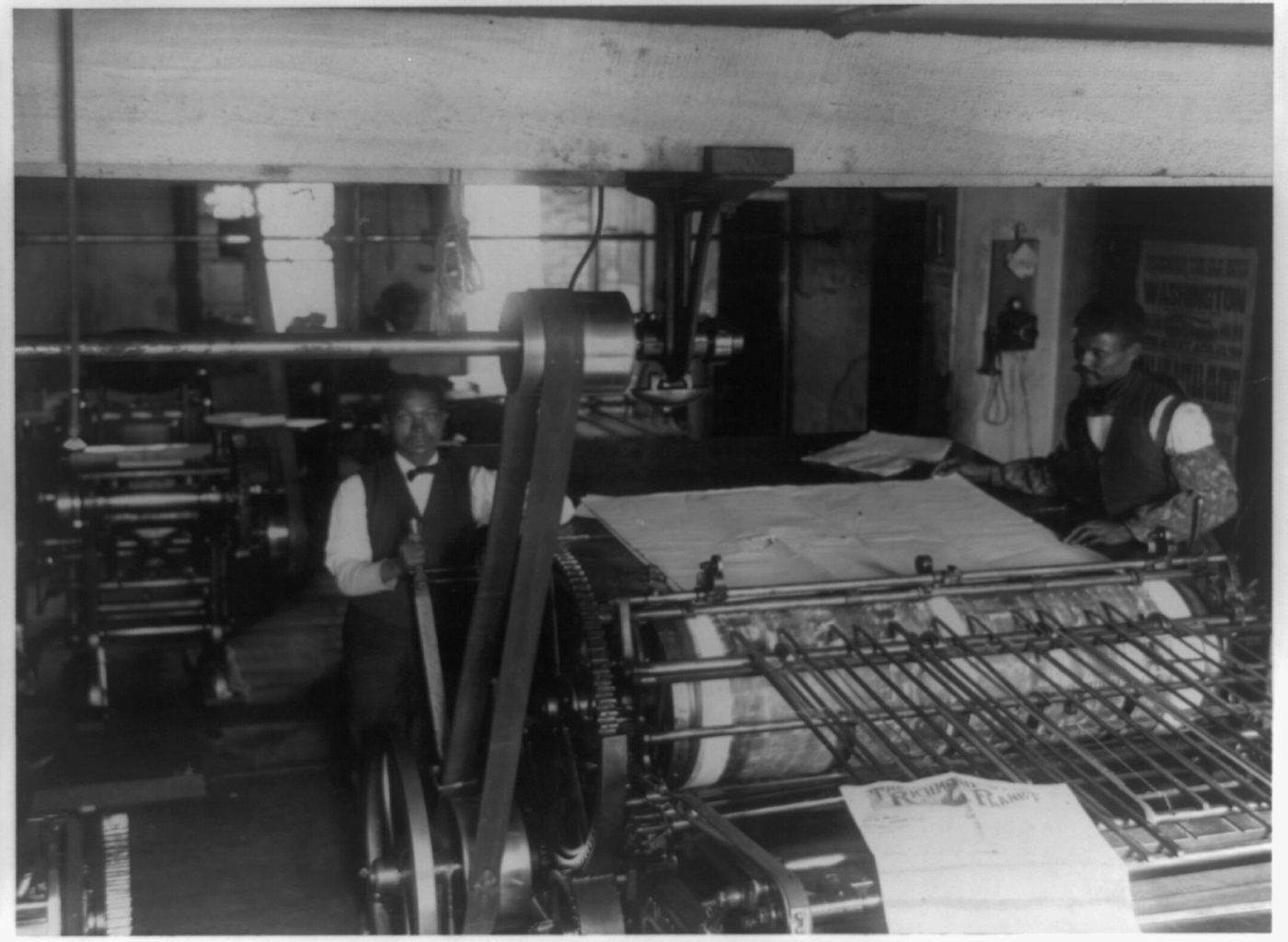
Photo: Library of Congress, Public domain, via Wikimedia Commons
Request Research Data
The archive is open — and requestable. Everything below describes what CultureTechLens actually holds today. Nothing here is a promise about what’s coming.
What you can request
Already open — no request needed (CC BY 4.0)
- The knowledge graph: 1,441 entities and counting — people, places, institutions, artifacts, works — connected by documented relationships, every claim graded, every source named. Browse it at /graph/; machine-readable JSON on GitHub.
- The CTL 10 Index: editions and scores with the published methodology. Reproducible. Citable.
- Research publications: 25 research briefs, 8 research dossiers, 3 open-access working papers (Zenodo DOIs).
- Methodology: versioned, public, with a corrections log.
On request
- Citation-grade data extracts — entities, claims, evidence grades, and sources cut to your project.
- Versioned CSV/JSON exports of the open core, dated and documented.
- Methodology documentation for your methods section or appendix.
Not yet available
- A public API — in development, not yet built.
- Governed research datasets (CTL-RDS) — the Type 06 standard is written; the first production run hasn’t happened. We won’t sell what isn’t packaged.
Who can request
Journalists, authors, documentarians, podcasters, independent researchers, museums, universities, libraries, archives, cultural centers, developers, and studios. If you’re not sure you fit, ask — the answer is usually yes for legitimate work.
The request process — three steps
- Write us. Email [email protected] with the six fields listed below. The more specific you are about what you need, the faster we can scope it.
- We scope and confirm. Research requests get a response within 5 business days; institutional requests within 10. Large or custom requests are scoped individually — we’ll tell you what’s possible and what it takes.
- You receive your extract. With evidence grades on every record, source citations, the required credit line, and the license terms that apply.
What to include — the request fields
- Your name
- Institution or outlet (or “independent”)
- Intended use — what the data is for
- Data needed — which subjects, time periods, Index editions, or entities
- Publication plan — where the work will appear and when
- License acceptance — confirm you’ve read the licensing terms below
Licensing terms
- The open core stays open under CC BY 4.0. Share it, adapt it, even commercially — with attribution to CultureTechLens. (Facts themselves aren’t ownable; the license protects the work of structuring them.)
- Evidence grades travel with every record. No clean-room version with PROVISIONAL / DISPUTED / UNRESOLVED scrubbed out — ever. If the grade isn’t right for your use case, tell us; we won’t change it.
- Custom extracts and commercial licensing terms are being finalized. Request what you need and we’ll talk through what’s available now.
- No sponsored rankings. The CTL 10 Index scores, methodology, and outcomes are never for sale and never influenced by a requester. Nobody pays to rank, rank higher, or see scores early.
- No implied endorsement. “Data: CultureTechLens” is the credit line. It is not a partnership, a certification, or an endorsement.
Turnaround
| Request type | Response time |
|---|---|
| Research (journalists, authors, independent researchers) | 5 business days |
| Institutional (museums, universities, libraries, archives) | 10 business days |
| Custom or large-scale | Scoped individually |
Source: CultureTechLens
From the Archive
The archive in pictures
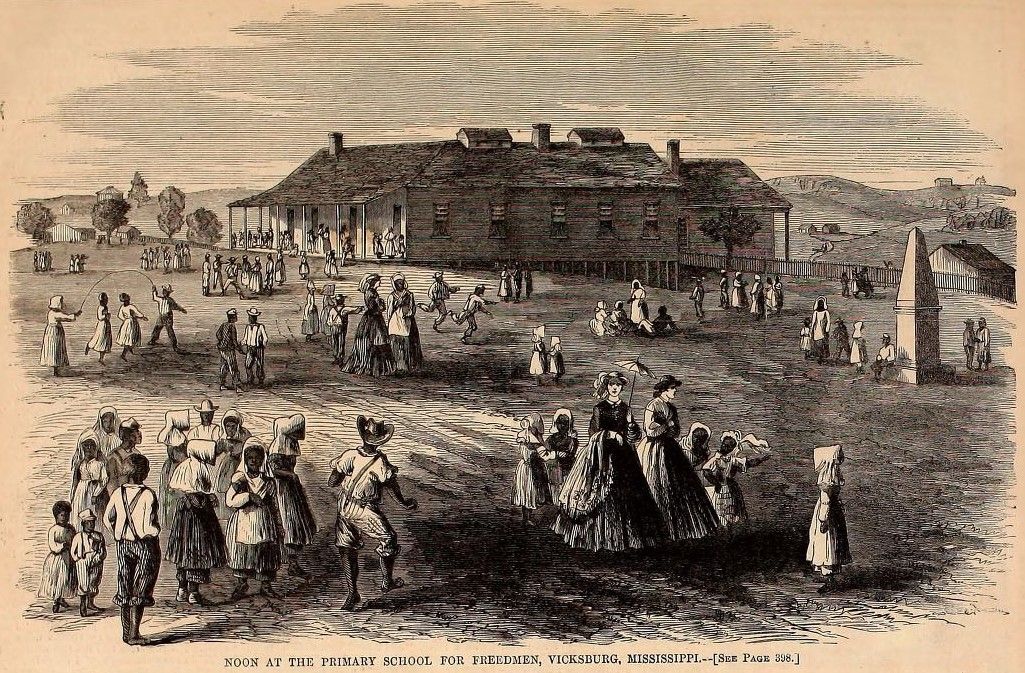
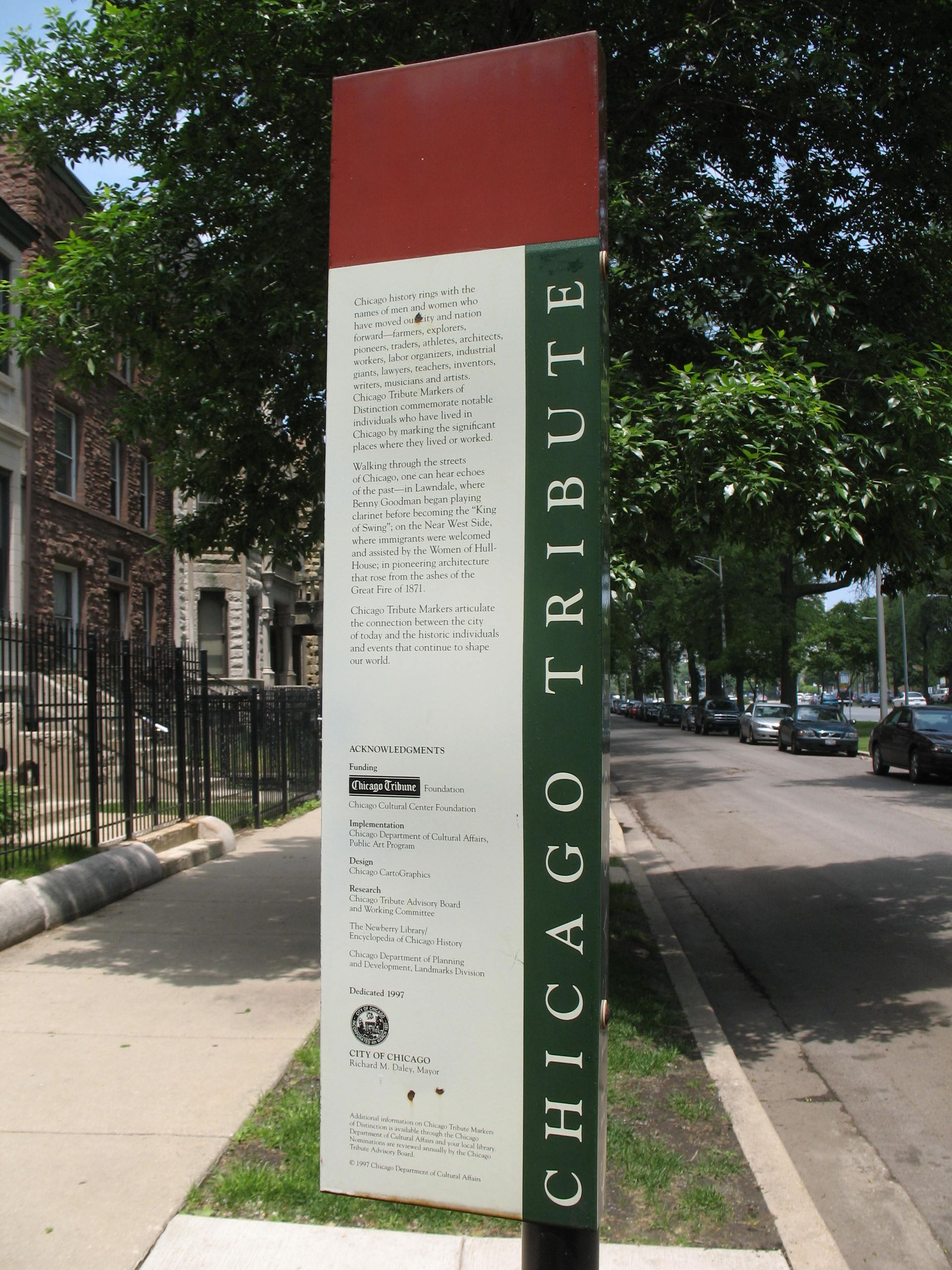
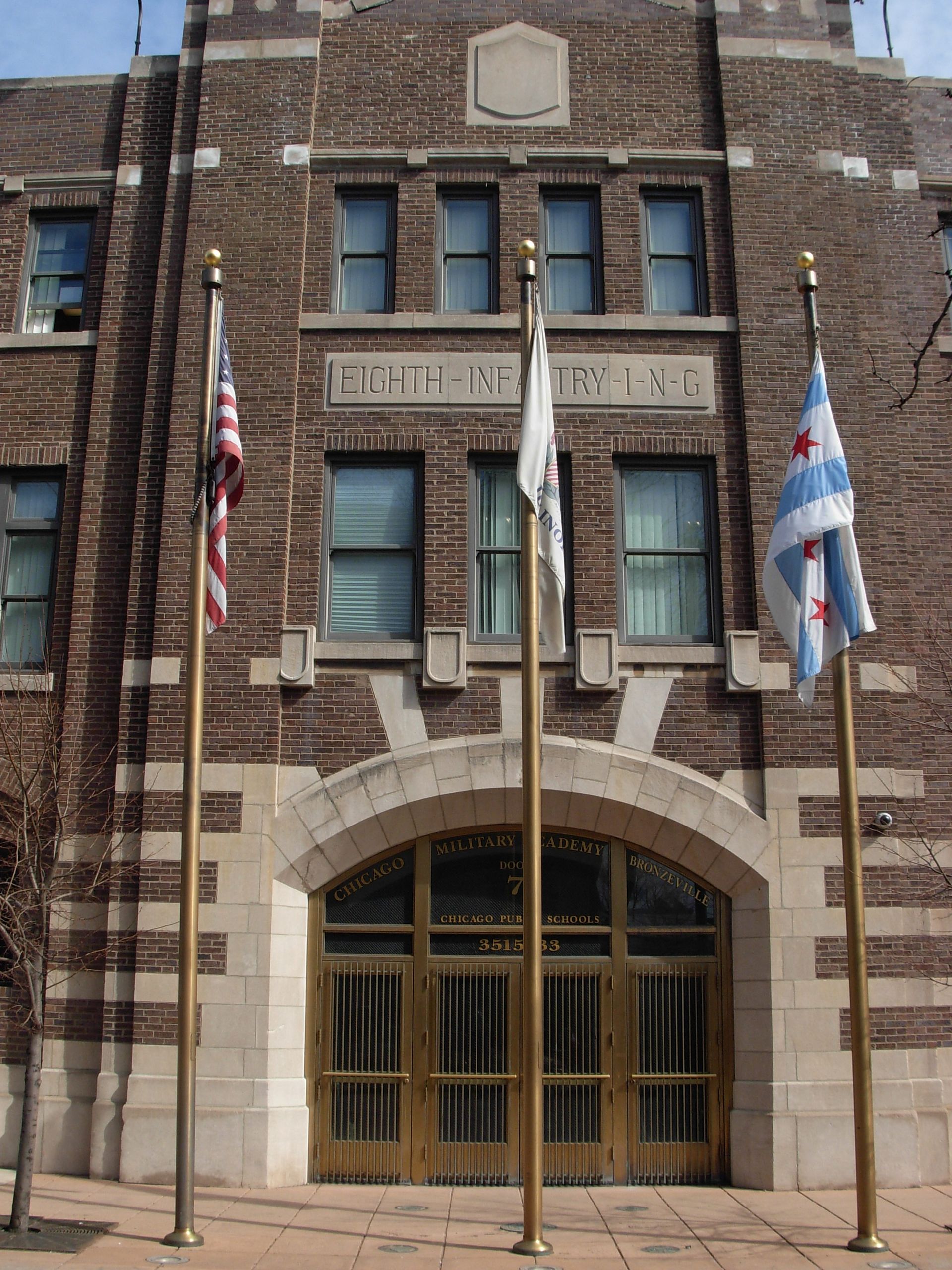
Where the learning happened — and who kept it. Photographs from the CultureTechLens research record — rights-cleared, credited, and cited like everything else here.
Trust & evidence
Evidence before authority. CultureTechLens publishes its methods, its limits, and its corrections alongside its findings. Claims carry grades — VERIFIED, SUPPORTED, PROVISIONAL, DISPUTED, UNRESOLVED — and unknowns are never reported as zero.
Every claim graded. Every source named. Every correction public — none to date.