 CULTURETECHLENS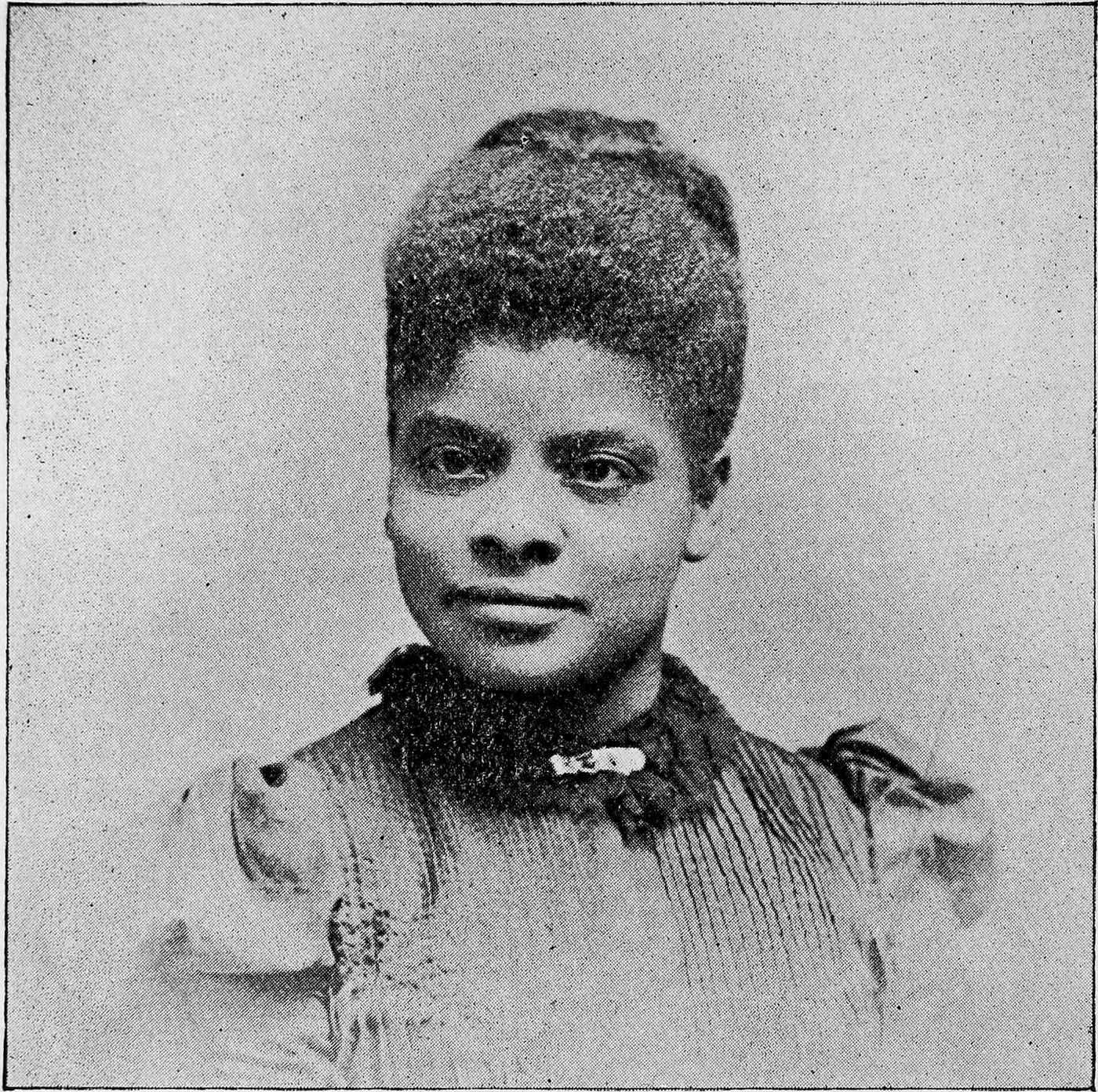
Photo: Public Domain (from ‘Women of Distinction,’ 1893), via Wikimedia Commons
Ida Bell Wells-Barnett (née Ida Bell Wells)
Ida B. Wells (1862–1931) was an African American investigative journalist, newspaper owner and editor, anti-lynching investigator, suffragist, and community organizer whose Memphis and Chicago careers built the documentary foundation of the American anti-lynching movement.
Dossier ID: CTL-RD-PER-000001
Entity type: Person
Status: Research · v1.0.0 · 2026-09-28
Executive profile
Ida B. Wells was born enslaved in Holly Springs, Mississippi, on July 16, 1862, and died in Chicago on March 25, 1931. Between those dates she built three interlocking careers that this dossier documents from the evidence: first, as a Memphis teacher turned newspaper owner — editor and part-owner of the Memphis Free Speech and Headlight — who was driven into exile in May 1892 after a white mob destroyed her press for exposing the lie at the heart of lynching; second, as a national and international anti-lynching investigator whose pamphlets Southern Horrors (1892) and The Red Record (1895) pioneered data-driven investigative journalism, drawing on white newspapers' own accounts to demolish the claim that lynching punished assaults on white women; and third, as a Chicago organizer — founder of the Negro Fellowship League (1910) and the Alpha Suffrage Club (1913), a participant in the founding of the NAACP (1909 call), the National Association of Colored Women (1896), and the Afro-American Council (1898), and a contributor to Black newspapers including the Chicago Defender.
Significance
- Wells created the first sustained, evidence-based public record of lynching in the United States, shifting anti-lynching argument from moral outrage to documented fact. (see CLAIM-018, CLAIM-019). SUPPORTED
- Her 1892 exile from Memphis is one of the clearest documented cases of the violent suppression of the Black press in the post-Reconstruction South. (see CLAIM-014). VERIFIED
- As a Black woman newspaper owner in the 1880s–1890s South, she occupied a publisher's role almost entirely absent from the surviving institutional record of Black journalism — the gap MEDIA-001's red team flagged. (see CLAIM-009; gaps recorded in §28). SUPPORTED
- Her Chicago organizing (Negro Fellowship League, Alpha Suffrage Club) built independent Black institutional infrastructure for Great Migration newcomers and Black women voters a decade before the NAACP's Chicago branch matured. (see CLAIM-030, CLAIM-032). SUPPORTED
- The body of investigative method she developed — clipping hostile white newspapers, tabulating victims, names, dates, and alleged causes — constitutes a founding practice of American data journalism. (see CLAIM-018). What would be missing without her: the statistical refutation of the rape-myth justification of lynching at the moment it was most politically useful; the documentary link between the Black press tradition and the modern civil-rights movement; and the Chicago record of Black women's independent political organizing in the 1910s. SUPPORTED
What remains uncertain
What remains uncertain: fine-grained dates (the exact year she took ownership of the Free Speech), the full contents of lost Free Speech issues, the precise nature of her early break with the NAACP's leadership, and several single-source details flagged PROVISIONAL throughout. Nothing in this dossier is invented to fill those gaps.
Full dossier + evidence file in the open research repository
Source: CultureTechLens
Trust & evidence
Evidence before authority. CultureTechLens publishes its methods, its limits, and its corrections alongside its findings. Claims carry grades — VERIFIED, SUPPORTED, PROVISIONAL, DISPUTED, UNRESOLVED — and unknowns are never reported as zero.