 CULTURETECHLENS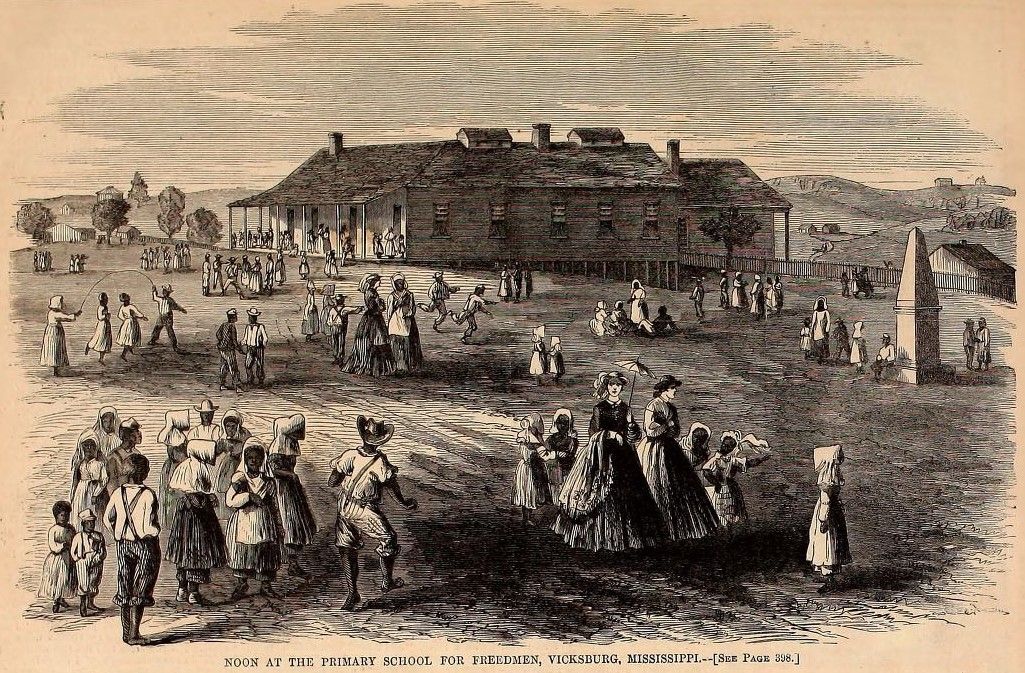
Photo: A. R. W., Public domain, via Wikimedia Commons
How We Lived
An encyclopedia of Black everyday life — the source package for Index Edition 2026-10.
| Research ID | CTL-DR-LIFE-001 |
|---|---|
| Version | Research brief v1.0 · 2026-09-28 |
Summary
This package documents the parts of Black Chicago history that traditional histories compress or overlook: ordinary life. Not celebrities — practices. How people shopped, worshipped on Sundays, got their hair done, played cards at gatherings, listened to the radio, posed for portraits, cruised, danced, mourned, and celebrated — with era, place, and generation attached to every claim, and every claim evidence-graded. The corpus: 81 entities (46 practices, 16 institutions, 13 objects, 5 source collections, 1 domain), 283 graded claims (145 Verified / 119 Provisional / 16 Unresolved / 3 Disputed), 91 timeline events (52 Verified / 39 Provisional), 46 verified-only relationships, and 9 object biographies (99 documented links). Four workstreams (home & family; commerce & leisure; media, culture & ritual; object biographies) were merged mechanically, then red-teamed in full census — all 293 original claims individually assessed. The red team found zero blocking issues and zero fabricated claims; 44 should-fix …
Key findings
- The advertising record is a primary source for colorism and consumption. In the February 1930 Chicago Defender, 44 of 103 ads sold products promising to permanently change Black women's features — a quantified primary source for how consumption and colorism …
- A 1938 radio program reunited migration-separated families. Jack L. Cooper's WSBC "Search for Missing Persons" was a family-reunification institution hiding inside broadcast history (Verified).
- A dated 1964 census of storefront churches exists. James B. Stronks enumerated ~35 named congregations along West Roosevelt Road in June 1964, published in the journal Names — an extraordinary primary snapshot of the storefront-church world (Verified).
- Jubilee Showcase ran 1963–1984 — 21 years of Sunday-morning Black gospel TV on WLS, "church before church," tapes donated to the Center for Black Music Research, whose 2019 closure leaves stewardship unconfirmed (Verified; rights unclear).
- Block clubs began as Urban League Great Migration acclimation, with documented coaching signs ("Don't Lean Off the Porch") — via Seligman's Chicago's Block Clubs (Verified).
Evidence and grading
81 entities, 283 claims (145 Verified / 119 Provisional / 16 Unresolved / 3 Disputed); 91 events; 46 verified relationships; 9 object biographies × 99 links; 11-step object-biography methodology.
Claims are graded on a controlled vocabulary: VERIFIED, SUPPORTED, PROVISIONAL, DISPUTED, UNRESOLVED (plus REFUTED and UNVERIFIABLE in evidence files). Only VERIFIED claims feed verified-only knowledge-graph edges; lower grades are shown with their grade visible. Unknowns are never reported as zero.
Limitations
Sources skew middle-class (Defender society pages, catalogs, yearbooks); working-class and poor Black Chicagoans are under-documented — the package says whose evidence it holds. Rights log: 60+ media items, none cleared.
Sources
Primary sources; secondary scholarship; secondary journalism and institutional sources; video syntheses (secondary, use with care).
Red team
44-finding adversarial review; zero fabricated claims.
Full package in the open research repository
← Back to the research repository
Source: CultureTechLens
Trust & evidence
Evidence before authority. CultureTechLens publishes its methods, its limits, and its corrections alongside its findings. Claims carry grades — VERIFIED, SUPPORTED, PROVISIONAL, DISPUTED, UNRESOLVED — and unknowns are never reported as zero.