 CULTURETECHLENS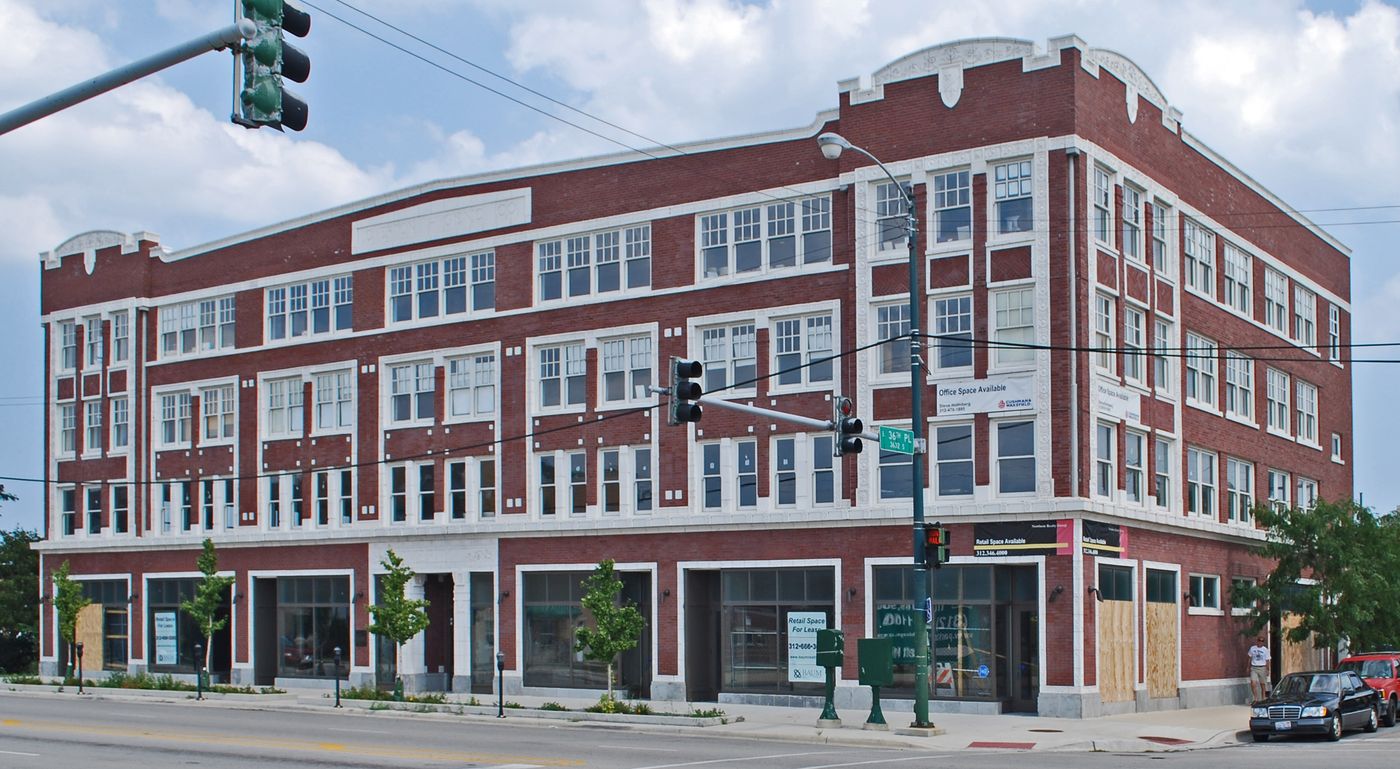
Photo: Andrew Jameson, CC BY-SA 3.0, via Wikimedia Commons
Why CultureTechLens Is Covering the Great Food Expo
CULTURETECHLENS · “Culture, Clearly Seen.” · Black Cultural Intelligence
Cite as: CultureTechLens, “Why CultureTechLens Is Covering the Great Food Expo,” September 30, 2026. Source: CultureTechLens · culturetechlens.com
Dek: On October 24–25, thousands will pack the Donald E. Stephens Convention Center to shop, sip, and sample. CultureTechLens will be there asking whose foodways are on that floor — and whose are missing?
On Saturday, October 24 (10am–5pm) and Sunday, October 25 (11am–5pm), the Great Food Expo returns to the Donald E. Stephens Convention Center in Rosemont, Illinois. The pitch is simple: “Shop. Sip. Sample.” Hundreds of emerging artisans, cooking demos, celebrity chefs, food trucks, and mixology — general admission is $6, VIP is $32, and the doors are open to the public.
CultureTechLens is requesting media credentials to cover it. Not for the free samples — for the story no one else is assigned to tell.
The American specialty food market is enormous. The Specialty Food Association estimated total U.S. specialty food sales at $207 billion in 2023. The expo floor in Rosemont is a cross-section of that market: gourmet and ethnic foods, coffee and tea, small-batch artisanal brands, chocolates and desserts, kitchenware. Every booth is an argument about what American food is becoming.
Our coverage will ask who gets to make that argument. Black culinary traditions built entire vocabularies of American flavor — smoking, frying, slow-simmering, seasoning with intention — yet Black founders remain sharply underrepresented among the owners of specialty food companies. Nationally, Black people make up roughly 14 percent of the U.S. population but own only about 2.3 percent of employer firms. In the Chicago metro area, just 2.1 percent of businesses are Black-owned, against a Black population share of 17.6 percent. Those are not opinions. Those are Census and Brookings Institution figures.
So when CultureTechLens walks the floor at the Great Food Expo, we will be counting more than bites. We will be looking for Black-owned artisanal vendors, tracing soul food traditions in the products on display, and documenting who is actually represented among the exhibitors. We will publish a ten-part series — history, economics, language, a field guide, and a representation audit conducted on site.
This is what Black cultural intelligence looks like in practice: showing up where culture is being sold, and reading the room with rigor.
What happens next: our credential request goes to the expo organizers this week. Whether it is granted or not, the series runs — credentials get us behind the rope line; they do not determine whether the story gets told.
Sources
– Great Food Expo, “Chicago – Great Food Expo,” official event page (dates, times, venue, programming). https://greatfoodexpo.com/chicago – Specialty Food Association, via GIIR Research, “Ethnic Food Market” report: total specialty food sales estimated at $207 billion in 2023. – Brookings Institution, “Black-owned businesses in U.S. cities: The challenges, solutions, and opportunities for prosperity” (2022): 3.12 million Black-owned businesses nationally generating $206 billion; Black people ~14% of population but 2.3% of employer-firm owners; Chicago metro 4,142 Black employer businesses (2.1% of firms, 17.6% Black population share).
Chicago-style citation: CultureTechLens, “Why CultureTechLens Is Covering the Great Food Expo,” September 30, 2026, culturetechlens.com.
Trust & evidence
Evidence before authority. CultureTechLens publishes its methods, its limits, and its corrections alongside its findings. Claims carry grades — VERIFIED, SUPPORTED, PROVISIONAL, DISPUTED, UNRESOLVED — and unknowns are never reported as zero.