 CULTURETECHLENS
Free Gas, Free Money, and the Law: The Willie Wilson Giveaway Test
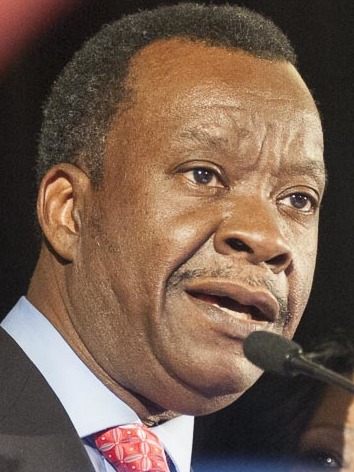
Willie Wilson is running for mayor a fourth time, and on October 17 he gives away free gas again. Illinois cleared his handouts once. Would they survive City Hall?
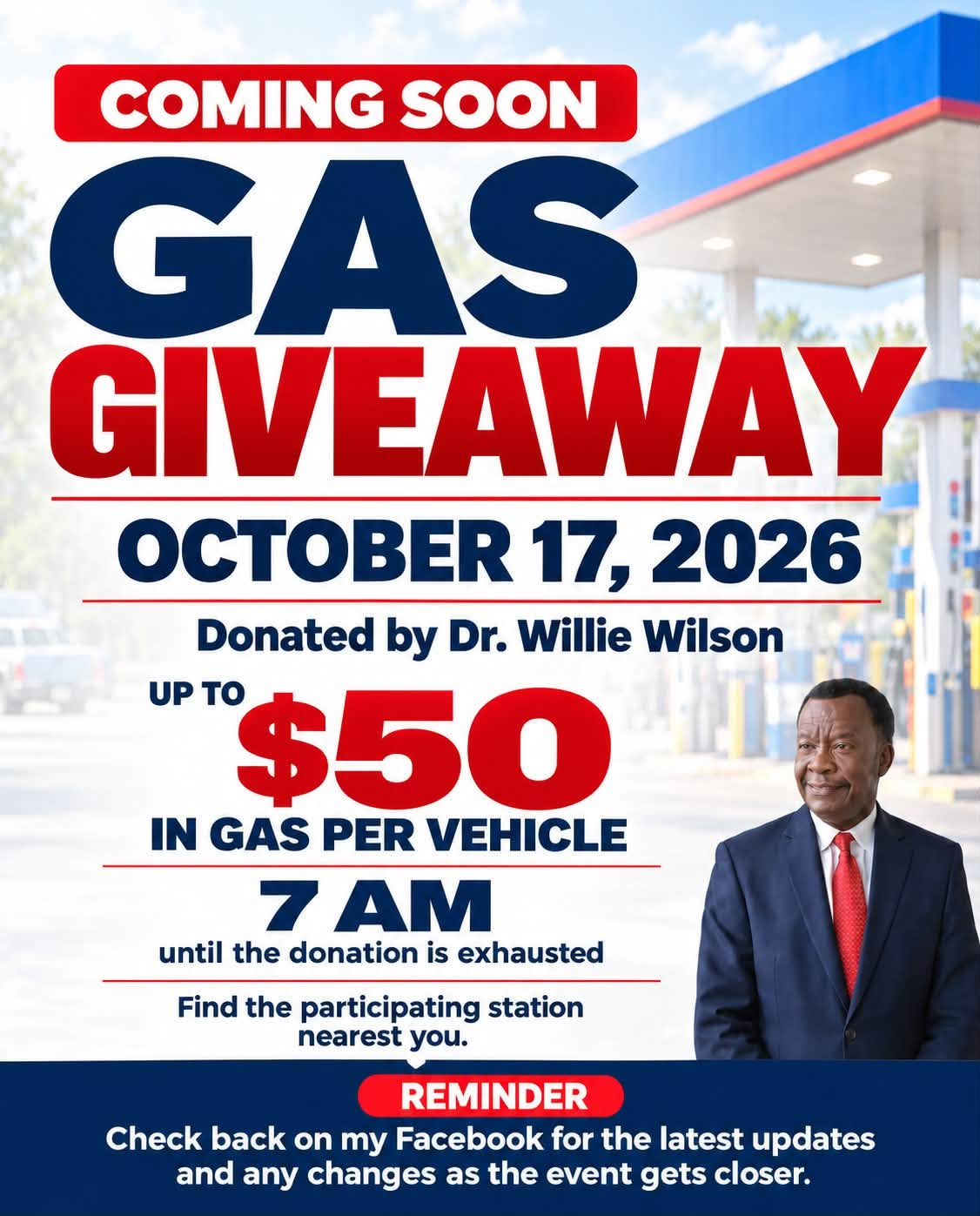
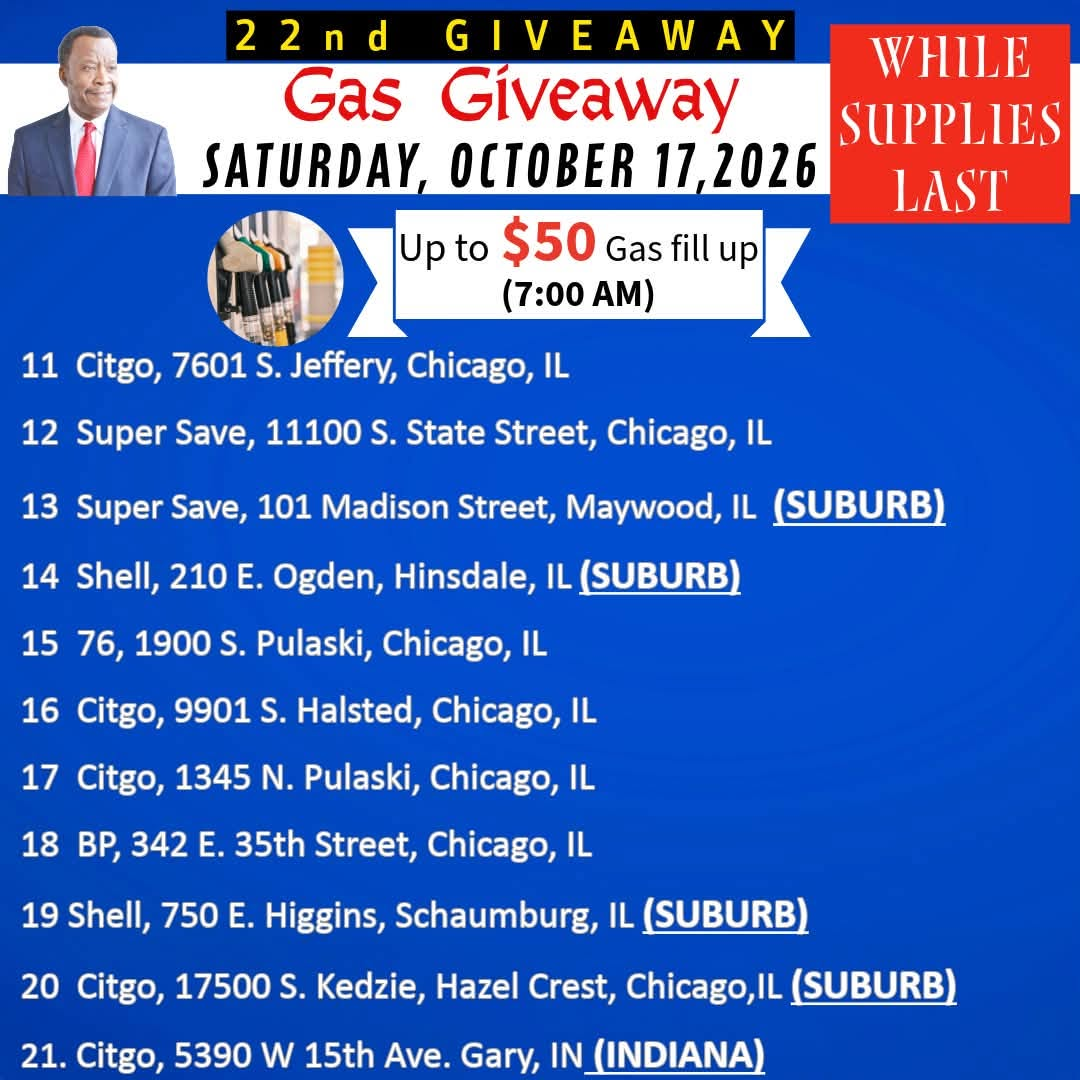
On Saturday, October 17, 2026, at seven in the morning, drivers will line up at 21 gas stations across Chicago, its suburbs, and Gary, Indiana, for up to $50 of free gas per vehicle, “until the donation is exhausted.” The announcement graphics call it the 22nd giveaway. CultureTechLens has documented the announcement as a primary source — the stations, the start time, the terms (read the CTL source documentation) — because at this point a Willie Wilson giveaway is never only a charity event.
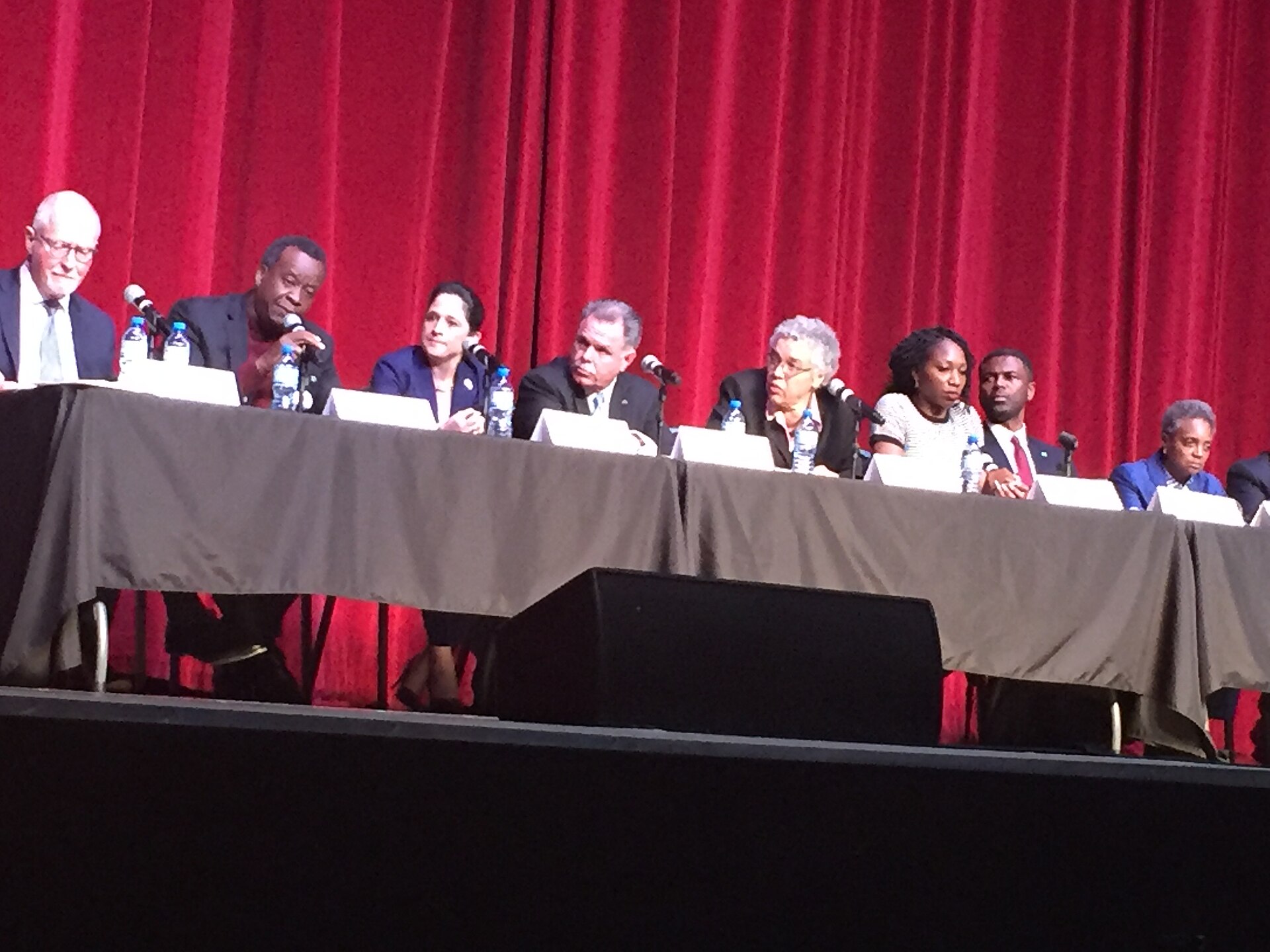
Wilson is 78. In August 2026 he announced his fourth campaign for mayor — after 2015, 2019, and 2023 — entering the February 2027 race as its tenth declared candidate. Between now and that election, every tank he fills is also a campaign-season document. Which raises the question this essay works through, from the documented record: if Willie Wilson wins, can the giveaways legally continue — and what would they have to become?
The precedent: New Covenant, 2018
The Illinois record starts in a church. In July 2018, during his second mayoral campaign, Wilson handed out roughly $200,000 in cash and checks at New Covenant Missionary Baptist Church on the South Side — property-tax relief paid through the Dr. Willie Wilson Foundation, his registered nonprofit. Governor Bruce Rauner attended the event, then objected publicly: handing out cash while running for office, he said, was “outrageous” and “should not happen.” The Illinois Campaign for Political Reform filed a complaint arguing the giveaway should have been reported as an in-kind contribution to Wilson’s campaign.
The Illinois State Board of Elections disagreed — twice. In July 2018 the board’s spokesman said the giveaway did not violate campaign-finance law: the money came from the foundation, not the campaign committee, and there was no quid pro quo — no “here’s some money, vote for me.” In August the board voted unanimously to exonerate him. Separately, the Illinois Attorney General’s Charitable Trust bureau asked the foundation for more information about its compliance — a reminder that the charity lives under state supervision whether or not an election is running.
Distilled, the regulators applied a three-part test: Where did the money come from? Was anything asked in return? And did the event function as campaigning, whatever it was called?
The scale test: 2022
In 2022 the handouts industrialized. Three self-funded gas giveaways totaled roughly $2.2 million across Chicago and Cook County; drivers camped out for the fuel. Streetsblog Chicago documented clogged streets and a detail easy to miss in the footage: the candidate’s private events received taxpayer-funded police and traffic-control services. Critics also noted the giveaway’s built-in geography — about 27.5 percent of Chicago households, as of 2015, did not own a car, so a gas line skips the car-less poor by design. Mayor Lori Lightfoot then launched the city’s own prepaid gas and transit-card program, widely read as City Hall answering Wilson. That sequence matters: a candidate’s handout, repeated at scale, becomes a policy argument the government is forced to answer.
If he runs: the three bright lines
Running again in 2027, Wilson stays inside the 2018 precedent if he keeps three lines bright:
1. Never campaign money. The entire 2018 ruling rests on the wall between the foundation and the campaign committee. Money that crosses it converts charity into an unreported campaign expenditure — the one theory regulators have already shown they will entertain.
2. Never strings. State and federal vote-buying prohibitions turn on exchange: something of value offered for a vote or for political support. Nothing can be asked — not a vote, not a petition signature, not attendance at a rally. And the closer a giveaway sits to an election, the more the timing itself becomes the opposing argument.
3. Assume the disclosure fight returns. The reform groups’ theory — that a giveaway functioning as campaign promotion must be disclosed as in-kind support — lost in 2018, but it was never extinguished. A giveaway staged with campaign signage, candidate branding, or campaign scheduling hands that theory its facts.
If he wins: the law holds, the machine changes
No Illinois or federal statute we can find bars a wealthy mayor from giving away his own money through his own foundation. The checkbook survives. What does not survive is the environment the checkbook used to operate in.
The city machinery. Chicago’s Governmental Ethics Ordinance prohibits using city resources, employee time, and the authority of the office for private or political benefit. In 2022, candidate Wilson received police traffic control at his events at taxpayer expense. A Mayor Wilson would command the department that details those officers — and the permits, traffic plans, station access, and cleanup around his foundation’s events would no longer be courtesies. They would be a government subsidizing its chief executive’s private charity. That is the conflict the ordinance exists to name.
The foundation wall. A 501(c)(3) organization is barred from intervening in political campaigns. As a citizen-candidate, Wilson manages that wall by keeping the entities separate. As an incumbent positioned for a possible re-election, every foundation event inside a campaign’s shadow reopens the 2018 in-kind argument — at higher stakes, because the founder would also run the city whose police make the event possible.
The examiner. The Attorney General’s Charitable Trust supervision does not pause for a term of office. The foundation’s books remain open to the same state bureau that asked questions in 2018.
The politics. Lightfoot’s card program is the preview of the end state: the moment City Hall distributes relief itself, the giveaway stops being judged as generosity and starts being judged as governance — who qualifies, who is skipped, what it costs, what it replaces. A Mayor Wilson’s private giveaways would be read the same way: not philanthropy adjacent to policy, but policy by handout, delivered to drivers at 21 stations while the car-less share of the city watches from the bus.
Verdict
Legally, the handouts survive a Wilson mayoralty. Illinois tested the model — foundation money, no strings, no campaign funds — and it held, unanimously. Institutionally, they cannot survive unchanged. The giveaways that built the brand run on proximity: candidate, church, cameras, cash, all in one room. City Hall strips the proximity. What would remain is quieter, slower, documented to an auditor’s standard — no city machinery, no campaign adjacency, charity at arm’s length from the office that runs the streets it fills.
Whether a giveaway rebuilt to those rules is still recognizably Willie Wilson’s giveaway is the open question of the 2027 race. The next data point arrives October 17.
CultureTechLens NFP is a 501(c)(3) nonprofit organization. This essay analyzes public law and the documented record; it does not endorse or oppose any candidate.
Sources
- Capitol Fax / ABC 7 Chicago, “Willie Wilson cleared, handouts denounced, but will resume tomorrow” (August 27, 2018): capitolfax.com
- Governing (Chicago Sun-Times), “Chicago Mayoral Candidate Hands Out $200K at Church Event” (July 24, 2018): governing.com
- Capitol Fax, “Board of Elections spokesman, general counsel not quite on the same page” (July 23, 2018): capitolfax.com
- Capitol Fax, “Wilson lashes out after AG requests more info about his charity” (August 2018): capitolfax.com
- Chicago Tribune / Daily Southtown, “Some Chicagoans skeptical of mayor’s gas, CTA giveaway, but say it’ll make a difference” (2022): pagesuite.com
- Streetsblog, “Gas Giveaways Harm People” (Streetsblog Chicago, March 21, 2022): streetsblog.org
- CBS News Chicago, “Willie Wilson announces he’s running for Chicago mayor in 2027” (August 2026): europesays.com
- The Chicagoland Journal, “Willie Wilson Calls for Suspension of Chicago, County and State Gas Taxes” (September 2026): thechicagolandjournal.com
- CultureTechLens, “Willie Wilson 22nd Gas Giveaway — October 17, 2026” (primary-source documentation): event documentation and status documentation
This essay is also published on Substack and Tumblr. How CTL works: methodology · how to cite us.
Trust & evidence
Evidence before authority. CultureTechLens publishes its methods, its limits, and its corrections alongside its findings. Claims carry grades — VERIFIED, SUPPORTED, PROVISIONAL, DISPUTED, UNRESOLVED — and unknowns are never reported as zero.