 CULTURETECHLENS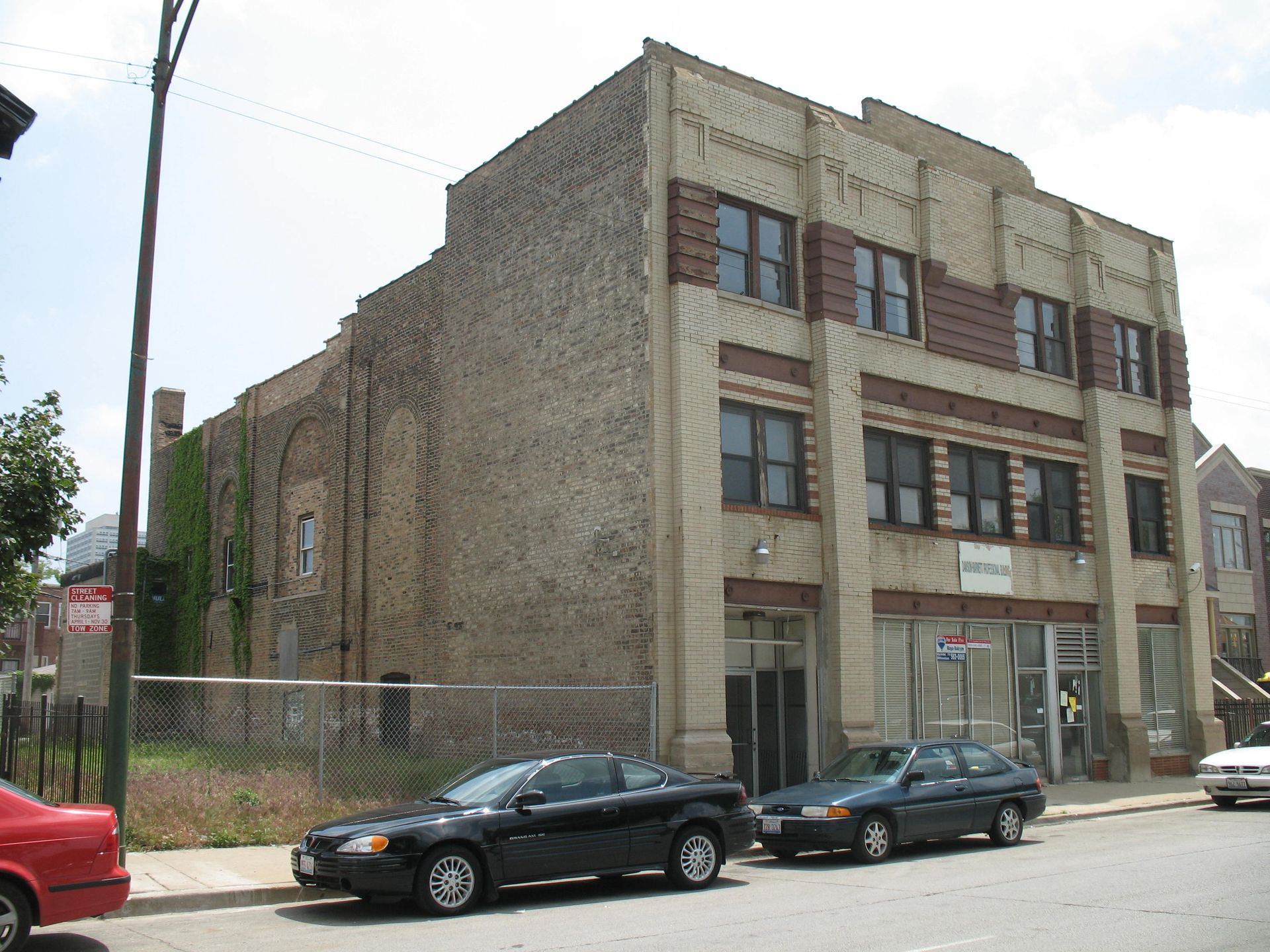
Photo: TonyTheTiger, CC BY-SA 3.0, via Wikimedia Commons
CULTURETECHLENS · "Culture, Clearly Seen." · Black Cultural Intelligence
An outside audit checked our work. Most of it didn't hold up. One part did. Here's the record.
Cite as: CultureTechLens, "What We Learned Auditing Ourselves," 2026-10-05.
Source: CultureTechLens.
Why we're writing this
Somebody audited us. Not a friend, not a partner — an outside party, running their own checks against our public surfaces, testing whether what we claim matches what's actually there. For a cultural preservation nonprofit doing Black cultural preservation in the open, that scrutiny is the job.
We have a standing rule about this kind of thing: it must be trust — ive been doing it all this time. Trust isn't a feeling. It's a record. And a record gets stronger when you let someone check it — and when you tell the truth about what they found.
So here's what the audit claimed, what we verified, and what changed. All of it.
What didn't hold up
The audit made three factual claims about our site. Two of them were wrong.
Claim one: that our methodology page was "not reachable." We checked. It was live — reachable, rendering, exactly where it has always been. The claim was false.
Claim two: that two articles "failed to load." We checked those too. Both live. Both loading. Also false.
We're stating this plainly, not defensively, because the distinction matters: a broken link is a bug we would fix. A claim that working pages are broken is a claim about our reliability, and reliability is the entire business. So we verified, twice, and the record says the pages were up.
What held up
The audit got one thing right, and it was the thing that mattered most operationally: our articles index was stale. The live deploy had lagged behind the build — new articles existed in the pipeline but the public index didn't show them yet. If you'd visited the index that week, you'd have seen an older version of the truth. Not a broken page; a behind page. The auditor caught it, and they were right to flag it.
It's fixed now. And it taught us something we should have already known: the deploy pipeline is part of the editorial product. A correction that exists only in the build is a correction nobody can read. From here on, the index ships with the content — no lag, no gap between what we've published and what the public can see.
The fair question
The audit also raised one question that wasn't a gotcha — it was genuinely fair, and we're still sitting with it: our claim grades — VERIFIED, SUPPORTED, PROVISIONAL, DISPUTED, UNRESOLVED — live in the research pipeline. In the dossiers, the evidence files, the knowledge graph. They don't always appear inline in the narrative prose.
Is that enough? The grades are public, the pipeline is documented, and anyone can trace a claim from an article back to its evidence. But the auditor's point lands: a reader who never leaves the article never sees the grade. We're not going to pretend that's the same as seeing it.
No decision yet — that's honest too. But it's now an open question with our name on it, which is where open questions belong.
The standard we're actually holding
It's worth saying what this episode confirmed about how we operate, because it's the same standard behind everything else we publish.
First: we don't grade our own homework. The verification files, the evidence pipeline, the graph — they're open by design, so that an auditor we never met can run their own checks. That's not generosity. It's the only way "trust" means anything when a stranger says it about you.
Second: corrections are a feature, not an embarrassment. The four name-and-role fixes from the reference-layer build, the nine quarantined Root 100 claims, the stale index — every one of them is documented, dated, and public. A record that never corrects itself is either perfect or lying, and we're not perfect.
Third: the deploy pipeline is now part of the editorial checklist. Build, verify, deploy, confirm the index — in that order, every time. The stale index happened because the first three steps finished and the fourth didn't. It won't happen again, because the checklist changed, not because we promised to try harder.
What this cost us, and what it bought
The audit cost us an afternoon of verification and one real fix. What it bought is worth more: proof that the system works the way we say it does. Outside eyes, real checks, honest answers — including "you're wrong" when they're wrong and "you're right" when they're right. That's not a posture. It's the corrections policy doing its job in public.
We'll keep publishing the methodology. We'll keep the evidence pipeline open. And the next time somebody audits us — and we hope somebody does — the index will be current, the pages will load, and the grades question will have an answer.
That's what "according to CultureTechLens" has to mean, every time, or it means nothing.
Nobody enjoys being audited. But here's the thing we've learned building this archive: the checks are the product. A claim nobody can verify is just a sentence. A claim an auditor can test — and did test — is evidence. Every audit that ends with "two claims wrong, one right, one fair question" leaves the record stronger than it found it. So we'll say it the way we'd want it said about us: checked, corrected, and still standing.
CultureTechLens is Chicago's Black cultural intelligence platform. Corrections and verification notes publish in the open — because trust is the record, and the record is public.
Chicago: CultureTechLens. "What We Learned Auditing Ourselves." Chicago: CultureTechLens NFP, 2026.
APA: CultureTechLens. (2026). What we learned auditing ourselves. CultureTechLens NFP.
MLA: CultureTechLens. "What We Learned Auditing Ourselves." CultureTechLens, CultureTechLens NFP, 5 Oct. 2026.
Young Readers Edition
Written for younger readers — the same facts, in plainer words →
From the Archive
The archive in pictures
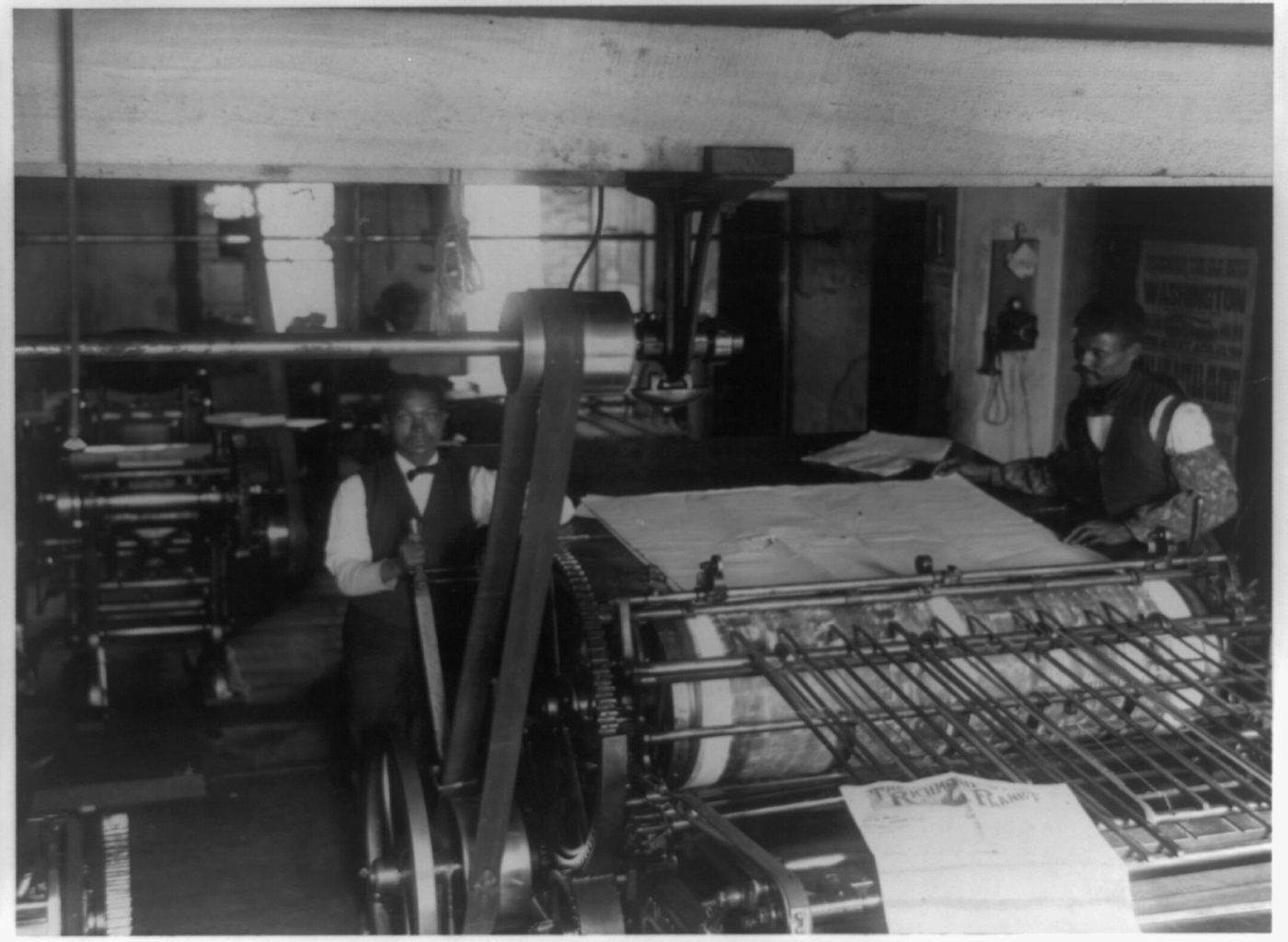
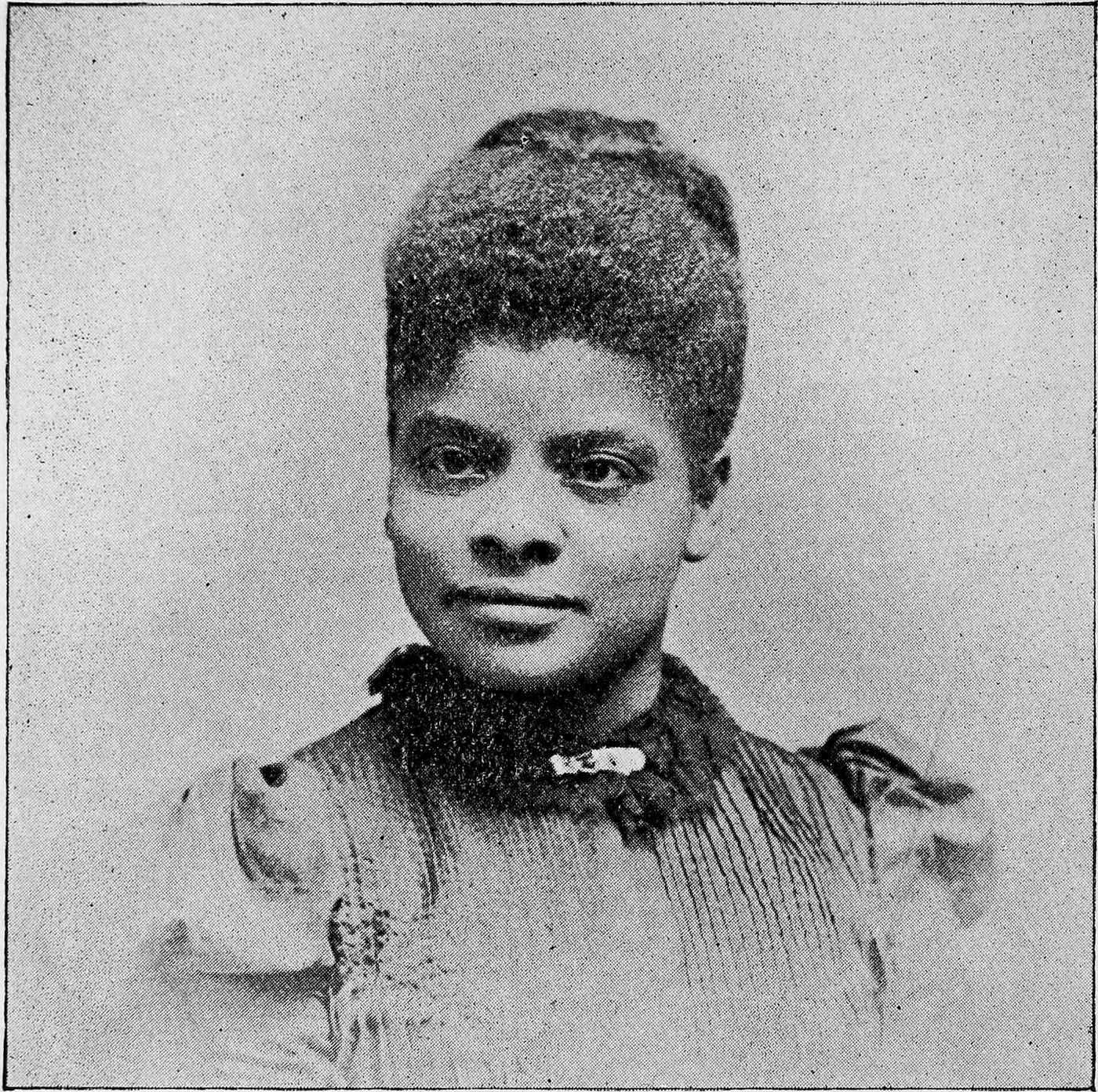
The Black press and the hands that kept the record. Photographs from the CultureTechLens research record — rights-cleared, credited, and cited like everything else here.

Trust & evidence
Evidence before authority. CultureTechLens publishes its methods, its limits, and its corrections alongside its findings. Claims carry grades — VERIFIED, SUPPORTED, PROVISIONAL, DISPUTED, UNRESOLVED — and unknowns are never reported as zero.
Every claim graded. Every source named. Every correction public — none to date.