 CULTURETECHLENS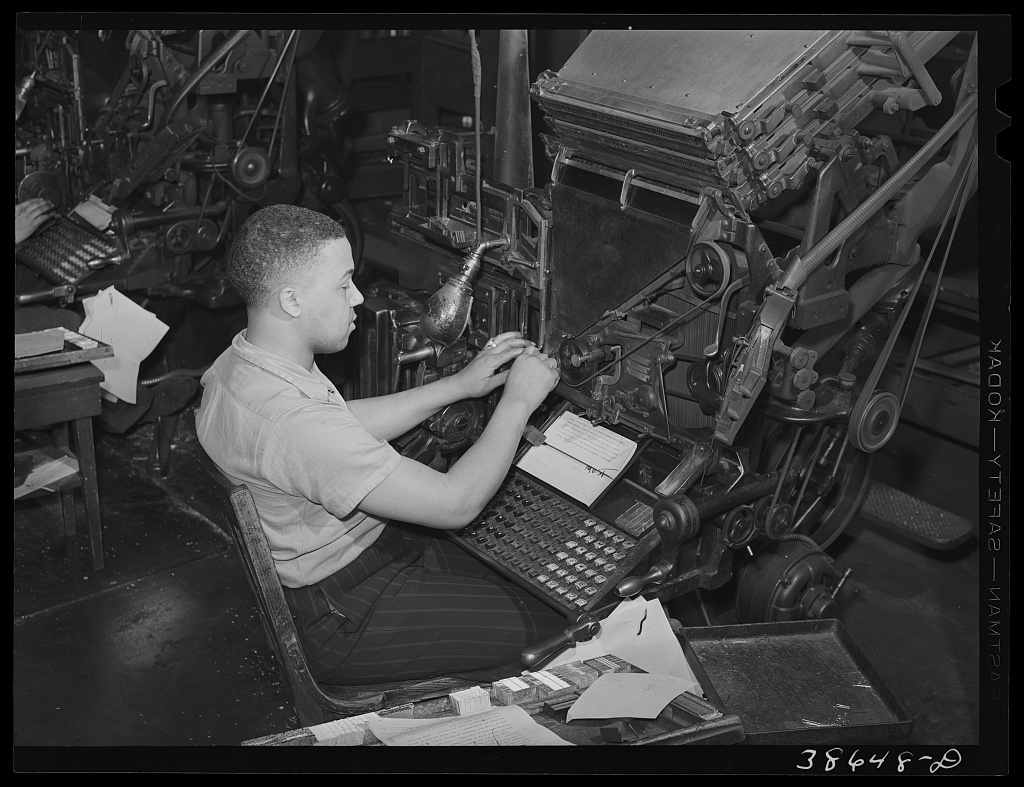
Photo: Lee, Russell, 1903-1986, FSA-OWI, Public Domain, via Library of Congress. https://www.loc.gov/item/2017788846/
CULTURETECHLENS · "Culture, Clearly Seen." · Black Cultural Intelligence
Anyone can post about Black culture. No one can replace the record everyone has to cite.
Cite as: CultureTechLens, "The Citation Layer," 2026-10-05.
Source: CultureTechLens.
The sentence that runs this organization
A year into building CultureTechLens — a Black cultural intelligence platform devoted to Black cultural preservation — William put the whole strategy in one line: "You are not an institution when you post. You are when others have to cite you."
That sentence is the moat. Not a product feature, not a marketing edge — a fact about how institutions work. Posts compete. Citations accumulate. A post can be scrolled past; a citation has to be reckoned with. When a dissertation footnote, a museum label, or a news article reads "according to CultureTechLens," the name stops being a publisher and becomes the byword for Black cultural evidence. That is the position we're building toward, and everything below is how.
What no one can cross
The evidence-graded graph. 1,504 entities. 392 relationships. 100% evidence coverage. Zero validator errors. Every claim atomic — one claim, one fact. Every claim backed one-to-one by evidence. Every entity graded on a five-step scale: VERIFIED, SUPPORTED, PROVISIONAL, DISPUTED, UNRESOLVED. Nobody else is building a fully provenanced, evidence-graded knowledge graph of Black culture — not Wikipedia, not the platforms, not the museums. Replicating it takes years of claim-by-claim labor. Our ingestion machine and its SOPs already exist, and the corpus compounds with every batch. Density — relationships per entity — is the current frontier, and it's climbing.
The standard is open; the corpus is not replicable. We publish the methodology — the evidence grades, the governance scale, the production standard. That's deliberate. Let everyone use the grades. The moat was never the method; it's the 1,504 entities already graded, the 50 reviews already written, the 40 Shorts already published, the three flagship papers already deposited with DOIs. Open standards create adoption. Adoption creates citation. Citation is the moat.
Trust is the foundation, and trust compounds. William's rule, in his own words: "it must be trust — ive been doing it all this time." Trust is the one asset that cannot be bought, faked, or fast-followed. Every verified correction, every cited claim, every honest PROVISIONAL label — the ones where we say "we don't know yet" instead of bluffing — deepens it. Competitors can copy features. They cannot copy a trust record.
The archive is already the product. This isn't a plan for someday. The graph's 1,504 graded entities are live. The Clear Ear Award shortlist shipped with full CTL-voiced reviews. The Index runs on a monthly drumbeat. Three flagship papers are deposited on Zenodo with DOIs, open access, CC BY 4.0. The reference layer behind the CTL 100 — 225 names across five Black reference lists — was verified citation by citation, with the misses published alongside the hits. The moat isn't a slide in a deck. It's shelves of finished work, and every shelf makes the next one easier to fill.
The flywheel is already turning. Archive, publish, get cited, ingest those citations as new evidence, deepen the archive. The Clear Ear Award shortlist becomes the annual list people wait for. The Index becomes the monthly drumbeat. The Shorts become the public face of the archive. Each output feeds the graph; each graph deepening feeds the next output. The wheel doesn't need pushing anymore. It needs steering.
The impression that lasts
Moats protect. Impressions endure. This is what "forever" looks like for us:
- "According to CultureTechLens..." — in a dissertation footnote, a museum label, a news article. The name becomes the citation.
- The annual lists — the ones the culture waits for and argues about, because a list people argue about is a list that lives forever.
- The graded-evidence standard — adopted beyond us: classrooms, newsrooms, and archives using VERIFIED through UNRESOLVED because we proved it works.
- Physical proof — a museum or library housing the lens, an annual in-person gathering, an archive you can walk into. Digital is infinite. Physical is unforgettable.
Five moves that widen the moat
1. Keep the ingestion drumbeat. Every ten-entity batch deepens the one asset no one can shortcut.
2. Ship the Index on schedule. The Moments edition lands November 3. A list that ships on time, every time, becomes an institution.
3. Send the first press pitch. Independent coverage is the gate that unlocks Wikidata, Wikipedia citation, and funder confidence — and every citation is a moat brick.
4. Finish the annual-report verification. Ten open verification items stand between us and a citable 2026 record.
5. Land the first museum partner. The DuSable conversation turns the archive from a website into a place. Places are forever.
None of this is a secret plan. It's published — because a moat built on a published standard doesn't weaken when people read it. It deepens.
And here's the part that matters most: the citation layer is a choice about who the work is for. Anyone can build an audience. We're building the thing the audience's grandchildren will cite — the record that outlives the argument, the post, and eventually the people who built it. That's the institution. That's the moat. That's the work.
CultureTechLens is Chicago's Black cultural intelligence platform, building the citation layer for Black cultural knowledge — the evidence-graded record other people have to cite.
Chicago: CultureTechLens. "The Citation Layer." Chicago: CultureTechLens NFP, 2026.
APA: CultureTechLens. (2026). The citation layer. CultureTechLens NFP.
MLA: CultureTechLens. "The Citation Layer." CultureTechLens, CultureTechLens NFP, 5 Oct. 2026.
Young Readers Edition
Written for younger readers — the same facts, in plainer words →
From the Archive
The archive in pictures
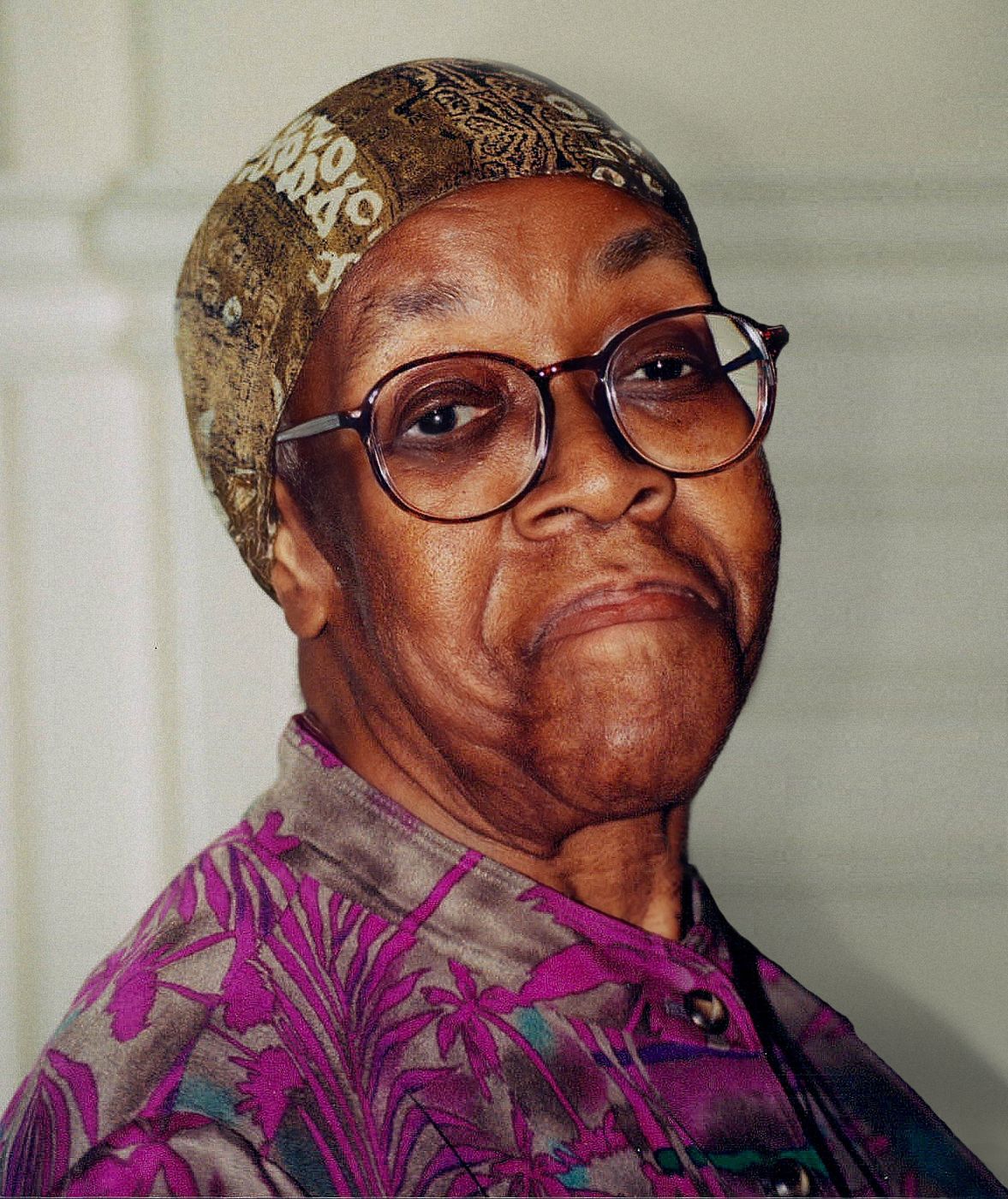
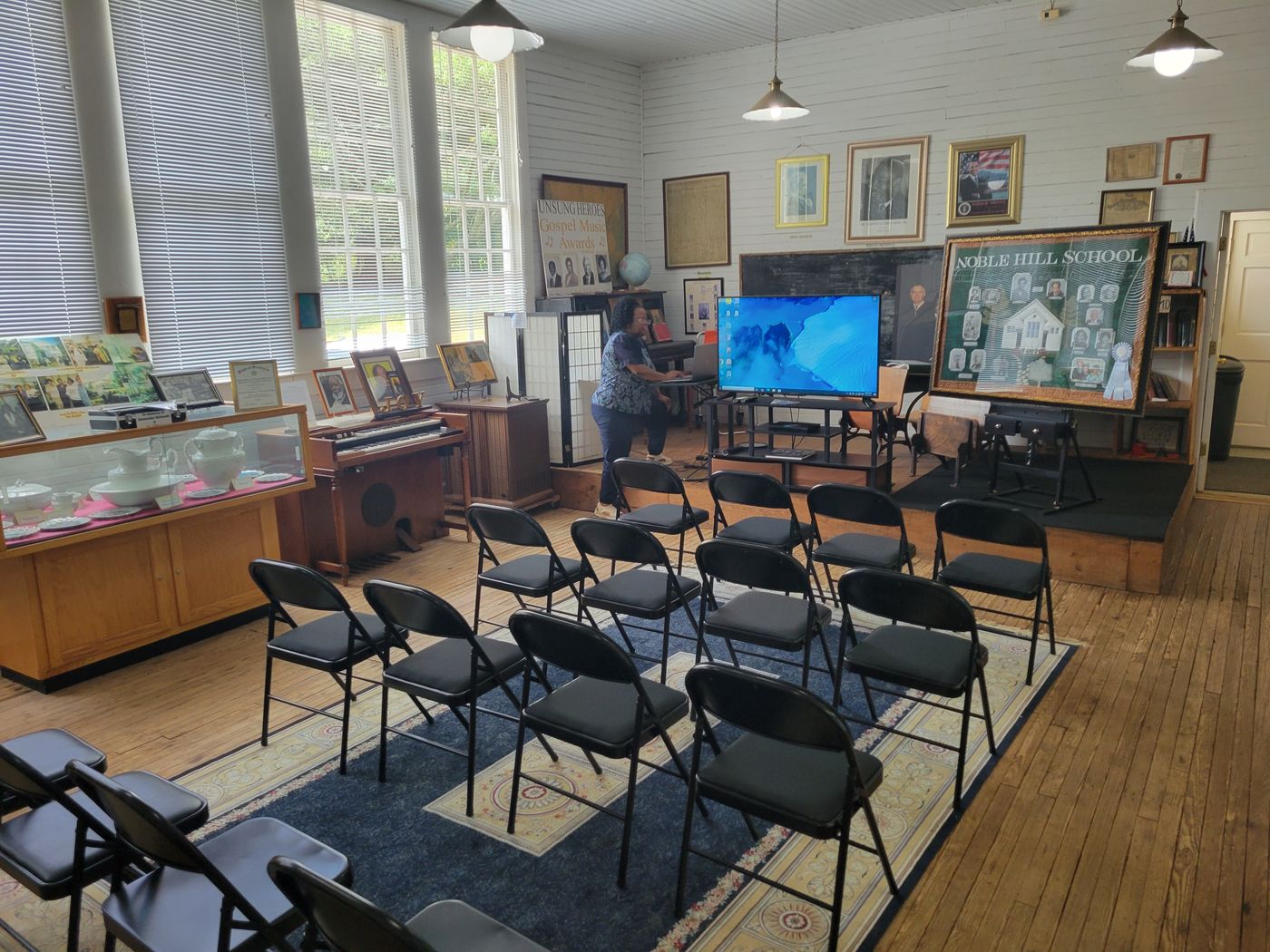
Where the learning happened — and who kept it. Photographs from the CultureTechLens research record — rights-cleared, credited, and cited like everything else here.

Trust & evidence
Evidence before authority. CultureTechLens publishes its methods, its limits, and its corrections alongside its findings. Claims carry grades — VERIFIED, SUPPORTED, PROVISIONAL, DISPUTED, UNRESOLVED — and unknowns are never reported as zero.
Every claim graded. Every source named. Every correction public — none to date.