 CULTURETECHLENS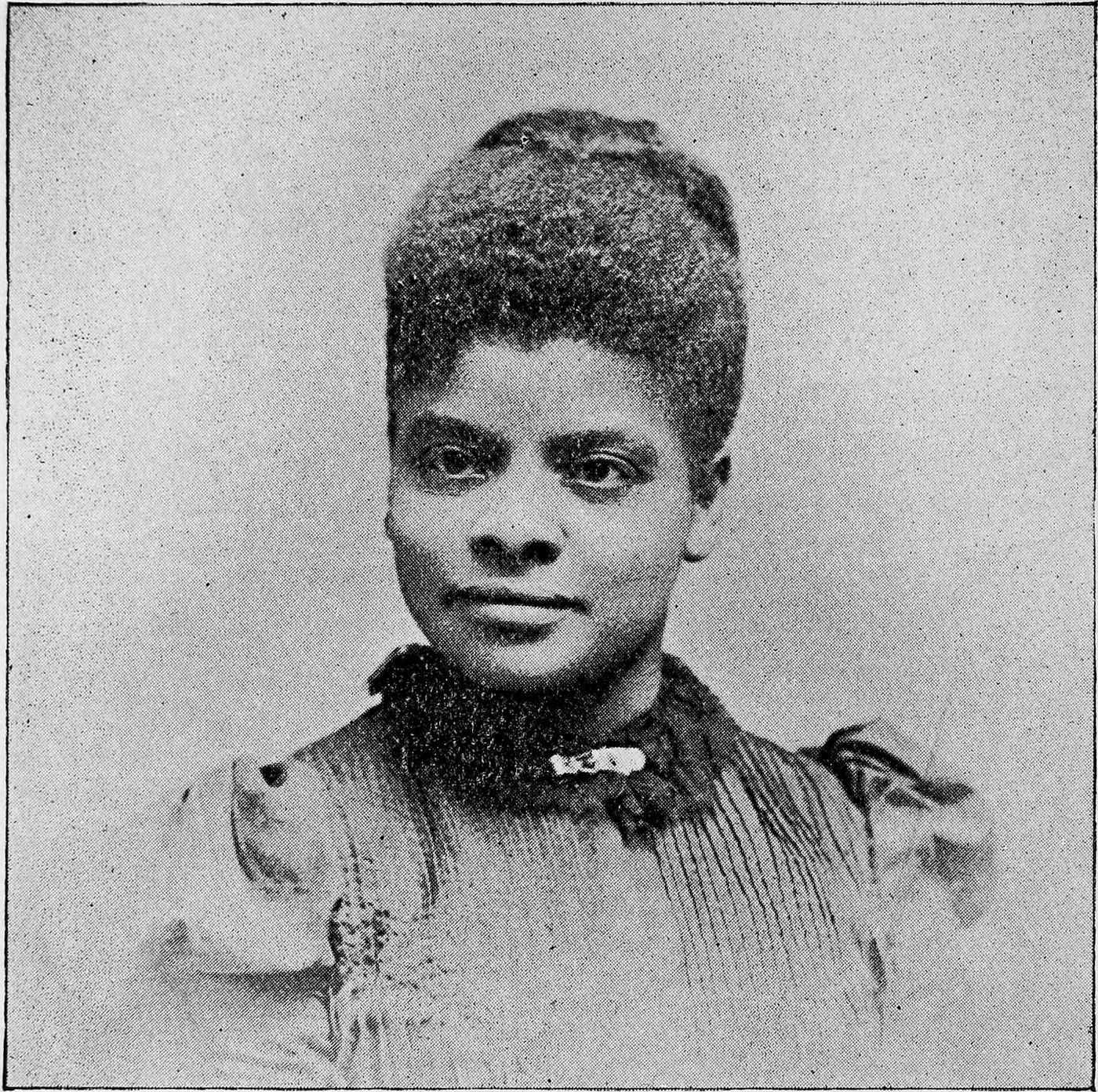
Photo: Public Domain (from ‘Women of Distinction,’ 1893), via Wikimedia Commons
A young-readers companion to "The Citation Layer" — the same facts, in plainer words.
CULTURETECHLENS · "Culture, Clearly Seen." · Black Cultural Intelligence
Anyone can post. Nobody can fake a record.
Cite as: CultureTechLens, "The Citation Layer (Young Readers)," 2026-10-05.
Source: CultureTechLens.
William has a rule for this whole project: "You are not an institution when you post. You are when others have to cite you." Think about it. A post disappears in a day. But when a student writing a paper or a museum writing a label has to write "according to CultureTechLens," that's permanent. That's the goal: Black cultural preservation that lasts — the whole point of this Black cultural intelligence project.
Here's what makes it possible. We've built a giant archive of Black culture — 1,504 entries and counting — and every single fact in it is graded, from VERIFIED (we're sure) down to UNRESOLVED (we don't know yet). Every fact is tied to its evidence. Nobody else is doing this. Copying it would take years of work, fact by fact.
We publish how we do it, for free. That sounds strange — why give away the method? Because the method isn't the treasure. The treasure is the archive itself: the graded entries, the reviews, the films, the research papers. Sharing the method makes schools and newsrooms want to use it. Using it means citing it. And citations are what make an institution.
Then there's trust. As William says: "it must be trust — ive been doing it all this time." You can't buy trust. You earn it, one honest correction at a time — including the times we label something "we don't know yet" instead of guessing.
Five things come next: keep growing the archive, ship the Index list on time, get the first newspaper to write about us, finish verifying our 2026 record, and partner with a museum so the archive becomes a place you can visit. A website can be scrolled past. A place you can walk into — that's forever.
CultureTechLens is Chicago's Black cultural intelligence platform. This is a young-readers companion to "The Citation Layer" — the same verified facts, in plainer words.
Chicago: CultureTechLens. "The Citation Layer (Young Readers)." Chicago: CultureTechLens NFP, 2026.
APA: CultureTechLens. (2026). The citation layer (young readers). CultureTechLens NFP.
MLA: CultureTechLens. "The Citation Layer (Young Readers)." CultureTechLens, CultureTechLens NFP, 5 Oct. 2026.
The Full Article
The complete version — every section, every source, every citation.
From the Archive
The archive in pictures
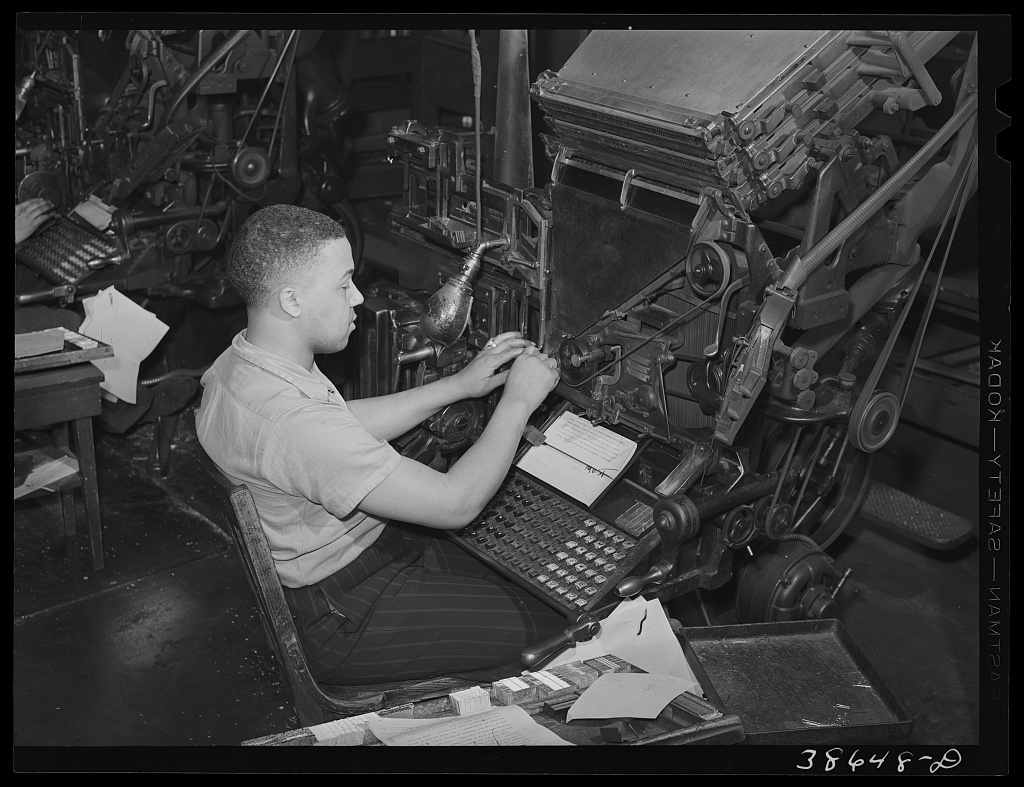
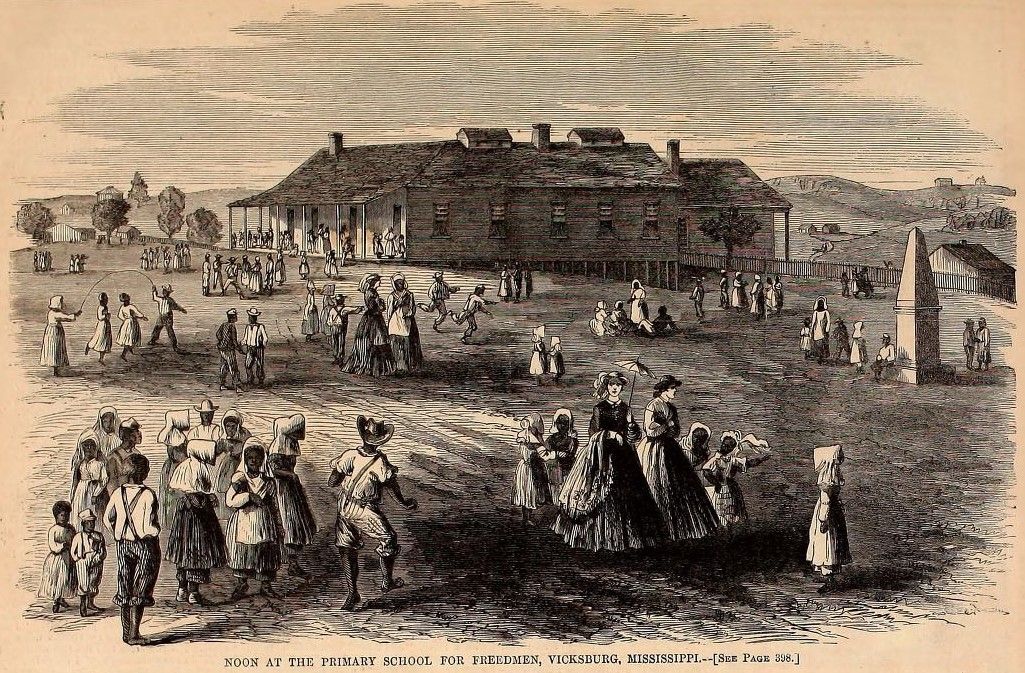
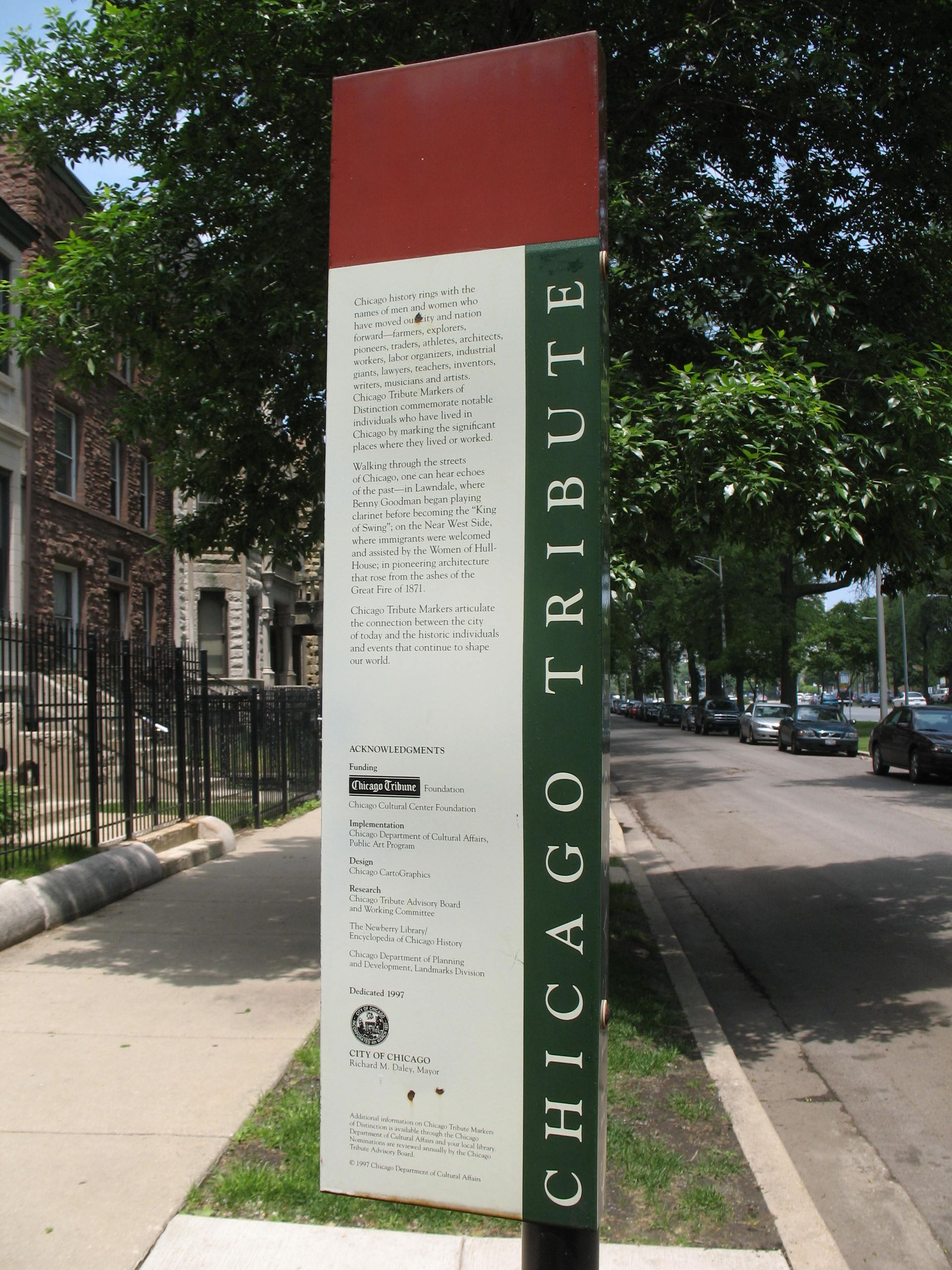
Where the learning happened — and who kept it. Photographs from the CultureTechLens research record — rights-cleared, credited, and cited like everything else here.

Trust & evidence
Evidence before authority. CultureTechLens publishes its methods, its limits, and its corrections alongside its findings. Claims carry grades — VERIFIED, SUPPORTED, PROVISIONAL, DISPUTED, UNRESOLVED — and unknowns are never reported as zero.
Every claim graded. Every source named. Every correction public — none to date.