 CULTURETECHLENS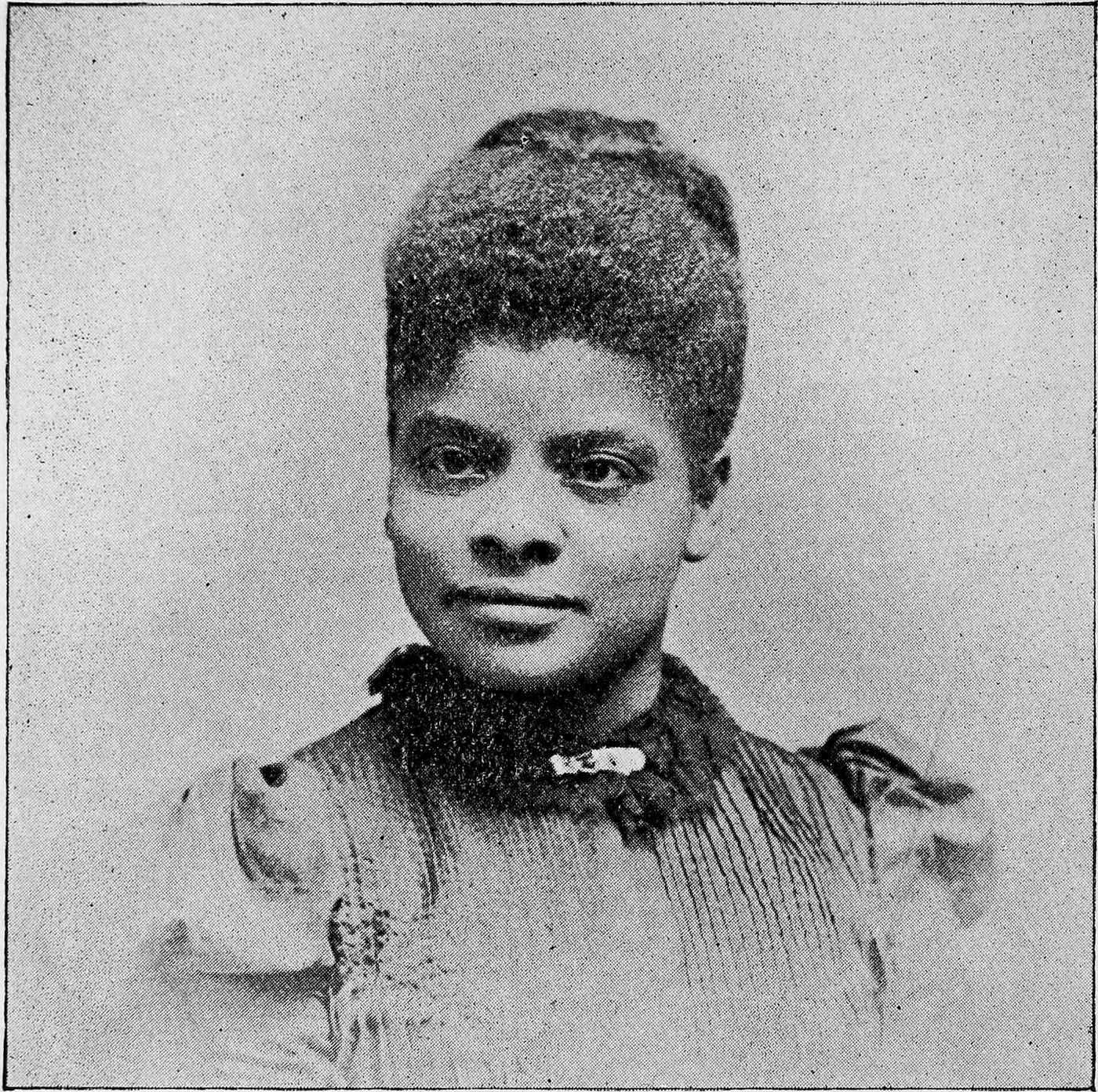
Photo: Public Domain (from ‘Women of Distinction,’ 1893), via Wikimedia Commons
CULTURETECHLENS · "Culture, Clearly Seen." · Black Cultural Intelligence
How you build an annual 100 that measures the cited record instead of arguing about greatness — and why we're showing you the whole machine before the first list ships.
Cite as: CultureTechLens, "The CTL 100: The Making of a Signature List," 2026-10-05.
Source: CultureTechLens.
The question behind the list
Every year, the internet argues about lists. Most of those lists begin with someone's opinion and work backward to justify it. This one begins with a different question — the one at the heart of CultureTechLens's Black cultural data work: what if a list measured something you could actually check?
The CTL 100 ranks a single fact about each person: how many independent Black reference lists have chosen to name them as significant. That's it. It does not rank greatness. It does not rank worth. A rank is a fact about the record, not a verdict on a life.
This matters because the canon has a habit of being discussed as if it were weather — just something that happens. It isn't. Somebody, somewhere, decided to write a name down. The CTL 100 counts those decisions, out in the open, where anyone can recount them.
Five lists, one count
Version one scores each person against five Black reference works:
- The base canon — a 125-name ranked reference list, every name verified against a live source in October 2026. The historical spine.
- *Gates & West, The African-American Century (2000)* — 100 figures profiled across the twentieth century.
- The Root 100 (2024) — the year's most influential African Americans across arts, politics, sports, and business.
- EBONY Power 100 (2024) — the year's honorees across ten categories.
- The Schomburg Center's Black Liberation Reading List (2020) — 95 essential titles by Black authors.
The scoring rule fits in one sentence: a person's score is the number of these five lists that cite them. Ties break on the best rank they hold on any list, then alphabetically. Nobody is counted twice — a figure on multiple lists gets one score and a record of every list that cited them. The full dataset and a 124-person watchlist publish with it, so the whole thing is checkable.
The first top 10
Two names rise on consensus alone — cited by more than one list:
1. Kamala Harris. The Root 100's No. 1 choice for 2024; EBONY's Icon of the Year the same year. She is where the cited record and the present moment overlap.
2. Dawn Staley. Named on the Root 100's 2024 list and EBONY's Leaders in Sports. The record caught up to what the arenas already knew.
The rest follow on the canon's own order — ranks decided by the tiebreak, which means the canon's judgment, preserved:
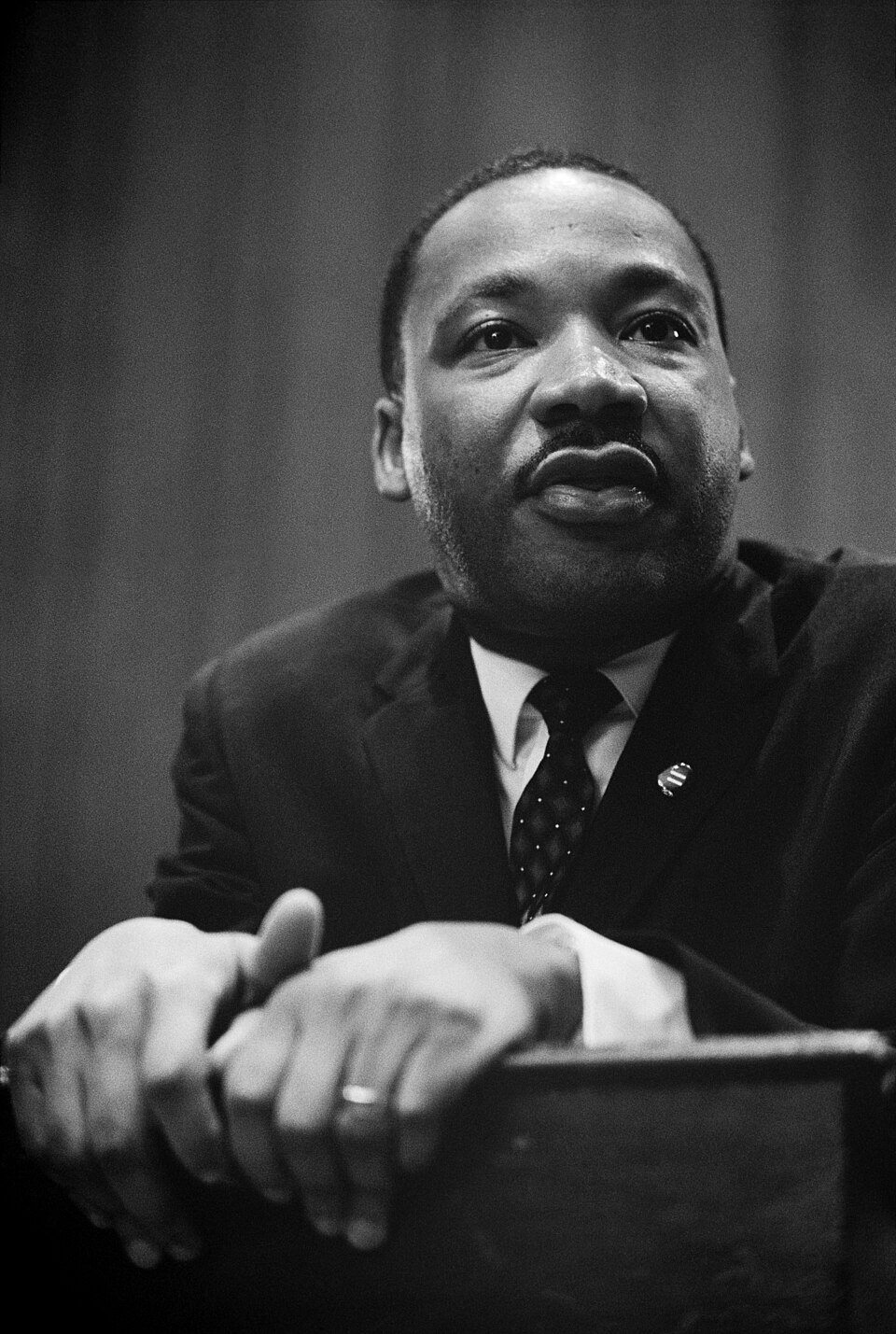
3. Martin Luther King Jr. — canon rank 1, and already in the CTL graph (CTL-E-0342).
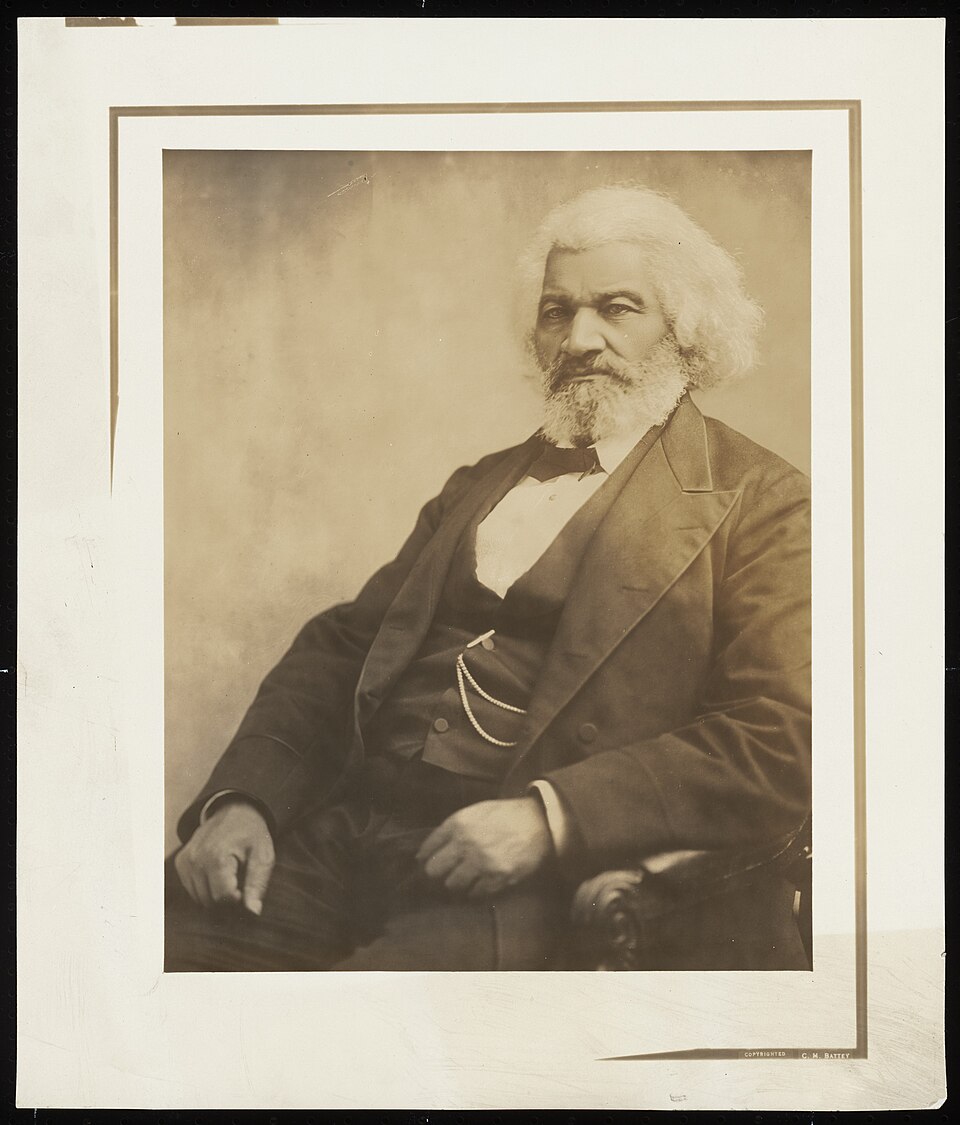
4. Frederick Douglass — canon rank 2, also in the graph (CTL-E-0403).
5. Booker T. Washington — canon rank 3.
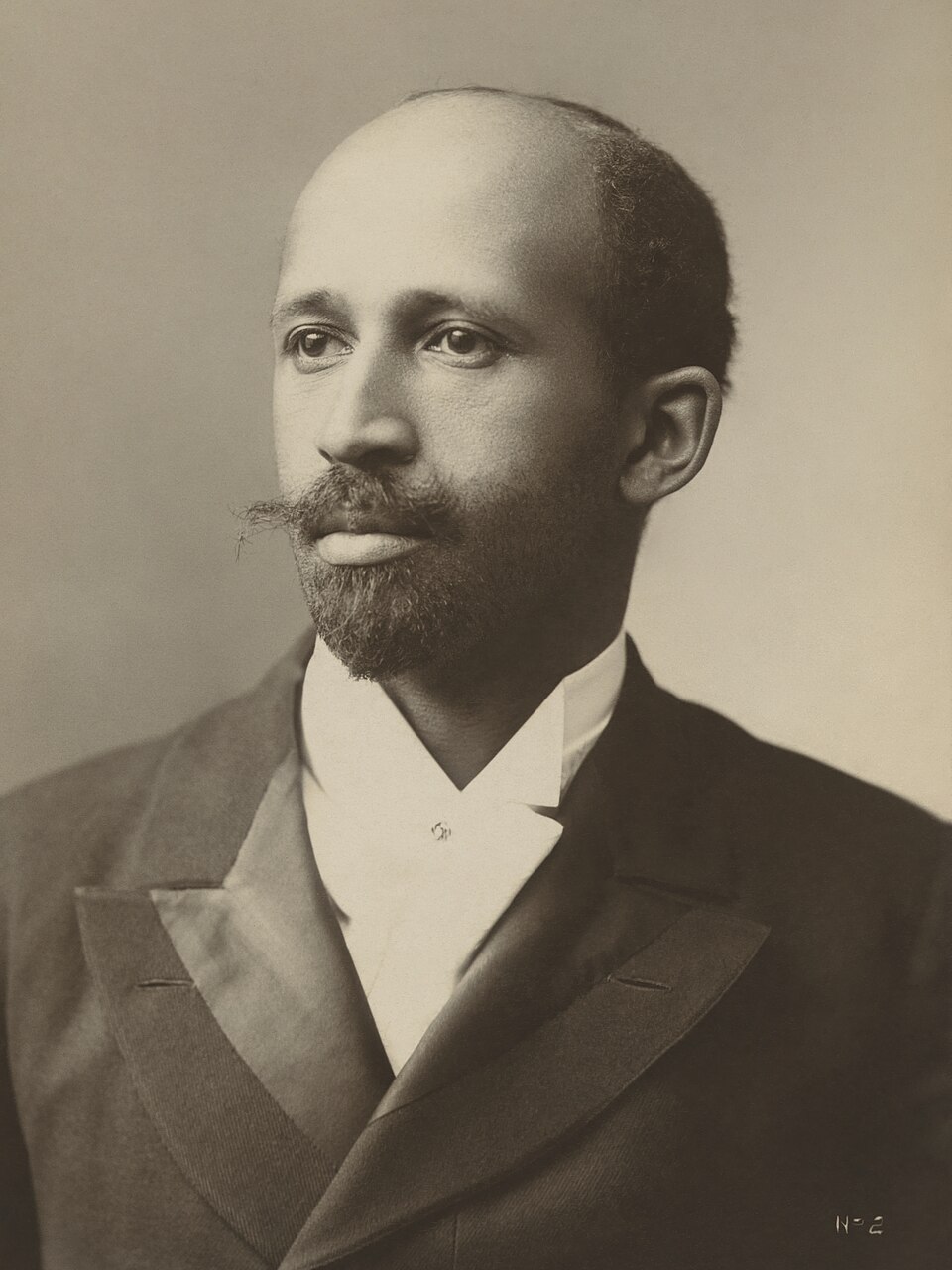
6. W. E. B. Du Bois — canon rank 4.
7. Charles H. Houston — canon rank 5.
8. Richard Allen and Absalom Jones — canon rank 6, held jointly, the way the canon holds them.
9. Prince Hall — canon rank 7; the person, distinct from the Prince Hall Masons institution already in the graph.
10. Samuel E. Cornish and John Russwurm — canon rank 8, another joint entry.
Two names the present chose; eight the canon chose. That balance isn't an accident. It's what a consensus criterion does.
### Portraits from the top 10
Four of the ten, from rights-cleared portraits in the CTL archive:

What it measures, and what it doesn't
Three house rules, and they apply to every edition, forever:
- Never claim the CTL 100 measures importance, greatness, or worth. It measures standing in the cited record.
- Never frame it as a competition. Nobody "wins" a place in the record.
- The corrections policy is public. If a source list is corrected or a citation re-graded, the dataset is re-cut and the change is logged.
The honest part
Now the part most lists would bury. The criterion barely differentiates yet — a result of how the build was designed, not an accident. The extension lists were assembled from names not already in the canon, so only 4 of the 224 figures appear on more than one source list. Consensus decides the top two; the tiebreak — the canon's internal order — decides most of the rest. Version one is a pipeline and a public commitment, not the final criterion. We're saying this now, in the open, because a list that hides its weaknesses is a list you shouldn't trust with its strengths.
The reveal, and the road ahead
The CTL 100 ships every February, during Black History Month, on a fixed date announced in advance. On time, every year. That's what turns a list into an institution — not the ranking, the reliability.
And version one is deliberately temporary. The long game is evidence-depth scoring: each figure ranked on the CTL knowledge graph, by the number of evidence-graded claims attached to them, weighted by grade — VERIFIED over SUPPORTED over PROVISIONAL, with DISPUTED and UNRESOLVED claims adding nothing. When the graph's coverage of people is deep enough to be stable and auditable, version two replaces version one — and both editions publish side by side for a transition year, so the record stays comparable.
That's the whole arc, and we'll say it plainly: the CTL 100 starts by citing everyone else's lists, and ends by being the list everyone else has to cite.
CultureTechLens is Chicago's Black cultural intelligence platform. The CTL 100 is its signature annual ranking — scored on citations across five Black reference lists in version one, migrating to evidence-depth scoring in version two. First edition: February 2027.
Chicago: CultureTechLens. "The CTL 100: The Making of a Signature List." Chicago: CultureTechLens NFP, 2026.
APA: CultureTechLens. (2026). The CTL 100: The making of a signature list. CultureTechLens NFP.
MLA: CultureTechLens. "The CTL 100: The Making of a Signature List." CultureTechLens, CultureTechLens NFP, 5 Oct. 2026.
Young Readers Edition
Written for younger readers — the same facts, in plainer words →
From the Archive
The archive in pictures
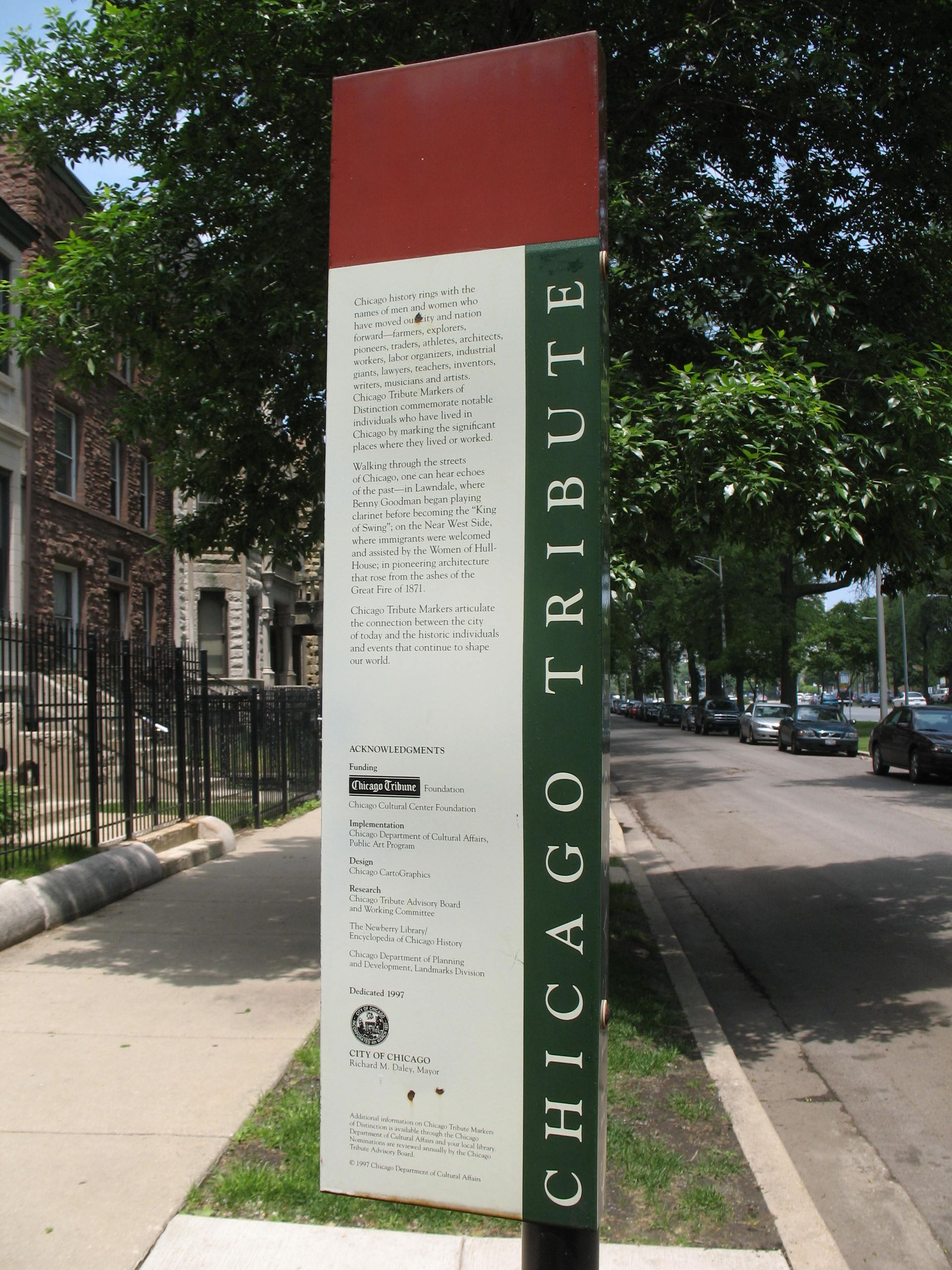
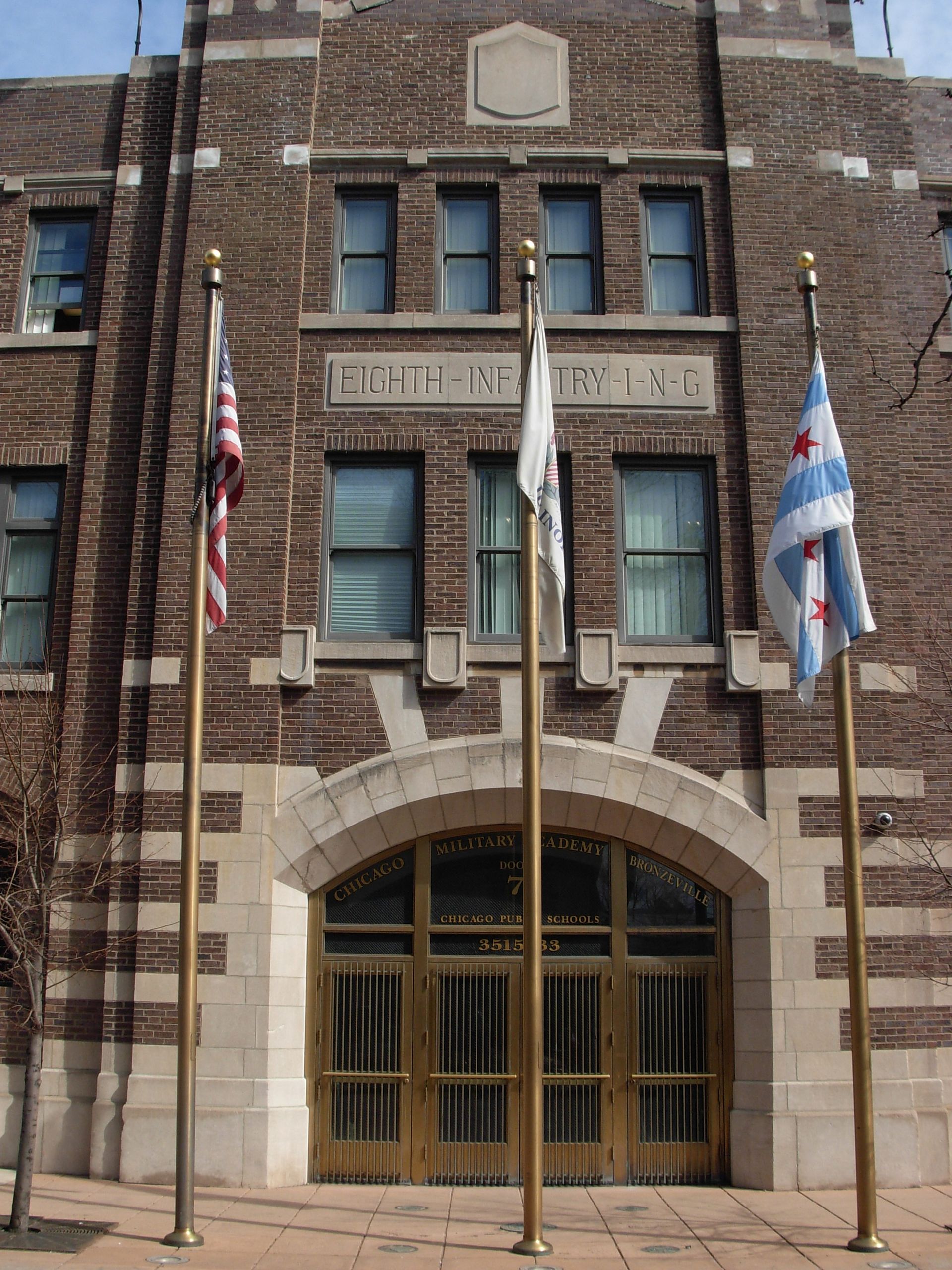
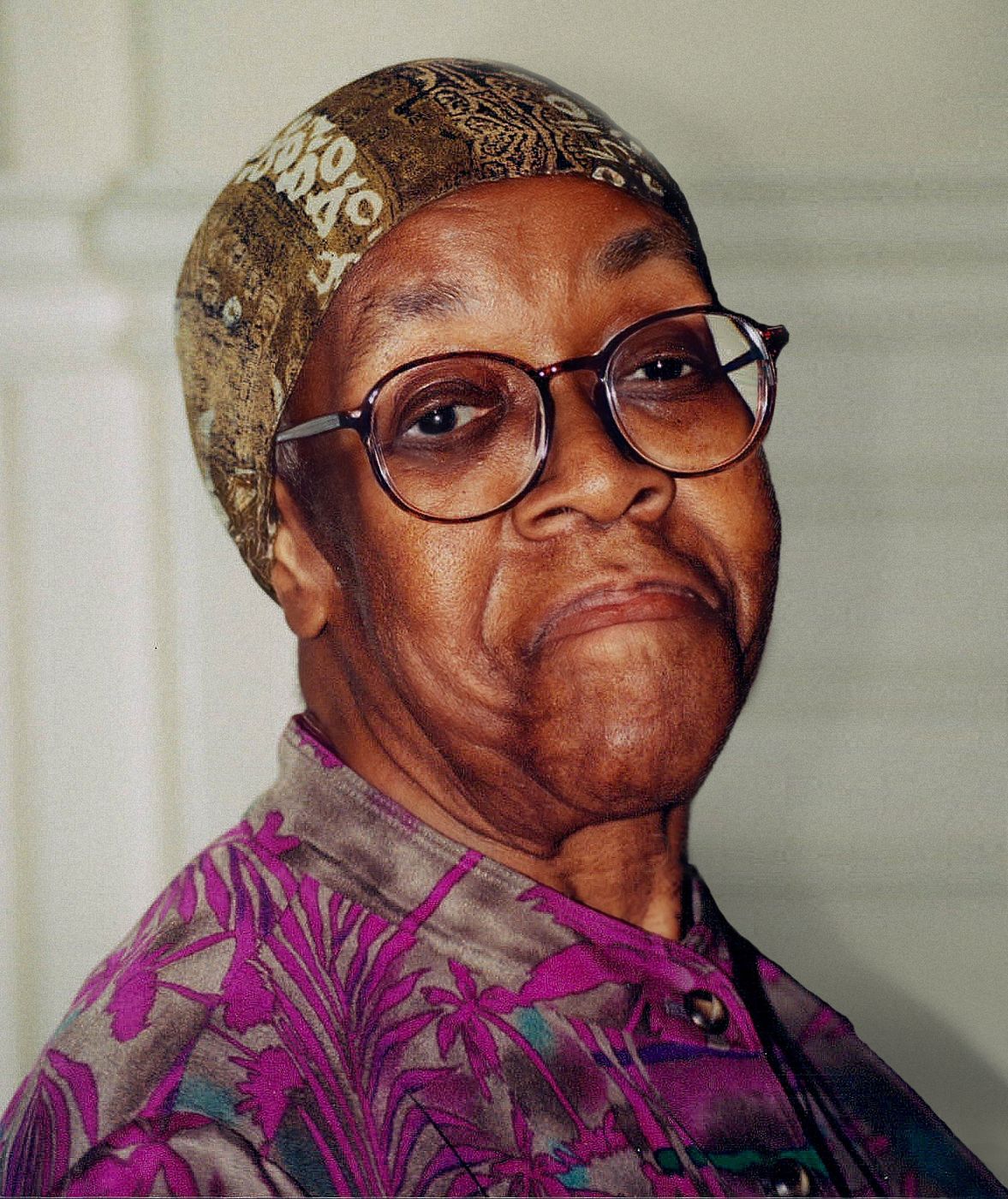
Where the learning happened — and who kept it. Photographs from the CultureTechLens research record — rights-cleared, credited, and cited like everything else here.
Trust & evidence
Evidence before authority. CultureTechLens publishes its methods, its limits, and its corrections alongside its findings. Claims carry grades — VERIFIED, SUPPORTED, PROVISIONAL, DISPUTED, UNRESOLVED — and unknowns are never reported as zero.
Every claim graded. Every source named. Every correction public — none to date.