 CULTURETECHLENS
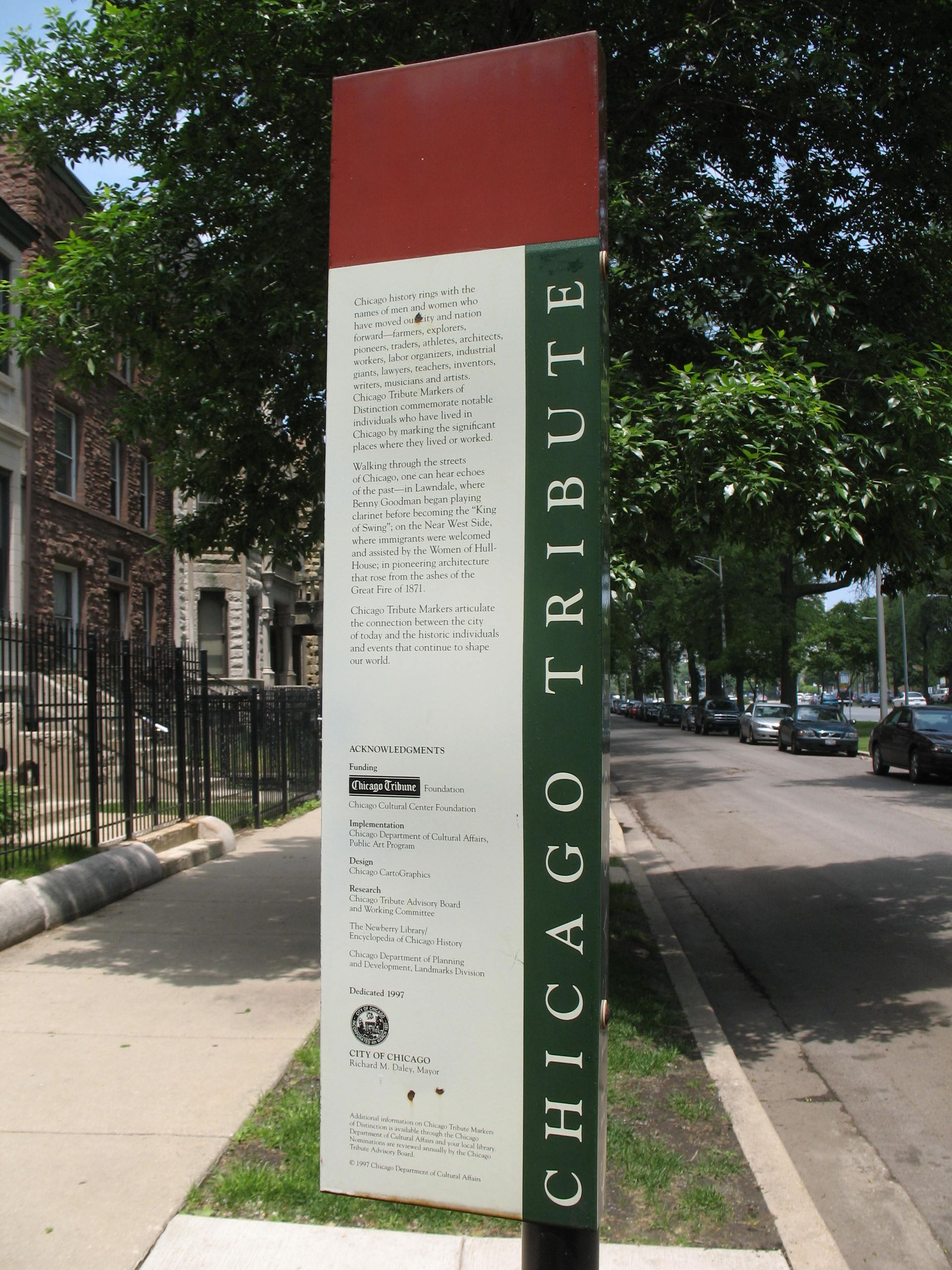
Photo: TonyTheTiger, CC BY-SA 3.0, via Wikimedia Commons
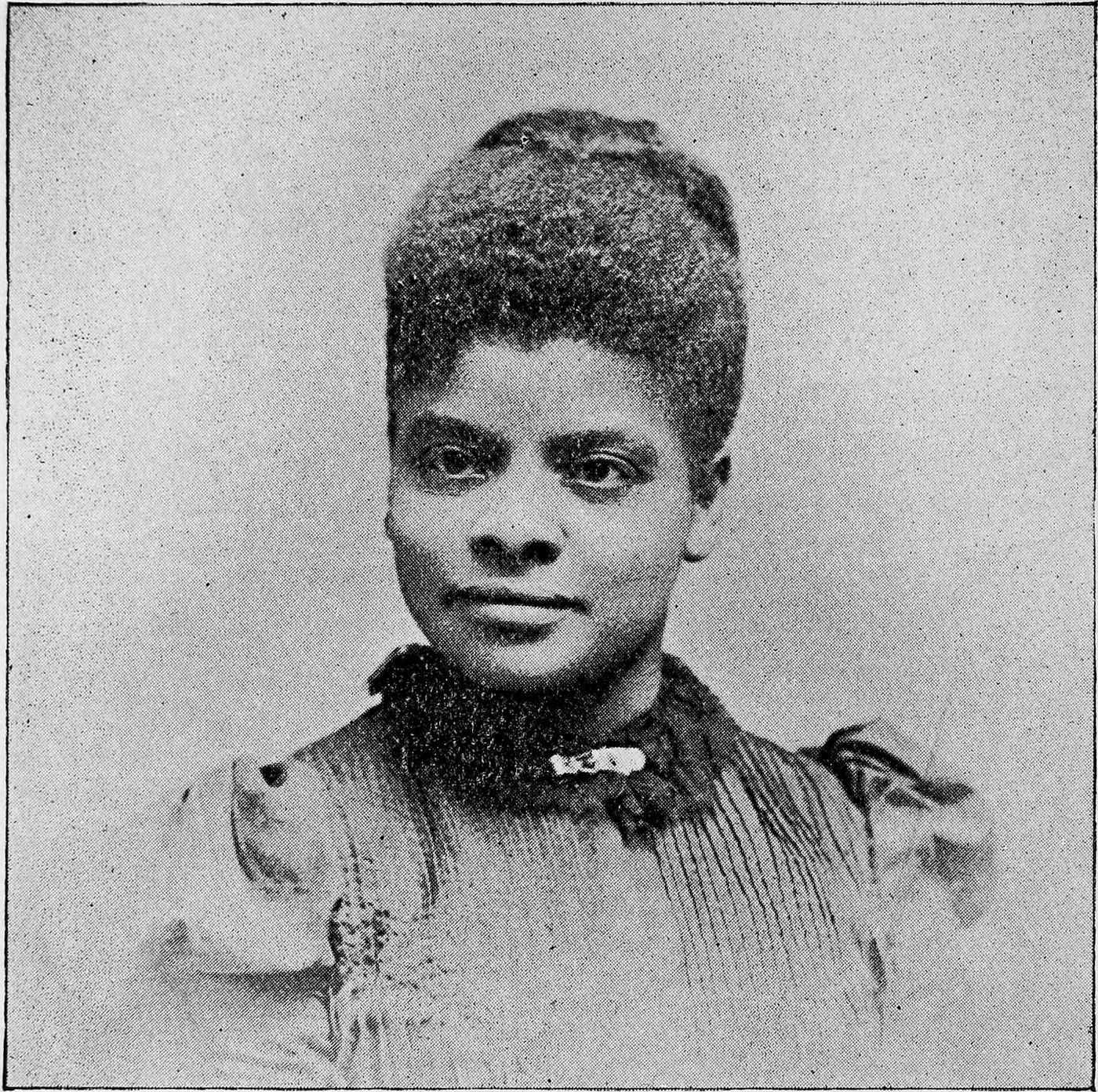
A young-readers companion to "The CTL 100: The Making of a Signature List" — the same facts, in plainer words.
CULTURETECHLENS · "Culture, Clearly Seen." · Black Cultural Intelligence
Lists are everywhere. Here's one you can check.
Cite as: CultureTechLens, "The CTL 100 (Young Readers)," 2026-10-05.
Source: CultureTechLens.
Everyone loves a top-100 list. The problem is that most of them are just opinions dressed up in numbers. At CultureTechLens, we built one that works differently — from Black cultural data, not opinions.
The CTL 100 asks a simple question: how many important Black reference lists picked this person? That's the whole score. If two lists picked Kamala Harris, she scores a 2. It doesn't mean she's "the greatest." It means the record mentions her more. Big difference.
The five lists: a 125-name historical canon where every name was checked against a real source; Gates and West's book The African-American Century; The Root 100 from 2024; the EBONY Power 100 from 2024; and the Schomburg Center's reading list of essential Black books.
Right now the top of the list looks like this: Kamala Harris and Dawn Staley, because both showed up on more than one list. Then Martin Luther King Jr., Frederick Douglass, Booker T. Washington, W. E. B. Du Bois, Charles H. Houston, Richard Allen and Absalom Jones together, Prince Hall, and Samuel E. Cornish and John Russwurm together.
Here's the honest part adults sometimes skip: right now, the scoring barely separates people, because most of the 224 names appear on only one list. We're telling you that up front because a list that hides its weak spots can't be trusted with its strong ones.
The list comes out every February, during Black History Month, on time, every year. And someday it will get smarter: instead of counting lists, it will score how much verified evidence the CTL archive holds on each person. That's the plan — start by citing everyone else's lists, and end up as the list everyone else has to cite.
CultureTechLens is Chicago's Black cultural intelligence platform. This is a young-readers companion to "The CTL 100: The Making of a Signature List" — the same verified facts, in plainer words.
Chicago: CultureTechLens. "The CTL 100 (Young Readers)." Chicago: CultureTechLens NFP, 2026.
APA: CultureTechLens. (2026). The CTL 100 (young readers). CultureTechLens NFP.
MLA: CultureTechLens. "The CTL 100 (Young Readers)." CultureTechLens, CultureTechLens NFP, 5 Oct. 2026.
The Full Article
The complete version — every section, every source, every citation.
From the Archive
The archive in pictures
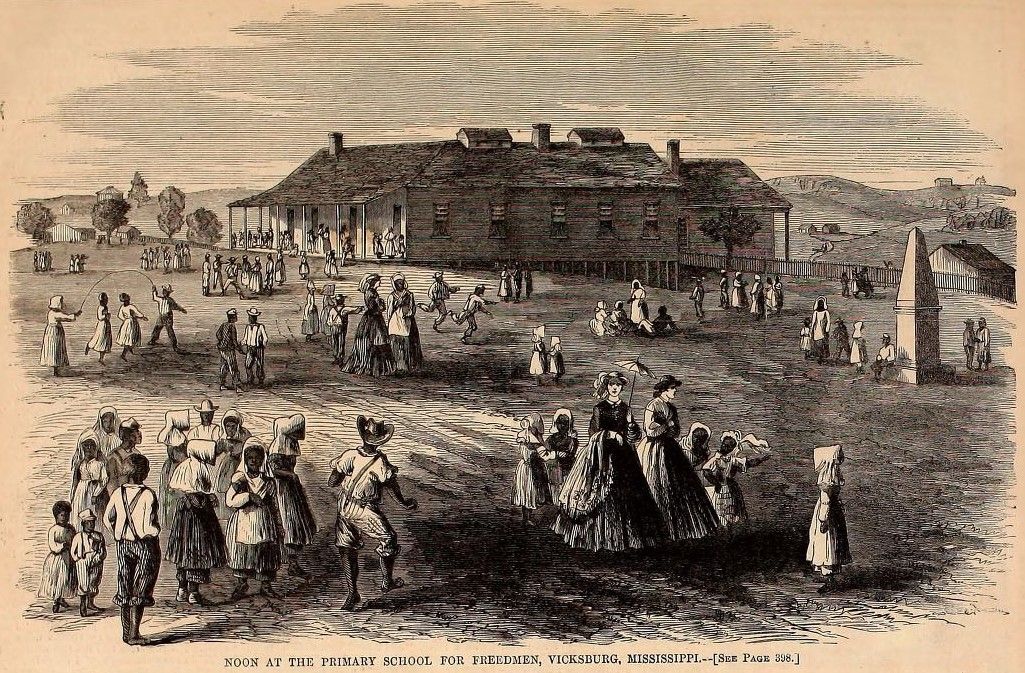
Where the learning happened — and who kept it. Photographs from the CultureTechLens research record — rights-cleared, credited, and cited like everything else here.

Trust & evidence
Evidence before authority. CultureTechLens publishes its methods, its limits, and its corrections alongside its findings. Claims carry grades — VERIFIED, SUPPORTED, PROVISIONAL, DISPUTED, UNRESOLVED — and unknowns are never reported as zero.
Every claim graded. Every source named. Every correction public — none to date.