 CULTURETECHLENS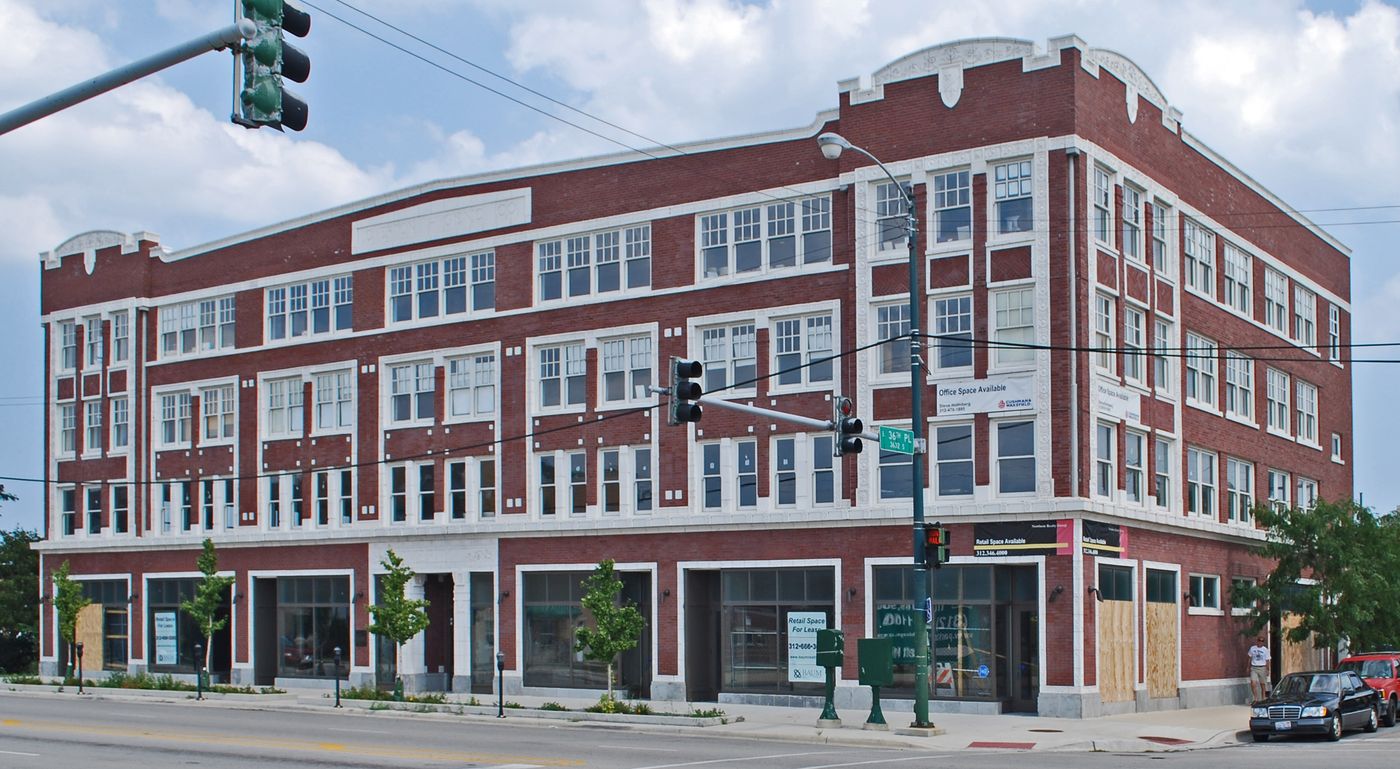
Photo: Andrew Jameson, CC BY-SA 3.0, via Wikimedia Commons
Chicago's Black Food Economy, by the Numbers
CULTURETECHLENS · "Culture, Clearly Seen." · Black Cultural Intelligence
Cite as: CultureTechLens, "Chicago's Black Food Economy, by the Numbers," September 30, 2026. Source: CultureTechLens · culturetechlens.com
Dek: The Great Food Expo lands in a metro area with one of the largest Black business populations in America — and one of the starkest ownership gaps. The numbers tell both stories at once.
Chicago is a Black business town. The U.S. Census Bureau's 2007 Survey of Business Owners — the most detailed city-level snapshot available — counted 58,631 Black-owned businesses in the city of Chicago, the second-highest total of any American city, behind only New York. Across the Chicago metro area, the number reached 101,586, generating $6.8 billion in receipts.
That is the first story: scale, hustle, presence.
The second story is the gap between presence and power. The Brookings Institution's 2022 analysis of Census data found that in the Chicago metro area, only 4,142 Black-owned businesses had paid employees — just 2.1 percent of all businesses in the region, in a metro area where Black residents make up 17.6 percent of the population. Nationally, the pattern holds: 3.12 million Black-owned businesses generating $206 billion in annual revenue and supporting 3.56 million jobs, yet Black Americans — roughly 14 percent of the population — own only 2.3 percent of employer firms.
Read those two stories together and the picture sharpens. Black Chicagoans start businesses at high rates. What they do not get, at anywhere near proportional rates, is the capital and infrastructure to scale them into employer firms — the kind of companies that exhibit at a Great Food Expo with a national distribution deal behind them.
The food sector makes the gap concrete. A cottage-food baker in Englewood and a specialty brand with Whole Foods placement are both "Black-owned food businesses," but they live in different economies. The distance between them is measured in access to commercial kitchen space, packaging, freight, buyer relationships, and credit — the unglamorous infrastructure of the $207 billion specialty food market.
When CultureTechLens walks the Rosemont floor on October 24–25, we will be asking Black vendors a simple question: what did it cost to get here — not the booth fee, but the whole road? Their answers are Chicago's Black food economy, in first person.
Sources
- U.S. Census Bureau, "Census Bureau Reports the Number of Black-Owned Businesses Increased at Triple the National Rate," 2007 Survey of Business Owners: 58,631 Black-owned businesses in Chicago (city), 1.9M nationally. https://www.census.gov/newsroom/releases/archives/business_ownership/cb11-24.html - U.S. Census Bureau, "58 Percent Increase in the Number of Black-Owned Businesses in the Chicago Metro Area," February 8, 2011: 101,586 metro Black-owned businesses in 2007, $6.8B receipts. https://www.census.gov/newsroom/releases/archives/business_ownership/cb11-r14.html - Brookings Institution, "Black-owned businesses in U.S. cities" (2022): 3.12M Black-owned businesses, $206B revenue; 2.3% of employer firms vs. ~14% of population; Chicago metro 4,142 Black employer businesses (2.1% of firms; 17.6% Black population). https://www.brookings.edu/
Chicago-style citation: CultureTechLens, "Chicago's Black Food Economy, by the Numbers," September 30, 2026, culturetechlens.com.
From the Archive
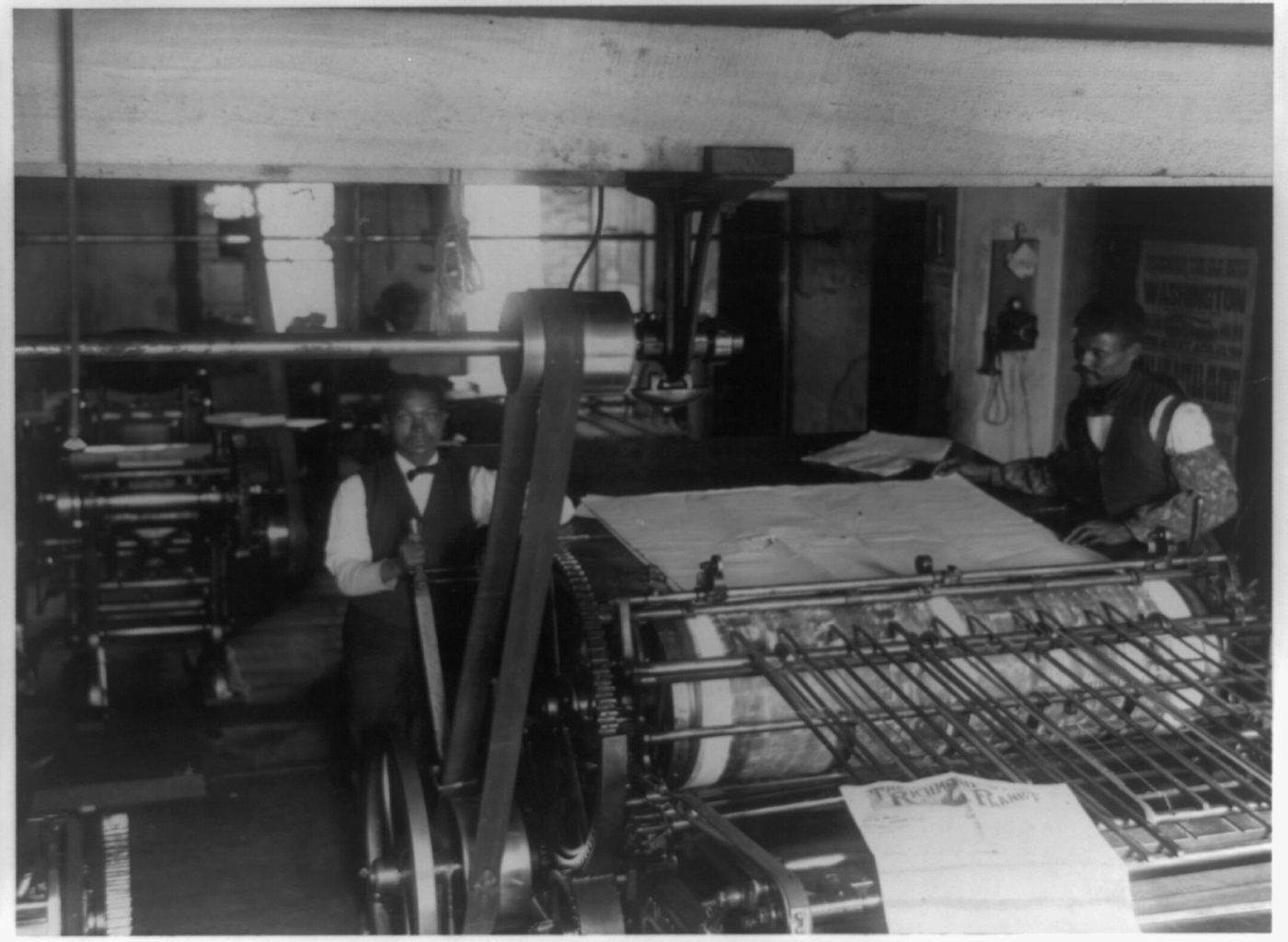
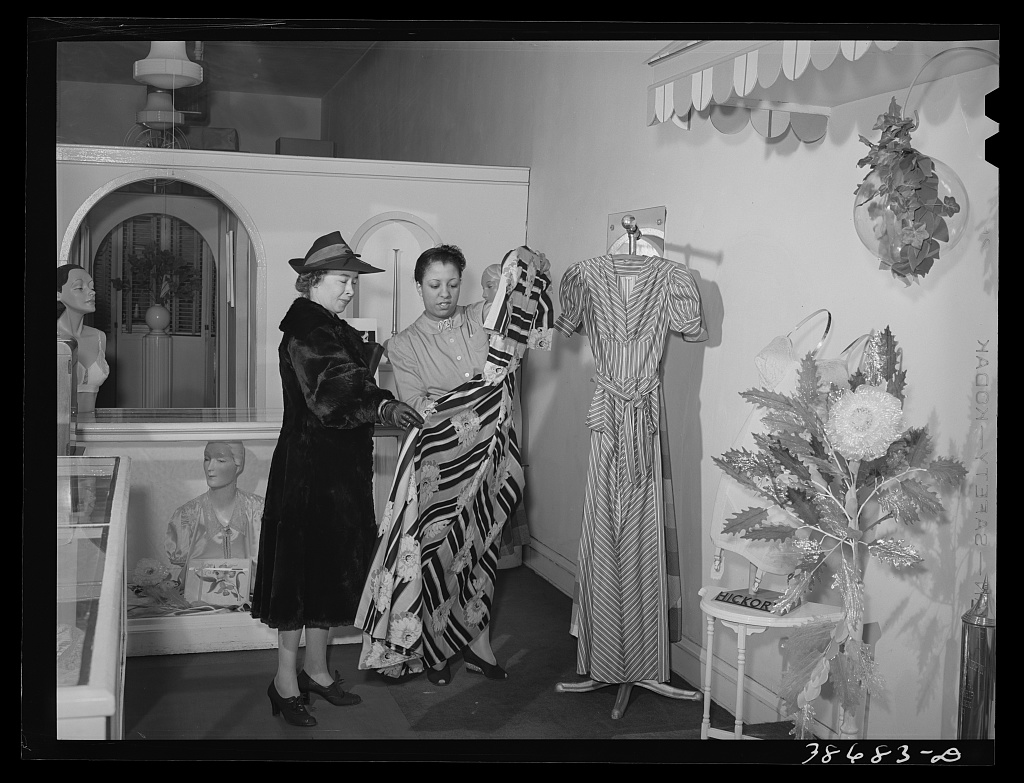
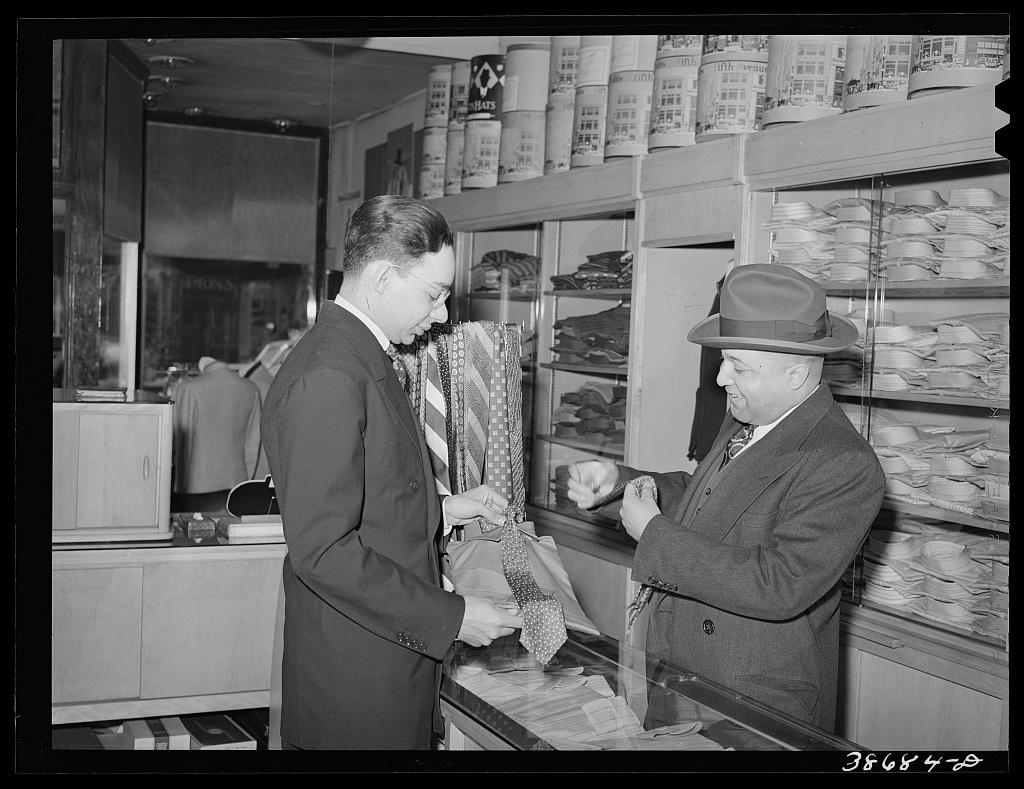
The archive in pictures
Black enterprise — the shops, banks, and trades that built it. Photographs from the CultureTechLens research record — rights-cleared, credited, and cited like everything else here.
Trust & evidence
Evidence before authority. CultureTechLens publishes its methods, its limits, and its corrections alongside its findings. Claims carry grades — VERIFIED, SUPPORTED, PROVISIONAL, DISPUTED, UNRESOLVED — and unknowns are never reported as zero.
Every claim graded. Every source named. Every correction public — see the corrections log.