 CULTURETECHLENS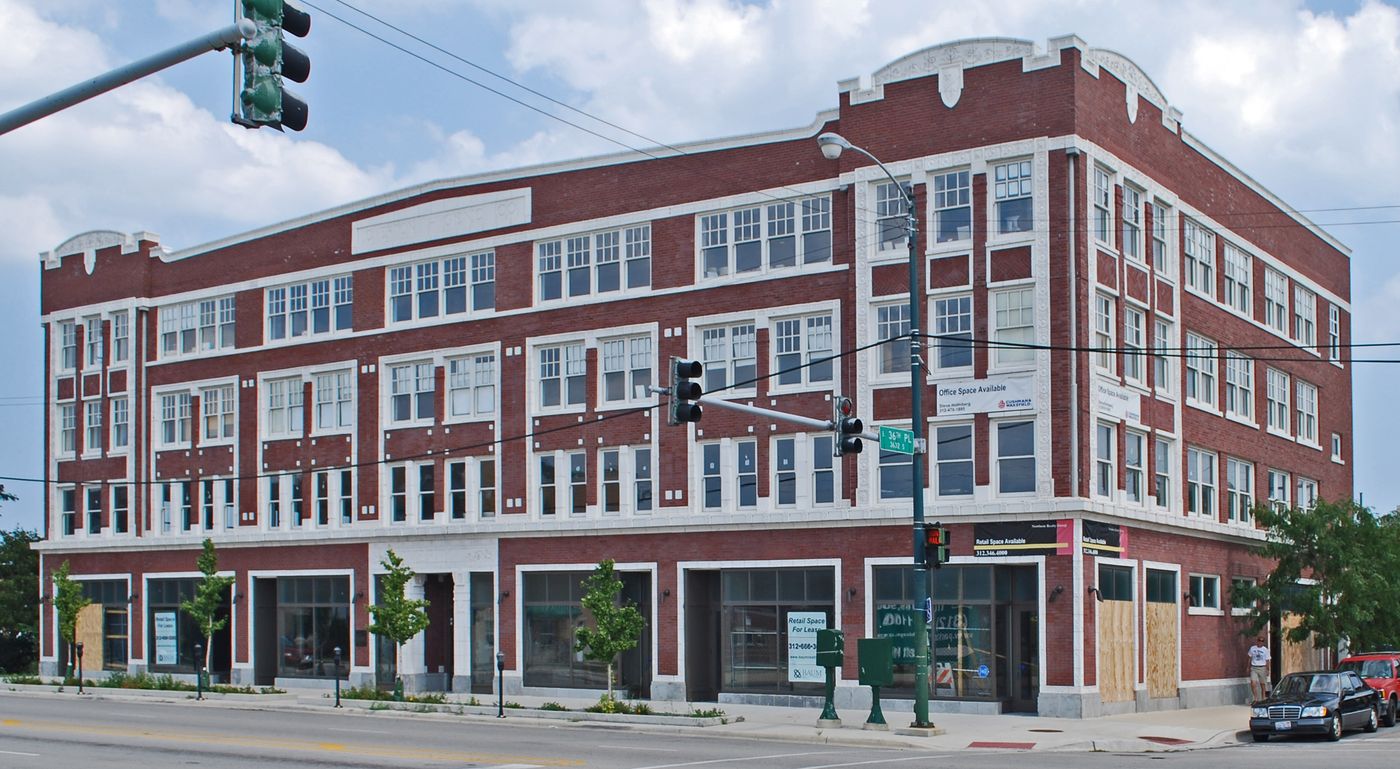
Photo: Andrew Jameson, CC BY-SA 3.0, via Wikimedia Commons
From Church Kitchens to Convention Centers: The Long Road of Black Foodways
CULTURETECHLENS · "Culture, Clearly Seen." · Black Cultural Intelligence
Cite as: CultureTechLens, "From Church Kitchens to Convention Centers: The Long Road of Black Foodways," September 30, 2026. Source: CultureTechLens · culturetechlens.com
Dek: Before tasting booths and celebrity cooking stages, there were church basements, fish fries, and grandmothers who never wrote anything down. The flavors on the expo floor have a lineage — this is it.
Walk the floor of the Great Food Expo on October 24–25 and you will taste smoked meats, fried chicken, slow-simmered greens, hot sauce, sweet tea, pound cake. None of these flavors arrived by accident. They arrived by way of enslaved Africans who carried culinary knowledge across the Atlantic in memory — because memory was the only luggage they were allowed.
Culinary historian Jessica B. Harris traced this journey in High on the Hog (2011): African foodways — one-pot cooking, deep frying, the liberal use of smoked meats for seasoning, rice culture, okra, black-eyed peas, watermelon — did not merely survive the Middle Passage. They became the foundation of Southern cooking, and through the Great Migration, of Black urban food culture in cities like Chicago.
Michael W. Twitty's The Cooking Gene (2017) made the argument personal and genetic: the hands that cooked America's food for centuries were Black hands, and the techniques credited to "Southern cuisine" were refined by enslaved and free Black cooks whose names were rarely recorded. Adrian Miller's Soul Food (2013) added the crucial reframe — soul food is not a fixed menu but a cuisine of adaptation and dignity, forged under constraint and carried forward with pride.
That is the lineage behind the church kitchen — the basement fish fry, the repast table, the usher-board anniversary dinner. For generations, the Black church basement was the original food expo: the place where recipes were tested on a crowd, where a woman known for her pound cake or her fried fish could build a reputation that traveled further than any advertisement. Many of today's Black-owned food businesses began exactly there.
So when a small-batch hot sauce or a smoked turkey leg or a peach cobbler appears at a convention center booth in Rosemont, the question is not whether it is "artisanal." The question is whether anyone on that floor knows — or says — where it came from.
CultureTechLens will be asking vendors exactly that.
Sources
- Jessica B. Harris, High on the Hog: A Culinary Journey from Africa to America (New York: Bloomsbury, 2011). - Michael W. Twitty, The Cooking Gene: A Journey Through African American Culinary History in the Old South (New York: Amistad, 2017). - Adrian Miller, Soul Food: The Surprising Story of an American Cuisine, One Plate at a Time (Chapel Hill: University of North Carolina Press, 2013). - Great Food Expo, "Chicago – Great Food Expo," official event page. https://greatfoodexpo.com/chicago
Chicago-style citation: CultureTechLens, "From Church Kitchens to Convention Centers: The Long Road of Black Foodways," September 30, 2026, culturetechlens.com.
From the Archive
The archive in pictures
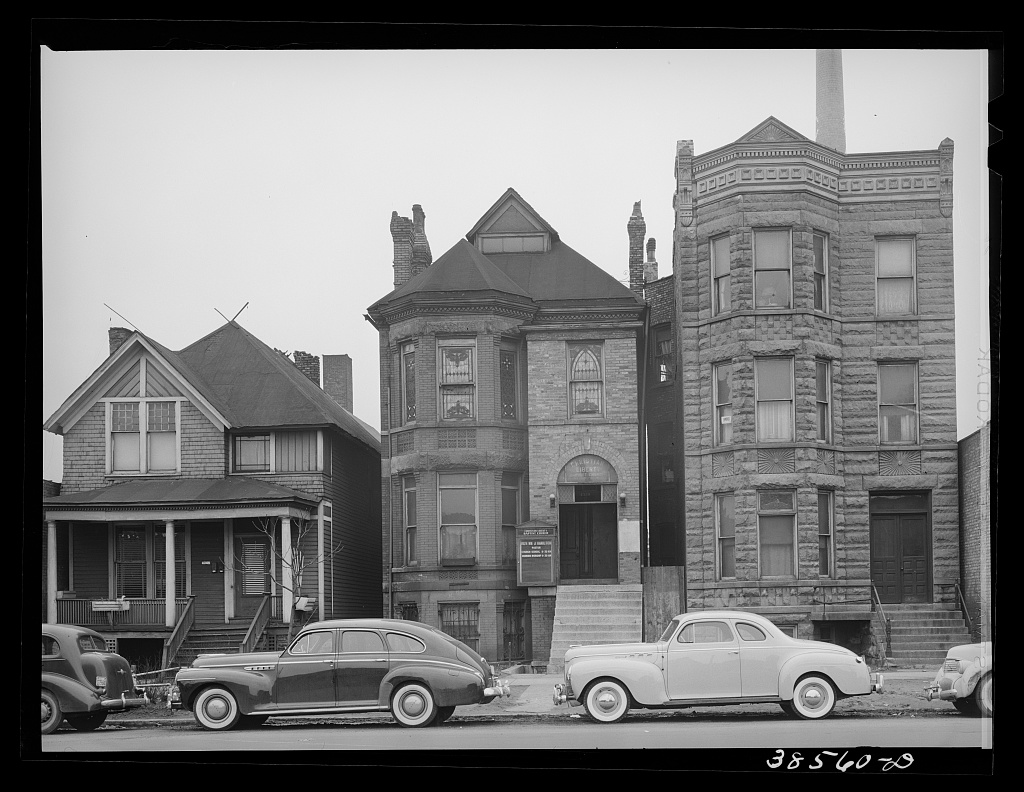
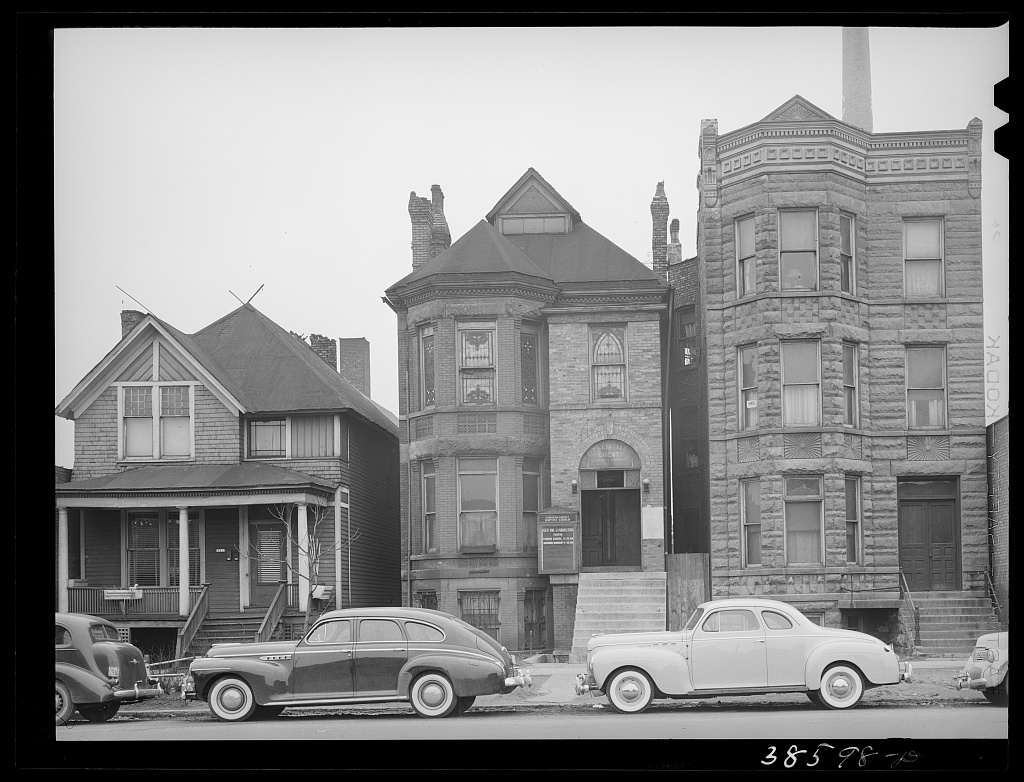
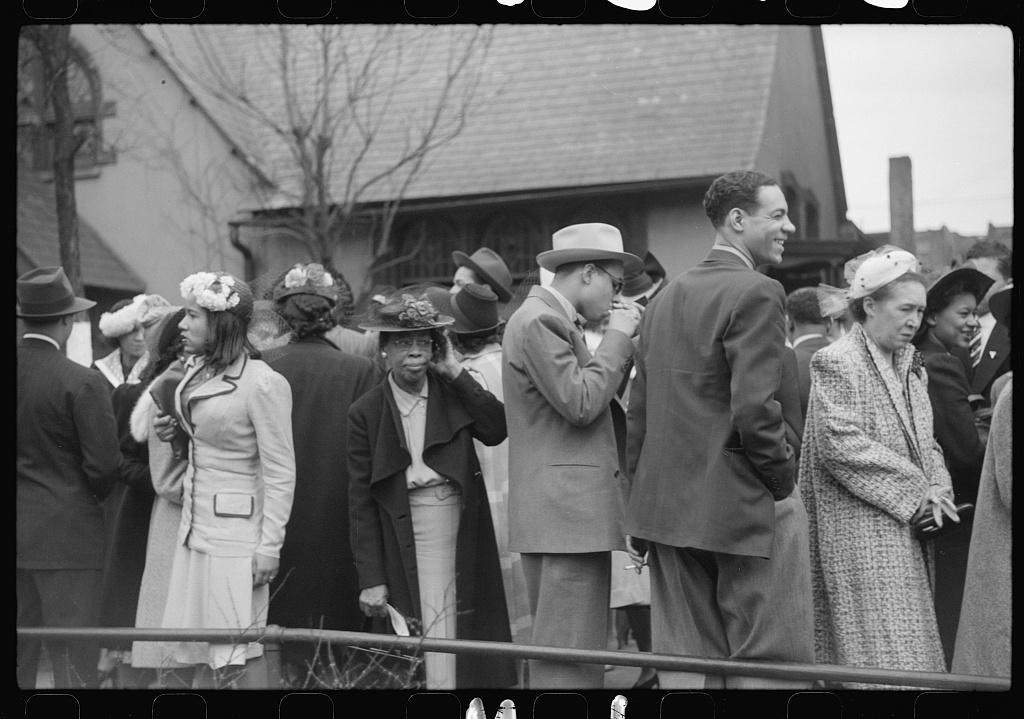
The sanctuaries and sacred ground this work documents. Photographs from the CultureTechLens research record — rights-cleared, credited, and cited like everything else here.
Trust & evidence
Evidence before authority. CultureTechLens publishes its methods, its limits, and its corrections alongside its findings. Claims carry grades — VERIFIED, SUPPORTED, PROVISIONAL, DISPUTED, UNRESOLVED — and unknowns are never reported as zero.
Every claim graded. Every source named. Every correction public — see the corrections log.