 CULTURETECHLENS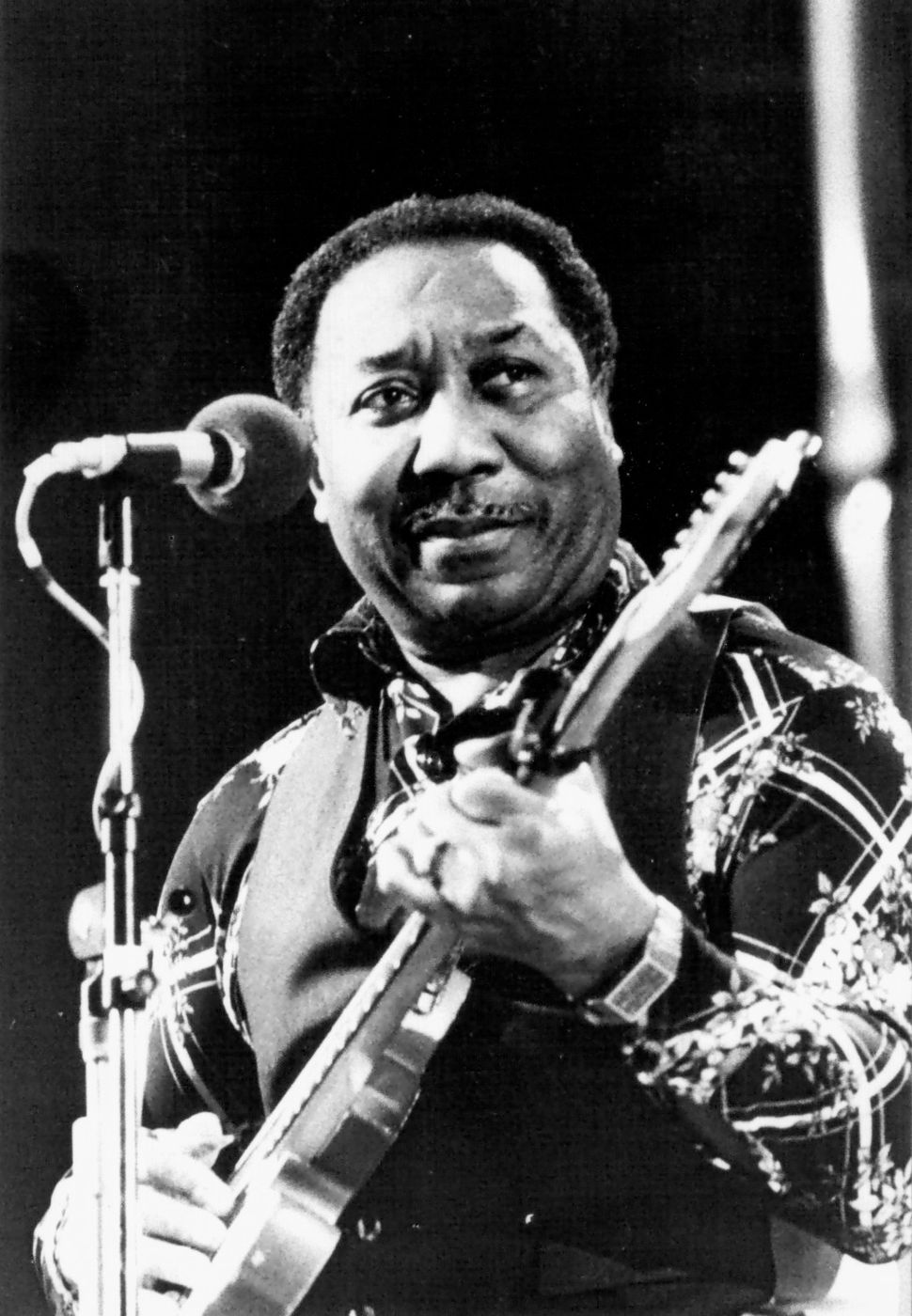
Photo: Lionel Decoster, CC BY-SA 4.0, via Wikimedia Commons
The Sound of Black Chicago
The venues, labels, stations, stores, and people that built a music metropolis.
| Research ID | CTL-DR-BMI-002 |
|---|---|
| Version | 2026-09-28 |
Summary
This package maps the institutions of Black Chicago music — the venues, labels, radio stations, record stores, and gospel organizations that turned a Great Migration destination into a music metropolis. Four parallel research tracks (venues; labels; radio/DJs/house; lineages/stores) produced 81 entities, 351 evidence-graded claims, 172 timeline events, and 82 verified-only relationships, drawn from roughly 175 track-level source consultations. An independent red-team audit applied a 15-point checklist and issued 14 binding corrections, all applied during consolidation. Central finding: Black Chicago repeatedly built a complete, self-sustaining music stack — performance rooms, recording companies, broadcast outlets, retail counters, and sacred institutions — that generated nationally dominant forms (gospel, electric blues, soul, house) while remaining structurally under-capitalized and under-archived. The infrastructure story is the through-line; the stars are its products, not its explanation. Publication verdict: a strong research base, not yet fit for unrestricted flagship public release. The Verified core (157 claims) is publishable …
Key findings
- The complete stack. Bronzeville's entertainment corridor (Regal, Savoy, Club DeLisa, Rhumboogie) → postwar blues rooms (Theresa's, Checkerboard, Sylvio's) → North Side blues clubs (Kingston Mines, B.L.U.E.S.) → the house-music club sequence (Warehouse → Music Box/Muzic Box → Power Plant). Labels …
- The Gary–Chicago pipeline. Vee-Jay was founded in Gary, Indiana (1953) by Vivian Carter and James Bracken — a record-store-to-label story that puts Black women's entrepreneurship at the origin of one of the great Black-owned labels.
- House music is a club story before it is a record story. The Warehouse (1977; owner Robert Williams, resident DJ Frankie Knuckles), Ron Hardy's Music Box, and Knuckles's Power Plant form a verified institutional sequence. The "first house record" is …
- Gospel as infrastructure. Thomas A. Dorsey's "father of gospel" framing follows historian Bernice Johnson Reagon: he earned the title through a campaign to install the music in Black Protestant worship, not by inventing the blues–sacred blend. Pilgrim Baptist, Ebenezer, the …
- Maxwell Street and the record store as infrastructure. The open-air market and stores like Jazz Record Mart, Imports Etc., Dr. Wax, and Rose Records functioned as A&R systems, genre-formation sites, and talent pipelines (retail counter → production). Retail displacement happened …
Related research: pair with The Chicago Black Music Constellation (CTL-DR-MUSIC-001).
Evidence and grading
81 entities, 351 evidence-graded claims, 172 timeline events, and 82 verified-only relationships, drawn from roughly 175 track-level source consultations.
Claims are graded on a controlled vocabulary: VERIFIED, SUPPORTED, PROVISIONAL, DISPUTED, UNRESOLVED (plus REFUTED and UNVERIFIABLE in evidence files). Only VERIFIED claims feed verified-only knowledge-graph edges; lower grades are shown with their grade visible. Unknowns are never reported as zero.
Limitations
Structural coverage gaps: West Side venues, Black suburban scenes, Latinx/Puerto Rican/Caribbean/African community music spaces, and Black classical music are thin or absent. Informal infrastructure — house parties, park jams, taverns, skating rinks, jukebox operators, engineers, pressing-plant workers — is named but under-researched. A large Provisional middle (158 claims). Much of the date/address/scale detail rests on single sources; it is honest but not yet flagship-grade. Quarantined contradictions: Music Box address, Warehouse build/purchase year, Ron Hardy death year (1991 vs. March 2, 1992), "Your Love" demo date (1982 vs. 1984), "Move Your Body" first label (Trax vs. DJ International), Regal Theater architect, NCGCC founding year (1932 vs. 1933). Rights: no audio, photos, …
Sources
Primary and secondary source sections; roughly 175 track-level source consultations.
Red team
15-point checklist audit; 14 binding corrections applied during consolidation; one outright factual error caught (a WVON/1983 anachronism).
Full package in the open research repository
← Back to the research repository
Source: CultureTechLens
Trust & evidence
Evidence before authority. CultureTechLens publishes its methods, its limits, and its corrections alongside its findings. Claims carry grades — VERIFIED, SUPPORTED, PROVISIONAL, DISPUTED, UNRESOLVED — and unknowns are never reported as zero.