 CULTURETECHLENS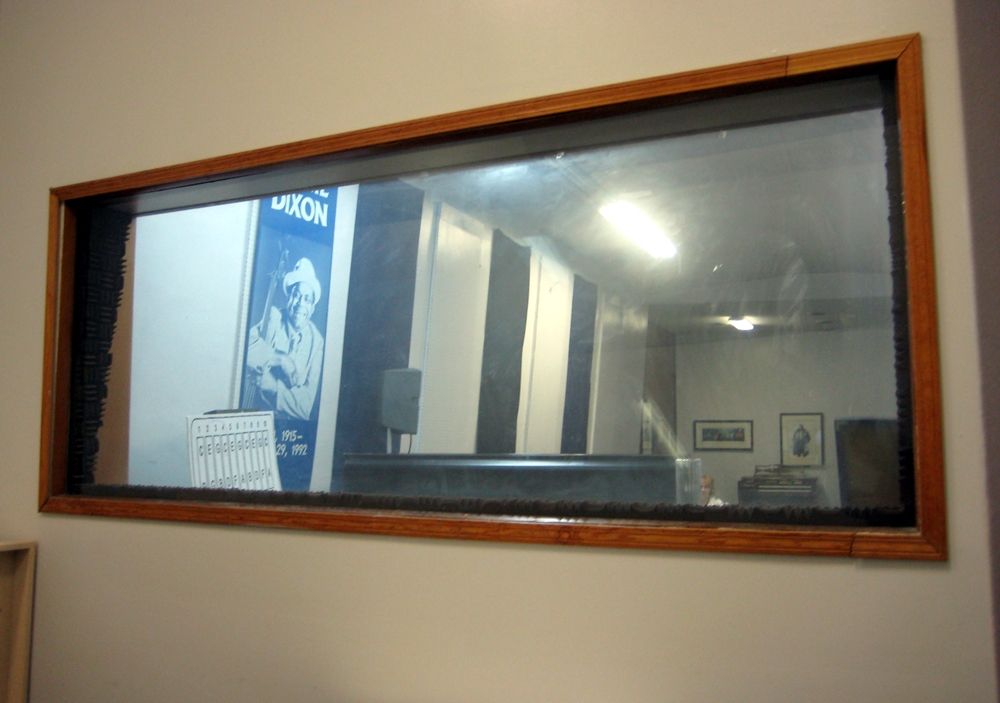
Photo: get directly down, CC BY 2.0, via Wikimedia Commons
The Chicago Black Music Constellation
Musicians, DJs, churches, clubs, studios, labels, radio stations, record stores, producers, promoters, journalists, dancers, neighborhoods, and technologies as one documented relationship constellation.
| Research ID | CTL-DR-MUSIC-001 |
|---|---|
| Version | Research package complete · 2026-09-28 |
Summary
How did musicians, DJs, churches, clubs, studios, labels, radio stations, record stores, producers, promoters, journalists, dancers, neighborhoods and technologies interact to create Chicago’s Black musical influence? Sibling project CTL-DR-BMI-002 researches music infrastructure as institutions; MUSIC-001’s distinctive contribution is the relationship constellation — who connected to whom, how, with what evidence.
Key findings
Related research: pair with The Sound of Black Chicago (CTL-DR-BMI-002).
The constellation in one paragraph
Chicago Black music is an ecosystem of documented, traceable connections across 12+ traditions; churches, radio, record stores, and dance floors were infrastructure, not backdrop; women and LGBTQ+ contributors were structural (Vee-Jay’s Vivian Carter and Betty Chiappetta, house’s gay Black roots) despite their erasure from standard histories.
Evidence and grading
246 entities; 458 graded claims (131 Verified / 286 Provisional / 15 Disputed / 26 Unresolved); 314 relationships (150 hand-verified edges + 164 structured edges, every edge carrying an evidence pointer and grade); 87 timeline events; 465 unique sources; 20 red-team items; 15 myth audits; 11 contradictions; 12 rights-guidance items.
Claims are graded on a controlled vocabulary: VERIFIED, SUPPORTED, PROVISIONAL, DISPUTED, UNRESOLVED (plus REFUTED and UNVERIFIABLE in evidence files). Only VERIFIED claims feed verified-only knowledge-graph edges; lower grades are shown with their grade visible. Unknowns are never reported as zero.
Limitations
Gaps are findings, not omissions. The Pilgrim Baptist archive was destroyed in the 2006 fire (likely original Dorsey sheet music lost). The 1975 Chess dismantling destroyed hundreds of thousands of records — master tapes survived, which is why the canon looks the way it does (survivorship bias must be stated). Lost South Side venues have no institutional archives; house/rent-party culture is the largest undocumented performance context; club workers and women session musicians are unnamed in the sources found.
Sources
465 unique sources: 46 primary, 419 secondary.
Red team
Stress tests, mythology audit, contradictions, and rights guidance — including 15 myth audits and 12 rights-guidance items.
Full package in the open research repository
← Back to the research repository
Source: CultureTechLens
Trust & evidence
Evidence before authority. CultureTechLens publishes its methods, its limits, and its corrections alongside its findings. Claims carry grades — VERIFIED, SUPPORTED, PROVISIONAL, DISPUTED, UNRESOLVED — and unknowns are never reported as zero.