 CULTURETECHLENS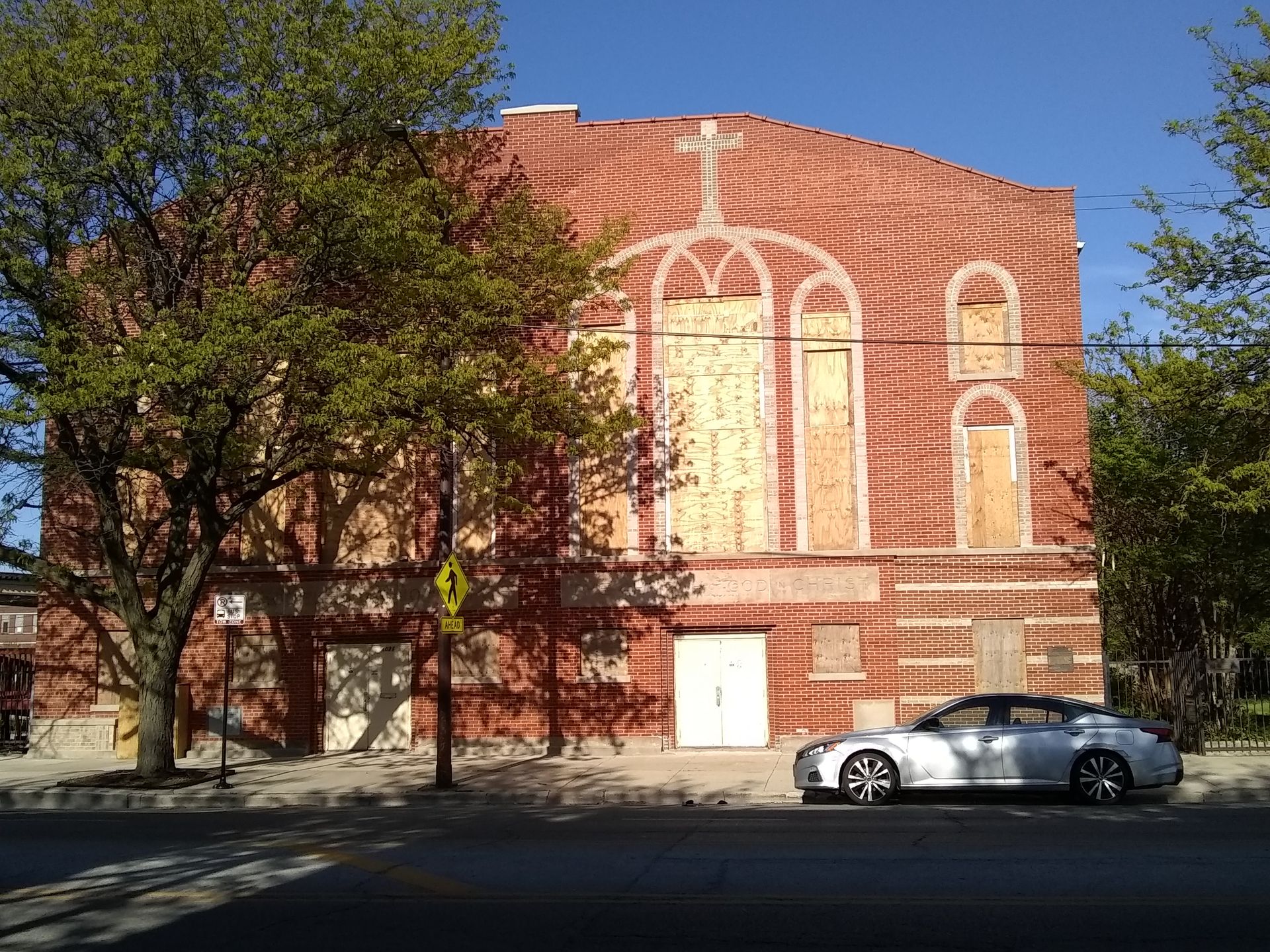
Photo: Legimet, CC BY-SA 4.0, via Wikimedia Commons
The Black Funeral Home as Institution
Why have funeral homes often performed functions beyond burial services?
| Package ID | CTL-RB-BIZ-000001 |
|---|---|
| Research date | 2026-09-28 |
| Status | Research (pilot brief ahead of CTL-DR-ECON-001) |
| Domain | BIZ (Business) |
| Geography | Chicago-rooted; national comparison only where evidence supports it |
Executive summary
Black funeral homes were never only burial businesses. They were institutions: trusted, Black-owned firms that concentrated scarce assets — licensed professionals, assembly halls, telephones, vehicles, credit relationships, family continuity — inside a community that segregation barred from almost every other institution performing those roles.
The extra-burial functions were structural, not decorative: denied banks, meeting halls, and guaranteed dignified burial, those functions pooled inside the one institution the community controlled and trusted. The evidence establishes a core Chicago sequence. In September 1955, A.A. Rayner & Sons at 4141 S.
Cottage Grove received Emmett Till's sealed casket from Mississippi, opened it at Mamie Till-Mobley's insistence, prepared his body for public viewing, and — with Roberts Temple Church of God in Christ — staged an open-casket visitation and funeral that tens of thousands attended and the Black press photographed, converting private grief into mass public witness.
Peer-reviewed scholarship documents the same functions nationally — meeting space, bail money, voter-registration equipment, transportation, financial support — in the civil rights movement.
Why it matters
Segregation concentrated scarce institutional assets inside trusted Black-owned funeral homes, and those assets — halls, vehicles, phones, credit relationships, trained staff, family continuity — are what made the funeral home an institution rather than merely a business. The extra-burial functions emerged because no other trusted institution could perform them, and because performing them strengthened the funeral home's own survival: reputation, client loyalty, and cash flow in a segregated economy.
The thesis does not romanticize: these firms held pricing power over grieving families; their political functions depended on the director's personal risk tolerance; several "functions" in oral tradition rest on thin evidence. ---
Evidence grades: 4. Build at publish — Function map: segregated exclusion → concentrated assets → six functions (with evidence grades).
Source: CultureTechLens
Trust & evidence
Evidence before authority. CultureTechLens publishes its methods, its limits, and its corrections alongside its findings. Claims carry grades — VERIFIED, SUPPORTED, PROVISIONAL, DISPUTED, UNRESOLVED — and unknowns are never reported as zero.