 CULTURETECHLENS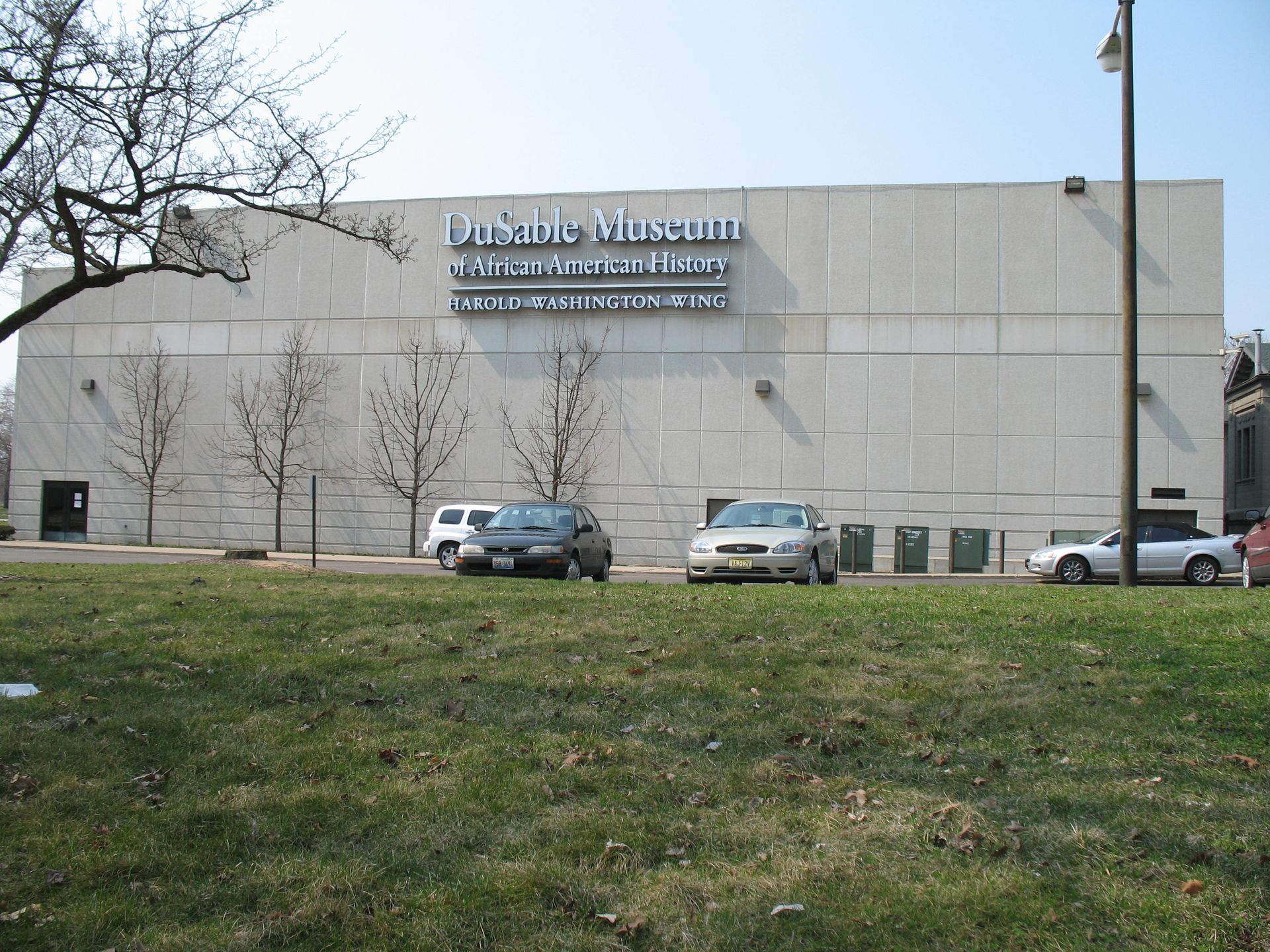
Photo: TonyTheTiger, CC BY-SA 3.0, via Wikimedia Commons
Research Briefs
Twenty-five tightly scoped, one-question investigations into Black Chicago's history, music, business, media, everyday life, technology, and preservation.
Each brief carries a primary research question, an executive summary, a claim ledger, entities and relationships, named sources, and a red-team review. Claims carry CultureTechLens’s graded evidence vocabulary — VERIFIED SUPPORTED PROVISIONAL DISPUTED UNRESOLVED — and unknowns are never reported as zero. Full working materials for every brief live in the open research repository.
Chicago (CHI)
Corridors, neighborhoods, and migration geography.
CTL-RB-CHI-000001
Why 63rd Street Mattered
What functions made 63rd Street culturally and economically significant?
CTL-RB-CHI-000002
The Rise of Bronzeville
Which forces transformed Bronzeville into a major Black cultural center? Subordinate questions: (a) What demographic engine supplied the population? (b) How did constraint become concentration, and…
CTL-RB-CHI-000003
Black Chicago's Commercial Corridors
Where did major Black commercial districts develop, and why?
CTL-RB-CHI-000004
The Black Belt: Name, Geography and Change
What did the term "Black Belt" mean historically, and how did its geography change?
CTL-RB-CHI-000005
Chicago's Great Migration Geography
Where did Black migrants settle in Chicago, and what constrained or enabled that settlement?
Music (MUS)
Gospel, house, record stores, radio, and stepping.
CTL-RB-MUS-000001
Why Chicago Became a Gospel Center
What institutions and networks enabled Chicago gospel's development? The question is deliberately institutional, not biographical. It asks what system — not which single person — made…
CTL-RB-MUS-000002
From Disco to Chicago House
What documented people, places and technologies contributed to house music's emergence? The question is bounded: it asks what the documents show, not what the folklore says.…
CTL-RB-MUS-000003
The Black Chicago Record Store
What roles did record stores play beyond retail? The question is deliberately infrastructural, not experiential. It asks what record stores did in the system — distribution,…
CTL-RB-MUS-000004
Black Radio as Music Infrastructure
How did radio connect performers, records, advertisers, and audiences? Sub-questions: Who owned the stations, and how did ownership change what got played? What did advertisers buy,…
CTL-RB-MUS-000005
The Chicago Steppers Ecosystem
How do music, dance, DJs, venues and community interact within stepping culture? One bounded question, answered as an ecosystem account: who makes the music matter, who…
Business (BIZ)
Funeral homes, banks, shops, and the Black press as business.
CTL-RB-BIZ-000001
The Black Funeral Home as Institution
Why have funeral homes often performed functions beyond burial services?
CTL-RB-BIZ-000002
Black-Owned Banks in Chicago
What roles have Black-controlled financial institutions played historically? Sub-questions: which institutions were Black-owned, Black-controlled, or merely Black-serving — and why does the distinction change the story?…
CTL-RB-BIZ-000003
Beauty Shops and Barbershops
How have beauty shops and barbershops in Black Chicago functioned economically, socially, and culturally — and what does the surviving evidence actually support for each function?
CTL-RB-BIZ-000004
The Economics of the Black Newspaper
How did circulation, advertising, and ownership support Black publishing? The Chicago Defender is the central case; national comparison is drawn only where the evidence supports it.
CTL-RB-BIZ-000005
What Happens When a Neighborhood Anchor Closes?
What documented effects can follow the loss of a major community institution? Sub-questions: (a) What kinds of effects are traceable? (b) On what time horizons? (c)…
Media (MEDIA)
Distribution networks, WVON, and television.
CTL-RB-MEDIA-000001
The Chicago Defender's Distribution Network
How did distribution help the Chicago Defender extend its influence beyond Chicago?
CTL-RB-MEDIA-000002
WVON and Black Chicago
How has WVON functioned within Chicago's Black information ecosystem?
CTL-RB-MEDIA-000003
Black Images on Chicago Television
How did locally produced television representation of Black people change over time in Chicago?
Everyday Life (LIFE)
Record stores, Sundays, and family reunions.
CTL-RB-LIFE-000001
Saturday at the Record Store
"What can evidence about record shopping reveal about Black everyday cultural life?" This is a LIFE-domain question about lived experience: Saturday routines, browsing and listening, encounters…
CTL-RB-LIFE-000002
Sunday in Black Chicago
How did churches, meals, clothing, music, and family routines intersect?
CTL-RB-LIFE-000003
The Family Reunion as Cultural Infrastructure
What social and historical functions does the reunion perform?
Technology (TECH)
House music's technology and Black Chicago online.
CTL-RB-TECH-000001
The Technology Behind Chicago House
Which machines and production technologies actually shaped early Chicago house practices, c. 1977–1990? Subsidiary questions: Which specific devices are documented on which early records? How did…
CTL-RB-TECH-000002
Black Chicago Goes Online
How did Black Chicago institutions and communities adopt the early web? This brief asks about adoption and cultural transformation, not technological invention. It does not ask…
Preservation (PRES)
Archives and the disappearing Black web.
CTL-RB-PRES-000001
Who Preserves Black Chicago?
Which institutions maintain significant Black Chicago collections and how are they accessible? The question is bounded: it asks for institutions, collections, and access conditions — not…
CTL-RB-PRES-000002
The Disappearing Black Web
What risks threaten historically significant Black digital material? A risk-mapping question, not a loss-accounting question. Every risk requires a specific documented case, and each case is…
Source: CultureTechLens
Trust & evidence
Evidence before authority. CultureTechLens publishes its methods, its limits, and its corrections alongside its findings. Claims carry grades — VERIFIED, SUPPORTED, PROVISIONAL, DISPUTED, UNRESOLVED — and unknowns are never reported as zero.