 CULTURETECHLENS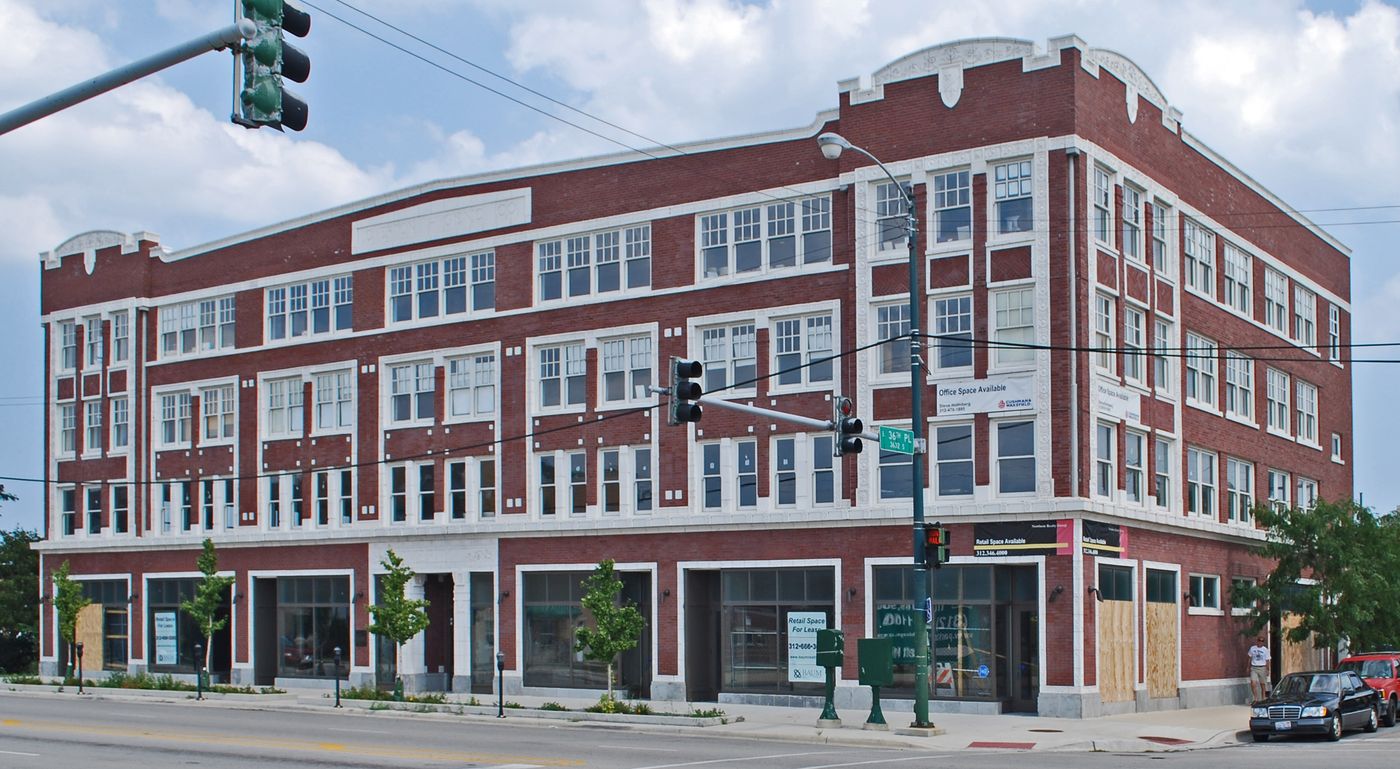
Photo: Andrew Jameson, CC BY-SA 3.0, via Wikimedia Commons
Black-Owned Banks in Chicago
What roles have Black-controlled financial institutions played historically? Sub-questions: which institutions were Black-owned, Black-controlled, or merely Black-serving — and why does the distinction change the story? What roles did they play in lending, savings, employment, community investment, and civic infrastructure? Why did they close, and what do their endings reveal about Black capital and the American banking system?
| Package ID | CTL-RB-BIZ-000002 |
|---|---|
| Research date | 2026-09-28 |
| Status | Research · Version 0.1 · 2026-09-28* |
| Domain | BIZ (Business) |
| Geography | Chicago-rooted. National comparison (Freedman's Savings Bank, Maggie Lena Walker, FDIC minority-bank data) appears only where evidence supports it. Time: 1908–2026 |
Executive summary
Between 1908 and 2017, six Black-owned commercial banks anchored Chicago's South and West Sides: Binga State Bank, Douglass National Bank, Illinois Service Federal (later GN Bank), Independence Bank, Seaway Bank and Trust, and Community Bank of Lawndale (later Covenant Bank).
The evidence establishes five documented roles: converting household savings into formal community capital; supplying mortgage and business credit where mainstream institutions discriminated or withdrew; creating scarce professional employment; anchoring neighborhood commercial geography; and furnishing civic and political financial infrastructure. The evidence also establishes the limits of that role.
The banks were small relative to the capital needs of Black Chicago; their community concentration meant the same housing, employment, and disinvestment shocks hitting Black neighborhoods also weakened their balance sheets; and their endings were varied — Depression-era collapse, acquisition, and modern regulatory failure — not a single story. Of the six, one (GN Bank) was still operating at last check, with its ownership classification unresolved.
Why it matters
Black-owned banks in the United States have contracted by more than half since 2001 (FDIC: 48 to 23 by end-2018). Chicago, which had five African American-owned banks in 2001, was left with two after Seaway's 2017 failure (Federal Reserve Bank of Chicago, 2017). The institutions are disappearing faster than their history is being documented.
This pilot — running ahead of the CTL-DR-ECON-001 finance-economy package — establishes an evidence-graded record of what Chicago's Black-controlled banks actually did, how big they were, and why they ended, before memory hardens into myth: neither uncritical celebration nor undifferentiated tragedy.
Claims are graded VERIFIED / SUPPORTED / PROVISIONAL / DISPUTED / UNRESOLVED in the accompanying claim ledger; grades travel with every reuse.
Source: CultureTechLens
Trust & evidence
Evidence before authority. CultureTechLens publishes its methods, its limits, and its corrections alongside its findings. Claims carry grades — VERIFIED, SUPPORTED, PROVISIONAL, DISPUTED, UNRESOLVED — and unknowns are never reported as zero.