 CULTURETECHLENS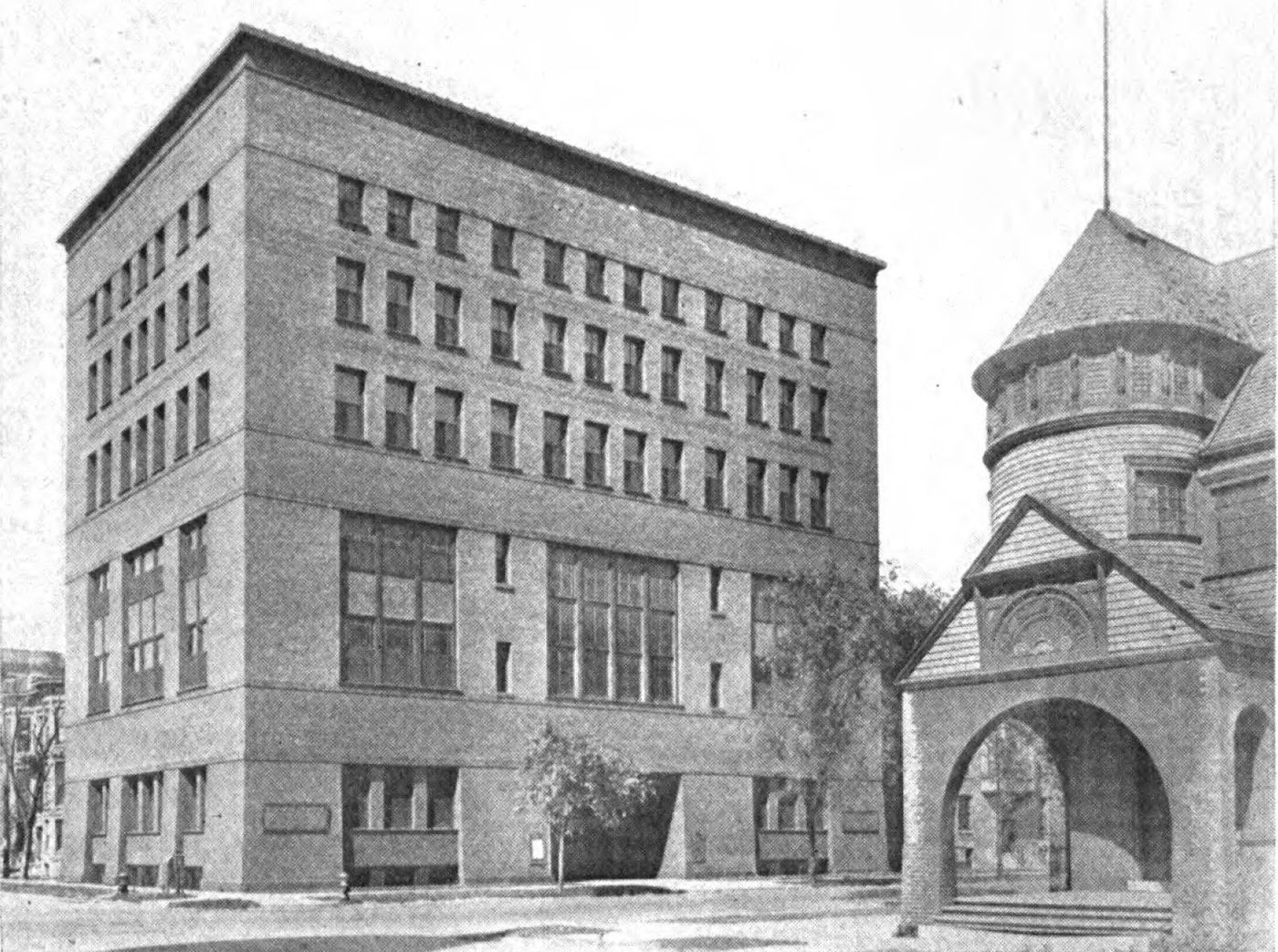
Photo: Public Domain (1913), via National Park Service
What Happens When a Neighborhood Anchor Closes?
What documented effects can follow the loss of a major community institution? Sub-questions: (a) What kinds of effects are traceable? (b) On what time horizons? (c) Which are DEMONSTRATED vs. PLAUSIBLE? (d) Where does the evidence run out? ---
| Package ID | CTL-RB-BIZ-000005 |
|---|---|
| Research date | 2026-09-28 · Version: v0.1 |
| Status | Research (pilot study running ahead of CTL-DR-ECON-001) |
| Domain | BIZ (Business) |
| Geography | Chicago-rooted; one national comparison case where evidence supports it |
Executive summary
When a major community institution closes, the effects are not one thing but several, arriving on different clocks. Four Chicago cases with evidenced closures and aftereffects; every effect tagged DEMONSTRATED (sources trace the mechanism) or PLAUSIBLE (reasonably inferred). WHAT THE EVIDENCE ESTABLISHES: traced effects — academic harm, longer trauma transports with mortality consequences, emergency food-access gaps, failed replacements, public costs of vacancy.
WHAT THE EVIDENCE SUGGESTS: communities experience closures as identity loss and civic abandonment; subsidized replacements chosen without community input fail faster. WHAT REMAINS DISPUTED OR UNKNOWN: the "corridor declines when the anchor closes" narrative — no case documented it with named businesses, dates, numbers; crime's true weight in grocery closures is contested.
WHAT CTL SHOULD RESEARCH NEXT: trace the ~50 closed school buildings; test Chatham spillovers with business-license data; track the municipal-grocery experiment (§22).
Why it matters
Anchor losses — groceries, schools, hospitals — concentrate on Chicago's South and West Sides, overwhelmingly in Black neighborhoods. Before CTL-DR-ECON-001 theorizes the Black business ecosystem's cycles of building and loss, this pilot establishes what can be documented about what happens after an anchor closes. ---
Evidence grades: VERIFIED = strong primary source or multiple corroborating sources; SUPPORTED = credible source(s), partly corroborated; PROVISIONAL = single credible source, uncorroborated; DISPUTED = sources conflict; UNRESOLVED = insufficient evidence.
Source: CultureTechLens
Trust & evidence
Evidence before authority. CultureTechLens publishes its methods, its limits, and its corrections alongside its findings. Claims carry grades — VERIFIED, SUPPORTED, PROVISIONAL, DISPUTED, UNRESOLVED — and unknowns are never reported as zero.