 CULTURETECHLENS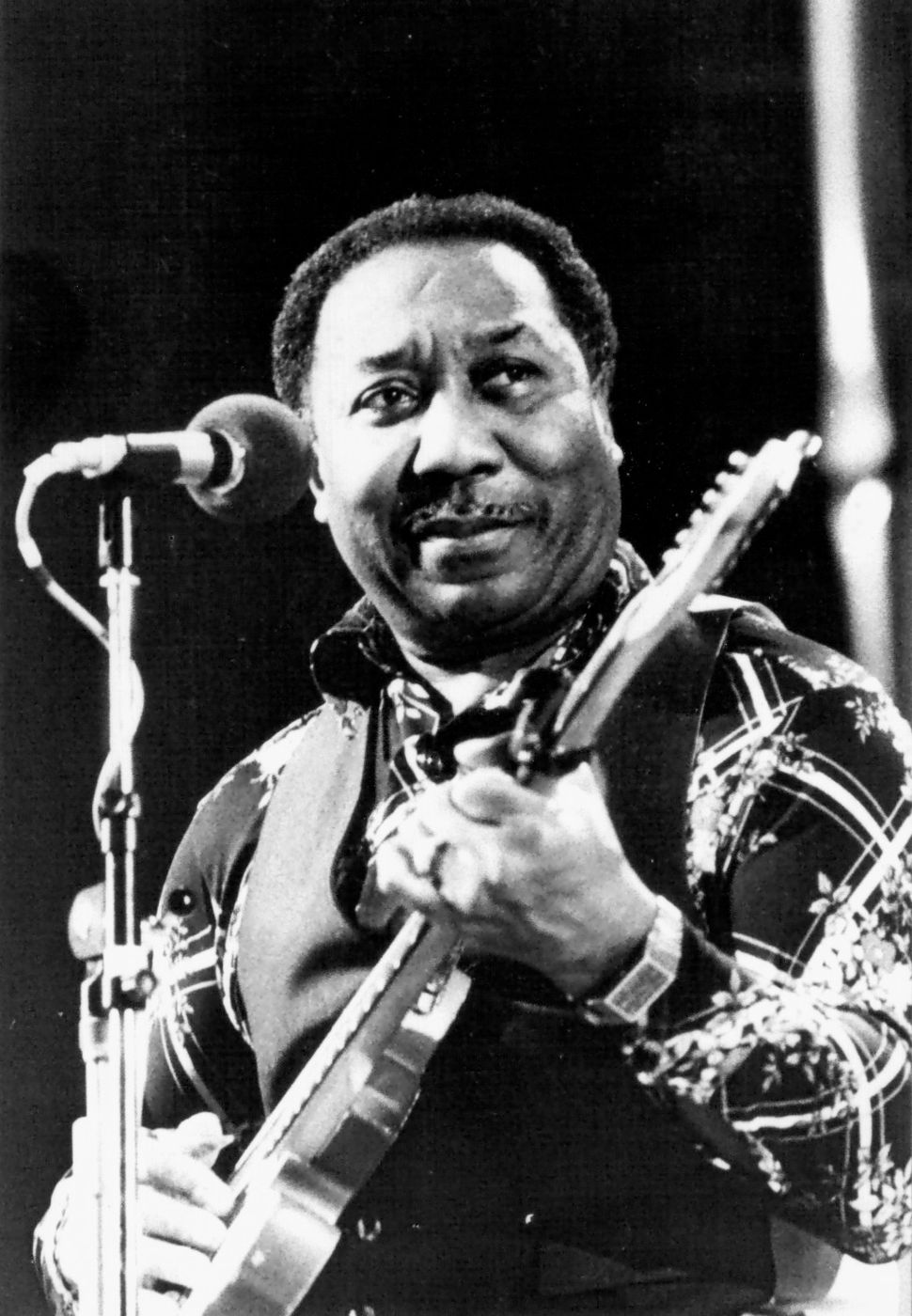
Photo: Lionel Decoster, CC BY-SA 4.0, via Wikimedia Commons
Saturday at the Record Store
"What can evidence about record shopping reveal about Black everyday cultural life?" This is a LIFE-domain question about lived experience: Saturday routines, browsing and listening, encounters and recommendations, the 45-versus-LP choice, connections to barbershop/beauty-shop/shopping errands, taking music home, parties, and generational change. Store history and economics belong to the parallel brief CTL-RB-MUS-000003 and appear here only as concise context (§13).
| Package ID | CTL-RB-LIFE-000001 |
|---|---|
| Research date | 2026-09-28 |
| Status | Research |
| Domain | LIFE — Black everyday life |
| Geography | Chicago-rooted; comparative evidence labeled as such throughout |
Executive summary
This brief asks one question: What can evidence about record shopping reveal about Black everyday cultural life? The answer, on the evidence available, is that buying records in Black Chicago — and in the comparative Black Southern communities where the practice is best documented — was not merely acquisition. It was a social routine: browsing, listening, requesting, talking, and being seen, including participation without purchase.
The purchased object had a long social afterlife, from the shared household stereo to the basement party to the DJ booth. And the ritual was never purely celebratory: it was shaped by racial surveillance elsewhere in retail, by the economics of the 45-versus-LP split, by home taping and chain competition, and by the eventual loss of neighborhood stores.
The strongest Saturday-specific evidence we have comes from North Carolina oral histories (LIFE-006) — comparative evidence, not Chicago proof. The largest gap is direct Chicago evidence for an integrated "Saturday record run" tied to barbershop and beauty-shop errands.
Why it matters
1. Record shopping was a social practice, not just a purchase. Evidence supports listening, browsing, conversation, recommendation, observation, and belonging — including participation without purchase (LIFE-007, LIFE-019). 2. The purchased object had a social afterlife. Affordable 45s were pooled and shared through household stereos (LIFE-004); later, Chicago DJs converted shopping knowledge into radio, basement-party, and club practice (LIFE-011 through LIFE-013); household libraries fed the next generation's digging (LIFE-020). 3.
The ritual was historically unequal and unstable. Racial surveillance in retail (LIFE-008), constrained credit and supply, neighborhood store loss (LIFE-010), home taping (LIFE-009), chain competition, and downloading (LIFE-018) shaped who could participate and where.
Evidence grades: VERIFIED = strong primary source or multiple corroborating sources; SUPPORTED = credible source(s), partly corroborated; PROVISIONAL = single credible source, uncorroborated; DISPUTED = sources conflict; UNRESOLVED = insufficient evidence.
Source: CultureTechLens
Trust & evidence
Evidence before authority. CultureTechLens publishes its methods, its limits, and its corrections alongside its findings. Claims carry grades — VERIFIED, SUPPORTED, PROVISIONAL, DISPUTED, UNRESOLVED — and unknowns are never reported as zero.