 CULTURETECHLENS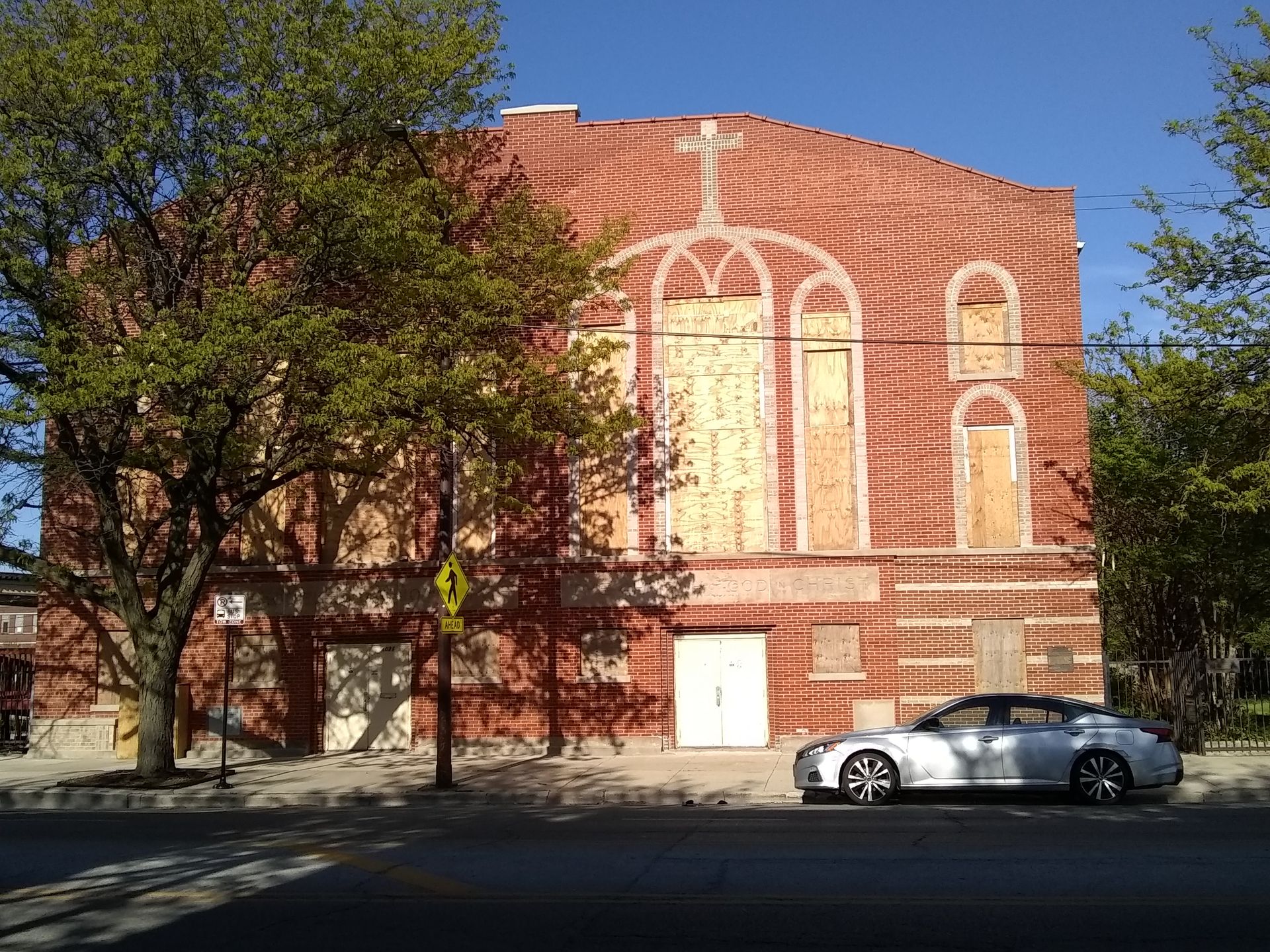
Photo: Legimet, CC BY-SA 4.0, via Wikimedia Commons
Sunday in Black Chicago
How did churches, meals, clothing, music, and family routines intersect?
| Package ID | CTL-RB-LIFE-000002 |
|---|---|
| Research date | 2026-09-28 |
| Status | Phase 1 (pre-publication) |
| Domain | LIFE · Status: Research · Period: c. 1920s–1990s |
| Geography | Chicago, IL |
Executive summary
Sunday worked as a weekly coordination mechanism. Across the period, Black Chicago households used one day to synchronize five domains — clothing, worship, music, food, and kin — through one dominant institution, the church.
The synchronization was material as well as spiritual: buildings held kitchens and meeting rooms alongside sanctuaries; choirs functioned as training pipelines for children; programs and announcements moved practical information (jobs, lodging, health, politics) through the same gatherings that moved souls. This is the brief's integrated-ecosystem argument, and it is what distinguishes the analysis from five parallel essays on food, dress, music, church, and family.
Claims are graded in the claim ledger (claim-ledger.
Source: CultureTechLens
Trust & evidence
Evidence before authority. CultureTechLens publishes its methods, its limits, and its corrections alongside its findings. Claims carry grades — VERIFIED, SUPPORTED, PROVISIONAL, DISPUTED, UNRESOLVED — and unknowns are never reported as zero.