 CULTURETECHLENS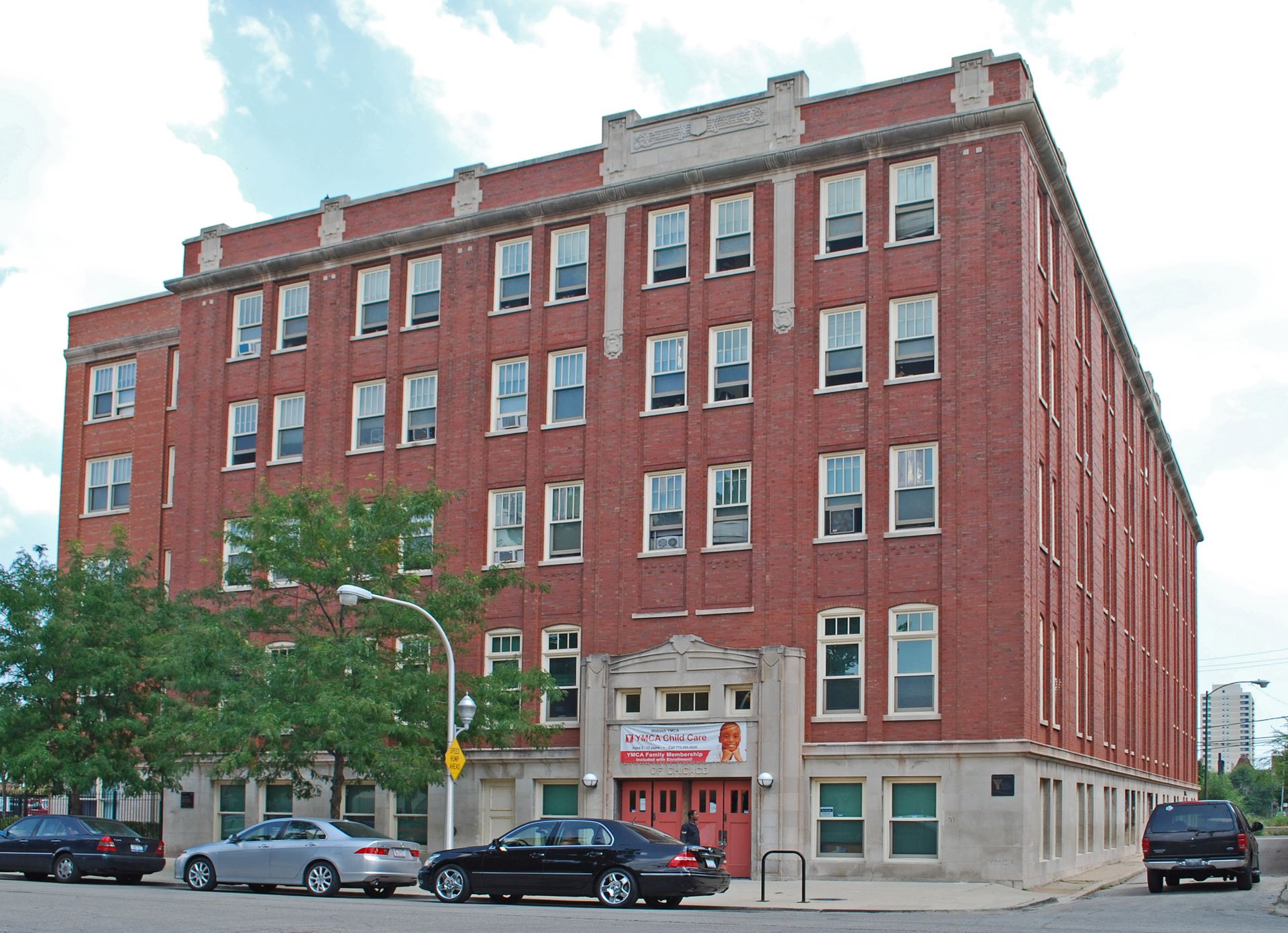
Photo: Andrew Jameson, CC BY-SA 3.0, via Wikimedia Commons
The Family Reunion as Cultural Infrastructure
What social and historical functions does the reunion perform?
| Package ID | CTL-RB-LIFE-000003 |
|---|---|
| Research date | 2026-09-28 |
| Status | Phase 1 (pre-publication) |
| Domain | LIFE (Everyday Life) |
| Geography | Chicago-rooted; Black Chicago families' reunions in Southern hometowns treated as documented reverse migration. Comparisons only when documented |
| Period | 20th century–present · Compiled: 2026-09-28 |
Executive summary
Documented data points: a familial homecoming in Gorgus, NC (1937) [C008]; the Felix/Blackwell reunion founded 1953 [C015]; Thelma Doswell's 1,500-name tree (1959) and 5,000-name tree (1991) [C014]; Ione Vargus's fieldwork across 14 reunions (summer 1986), the African American Family Reunion Conference (1988), and Temple's Family Reunion Institute (1990) [C009]; national planning-advice literature by 1993 [C027]; the reunion-tourism economy by 2004 [C013]; a 2016 reunion's minutes showing dues, scholarships, and genealogy as routine [C001]; technical-communication scholarship (2022) [C011].
The arc shows institutional thickening over time: from gathering, to organized gathering, to studied and advised institution.
Why it matters
Strip away the food and the music and what remains is this: a self-governing body that taxes its members, keeps minutes, funds scholarships, writes its own history, photographs itself, buries its dead into its origin story, and periodically reassembles its scattered people in the places they came from. That is infrastructure.
The family reunion performs the work that, in other contexts, is done by states, churches, and archives — for Black families, it has often had to do that work itself. The evidence for the work is strong; the evidence for who exactly does it, how often, and at what scale is still being gathered. Both statements are true, and this brief holds them at the same time.
Evidence grades: VERIFIED = strong primary source or multiple corroborating sources; SUPPORTED = credible source(s), partly corroborated; PROVISIONAL = single credible source, uncorroborated; DISPUTED = sources conflict; UNRESOLVED = insufficient evidence.
Source: CultureTechLens
Trust & evidence
Evidence before authority. CultureTechLens publishes its methods, its limits, and its corrections alongside its findings. Claims carry grades — VERIFIED, SUPPORTED, PROVISIONAL, DISPUTED, UNRESOLVED — and unknowns are never reported as zero.