 CULTURETECHLENS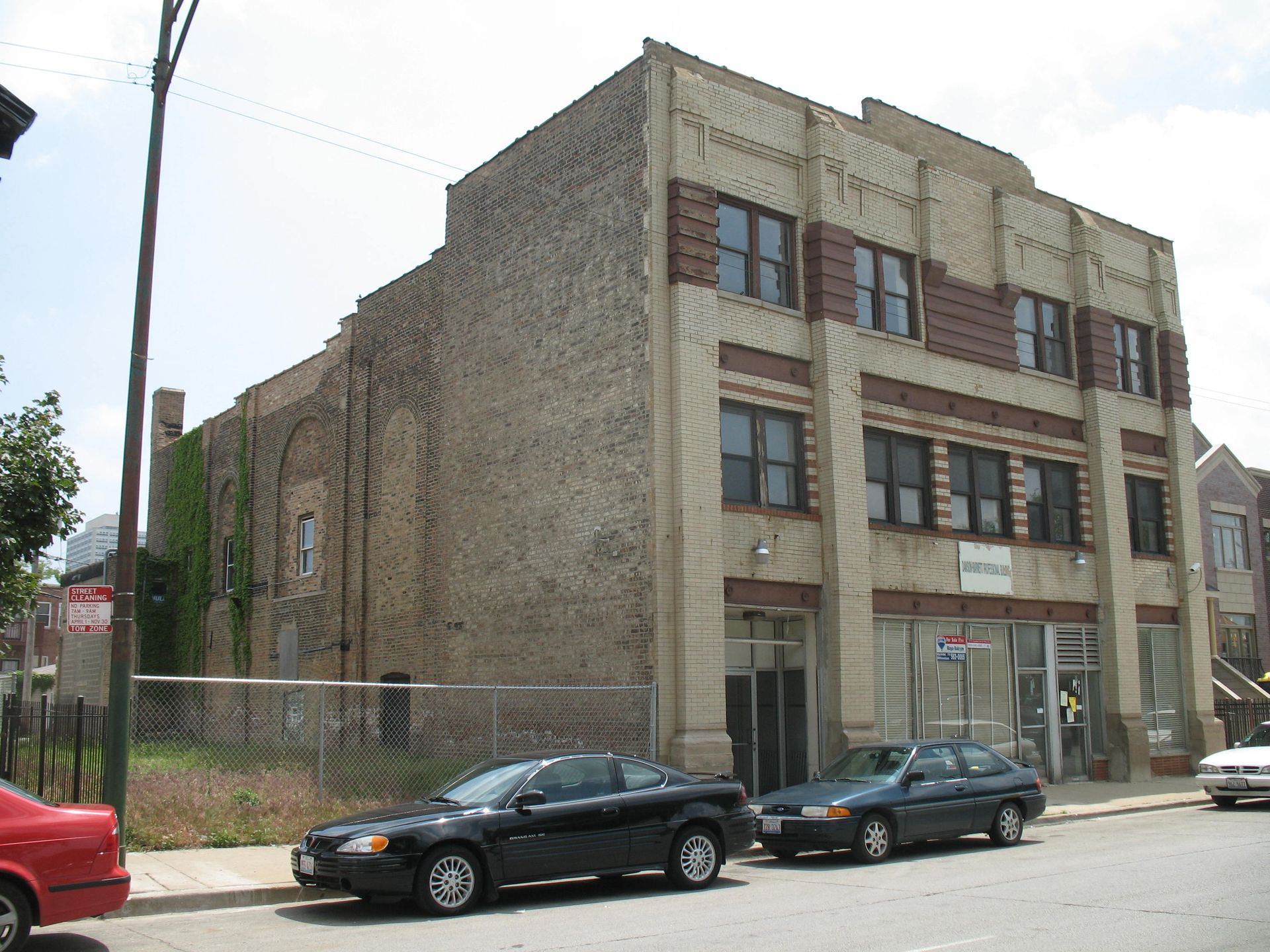
Photo: TonyTheTiger, CC BY-SA 3.0, via Wikimedia Commons
The Chicago Defender's Distribution Network
How did distribution help the Chicago Defender extend its influence beyond Chicago?
| Package ID | CTL-RB-MEDIA-000001 |
|---|---|
| Research date | 2026-09-28 |
| Status | Phase 1 (pre-publication) |
| Domain | MEDIA (Media) |
| Geography | Chicago, IL |
Executive summary
The Chicago Defender became the most influential Black newspaper in America not only because of what it printed, but because of how it moved.
From its first 300-copy run on May 5, 1905, the paper built a multi-channel distribution system that carried it far beyond Chicago: postal subscriptions, a rail network of Pullman porters who dropped bundles at barbershops and churches across the Jim Crow South, street vendors and newsstands in Black neighborhoods, and — a century later — a website and social following that outnumbered its print run thirty to one.
At peak (1929), the paper sold more than 250,000 copies weekly, most of them outside Chicago, and shared copies multiplied each sale into several readers. Reader letters from 1916–1917 — asking for jobs, train fares, and relocation advice — document that the paper's reach translated into action.
The distribution story has a mythic layer: the porter network's core is corroborated by a Congressional Record tribute, but details about concealment, payment, and commissions remain unverified.
Why it matters
Three takeaways for CTL's Black Cultural Knowledge Graph: (1) Distribution is a first-class entity — model channels (porter network, mail, newsstands, digital) as nodes with their own evidence, not as footnotes to the newspaper entity. (2) The Defender case proves the graph needs an evidence-grade field on every relationship: the porter network's core is VERIFIED while its details are UNRESOLVED, and the graph must hold both without blurring them.
(3) Reception evidence (letters, field reports, surveillance files) is a distinct edge type — influenced-action — separable from circulated-through.
Evidence grades: VERIFIED = strong primary source or multiple corroborating sources; SUPPORTED = credible source(s), partly corroborated; PROVISIONAL = single credible source, uncorroborated; DISPUTED = sources conflict; UNRESOLVED = insufficient evidence.
Source: CultureTechLens
Trust & evidence
Evidence before authority. CultureTechLens publishes its methods, its limits, and its corrections alongside its findings. Claims carry grades — VERIFIED, SUPPORTED, PROVISIONAL, DISPUTED, UNRESOLVED — and unknowns are never reported as zero.