 CULTURETECHLENS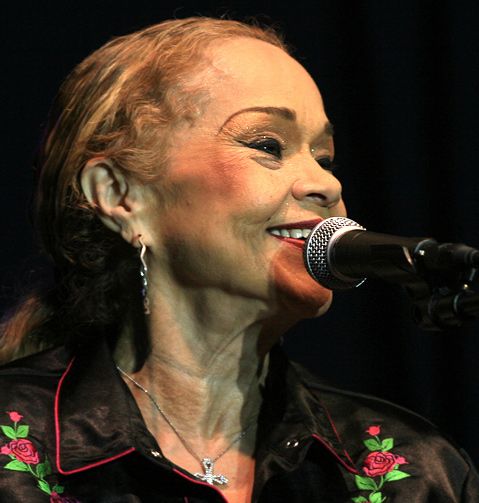
Photo: John K. Addis, CC BY-SA 3.0, via Wikimedia Commons
WVON and Black Chicago
How has WVON functioned within Chicago's Black information ecosystem?
| Package ID | CTL-RB-MEDIA-000002 |
|---|---|
| Research date | 2026-09-28 |
| Status | Phase 1 (pre-publication) |
| Domain | MEDIA (Media) |
| Geography | Chicago, IL |
Executive summary
WVON's information role predates its talk format by 23 years. The 1963–1986 music eras joined DJ-led personality communication to news, commentary, interviews, public service, and civil-rights organizing. The talk switch formalized a function the station already performed. Format and signal changes were infrastructure survival strategies.
1450 → 1390 enlarged coverage; FM competition broke the AM music model; the 1986 talk conversion traded music entertainment for a scarce Black information forum; the 2006 LMA moved the brand to a stronger signal while splitting operation from license ownership. The station was simultaneously a counterpublic and a monitored forum.
The 1989 evidence — mainstream journalists taping call-ins to map the internal range of Black opinion — is the brief's strongest proof that WVON functioned as deliberative infrastructure, not just broadcast content.
Claims are graded VERIFIED (primary/near-primary documentation), SUPPORTED (strong but secondary sourcing), PROVISIONAL (thin or single-source), DISPUTED (sources conflict), or UNRESOLVED (evidence sought, not found).
Source: CultureTechLens
Trust & evidence
Evidence before authority. CultureTechLens publishes its methods, its limits, and its corrections alongside its findings. Claims carry grades — VERIFIED, SUPPORTED, PROVISIONAL, DISPUTED, UNRESOLVED — and unknowns are never reported as zero.