 CULTURETECHLENS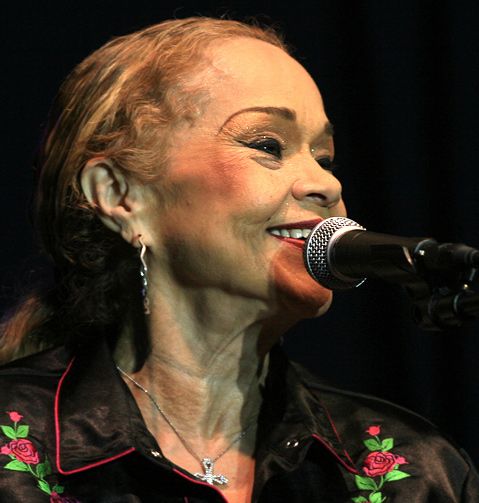
Photo: John K. Addis, CC BY-SA 3.0, via Wikimedia Commons
Black Images on Chicago Television
How did locally produced television representation of Black people change over time in Chicago?
| Package ID | CTL-RB-MEDIA-000003 |
|---|---|
| Research date | 2026-09-28 |
| Status | Phase 1 (pre-publication) |
| Domain | Media (television) · Geography: Chicago, Illinois · Period: 1947–present |
| Geography | Chicago, IL |
Executive summary
Chicago did not merely watch the Black television revolution — it produced several of its decisive chapters.
From a Defender-sponsored talent contest on WBBM in 1947, through the gospel institution of Jubilee Showcase (WLS, 1963–1984), to WTTW's Our People (1968) and Bird of the Iron Feather (1970, the first all-Black television soap opera), to Don Cornelius's Soul Train launching on WCIU in August 1970, Chicago's local stations generated a disproportionate share of nationally significant Black television.
The evidence supports a four-era arc: 1947–1967 — Live and Local, Thinly Black. Television is born in Chicago (WBKB, WNBQ, WGN-TV); Black people appear mainly as musical performers, talent-contest hopefuls, and Sunday-morning gospel singers. Newsrooms are all-white. 1968–1979 — The Black Production Decade. The assassination of Dr.
King and the Kerner Commission catalyze a burst of Chicago-produced Black programming: Our People, Bird of the Iron Feather, Soul Train, plus the arrival of the first Black reporters and anchors (Carole Simpson, Harry Porterfield, Merri Dee).
Why it matters
Television was the 20th century's dominant image-machine, and Chicago was one of its birthplaces — the "Chicago School of Television" pioneered live, low-budget local production at WBKB in the 1940s. Understanding how local stations rendered Black life — from Sunday gospel hours to the 10 p.m. anchor desk — is foundational to CTL's claim that Chicago built Black cultural infrastructure, not just consumed it.
The story also corrects a common error: treating Black television history as a national-network story centered in New York and Los Angeles. Chicago's UHF independents and its public station were national incubators. ---
Evidence grades: VERIFIED = strong primary source or multiple corroborating sources; SUPPORTED = credible source(s), partly corroborated; PROVISIONAL = single credible source, uncorroborated; DISPUTED = sources conflict; UNRESOLVED = insufficient evidence.
Source: CultureTechLens
Trust & evidence
Evidence before authority. CultureTechLens publishes its methods, its limits, and its corrections alongside its findings. Claims carry grades — VERIFIED, SUPPORTED, PROVISIONAL, DISPUTED, UNRESOLVED — and unknowns are never reported as zero.