 CULTURETECHLENS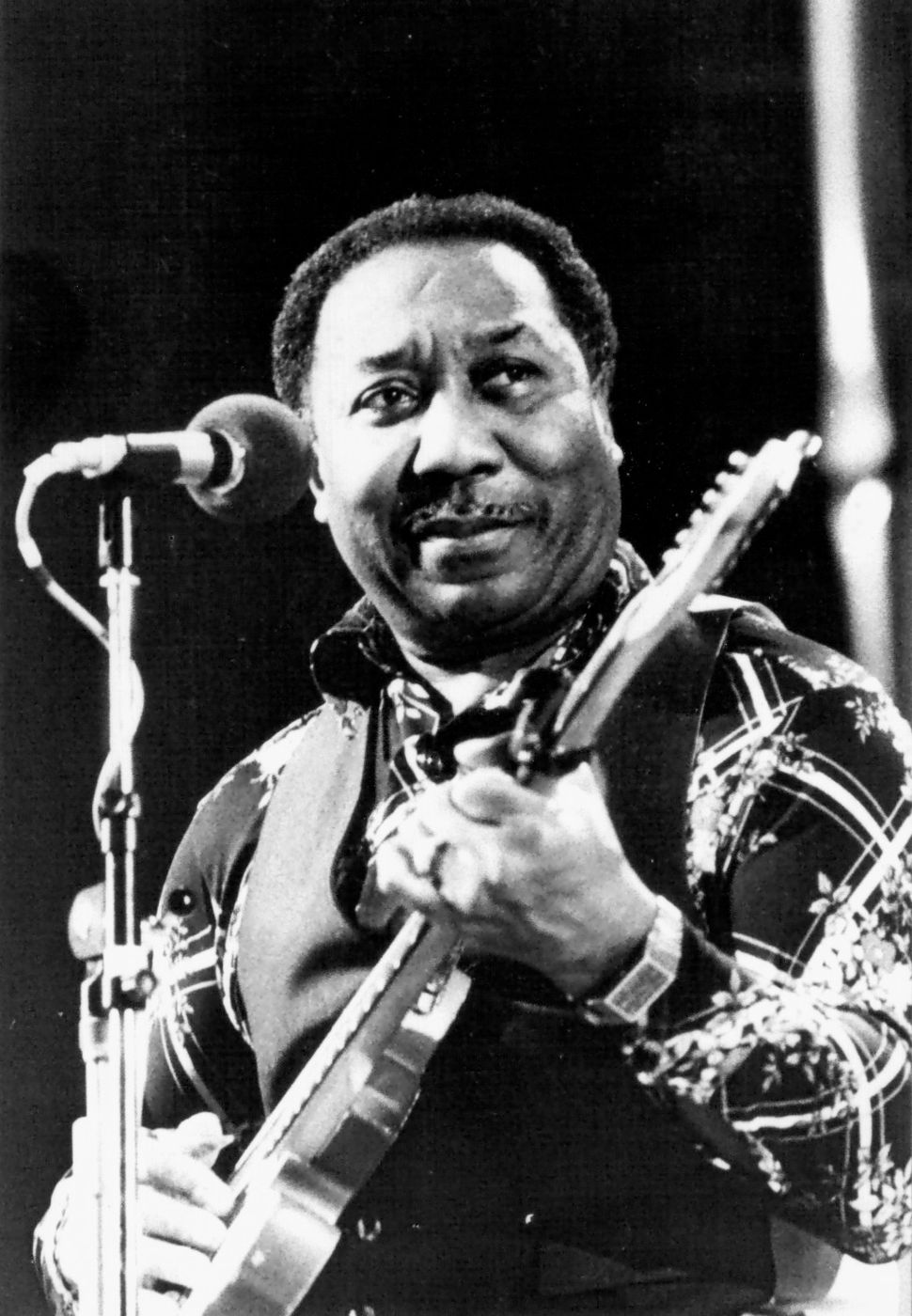
Photo: Lionel Decoster, CC BY-SA 4.0, via Wikimedia Commons
The Black Chicago Record Store
What roles did record stores play beyond retail? The question is deliberately infrastructural, not experiential. It asks what record stores did in the system — distribution, credit, information, A&R feedback, promotion, neighborhood anchoring — not what it felt like to shop in them. That lived-experience territory belongs to the sibling brief CTL-RB-LIFE-000001, "Saturday at the Record Store," and is excluded here by design.
| Package ID | CTL-RB-MUS-000003 |
|---|---|
| Research date | 2026-09-28 · Status: Research complete |
| Status | Phase 1 (pre-publication) |
| Domain | MUS (Music) |
| Geography | Chicago, Illinois — North Lawndale, Printer's Row, Lincoln Park/Lake View, South Loop, Hyde Park — with one regional comparative case (Gary, Indiana: Vee-Jay Records) and one national structural case (Billboard chart methodology), both clearly labeled as such |
| Period | c. 1941 (Maxwell Street baseline) to 2026, centered on 1959–2016, the Jazz Record Mart / Gramaphone / George's Music Room / Imports Etc. operating window. |
Executive summary
The Black Chicago record store was not a shop that happened to sell records.
It was infrastructure: a distribution node that moved music from labels, wholesalers, importers, and DJs into neighborhoods; a promotional venue where artists appeared and records were broken; a feedback channel through which DJs and customers told the industry what was working; and a neighborhood anchor that supported surrounding businesses and trained the people who built Chicago's DJ economy. The evidence establishes four cases. George's Music Room (3915 W.
Roosevelt Rd., North Lawndale), owned by George Daniels from 1969, was a Black-owned retailer whose owner came up through Chess Records and Black-owned wholesaling, then organized the National United Independent Retailers in 1990 to defend African American-owned independent retailers against label distribution and pricing practices. Imports Etc.
(Printer's Row), documented in a contemporary 1986 SPIN feature, was the city's dance-music specialist: a DJ supply house where imports, 12-inch singles, and DJ-played acetates became measurable local demand — 1,000 reported copies of Telex's "Brainwash" in two weeks.
Why it matters
When a record store closes in a majority-Black neighborhood, the industry story is usually about formats: vinyl died, CDs died, streaming won. The evidence assembled here says something different — that what was lost was infrastructure. Stores like George's Music Room and Imports Etc.
were the points where labels met DJs, where import records became club records, where neighborhood demand was measured before a label committed to a pressing, and where artists met the public in person.
Calkins's peer-reviewed analysis (2019) confirms the loss was racially and spatially unequal: stores outside majority-white areas failed at significantly higher rates between 1980 and 1990, and record stores were once far more clustered in predominantly Black areas than they are today.
Evidence grades: VERIFIED = strong primary source or multiple corroborating sources; SUPPORTED = credible source(s), partly corroborated; PROVISIONAL = single credible source, uncorroborated; DISPUTED = sources conflict; UNRESOLVED = insufficient evidence.
Source: CultureTechLens
Trust & evidence
Evidence before authority. CultureTechLens publishes its methods, its limits, and its corrections alongside its findings. Claims carry grades — VERIFIED, SUPPORTED, PROVISIONAL, DISPUTED, UNRESOLVED — and unknowns are never reported as zero.