 CULTURETECHLENS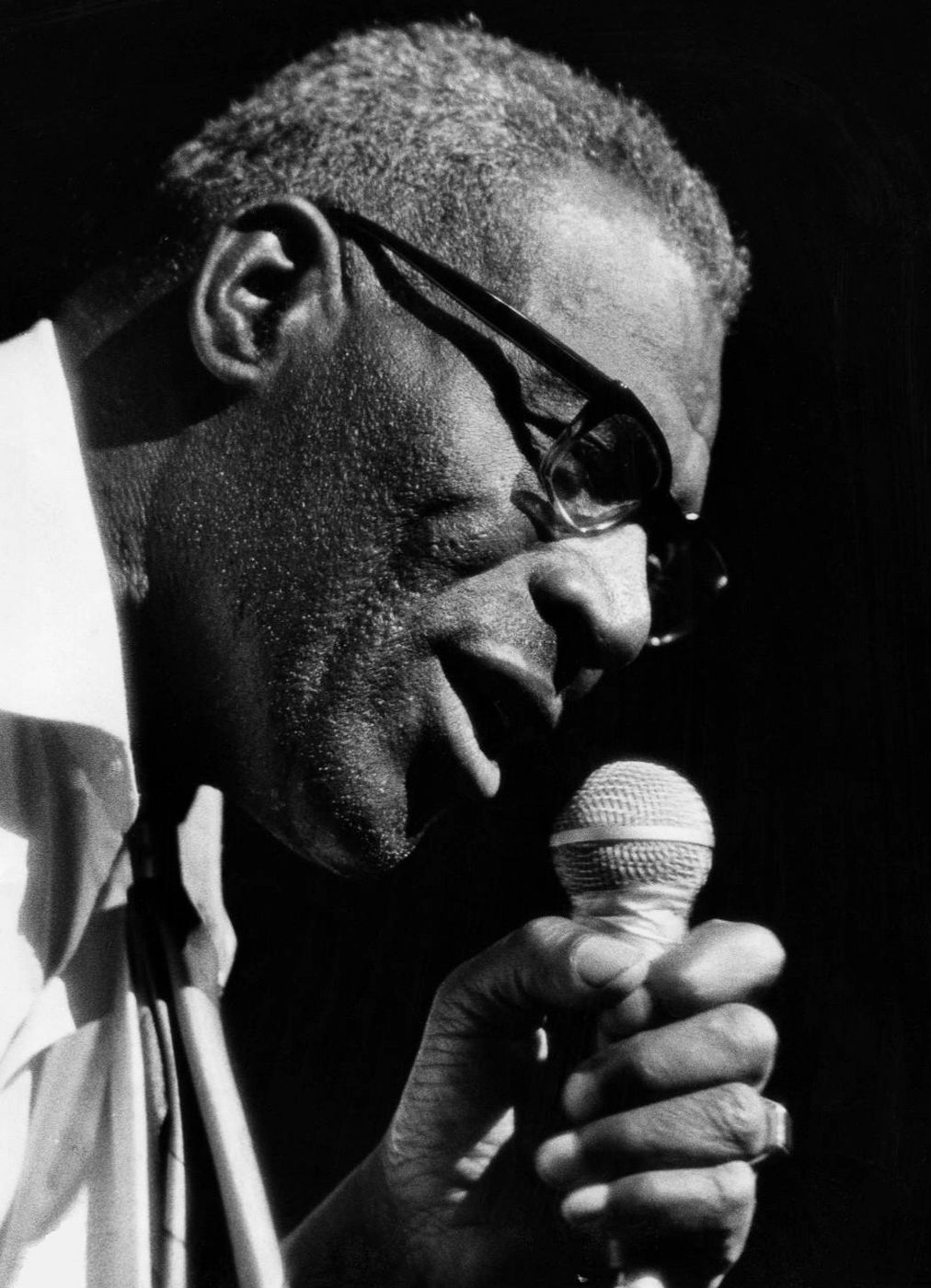
Photo: Doug Fulton, Public Domain, via Wikimedia Commons
Black Radio as Music Infrastructure
How did radio connect performers, records, advertisers, and audiences? Sub-questions: Who owned the stations, and how did ownership change what got played? What did advertisers buy, and what did sponsors cost stations? How did audiences talk back — through requests, record purchases, ratings, and votes? How did regulation (payola disclosure, minority-ownership policy) and technology (AM/FM, the transistor radio, the turntable) shape the circuit?
| Package ID | CTL-RB-MUS-000004 |
|---|---|
| Research date | 2026-09-28 |
| Status | Phase 1 (pre-publication) |
| Domain | MUS (Music) |
| Geography | Chicago and its Illinois suburbs (Cicero, Oak Park, Harvey) — the FCC's Chicago radio market. National context (Motown, FCC policy, Soul Train syndication) only where it touches the Chicago circuit |
| Period | 1929 (Cooper's "All-Negro Hour") to 2014 (950 AM's conversion to Relevant Radio), with analytical weight on 1963–1994. |
Executive summary
How did radio connect performers, records, advertisers, and audiences? In Chicago — the city that invented the Black radio DJ as a cultural institution — the answer is that radio was the infrastructure: not a channel music passed through but the physical, economic, and political plant that made Black music a business and Black audiences a public.
This brief traces that infrastructure from Jack Cooper's "All-Negro Hour" on WGBS in 1929 — the first Black DJ format hour, built on race records because they were cheaper than live talent — through the 1940s block-programming era on WGES (Al Benson, Richard Durham's dramas, "Negro Newsfront"), the 1963 launch of WVON ("Voice of the Negro") by Chess Records' Leonard and Phil Chess, the 1967–94 Black-soul and Black-owned era on 950 AM (WGRT, then Johnson Publishing's WJPC), the 1962–64 all-Black WYNR experiment on 1390, the disco and urban-contemporary reign of WGCI-FM 107.5, and the Hot Mix 5's live house mixes on WBMX 102.7 in the 1980s.
Why it matters
Every streaming-era debate about playlist power, pay-for-play, and who controls Black music's distribution has a Chicago-radio precedent. WVON was bought by a record label (Chess), became the instrument of a mayoral campaign (Washington 1983), and ended Black-owned again (Midway Broadcasting) — three ownership regimes that changed the music. The Hot Mix 5 proved a radio show could invent a genre's distribution channel.
Understanding this infrastructure is prerequisite to understanding Chicago house, Chicago soul, and the political economy of Black cultural production — and it is the historical baseline against which CTL should measure today's platforms.
Evidence grades: VERIFIED = strong primary source or multiple corroborating sources; SUPPORTED = credible source(s), partly corroborated; PROVISIONAL = single credible source, uncorroborated; DISPUTED = sources conflict; UNRESOLVED = insufficient evidence.
Source: CultureTechLens
Trust & evidence
Evidence before authority. CultureTechLens publishes its methods, its limits, and its corrections alongside its findings. Claims carry grades — VERIFIED, SUPPORTED, PROVISIONAL, DISPUTED, UNRESOLVED — and unknowns are never reported as zero.