 CULTURETECHLENS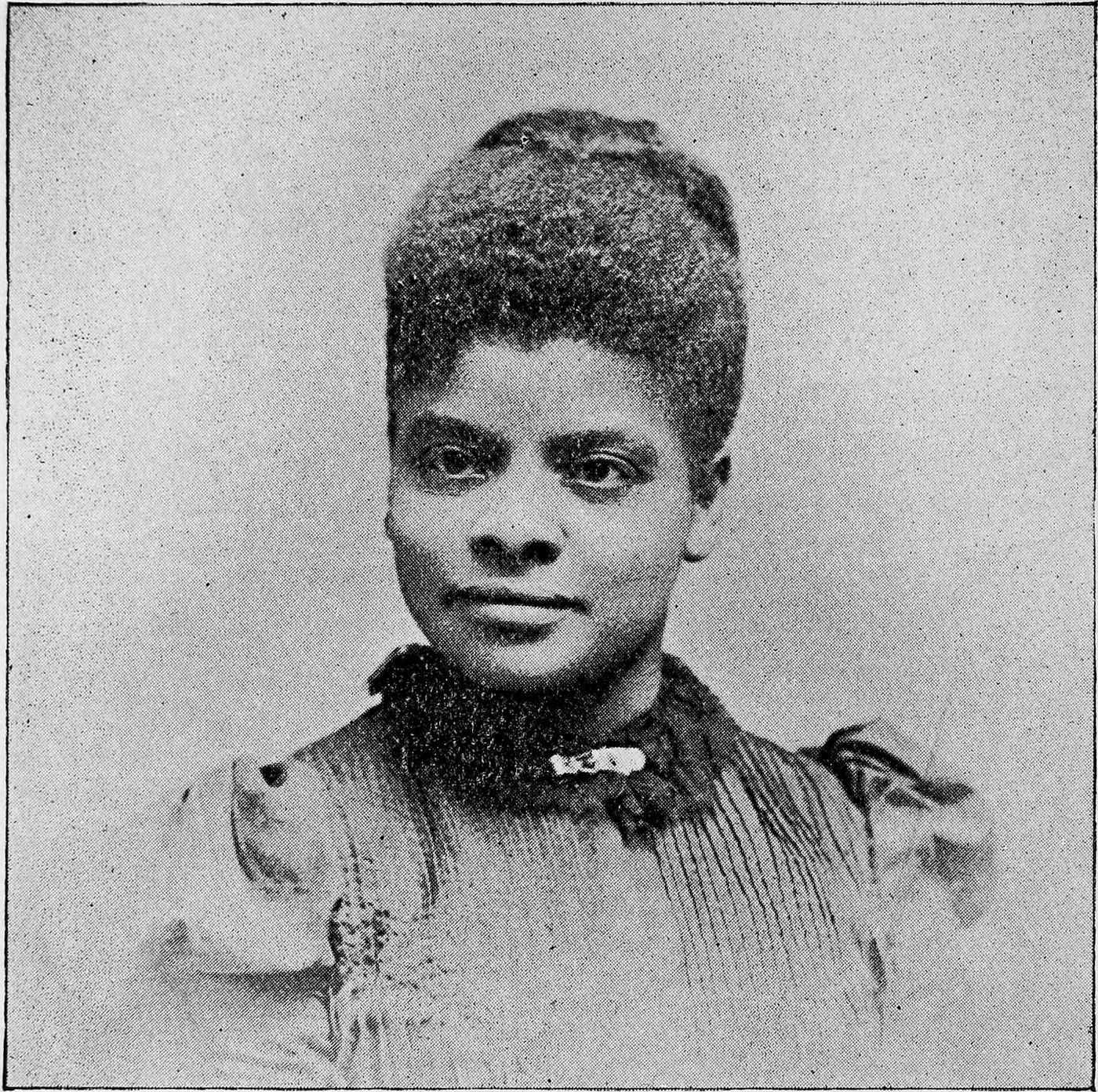
Photo: Public Domain (from ‘Women of Distinction,’ 1893), via Wikimedia Commons
Who Preserves Black Chicago?
Which institutions maintain significant Black Chicago collections and how are they accessible? The question is bounded: it asks for institutions, collections, and access conditions — not a history of Black Chicago itself. "Significant" means holdings documented in published finding aids, collection descriptions, or reputable secondary accounts that substantially document Black life, thought, or creativity in Chicago.
| Package ID | CTL-RB-PRES-000001 |
|---|---|
| Research date | 2026-09-28 |
| Status | Phase 1 (pre-publication) |
| Domain | Preservation (PRES) | Geography: Chicago, Illinois | Period: 19th century–present |
| Geography | Chicago, IL |
Executive summary
Which institutions maintain significant Black Chicago collections, and how are they accessible? The evidence establishes that Black Chicago is preserved by a layered network of roughly two dozen institutions — public-library research collections, museums, university special collections, government archives, community archives, and artist-led collections — connected since 2006 by the Black Metropolis Research Consortium (BMRC).
No single institution holds "the" Black Chicago archive; preservation is distributed, unevenly funded, and unevenly accessible. The strongest, best-documented repositories are the Vivian G. Harsh Research Collection at the Carter G.
Woodson Regional Library (the Midwest's largest Black history collection, per Chicago Public Library), the DuSable Black History Museum and Education Center (founded 1961; the oldest independent Black museum in the United States), and the Chicago History Museum's Abakanowicz Research Center. A decisive finding: Chicago's Black-press heritage has been displaced or left incomplete.
The Johnson Publishing Company (Ebony/Jet) photo archive was sold for $30 million at a 2019 bankruptcy auction and transferred in 2022 to the Smithsonian's National Museum of African American History and Culture and the Getty Research Institute in Washington, DC — it left Chicago entirely.
Why it matters
Black Chicago — the Great Migration's destination, the Black press's headquarters, the Chicago Black Renaissance's home — has repeatedly faced archival loss: building decay, institutional neglect, bankruptcy auctions, the quiet attrition of unprocessed boxes. When the Johnson Publishing Company archive was auctioned in 2019, only an emergency $30 million foundation consortium kept it from private hands — and it left Chicago anyway.
When Woodson Regional Library's building crumbled in the 2010s, the Midwest's largest Black collection was at physical risk. "Who preserves Black Chicago?" is an accountability question: whether institutional trust is backed by open doors, processing capacity, and digitization — or by good intentions alone. ---
Evidence grades: VERIFIED = strong primary source or multiple corroborating sources; SUPPORTED = credible source(s), partly corroborated; PROVISIONAL = single credible source, uncorroborated; DISPUTED = sources conflict; UNRESOLVED = insufficient evidence.
Source: CultureTechLens
Trust & evidence
Evidence before authority. CultureTechLens publishes its methods, its limits, and its corrections alongside its findings. Claims carry grades — VERIFIED, SUPPORTED, PROVISIONAL, DISPUTED, UNRESOLVED — and unknowns are never reported as zero.