 CULTURETECHLENS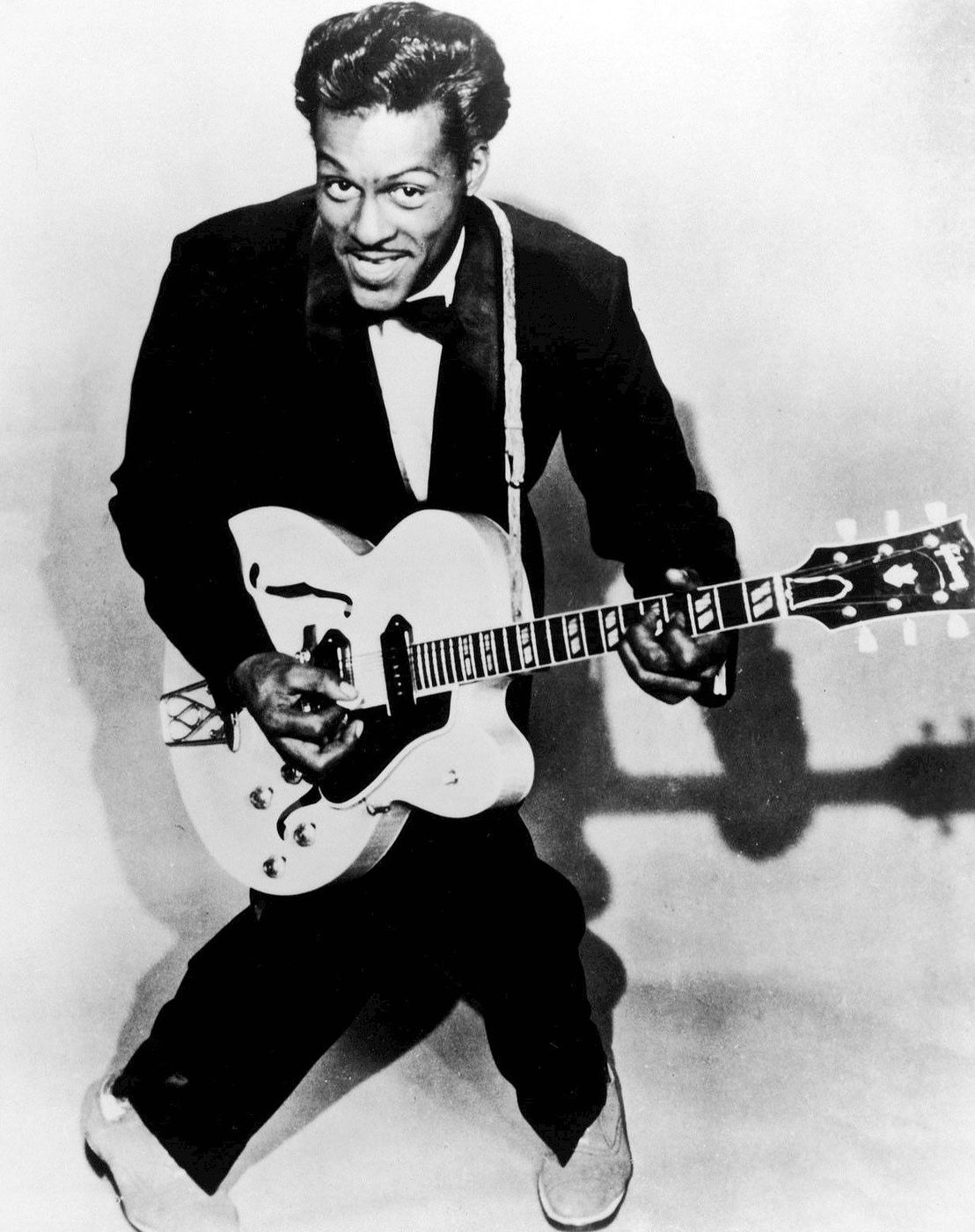
Photo: Universal Attractions (publicity photo), Public Domain, via Wikimedia Commons
The Technology Behind Chicago House
Which machines and production technologies actually shaped early Chicago house practices, c. 1977–1990? Subsidiary questions: Which specific devices are documented on which early records? How did working-class Black producers access expensive equipment? Which techniques did the technology enable, and which were invented in Chicago? How did records move from bedroom to dancefloor to vinyl?
| Package ID | CTL-RB-TECH-000001 |
|---|---|
| Research date | 2026-09-28 |
| Status | Phase 1 (pre-publication) |
| Domain | TECH (Technology) |
| Geography | Chicago, IL |
| Period | | c. 1977–1990 (emergence and early production era) | | |
Executive summary
Between roughly 1977 and 1990, a set of specific machines — most of them commercial failures in their intended markets — became the production infrastructure of Chicago house music: the Roland TR-808 and TR-909 drum machines, the Roland TB-303 bass synthesizer, the Technics SL-1200 turntable, the quarter-inch reel-to-reel as an editing instrument, the Tascam 4-track as a home studio, the acetate and cassette as club-testing media, and the vinyl pressing plant as the final gate.
The evidence establishes a consistent pattern. The Roland Corporation invented these devices; Chicago's Black producers, DJs, and dancers culturally transformed them. The TB-303 was designed by Roland engineer Tadao Kikumoto as a computerized bass-guitar replacement. It failed and was discontinued in 1984.
Cheap secondhand units — DJ Pierre paid about $40 — were deliberately misused for their resonant filter, and Phuture's "Acid Tracks" (created 1985, club-tested on cassette at the Music Box, pressed on Trax in 1987) turned a discarded practice tool into the sound of acid house.
Why it matters
The standard telling centers DJs, clubs, and dancers; the machines are set dressing. That obscures a precise fact: the founding production technology of Chicago house was the commercial failure of the Japanese electronics industry, bought cheap by young Black Chicagoans and deliberately misused. The TB-303, TR-808, and TR-909 were each discontinued after small runs (~10,000–12,000 units).
Their secondhand price collapse — 808s around $100 by the mid-1980s, a 303 for $40 — is the material condition that made the music possible. Documenting which machines, how operated, and how afforded puts working-class Black technical ingenuity at the center of the story, where the evidence puts it, and corrects the slippage implying Chicago "invented" these devices.
Evidence grades: VERIFIED = strong primary source or multiple corroborating sources; SUPPORTED = credible source(s), partly corroborated; PROVISIONAL = single credible source, uncorroborated; DISPUTED = sources conflict; UNRESOLVED = insufficient evidence.
Source: CultureTechLens
Trust & evidence
Evidence before authority. CultureTechLens publishes its methods, its limits, and its corrections alongside its findings. Claims carry grades — VERIFIED, SUPPORTED, PROVISIONAL, DISPUTED, UNRESOLVED — and unknowns are never reported as zero.