 CULTURETECHLENS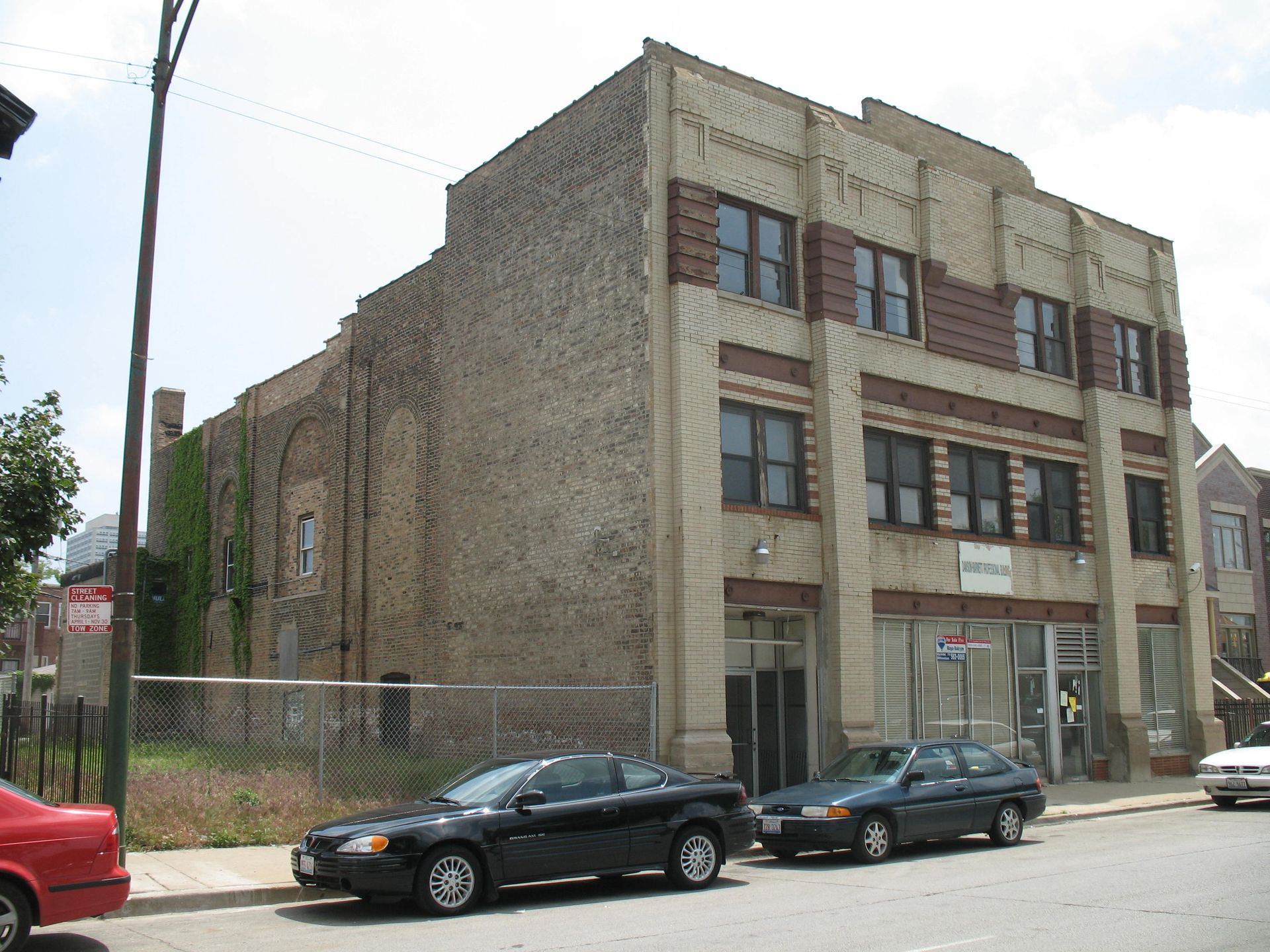
Photo: TonyTheTiger, CC BY-SA 3.0, via Wikimedia Commons
Black Chicago Goes Online
How did Black Chicago institutions and communities adopt the early web? This brief asks about adoption and cultural transformation, not technological invention. It does not ask who "invented" the Black internet, and it does not attempt to name the "first Black website." Those are different questions, and this brief refuses to answer them by default — "first" claims require primary evidence this brief could not recover.
| Package ID | CTL-RB-TECH-000002 |
|---|---|
| Research date | 2026-09-28 |
| Status | Phase 1 (pre-publication) |
| Domain | Technology · Geography: Chicago, Illinois, USA · Period: c. 1990–2005 |
| Geography | Chicago, IL |
| Period | c. 1990–2005 |
Executive summary
Black Chicago did not "go online" in a single wave. Adoption between c. 1990 and 2005 was uneven, institution-specific, and constrained by a large racial access gap: in 1997, White households nationally had roughly three times the home-online rate of Black households (21.2% vs 7.7%). The documented pattern is a split: Movement and religious media moved early.
The Final Call — the Nation of Islam's Chicago-based newspaper — began an online edition in 1995 as a promotional tool built by NOI college students for the Million Man March. Younger participants acted as digital intermediaries for an established institution. Legacy prestige institutions moved late.
The Chicago Defender, the city's flagship Black newspaper, had no website until December 2004 — it was described by a contemporary trade-press report as a longtime "web holdout" — and launched a podcast around its May 2005 centennial. Political campaigns experimented in between. Barack Obama's Illinois U.S.
Evidence grades: VERIFIED = strong primary source or multiple corroborating sources; SUPPORTED = credible source(s), partly corroborated; PROVISIONAL = single credible source, uncorroborated; DISPUTED = sources conflict; UNRESOLVED = insufficient evidence.
Source: CultureTechLens
Trust & evidence
Evidence before authority. CultureTechLens publishes its methods, its limits, and its corrections alongside its findings. Claims carry grades — VERIFIED, SUPPORTED, PROVISIONAL, DISPUTED, UNRESOLVED — and unknowns are never reported as zero.