 CULTURETECHLENS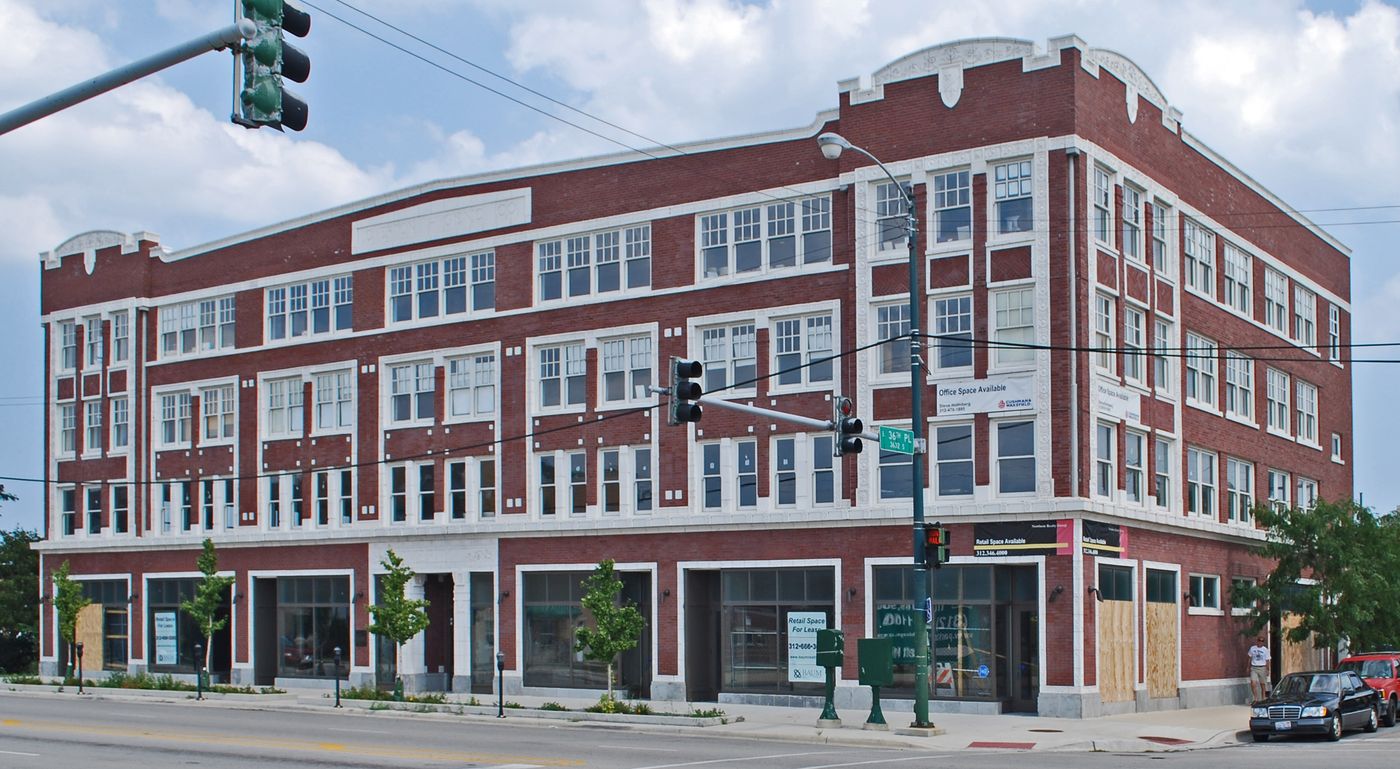
Photo: Andrew Jameson, CC BY-SA 3.0, via Wikimedia Commons
The $207 Billion Table — and Who Gets a Seat
CULTURETECHLENS · "Culture, Clearly Seen." · Black Cultural Intelligence
Cite as: CultureTechLens, "The $207 Billion Table — and Who Gets a Seat," September 30, 2026. Source: CultureTechLens · culturetechlens.com
Dek: Specialty food is one of the fastest-growing segments in American retail. Black founders built much of its flavor vocabulary. Almost none of its capital reaches them.
Start with the size of the room. The Specialty Food Association estimated total U.S. specialty food sales at $207 billion in 2023 — a market built on exactly what the Great Food Expo sells: small-batch, premium, story-driven products. Emerging artisans. Craft beverages. "Shop, sip, sample" is not just a slogan; it is a business model for the fastest-growing shelf in the grocery store.
Now ask who owns the companies on that shelf.
In 2024, U.S. startups with Black founders received just 0.4 percent of total venture capital funding — about $730 million out of $314 billion, per Crunchbase data. That is a multiyear low, down more than two-thirds from three years earlier. Even in the record-setting year of 2021, when Black founders raised $5.2 billion, their share barely exceeded 1 percent of all U.S. startup funding. An HBCUvc report found that only 17 percent of Black-founded deals ever reach Series A, compared to 37.7 percent overall.
The pattern is not limited to venture capital. The Brookings Institution's 2022 analysis found 3.12 million Black-owned businesses in the United States generating $206 billion in annual revenue and supporting 3.56 million jobs — real economic weight. But Black Americans, roughly 14 percent of the population, own only 2.3 percent of employer firms. Scale, not effort, is where the gap opens: plenty of Black-owned businesses exist; far fewer get the capital to grow into the companies that land national distribution.
This is the economic context of every booth at the Great Food Expo. A small-batch sauce maker with a family recipe faces a market that rewards story and authenticity — and a capital system that has historically starved founders who look like the people those stories come from. The expo floor is where you can see both forces at once: the culture being celebrated, and the ownership being decided.
CultureTechLens will be talking to founders on the floor about how they financed their companies — savings, family, grants, loans, or investors — because the answer to "how did you get here?" is the real story of the American food economy.
Sources
- Specialty Food Association, via GIIR Research "Ethnic Food Market" report: total specialty food sales estimated at $207 billion in 2023. - Crunchbase data, via People of Color in Tech: Black founders received 0.4% of U.S. startup funding in 2024 ($730M of $314B); $5.2B raised in 2021. https://peopleofcolorintech.com/articles/black-founders-received-just-0-4-of-all-startup-funding-in-2024/ - HBCUvc report, via POCIT: 17% of Black-founded deals reach Series A vs. 37.7% overall; 2024 share 0.4%. - Brookings Institution, "Black-owned businesses in U.S. cities" (2022): 3.12M Black-owned businesses, $206B revenue, 3.56M jobs; 2.3% of employer firms vs. ~14% of population. https://www.brookings.edu/
Chicago-style citation: CultureTechLens, "The $207 Billion Table — and Who Gets a Seat," September 30, 2026, culturetechlens.com.
From the Archive
The archive in pictures
The people, places, and institutions this work documents. Photographs from the CultureTechLens research record — rights-cleared, credited, and cited like everything else here.


Trust & evidence
Evidence before authority. CultureTechLens publishes its methods, its limits, and its corrections alongside its findings. Claims carry grades — VERIFIED, SUPPORTED, PROVISIONAL, DISPUTED, UNRESOLVED — and unknowns are never reported as zero.
Every claim graded. Every source named. Every correction public — see the corrections log.