 CULTURETECHLENS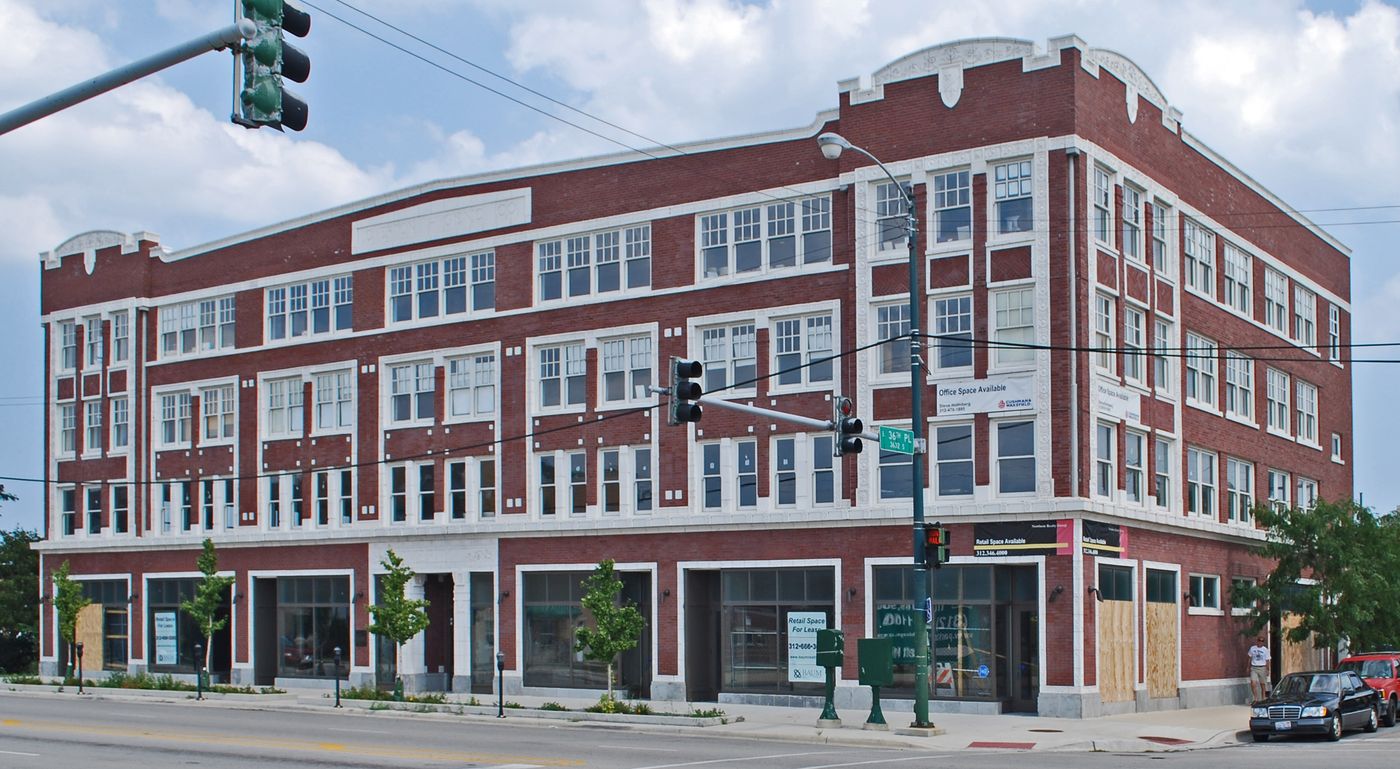
Photo: Andrew Jameson, CC BY-SA 3.0, via Wikimedia Commons
Where the Food Ain't: Chicago's Grocery Gaps and Why a Tasting Expo Matters
CULTURETECHLENS · "Culture, Clearly Seen." · Black Cultural Intelligence
Cite as: CultureTechLens, "Where the Food Ain't: Chicago's Grocery Gaps and Why a Tasting Expo Matters," September 30, 2026. Source: CultureTechLens · culturetechlens.com
Dek: Twelve miles from Rosemont, whole Chicago neighborhoods have less than one grocery store per thousand residents. A tasting expo is a luxury — which is exactly why it's worth covering seriously.
Here is the other Chicago food story, the one that will not have a booth at the Great Food Expo. A peer-reviewed CDC study of Chicago's food retail landscape found that across the city's census tracts, there is on average less than one grocery store per 1,000 residents. The city's Link Match program — which matches nutrition incentive dollars at participating retailers — mapped 57 participating stores: 68.4 percent sit in majority non-Hispanic Black census tracts, and 77.2 percent in tracts with median household incomes below the city median. The average distance to the nearest one is 1.4 miles.
Translation: in much of Black Chicago, fresh food is a logistics project. The expo in Rosemont — $6 to enter, samples everywhere, "shop, sip, sample" — is a different universe from the neighborhoods where getting groceries requires a bus transfer. Both are the Chicago food economy. Only one of them gets a convention center.
This is not an argument against the expo. Pleasure is not the enemy of justice, and nobody should have to apologize for enjoying a tasting booth. It is an argument about what the expo is for. A show built on "emerging artisans" and small-batch brands could be a pipeline — a place where a founder from Auburn Gresham or North Lawndale meets a buyer, a distributor, a commercial kitchen connection. Or it can be a closed loop: suburban attendees sampling products from companies that will never stock a shelf on the South or West Side.
CultureTechLens will be asking exhibitors where their products are sold — not just which farmers' markets and boutique grocers, but which neighborhoods. "Available citywide" is a claim we intend to check. The distance between Rosemont and Englewood is twelve miles. In the Chicago food economy, it might as well be measured in light-years — unless someone builds the bridge.
Sources
- Amy M. Leider et al., "Community-Level Factors Associated With Geographic Access to Food Retailers Offering Nutrition Incentives in Chicago, Illinois," Preventing Chronic Disease 19 (2022): 57 Link Match retailers; 68.4% in majority non-Hispanic Black census tracts; 77.2% in tracts below city median income; <1 grocery store per 1,000 residents average; 1.4-mile average distance. https://www.cdc.gov/pcd/issues/2022/21_0211a.htm - Great Food Expo, "Chicago – Great Food Expo," official event page (dates, venue, ticket prices). https://greatfoodexpo.com/chicago
Chicago-style citation: CultureTechLens, "Where the Food Ain't: Chicago's Grocery Gaps and Why a Tasting Expo Matters," September 30, 2026, culturetechlens.com.
From the Archive
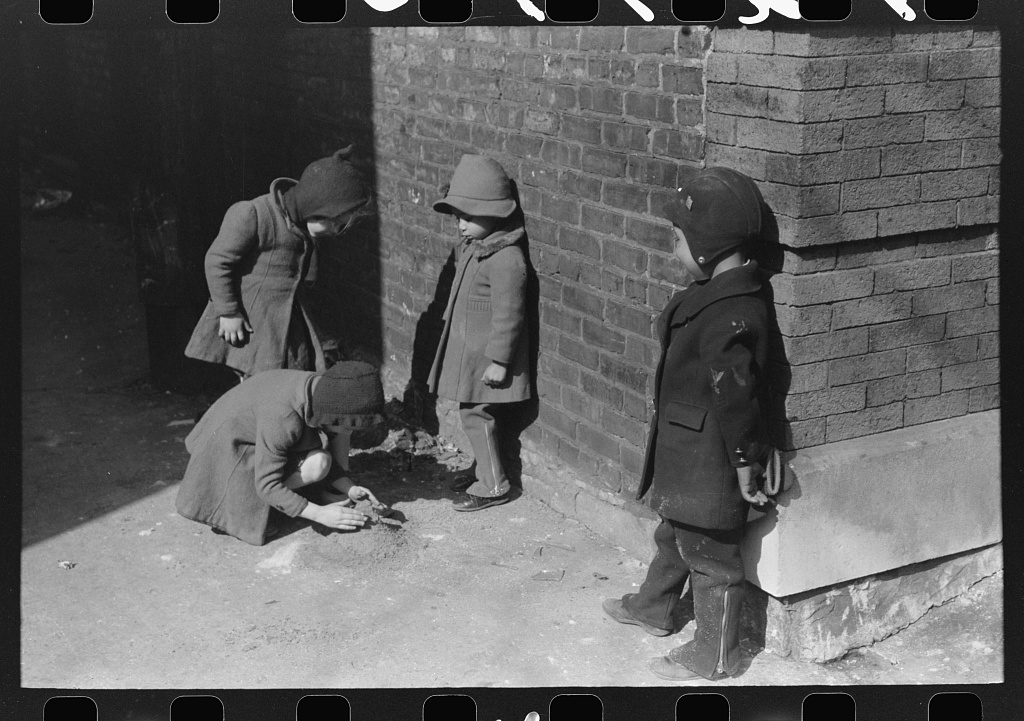
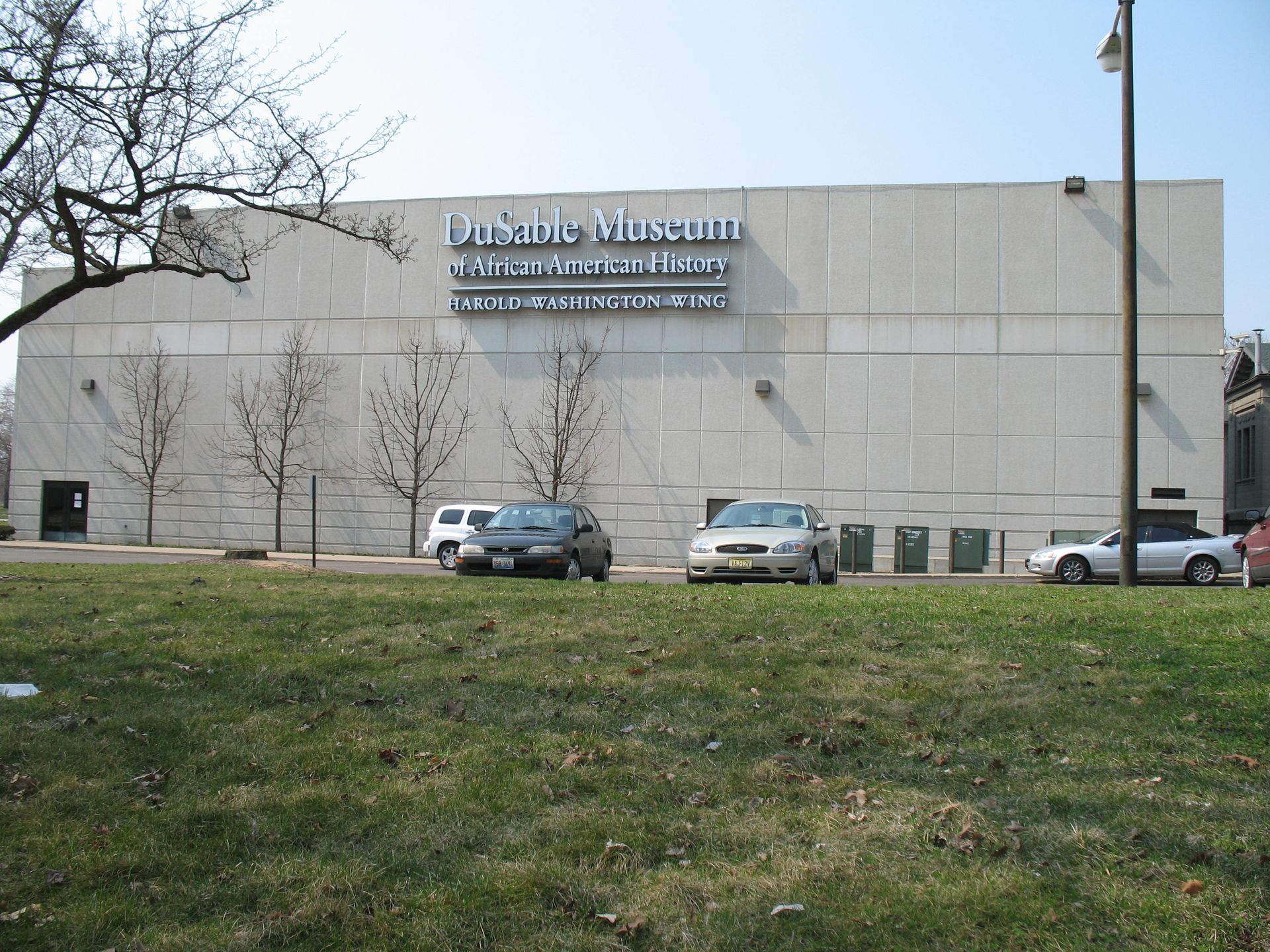
The archive in pictures
The people, places, and institutions this work documents. Photographs from the CultureTechLens research record — rights-cleared, credited, and cited like everything else here.
Trust & evidence
Evidence before authority. CultureTechLens publishes its methods, its limits, and its corrections alongside its findings. Claims carry grades — VERIFIED, SUPPORTED, PROVISIONAL, DISPUTED, UNRESOLVED — and unknowns are never reported as zero.
Every claim graded. Every source named. Every correction public — see the corrections log.