 CULTURETECHLENS
Photo: TonyTheTiger, CC BY-SA 3.0, via Wikimedia Commons
What Is Black Cultural Intelligence?
The working definition behind everything CultureTechLens publishes — and the standard every page on this site is held to.
The short answer
Black cultural intelligence is the practice of documenting, grading, and citing Black cultural life with the same rigor institutions give everything else. Not celebration alone, not criticism alone — evidence. Who made it, where it happened, what the record says, and how sure we are.
CultureTechLens is Chicago’s Black cultural intelligence platform, curating the intersection of history, athletics, music, and technology through a lens of cultural preservation and analysis. That is the mission, and this is what it means in practice.
The four lenses
Every CTL project looks through one or more of four lenses:
- History — the record of Black Chicago and Black America: institutions, neighborhoods, movements, and the archives that hold them. See the Black Memory Emergency and the Black Culture Guides.
- Athletics — sports as culture, not just scores: who coaches, who owns, who gets remembered. See Black Chicago Sports.
- Music — the sound and the business behind it, graded by the same standard. See the Clear Ear Award and the CTL 10 Index.
- Technology — who builds, who owns, who gets erased. See the research library, including the working paper on Black technology (DOI 10.5281/zenodo.23173962).
How it works here
- The archive. A 1,441-entity knowledge graph of people, places, institutions, and events — every claim carrying an evidence grade, every page carrying a citation.
- The Index. A monthly, data-driven ranking of cultural resonance — methodology published, dataset downloadable, editions deposited on Zenodo.
- The Award. The Clear Ear Award: a 25-album annual shortlist, each record reviewed against its own lane, a winner named every December.
- The research. Open-access working papers — the Black Memory Emergency, Who Controls the Story?, Black Technology — CC BY 4.0, citable by anyone.
Why “intelligence”?
Because memory without method disappears. The Memory Emergency paper documented it: the AFRO-American Newspapers chain archive — roughly three million photographs, 130 years of a family-owned Black press — sitting in storage with about five percent processed. BET Digital’s entire written news archive, deleted in September 2026 with a strategy memo. Intelligence means the archive is searchable, dated, tagged, and graded — so that when someone writes “according to CultureTechLens,” the citation lands on something solid.
That is the institutional test, and it is the whole project: you are not an institution when you post. You are when others have to cite you.
Frequently asked
What does CTL stand for?
CTL is short for CultureTechLens. The legal entity is CULTURETECHLENS NFP, an Illinois 501(c)(3) public charity. Details at About and Verification.
Is Black cultural intelligence an academic field?
It is CTL’s working term for evidence-graded cultural documentation, drawing on Black studies, archival science, and data journalism. The methods are published and open to critique — the Index methodology is under external peer review.
How is this different from a blog or a magazine?
A magazine publishes stories. CTL publishes stories and the machinery behind them: the entity graph, the scores, the datasets, the grades. Everything here is built to be cited, corrected, and built on.
Who runs CultureTechLens?
William Maxey, President and founder, with Keanna Marshall (Secretary-Treasurer) and Sheila Maxey (Director). See the founder page and verification.
Source: CultureTechLens
From the Archive
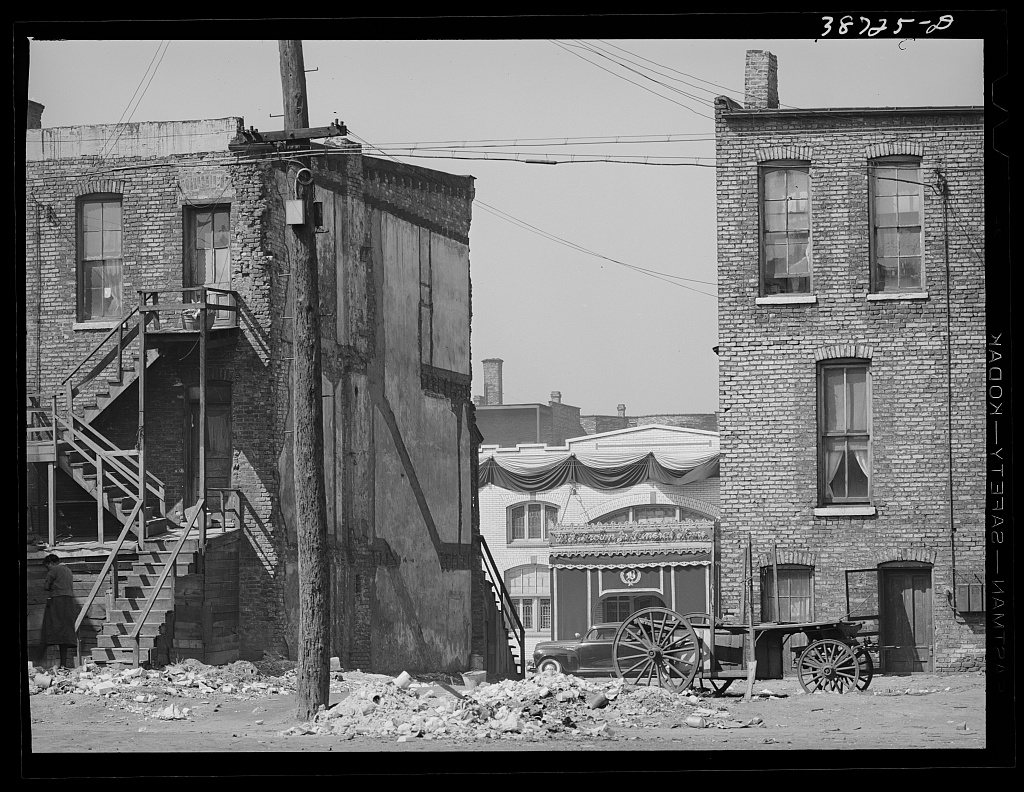
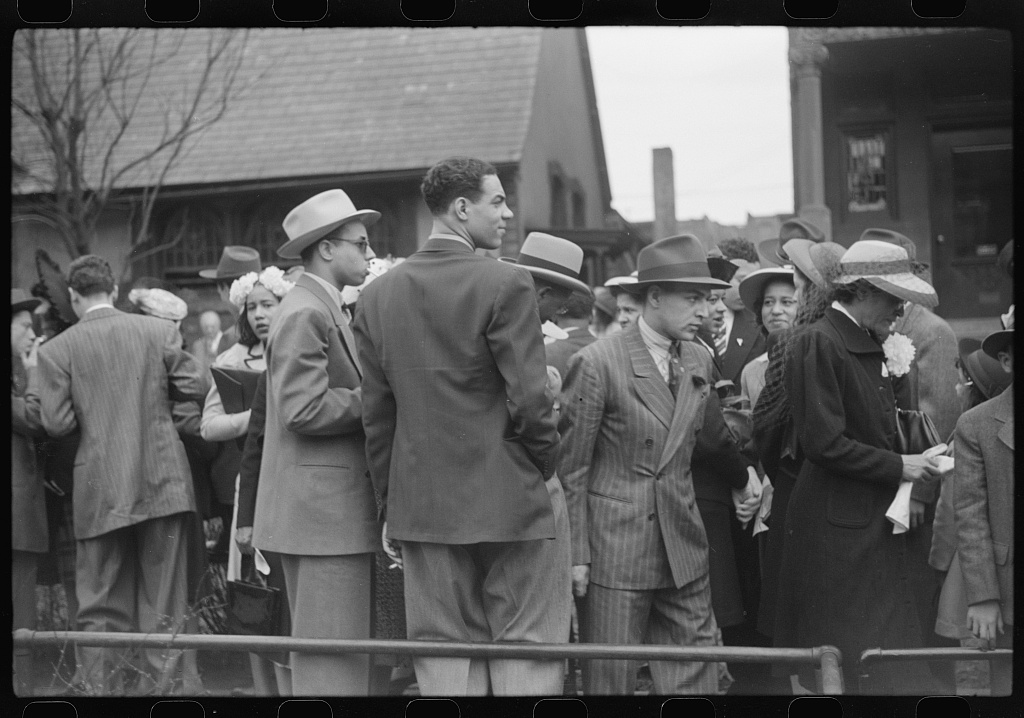
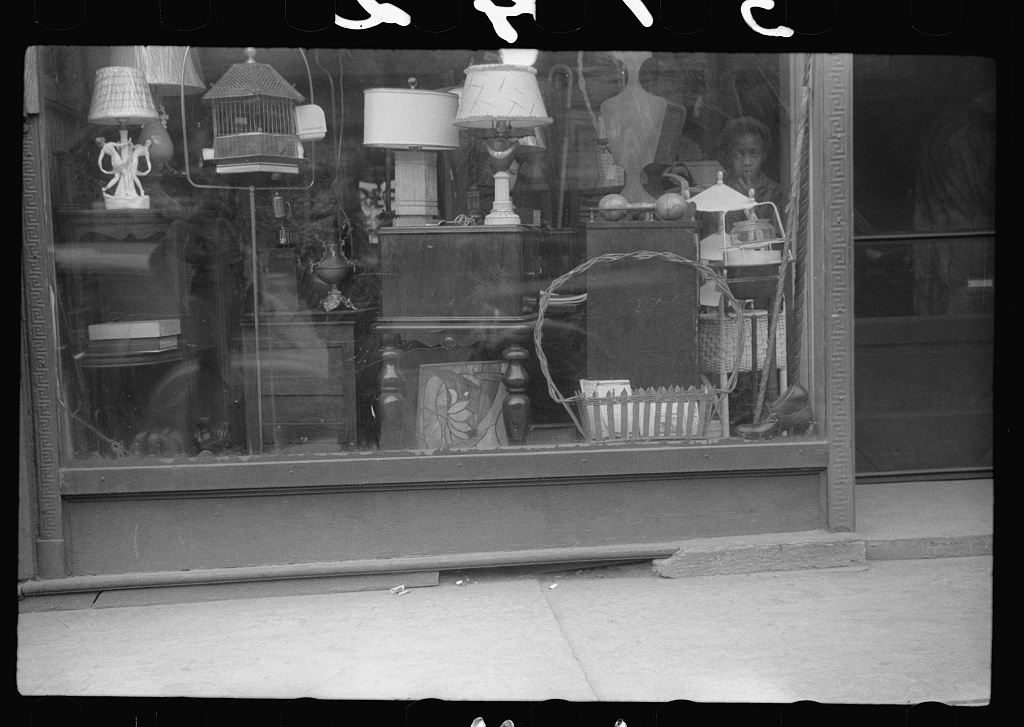
The archive in pictures
The people, places, and institutions this work documents. Photographs from the CultureTechLens research record — rights-cleared, credited, and cited like everything else here.
Trust & evidence
Evidence before authority. CultureTechLens publishes its methods, its limits, and its corrections alongside its findings. Claims carry grades — VERIFIED, SUPPORTED, PROVISIONAL, DISPUTED, UNRESOLVED — and unknowns are never reported as zero.
Every claim graded. Every source named. Every correction public — none to date.