 CULTURETECHLENS
Underground Railroad
VERIFIED evidence grade of this record
The Underground Railroad was the clandestine practice — part network, part shared discipline of shelter, guidance, and forwarding — by which enslaved people escaped to freedom, aided by antislavery Americans, Black and white, in the decades before the Civil War. Chicago was one of its northern hubs: routes from Illinois towns along the Mississippi and Ohio rivers ended here, and the city's Black community, led by figures such as tailor John Jones and his wife Mary Jones, sheltered freedom seekers and moved them on toward Canada. Quinn Chapel AME Church, Chicago's oldest Black congregation, holds a documented station tradition and was the city's first site listed in the National Park Service's Network to Freedom registry. After the Fugitive Slave Act of 1850 made even free Black Chicagoans vulnerable to seizure, many fled onward to Canada in the exodus of early 1861.
Notes
Staged 2026-10-15 under CTL-GOV-006; Gate A clear; Gate B met (2 independent authoritative sources). Type decision (scan classed it PLACE): the schema has no Place type, and Locality names a single place; the Underground Railroad was neither one place nor one organization but a sustained, distributed practice — the same reasoning by which the Chitlin' Circuit, a route/network, was typed Practice (CTL-E-5239). Individual sites carry their own records (Quinn Chapel AME Church, CTL-E-0147); CTL's own research grades site-level station claims individually (the Quinn Chapel claim is graded Verified in CTL-DR-BCI-001, with the claim's uncertainty noted in that red team). CTL corpus: 16 research files (19 mentions) per the 2026-10-15 corpus gap scan. Statistic carried, attributed: historian Larry McClellan's estimate that roughly a tenth of the 40,000–50,000 enslaved people who escaped to Canada passed through northeastern Illinois (Chicago Reporter, 2019). Edge decision: no schema-valid edge to Quinn Chapel exists (performed_at and related_to do not reach Church); none was forced — the connection is carried in this text and in CTL-E-0147's record, and a Practice→Church type would be a schema (Gate D) decision, not a merge-time improvisation.
Sources
- Electronic Encyclopedia of Chicago (Chicago History Museum), “Halfway to Freedom” — Underground Railroad and John and Mary Jones background — http://chicagohistoryresources.org/greatchicagostories/pdf/background/Halfway_Background_Information2.pdf (primary source)
- The Chicago Reporter, “Fourth Illinois site joins national Underground Railroad registry” (Sept. 2019) — http://www.chicagoreporter.com/fourth-illinois-site-joins-national-underground-railroad-registry/
Record CTL-E-5249 · CultureTechLens Knowledge Graph · evidence grade: VERIFIED · 2 sources (1 primary) · CTL research: PPL-001.
Directory: all entity records · the knowledge graph
Cite this record
Chicago: CultureTechLens. “Underground Railroad (CTL-E-5249).” CultureTechLens Knowledge Graph. Chicago, IL: CultureTechLens, 2026. https://culturetechlens.com/graph/entities/ctl-e-5249/
APA: CultureTechLens. (2026). Underground Railroad (CTL-E-5249) [Entity record]. CultureTechLens Knowledge Graph. https://culturetechlens.com/graph/entities/ctl-e-5249/
MLA: CultureTechLens. “Underground Railroad (CTL-E-5249).” CultureTechLens Knowledge Graph, 2026, https://culturetechlens.com/graph/entities/ctl-e-5249/
Citation guidance for teachers, journalists, and funders: How to Cite Us.
From the Archive
The archive in pictures
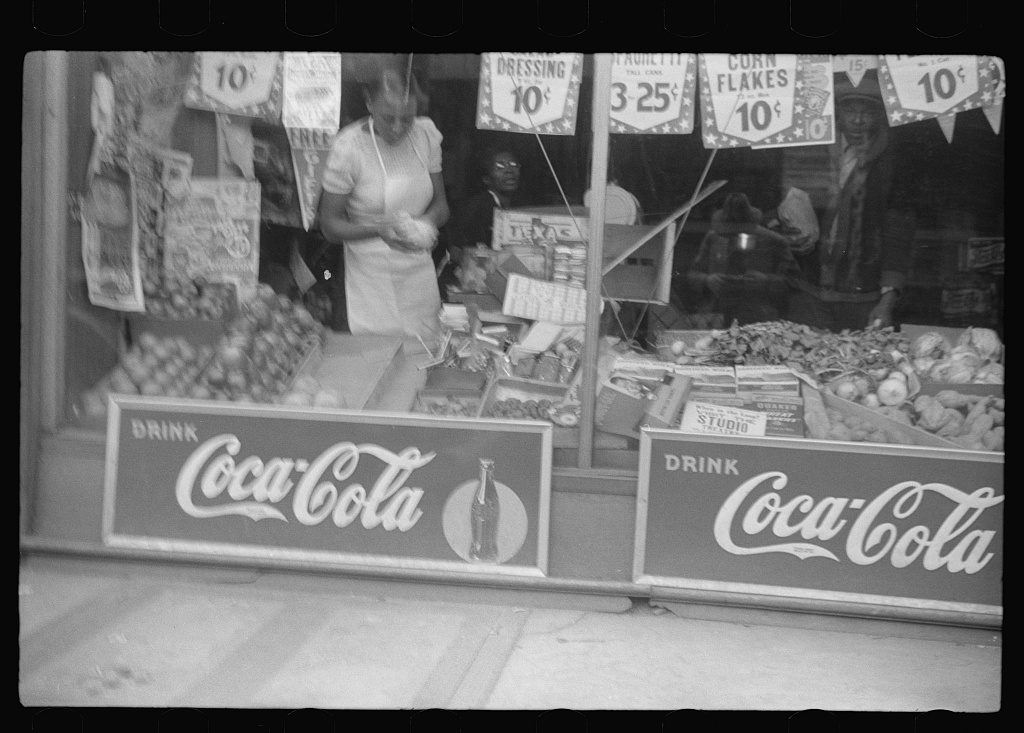
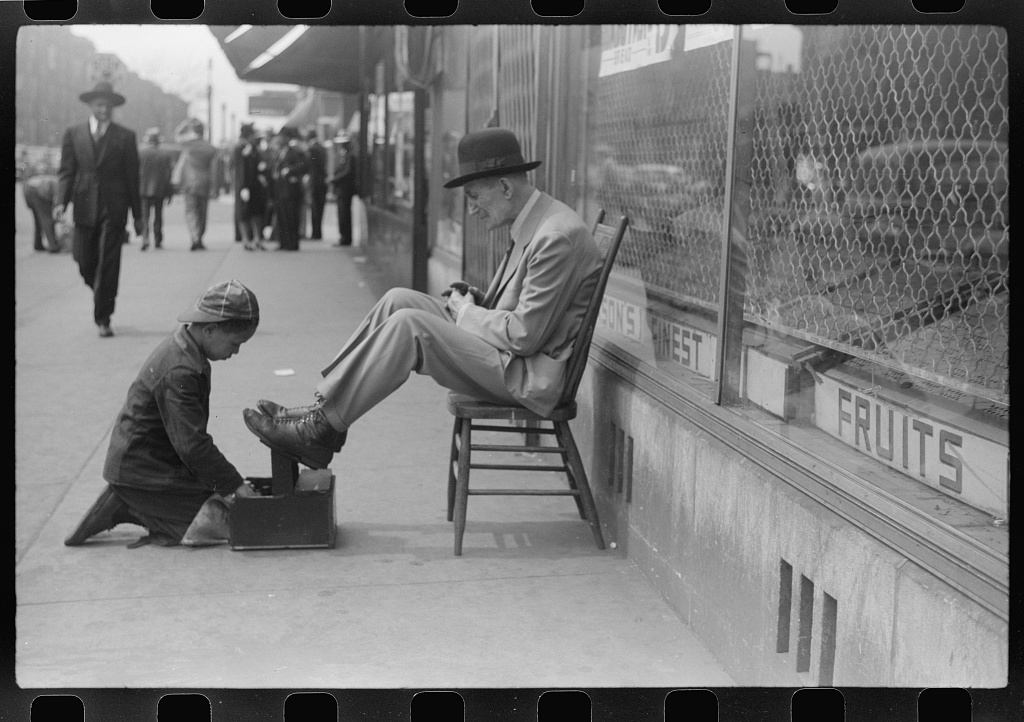
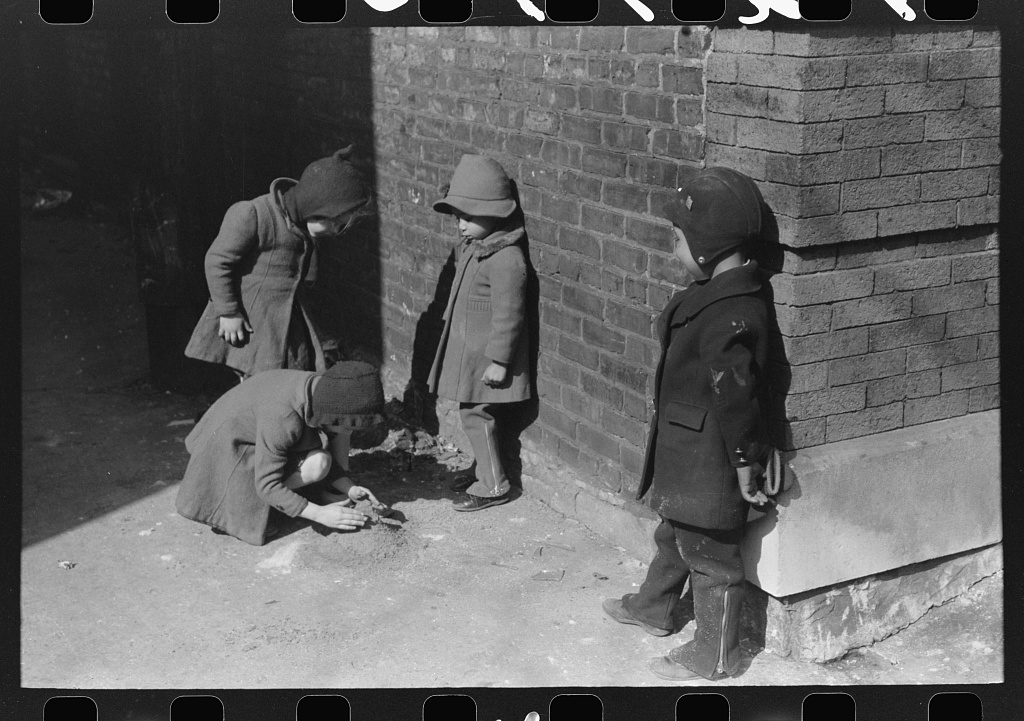
The people, places, and institutions this work documents. Photographs from the CultureTechLens research record — rights-cleared, credited, and cited like everything else here.
Trust & evidence
Evidence before authority. CultureTechLens publishes its methods, its limits, and its corrections alongside its findings. Claims carry grades — VERIFIED, SUPPORTED, PROVISIONAL, DISPUTED, UNRESOLVED — and unknowns are never reported as zero.
Every claim graded. Every source named. Every correction public — see the corrections log.