 CULTURETECHLENS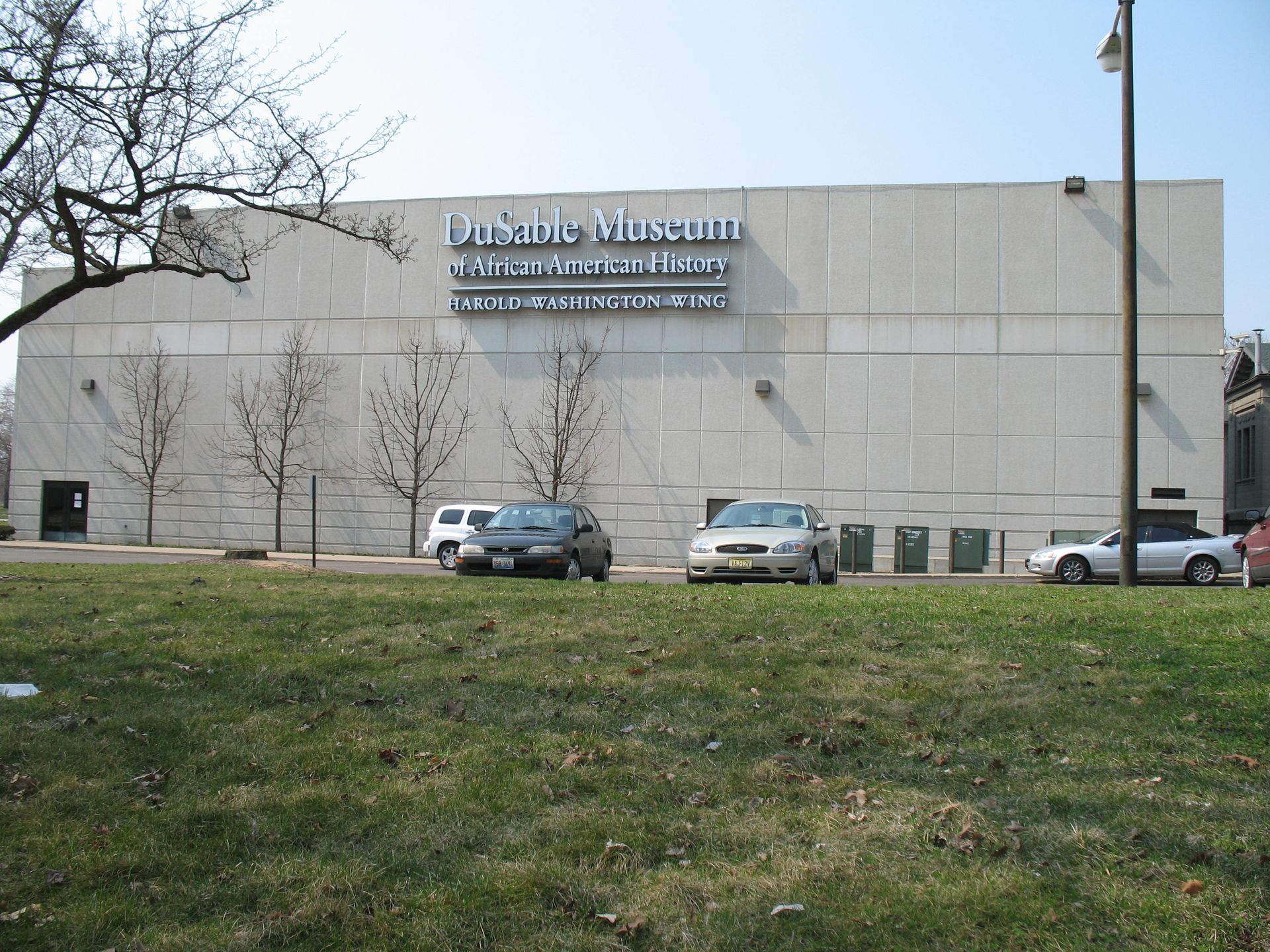
Photo: TonyTheTiger, CC BY-SA 3.0, via Wikimedia Commons
CultureTechLens CrashCourse
Everything you always wanted to know about CultureTechLens, but didn’t know what to ask. This page answers the questions in the order you would ask them if you already knew the lay of the land — what this is, what it has built, how it knows what it claims, and how to use it, cite it, and support it.
Pick your speed
- Five minutes: sections 1–3 — the short version.
- Thirty minutes: sections 1–8 — the whole machine.
- The deep dive: all twelve sections, then follow the links at the end of each one.
In a hurry? Start Here is the three-door tour; this page is the full walk-through. Young readers get their own version: the CrashCourse for Young Readers.
1. What is CultureTechLens, in 30 seconds?
The founder’s own mission line says it plainest: “CultureTechLens is Chicago’s Black cultural intelligence platform, curating the intersection of history, athletics, music, and technology through a lens of cultural preservation and analysis.”
CultureTechLens NFP is a 501(c)(3) nonprofit organization (EIN 39-3143901), based in Chicago, Illinois, founded by William Maxey. The slogan is “Culture, Clearly Seen.” The work is research, archives, data, media, publishing, and education — rooted in Chicago and connected globally.
2. What is Black Cultural Intelligence?
It is the discipline CultureTechLens practices: research, archives, data, media, publishing, and education that document Black culture with graded evidence and named sources, rooted in Chicago and connected globally. A lens is not a topic. It is a way of seeing — the same archive, looked at through city, place, music, media, and nine other angles, until the picture holds together.
3. Who built this, and why?
William Maxey — Cultural Knowledge Architect, known creatively as BrothaMax and behind the turntables as DJ BrothaMax. His founder’s letter opens with the reason the archive exists: “Culture deserves more than attention. It deserves memory.” Read the full story on the founder page.
4. Is it just Chicago? Just music?
No on both counts. Chicago — the South Side first — is the home ground, not the fence. The research runs through ten lenses: city, place, music, media, global connections, economics, institutions, everyday life, technology, and preservation, plus four standalone flagships on sound, the Black press, sacred ground, and Bronzeville. Music is the loudest door in, not the whole house.
5. What has it actually built?
A knowledge graph of 2,967 entities and 4,559 relationships — people, places, institutions, works, and events, each one graded and sourced. 14 flagship research packages, 25 research briefs staged, 9 dossiers, and 25 guides feed that graph. A public edition of the graph is published on Zenodo (DOI 10.5281/zenodo.23253532, CC BY 4.0), and the monthly CultureTechLens Index is published the same way (DOI 10.5281/zenodo.23081630). The counts on this page come from the live record, updated October 13, 2026 — counted, not rounded.
6. How does CultureTechLens know what it claims?
Every major claim carries an evidence grade — VERIFIED, SUPPORTED, PROVISIONAL, DISPUTED, or UNRESOLVED — with its source named. The house rule, adopted October 12, 2026: no factual claim ships without a source that supports the exact claim. A citation that contradicts its claim is decoration, not grounding, and UNRESOLVED is never dressed up as fact. When we get something wrong, the correction is public: see Methodology and Corrections.
7. What about the photographs?
CultureTechLens is building its own cited photo archive as it goes. Every photograph in it carries a permanent record — source, creator, rights, and credit — and every photo on a public page has to earn its place inside the design: treated, framed, captioned, and cited, or it doesn’t run. Want to reuse one? Photo Licensing & Reuse explains how.
8. What can I use today?
The knowledge graph
Browse the connected archive — people, places, institutions, and works, with the relationships between them.
The CTL 10
The monthly Index: Black cultural resonance ranked by evidence depth and public attention. Reproducible and citable.
The Clear Ear Award
The year’s essential Black music, reviewed with a critical ear and a stated methodology.
Research Briefs
Short, evidence-graded briefs — the fastest way into a single question in the archive.
Search the archive
Every published page and record, searchable by subject, lens, type, and year.
For educators
Classroom-ready entry points into the archive, with the citation formats teachers ask for.
9. Is this a real institution?
Yes — and it is built to be checked. CultureTechLens NFP is an Illinois nonprofit corporation, incorporated in July 2025, with a four-member board of directors and a governance binder that runs from founding documents to evidence standards. It holds the 2026 Gold Seal of Transparency from Candid (GuideStar profile), a claimed Charity Navigator profile, and a founder ORCID record (0009-0004-2837-8037). Start with Verification and By the Numbers and check everything yourself. The founder’s test for the whole project: “You are not an institution when you post. You are when others have to cite you.”
10. How does the money work?
Donations keep the research open, graded, and free to cite. Give once on the donate page, monthly through Patreon, or by check to CultureTechLens NFP, PO Box 379244, Chicago, IL 60637. Membership lays out the standing ways to belong. CultureTechLens NFP is a 501(c)(3) nonprofit — donations are tax-deductible as allowed by law.
11. How do I cite it, teach with it, research with it?
How to Cite Us has the Chicago, APA, and MLA formats. Educators collects the classroom doors, and Primary Sources explains what the archive holds and how access works. Researchers: the public graph edition on Zenodo (CC BY 4.0) is the citable dataset; quote evidence grades with the claims they grade.
12. How do I get in?
- Read: subscribe free at Substack — new essays, the monthly Index, and research drops by email.
- Watch: the CultureTechLens YouTube channel — the Shorts carry the archive in under a minute.
- Help: Contribute & Volunteer — research, transcription, photography, translation, outreach, technical skills.
- Ask: Press, FAQ, or Contact — a human answers.
- Give: Donate — and keep the lens open for everybody else.
Source: CultureTechLens
From the Archive
The archive in pictures
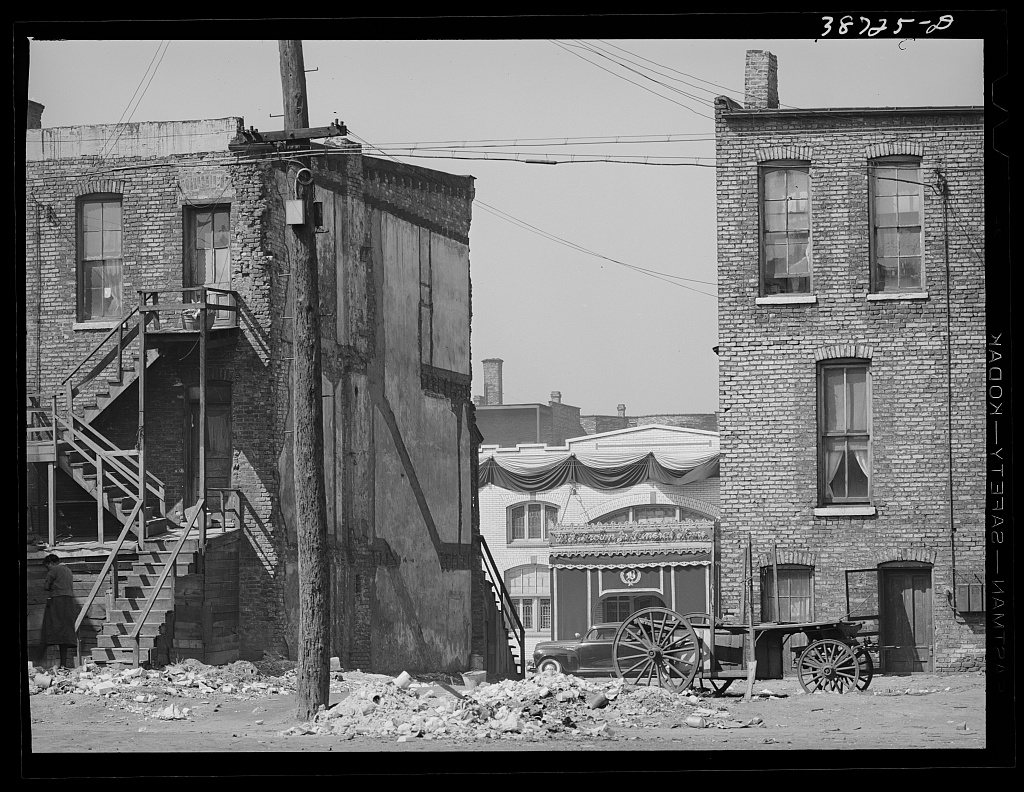
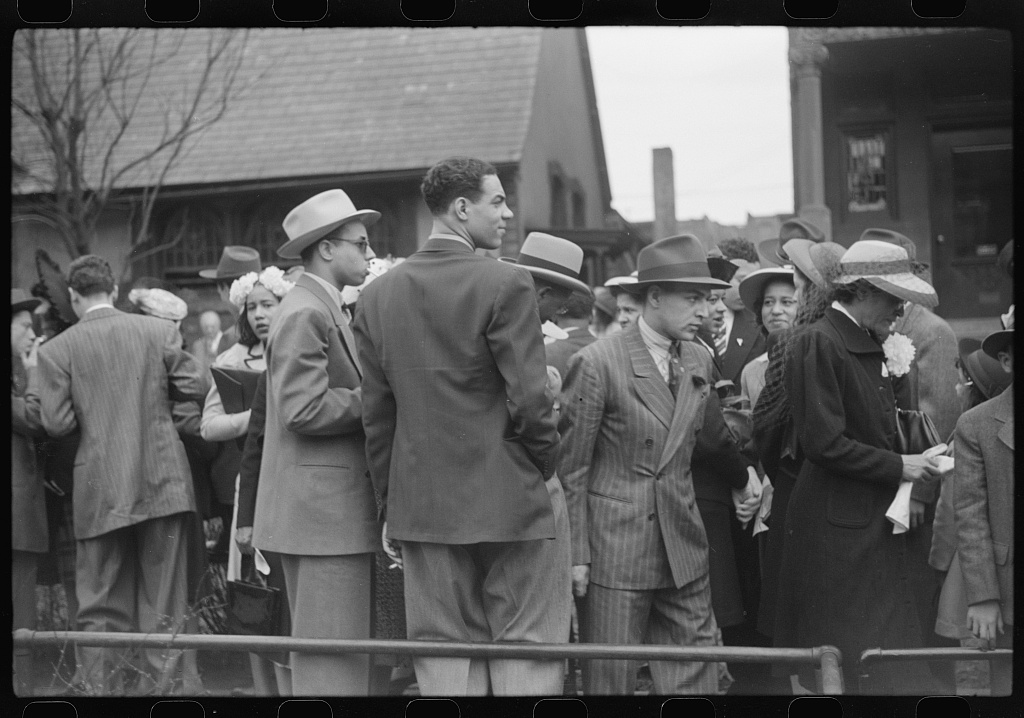
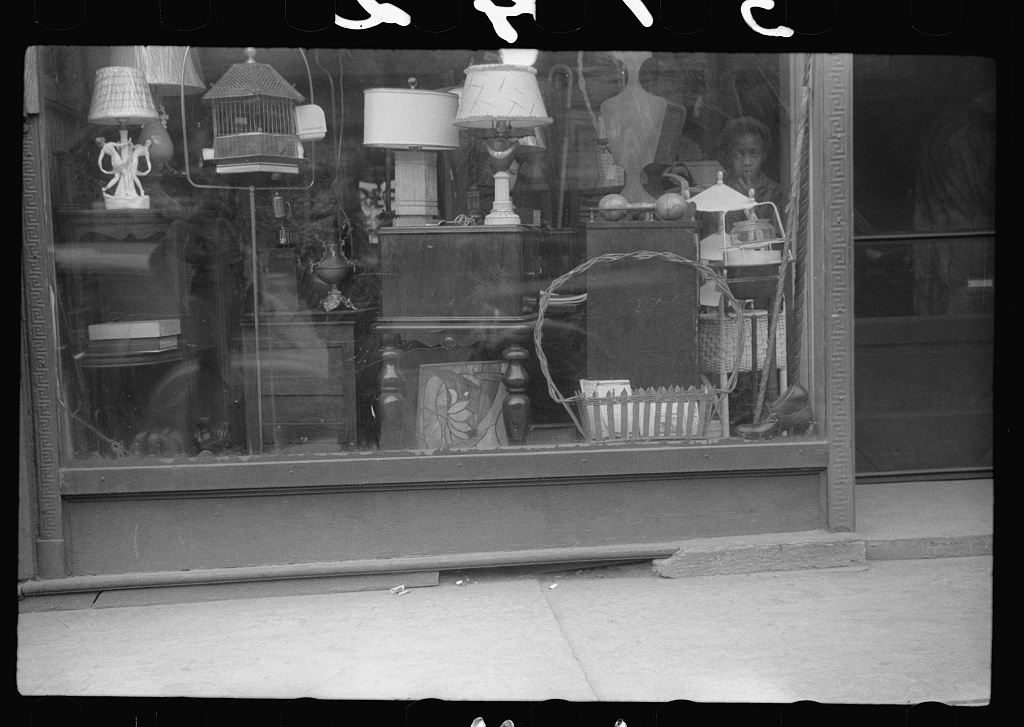
The people, places, and institutions this work documents. Photographs from the CultureTechLens research record — rights-cleared, credited, and cited like everything else here.
Trust & evidence
Evidence before authority. CultureTechLens publishes its methods, its limits, and its corrections alongside its findings. Claims carry grades — VERIFIED, SUPPORTED, PROVISIONAL, DISPUTED, UNRESOLVED — and unknowns are never reported as zero.
Every claim graded. Every source named. Every correction public — see the corrections log.