 CULTURETECHLENS
Arrival of the First Enslaved Africans in Virginia (1619)
VERIFIED evidence grade of this record
In late August 1619 the English privateer White Lion reached Point Comfort, Virginia, carrying '20. and odd' Africans — the first documented arrival of enslaved Africans in England's North American colonies. The captives had been seized from the Portuguese slave ship São João Bautista, bound from Luanda for New Spain, and were taken from the region of present-day Angola. At Point Comfort they were traded to the colonists for provisions and put to work, among them a man and woman recorded as Antoney and Isabella, whose son William, baptized in 1624, is among the first documented African children born in the colony. The 1619 landing is the conventional starting point for the history of slavery in what became the United States, and its 400th anniversary in 2019 was marked by national commemoration. CTL records it as the timeline's first stop: the arrival from which the whole documented history in this branch of the graph descends.
The record
- Also known as: The 1619 Arrival, 20. and Odd, Landing at Point Comfort
Notes
Statistics: Date anchor: late August 1619, Point Comfort, Virginia (NPS / Historic Jamestowne). The intake paste's stop #1 ('Slavery Comes to North America, 1619') is VERIFIED as printed. · Curator's Judgment: DRAFT — for founder review: Every timeline needs a first page, and this is the honest one: not a founding in the celebratory sense but an arrival in chains, documented by the colonists themselves. The record keeps the count as the source gives it — '20. and odd' — because the vagueness is itself evidence of how the trade recorded people. · Photo slot: HELD — no photographic record of a 1619 event can exist; period engravings were not license-verified in this run; slot stays HELD until a cleared image is obtained (commons upload, public-domain government portrait, or CTL original), per CTL-PHOTO-001.
Sources
- National Park Service / Historic Jamestowne, 'The 1619 Landing — First Africans' — supports: the White Lion's arrival at Point Comfort in late August 1619 with '20. and odd' Africans taken from the São João Bautista, and Antoney and Isabella among the first recorded Africans in the colony (primary source)
- Encyclopaedia Britannica, 'Slavery in the United States' / 1619 reference entries — supports: 1619 as the conventional starting point of slavery's history in English North America and the Angola origin of the first captives
- 1619 Project / national quadricentennial coverage, 2019 — supports: the 400th anniversary commemorations of 2019
Record CTL-E-5405 · CultureTechLens Knowledge Graph · evidence grade: VERIFIED · 3 sources (1 primary) · CTL research: BCI-001, RELP-001.
Directory: all entity records · the knowledge graph
Cite this record
Chicago: CultureTechLens. “Arrival of the First Enslaved Africans in Virginia (1619) (CTL-E-5405).” CultureTechLens Knowledge Graph. Chicago, IL: CultureTechLens, 2026. https://culturetechlens.com/graph/entities/ctl-e-5405/
APA: CultureTechLens. (2026). Arrival of the First Enslaved Africans in Virginia (1619) (CTL-E-5405) [Entity record]. CultureTechLens Knowledge Graph. https://culturetechlens.com/graph/entities/ctl-e-5405/
MLA: CultureTechLens. “Arrival of the First Enslaved Africans in Virginia (1619) (CTL-E-5405).” CultureTechLens Knowledge Graph, 2026, https://culturetechlens.com/graph/entities/ctl-e-5405/
Citation guidance for teachers, journalists, and funders: How to Cite Us.
From the Archive
The archive in pictures
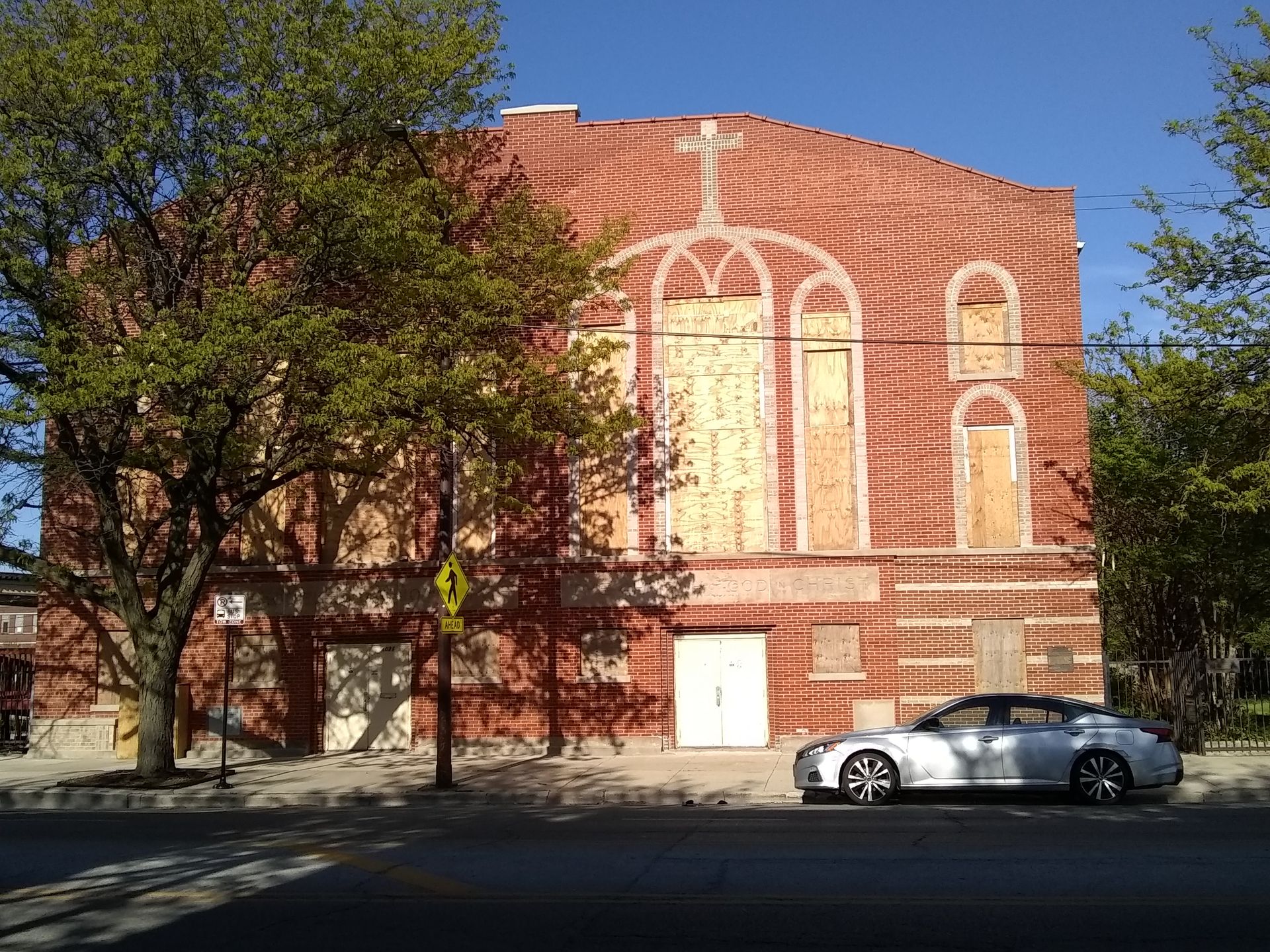
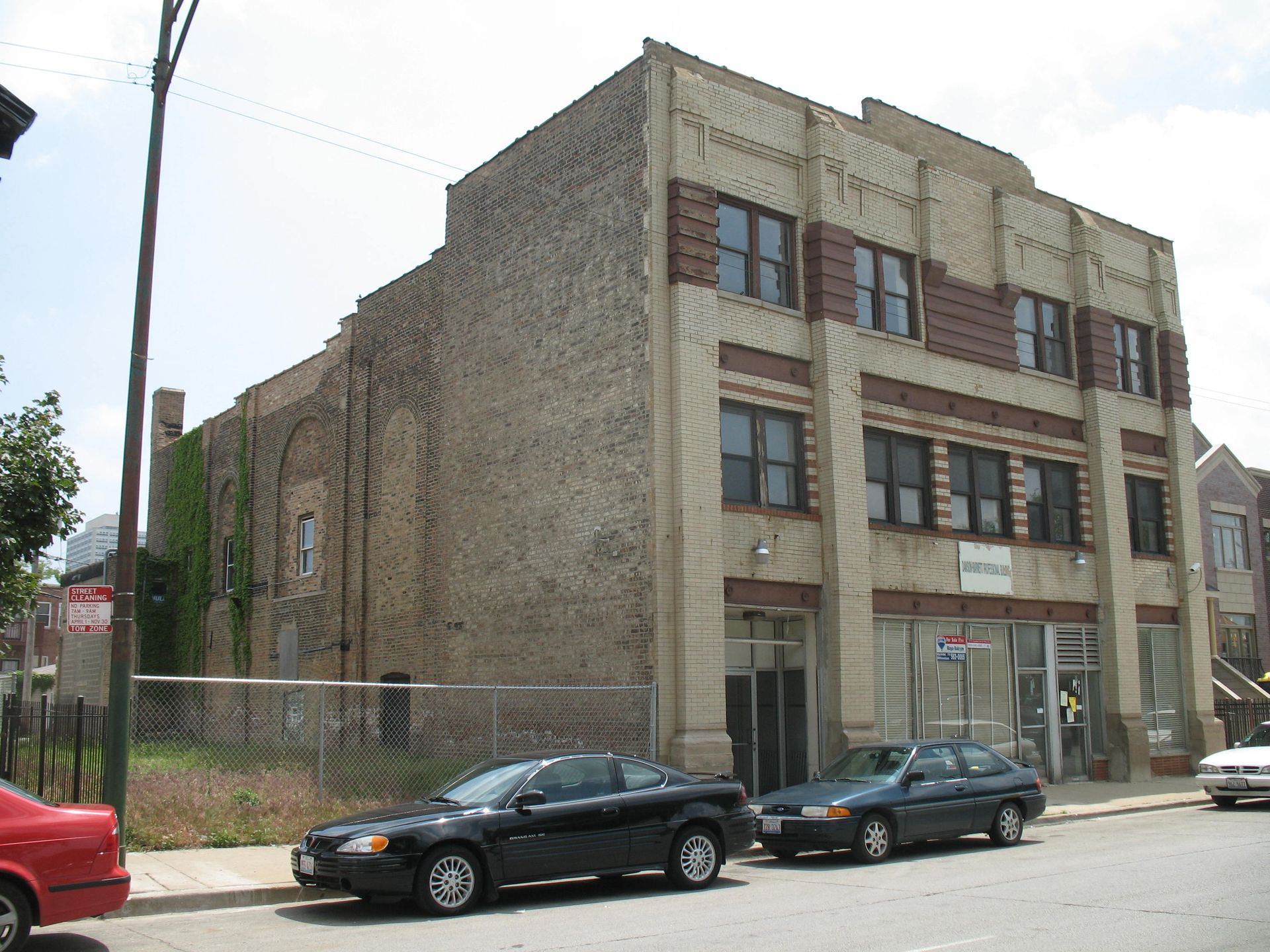
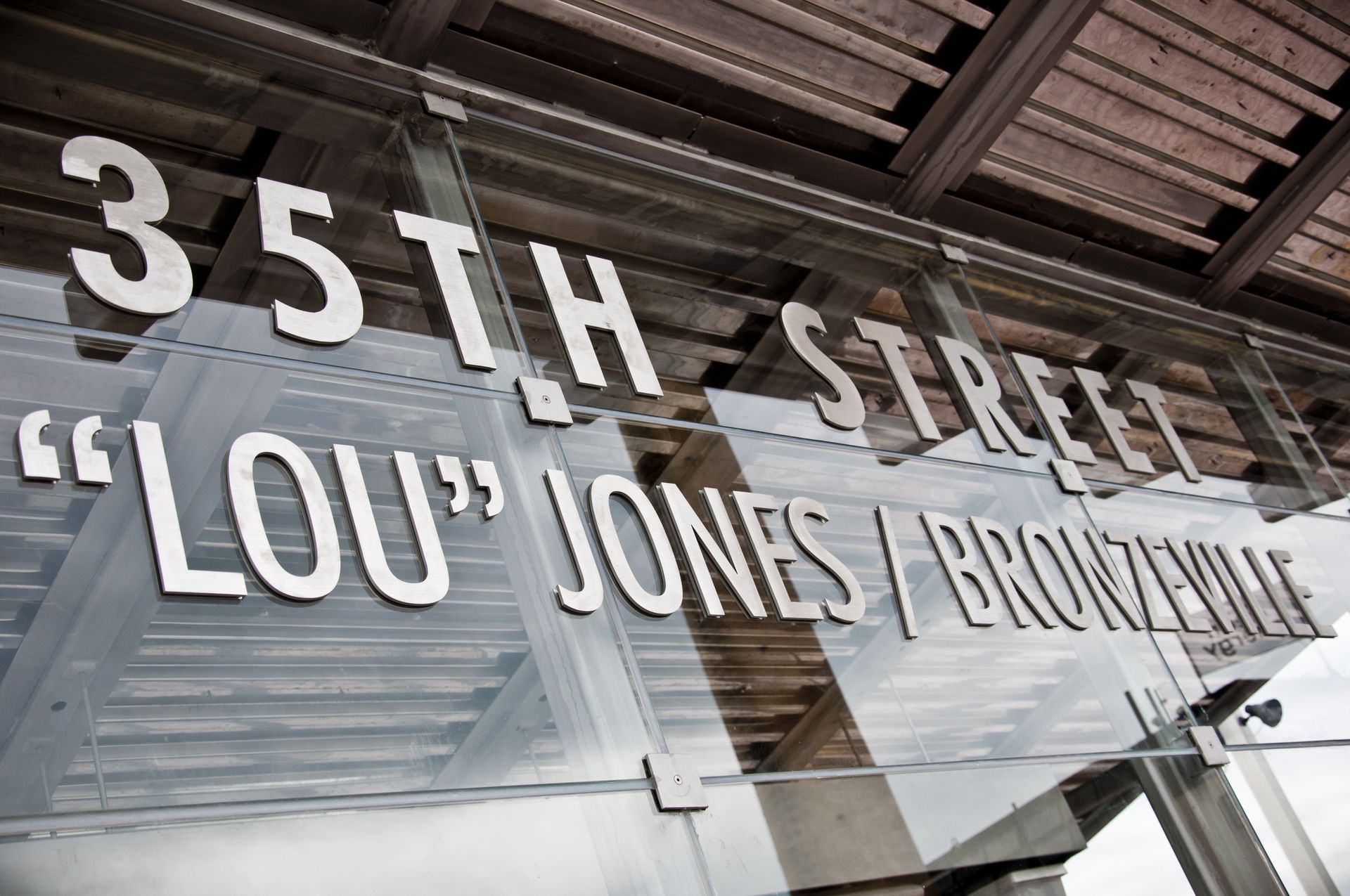
The people, places, and institutions this work documents. Photographs from the CultureTechLens research record — rights-cleared, credited, and cited like everything else here.
Trust & evidence
Evidence before authority. CultureTechLens publishes its methods, its limits, and its corrections alongside its findings. Claims carry grades — VERIFIED, SUPPORTED, PROVISIONAL, DISPUTED, UNRESOLVED — and unknowns are never reported as zero.
Every claim graded. Every source named. Every correction public — see the corrections log.