 CULTURETECHLENS
Reconstruction (1865–1877)
VERIFIED evidence grade of this record
Reconstruction, the era the intake timeline names 'The Post-Slavery South,' ran from the end of the Civil War in 1865 to the Compromise of 1877, which withdrew the last federal troops from the South. In those twelve years the United States attempted — and then abandoned — the rebuilding of the former Confederacy on terms of racial equality. The Thirteenth, Fourteenth, and Fifteenth Amendments rewrote the Constitution: abolishing slavery, establishing birthright citizenship and equal protection, and prohibiting racial discrimination in voting. Under the Reconstruction Acts of 1867, Black men voted across the South, and more than 2,000 Black officeholders served at every level of government, among them Hiram Revels and Blanche K. Bruce in the United States Senate and P. B. S. Pinchback, who became governor of Louisiana (held at CTL-E-1524). Freedpeople built schools, churches, and families' legal foundations at extraordinary speed. The counterrevolution was equally systematic — paramilitary violence, Black Codes' successors, and finally redemption governments ended the experiment, and its constitutional amendments slept for nearly a century before the movement chronicled later in this timeline woke them.
The record
- Also known as: Reconstruction Era, The Post-Slavery South
Notes
Statistics: Era: 1865–1877. Black officeholders: more than 2,000 (NMAAHC). The intake paste's stop #8 (1865) is VERIFIED as an era label. Related graph record: P. B. S. Pinchback, CTL-E-1524 — see staged edge. · Curator's Judgment: DRAFT — for founder review: Reconstruction is the timeline's first proof that America could be remade — and its first proof of how quickly a remaking can be rolled back. The graph needed the era named, because half the records around it (Pinchback's governorship, the amendments the 1960s revived) hang from this beam. · Photo slot: HELD — no rights-cleared image was verified for this record in the merge run's bounded Commons sweep (2026-10-15); slot stays HELD until a cleared image is obtained (commons upload, public-domain government portrait, or CTL original), per CTL-PHOTO-001.
Relationships
- P. B. S. Pinchback — related to
P. B. S. Pinchback's governorship of Louisiana (1872–73) was a product of the Reconstruction era this record covers; he is the era's highest-ranking Black officeholder held in the graph (NMAAHC; Britannica).
Sources
- Encyclopaedia Britannica, 'Reconstruction' — supports: the era's 1865–1877 span, the Reconstruction Acts of 1867, and its end with the Compromise of 1877
- National Museum of African American History and Culture, Smithsonian Institution, Reconstruction interpretive materials — supports: the scale of Black officeholding (more than 2,000 officeholders) and freedpeople's institution-building
- U.S. Senate, Historical Office, 'African American Senators' — supports: Revels (1870) and Bruce (1875) as the Reconstruction-era Black senators (primary source)
Record CTL-E-5410 · CultureTechLens Knowledge Graph · evidence grade: VERIFIED · 3 sources (1 primary) · 1 mapped relationship · CTL research: BCI-001, RELP-001.
Directory: all entity records · the knowledge graph
Cite this record
Chicago: CultureTechLens. “Reconstruction (1865–1877) (CTL-E-5410).” CultureTechLens Knowledge Graph. Chicago, IL: CultureTechLens, 2026. https://culturetechlens.com/graph/entities/ctl-e-5410/
APA: CultureTechLens. (2026). Reconstruction (1865–1877) (CTL-E-5410) [Entity record]. CultureTechLens Knowledge Graph. https://culturetechlens.com/graph/entities/ctl-e-5410/
MLA: CultureTechLens. “Reconstruction (1865–1877) (CTL-E-5410).” CultureTechLens Knowledge Graph, 2026, https://culturetechlens.com/graph/entities/ctl-e-5410/
Citation guidance for teachers, journalists, and funders: How to Cite Us.
From the Archive
The archive in pictures
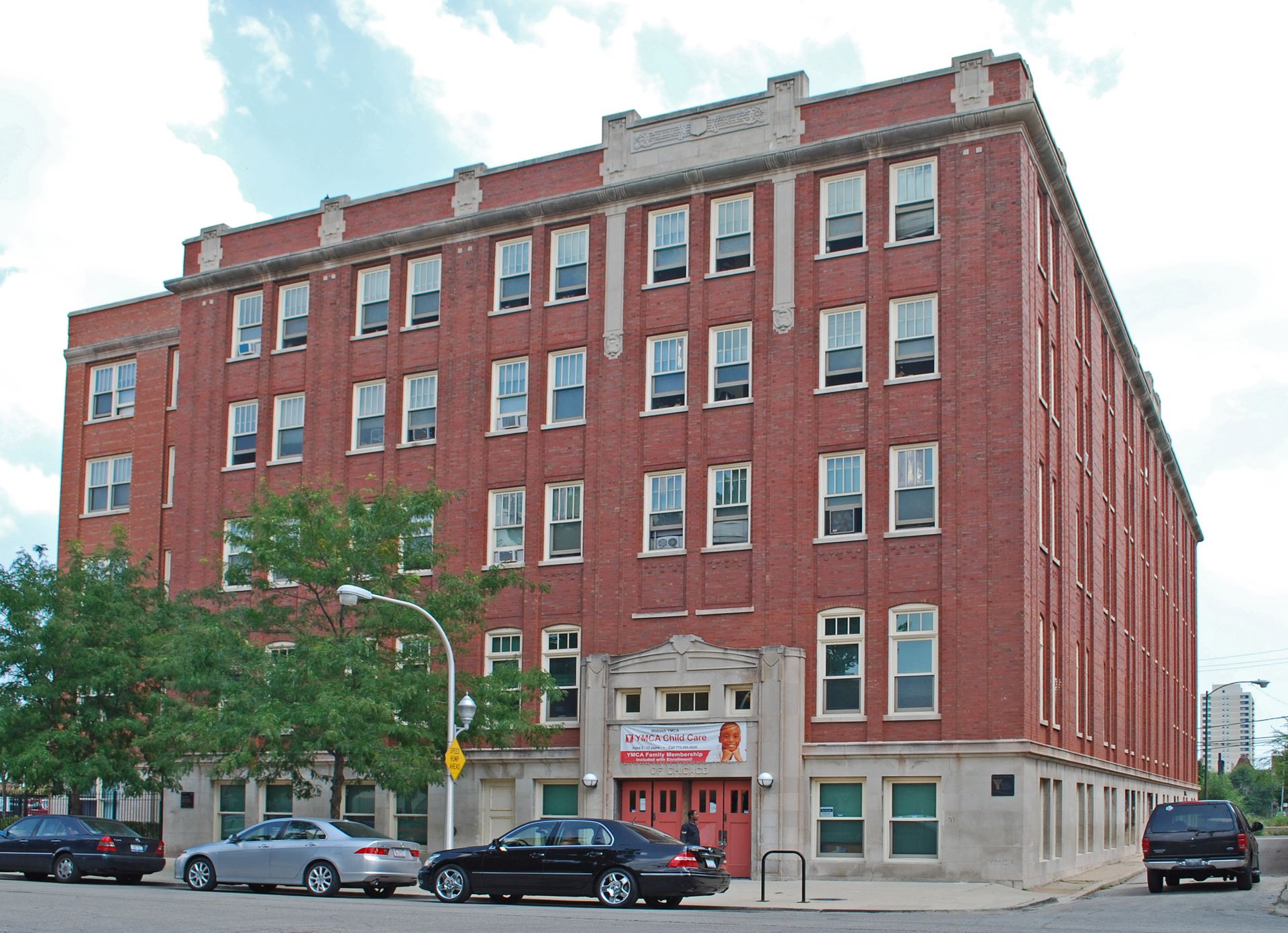
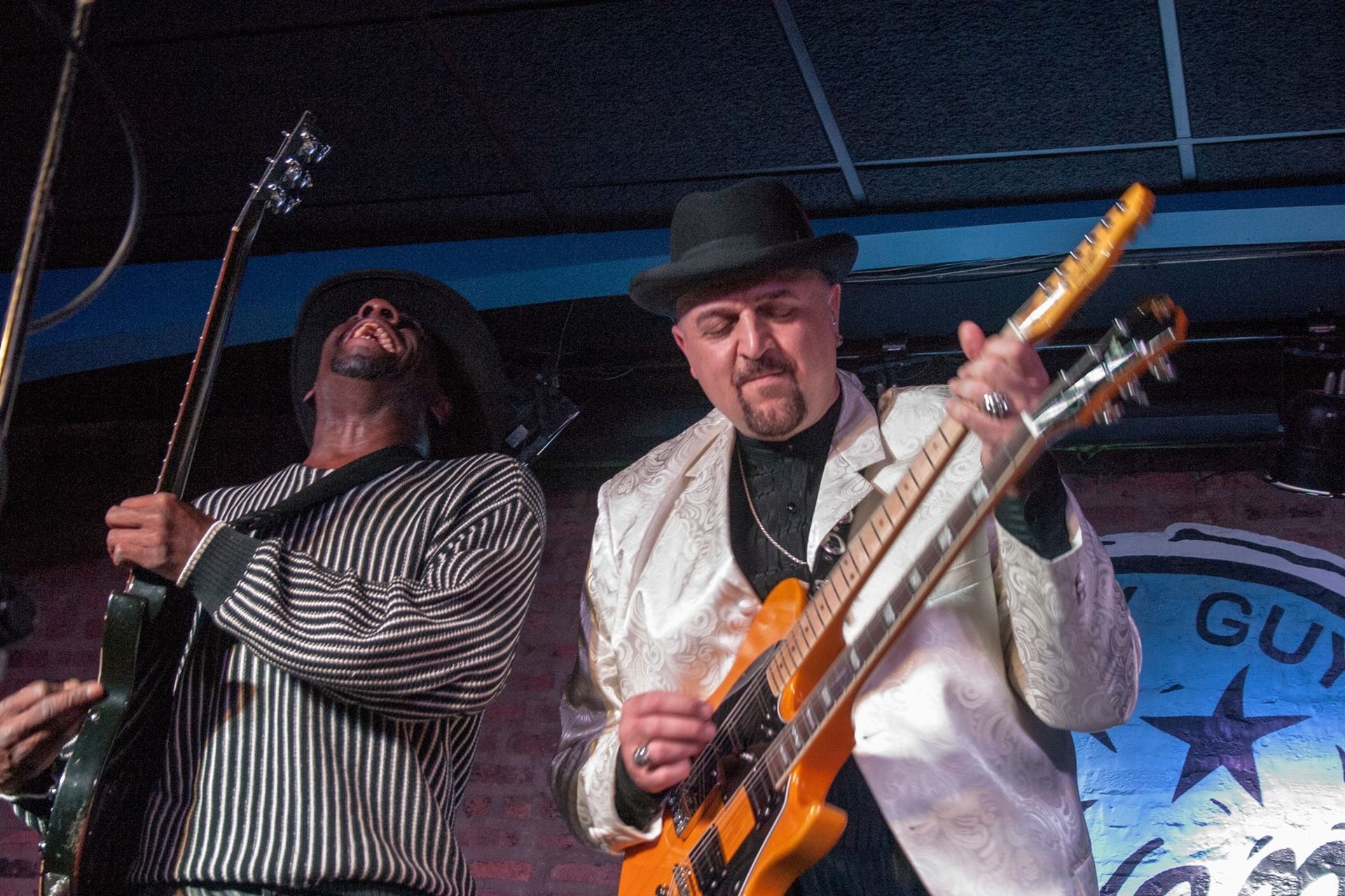
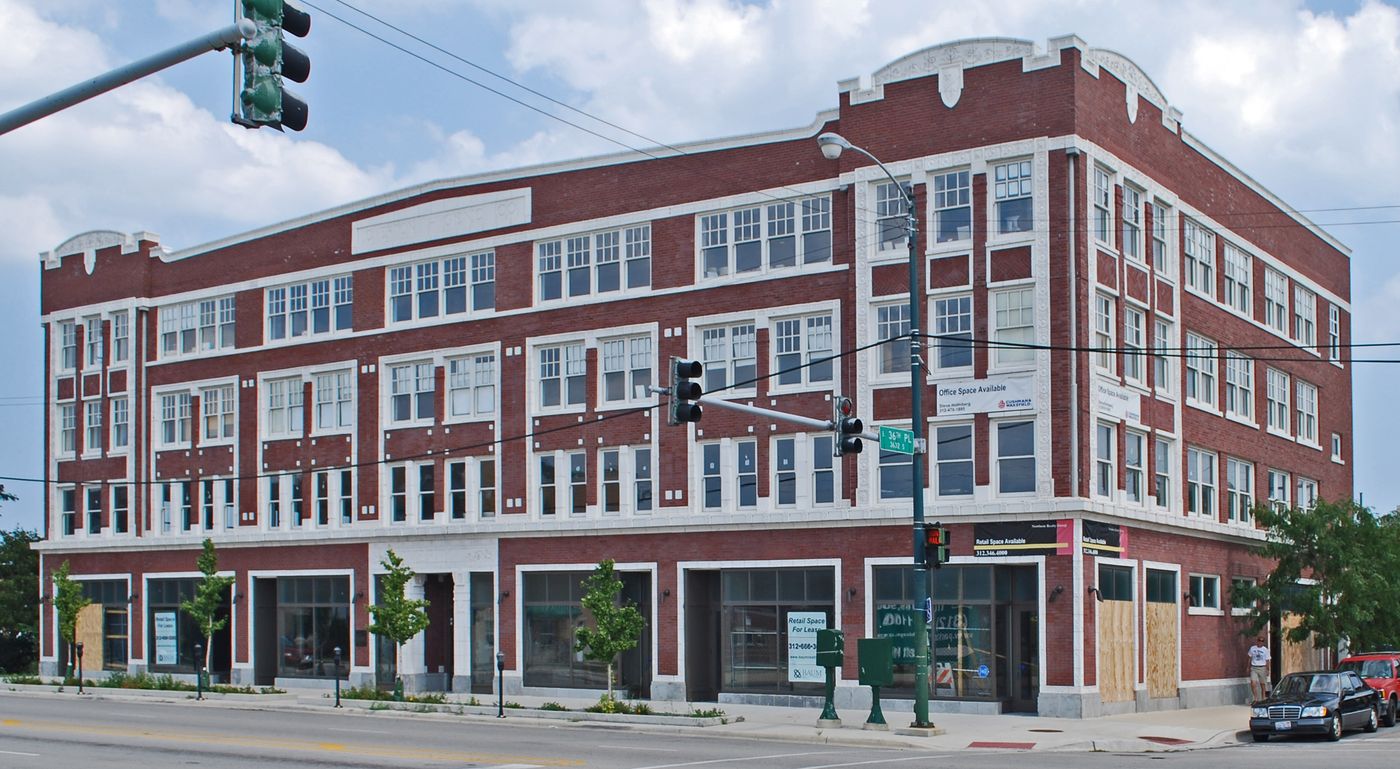
The people, places, and institutions this work documents. Photographs from the CultureTechLens research record — rights-cleared, credited, and cited like everything else here.
Trust & evidence
Evidence before authority. CultureTechLens publishes its methods, its limits, and its corrections alongside its findings. Claims carry grades — VERIFIED, SUPPORTED, PROVISIONAL, DISPUTED, UNRESOLVED — and unknowns are never reported as zero.
Every claim graded. Every source named. Every correction public — see the corrections log.