 CULTURETECHLENS
Harlem Renaissance
VERIFIED evidence grade of this record
The Harlem Renaissance was the great flowering of Black literature, music, theater, and visual art centered in Harlem, New York, during the 1920s — the era the intake timeline anchors at 1920. Fed by the Great Migration and by a generation determined to define Black identity in its own voice, the movement produced Langston Hughes (CTL-E-0338), Zora Neale Hurston, Claude McKay, Countee Cullen, and Jean Toomer in letters; Duke Ellington and the Cotton Club era in music; and a visual language carried by Aaron Douglas and Augusta Savage. Its manifesto moment came in 1925 with Alain Locke's anthology The New Negro, which framed the movement as a spiritual and cultural emancipation to match the political one still being fought. The Renaissance was never only Harlem's — its writers and musicians circulated through Chicago, Washington, and Paris — but Harlem was its capital and its symbol. The graph holds many of its people one by one; this record holds the movement itself, so the era can be cited as an era and not only as a shelf of biographies.
The record
- Also known as: The New Negro Movement
Notes
Statistics: Era label: 1920s; The New Negro published 1925. The intake paste's stop #13 ('Harlem Renaissance, 1920') is VERIFIED as an era label. Filed as a Practice (movement), following the house pattern set by the Underground Railroad record (CTL-E-5249). Staged edge: related_to Langston Hughes, CTL-E-0338. · Curator's Judgment: DRAFT — for founder review: A movement is not the sum of its members' pages. This record exists so a student can cite the weather, not just the trees — the decade when Black art stopped asking permission, named by the neighborhood that hosted it and claimed by every city it touched, Chicago included. · Photo slot: HELD — no rights-cleared image was verified for this record in the merge run's bounded Commons sweep (2026-10-15); slot stays HELD until a cleared image is obtained (commons upload, public-domain government portrait, or CTL original), per CTL-PHOTO-001.
Relationships
- Langston Hughes — related to
Langston Hughes was the Harlem Renaissance's defining poet; the movement record and the poet's record (CTL-E-0338) are linked as movement and principal figure (Britannica, 'Harlem Renaissance').
Sources
- Encyclopaedia Britannica, 'Harlem Renaissance' — supports: the movement's 1920s span, its Harlem center, and its principal literary figures
- National Museum of African American History and Culture, Smithsonian Institution, Harlem Renaissance interpretive materials — supports: the movement's scope across literature, music, and visual art and its Great Migration context
- Poetry Foundation / Academy of American Poets, Harlem Renaissance references — supports: Alain Locke's The New Negro (1925) as the movement's anthology landmark
Record CTL-E-5413 · CultureTechLens Knowledge Graph · evidence grade: VERIFIED · 3 sources · 1 mapped relationship · CTL research: BCI-001.
Directory: all entity records · the knowledge graph
Cite this record
Chicago: CultureTechLens. “Harlem Renaissance (CTL-E-5413).” CultureTechLens Knowledge Graph. Chicago, IL: CultureTechLens, 2026. https://culturetechlens.com/graph/entities/ctl-e-5413/
APA: CultureTechLens. (2026). Harlem Renaissance (CTL-E-5413) [Entity record]. CultureTechLens Knowledge Graph. https://culturetechlens.com/graph/entities/ctl-e-5413/
MLA: CultureTechLens. “Harlem Renaissance (CTL-E-5413).” CultureTechLens Knowledge Graph, 2026, https://culturetechlens.com/graph/entities/ctl-e-5413/
Citation guidance for teachers, journalists, and funders: How to Cite Us.
From the Archive
The archive in pictures
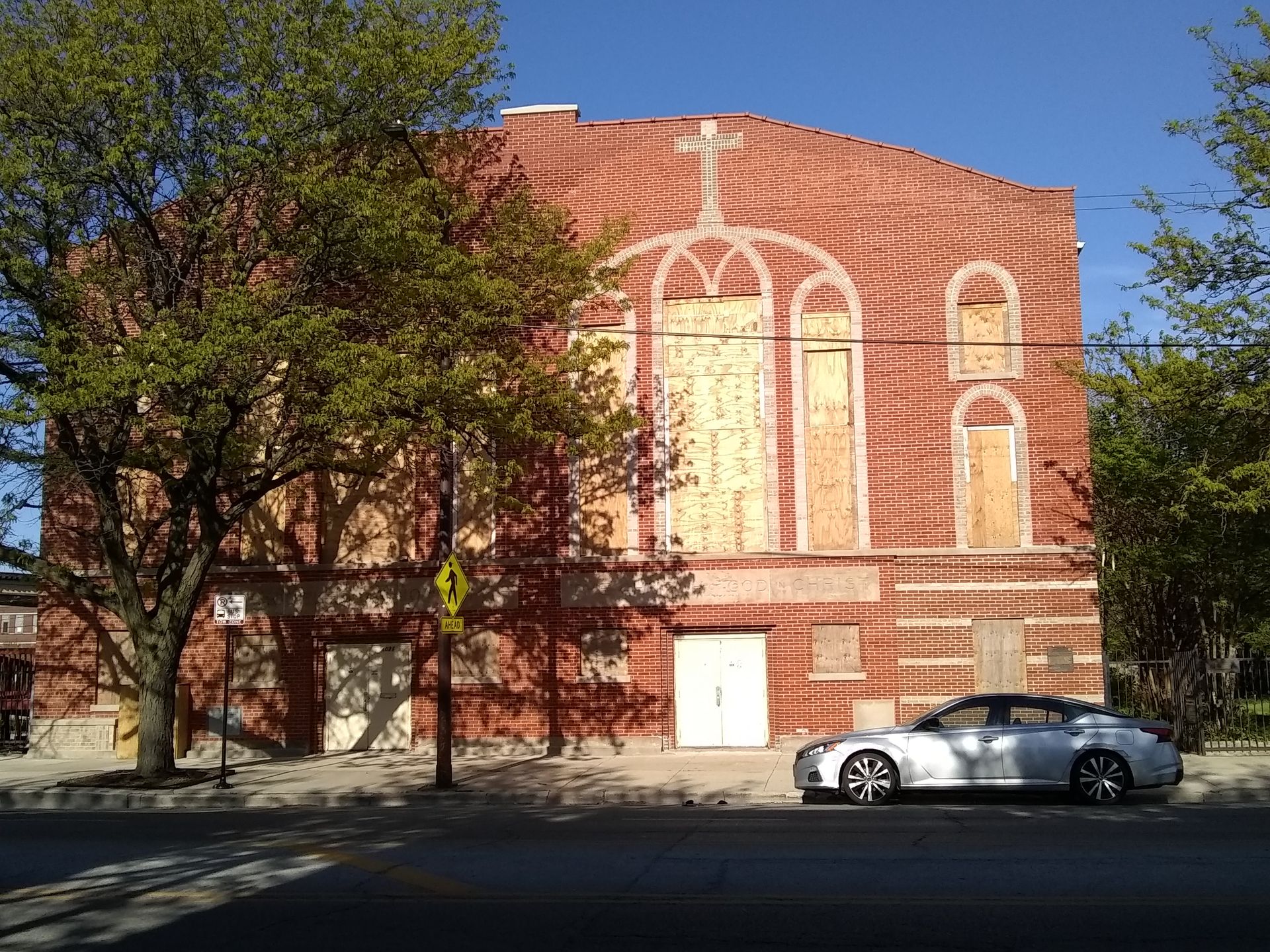
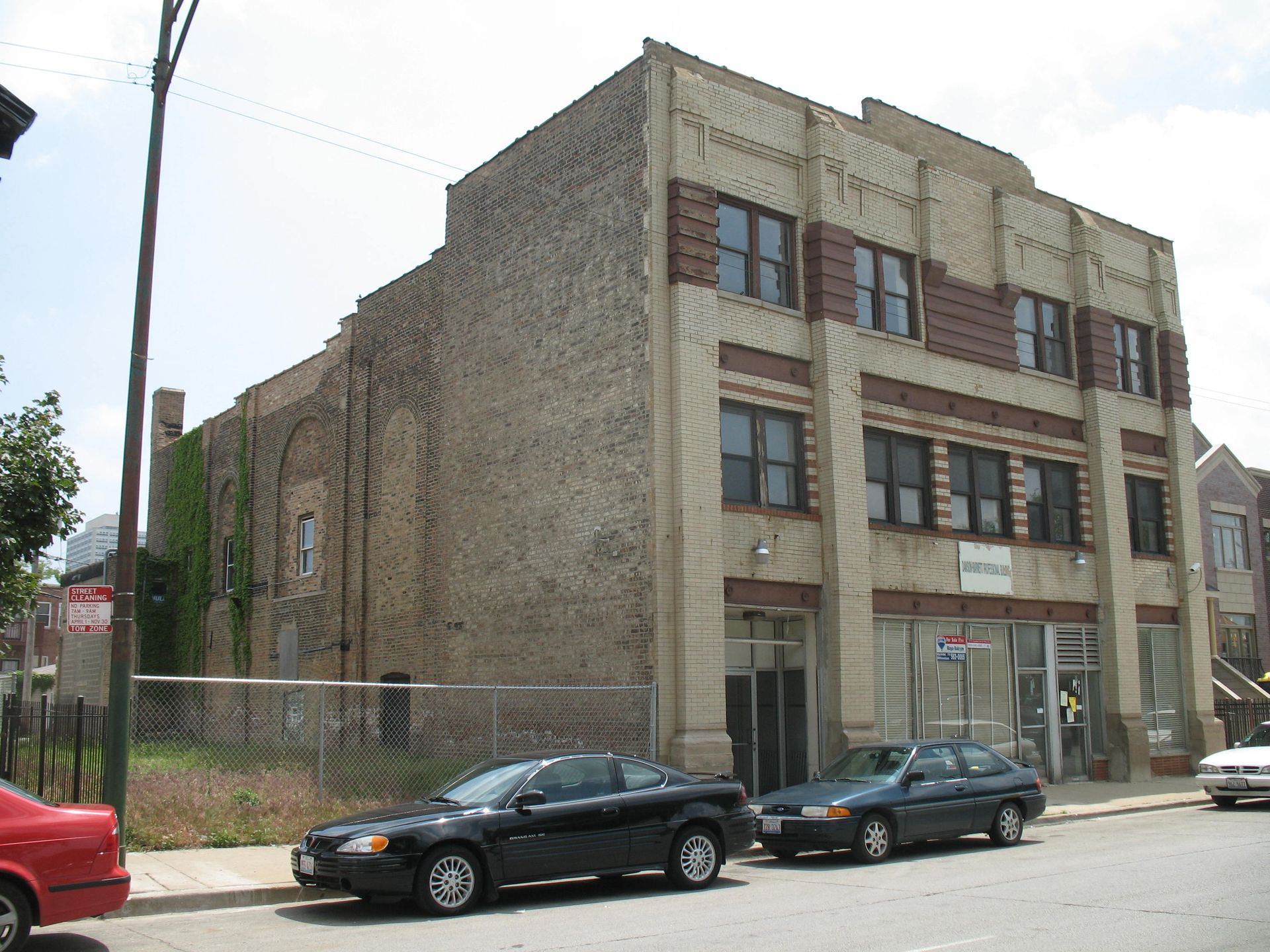
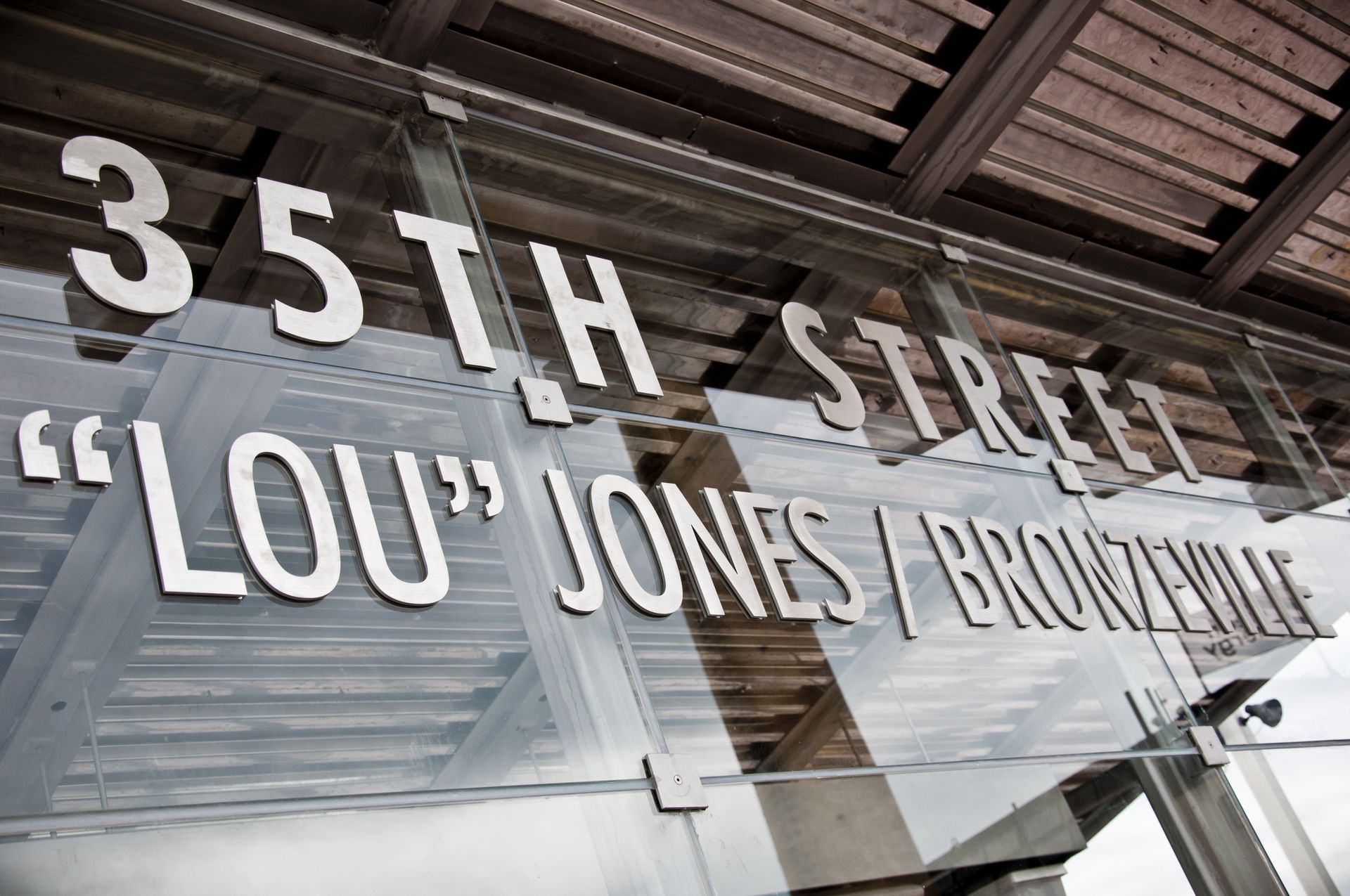
The people, places, and institutions this work documents. Photographs from the CultureTechLens research record — rights-cleared, credited, and cited like everything else here.
Trust & evidence
Evidence before authority. CultureTechLens publishes its methods, its limits, and its corrections alongside its findings. Claims carry grades — VERIFIED, SUPPORTED, PROVISIONAL, DISPUTED, UNRESOLVED — and unknowns are never reported as zero.
Every claim graded. Every source named. Every correction public — see the corrections log.