 CULTURETECHLENS
Montgomery Bus Boycott (1955–1956)
VERIFIED evidence grade of this record
On December 1, 1955, Rosa Parks — a trained NAACP organizer, held at CTL-E-5346 — was arrested in Montgomery, Alabama, for refusing to surrender her bus seat to a white passenger. Her arrest, the fourth such stand by a Black woman in Montgomery that year (Claudette Colvin, CTL-E-5387, had been arrested in March), finally met the organization prepared for it: the Women's Political Council called a one-day boycott for December 5, and Montgomery's Black community converted it into a mass movement that lasted 381 days. The boycotters, most of them working people, walked, carpooled, and organized a dispatch system that moved tens of thousands daily, while the new Montgomery Improvement Association elected as its spokesman a twenty-six-year-old pastor named Martin Luther King Jr. The city indicted the boycott's leaders and bombed King's home; the movement answered in federal court. On November 13, 1956, the Supreme Court affirmed in Browder v. Gayle that bus segregation was unconstitutional, and on December 21, 1956, the boycott ended with integrated buses. It was the movement's first great victory, and its template — mass nonviolent economic pressure, church-based organization, federal litigation — powered the decade that followed.
The record
- Also known as: Montgomery Bus Boycott
Notes
Statistics: Duration: 381 days, December 5, 1955 – December 21, 1956 (Britannica). The intake paste's stop #18 (December 1955) is VERIFIED. Staged edge: Rosa Parks (CTL-E-5346) initiated this event. The graph's Chicago boycott records (CTL-E-0255, CTL-E-4568) are different events and were labeled NEAR in the audit, not coverage. · Curator's Judgment: DRAFT — for founder review: The boycott is where the modern movement learned its grammar: a seamstress's arrest was actually an organizer's decision, and a city's walkers out-organized its government. The record credits the infrastructure — the Women's Political Council, the carpools — because movements are logistics before they are legends. · Photo slot: HELD — no rights-cleared image was verified for this record in the merge run's bounded Commons sweep (2026-10-15); slot stays HELD until a cleared image is obtained (commons upload, public-domain government portrait, or CTL original), per CTL-PHOTO-001.
Referenced by
- Rosa Parks — initiated → this record
Sources
- Encyclopaedia Britannica, 'Montgomery Bus Boycott' — supports: the December 1, 1955 arrest, the boycott's December 5 start, its 381-day duration, and its December 21, 1956 end
- Congress.gov / Congressional Record references, as carried in the graph's Rosa Parks record (CTL-E-5346) — supports: the Supreme Court's November 13, 1956 affirmation in Browder v. Gayle (primary source)
- National Park Service, Montgomery / Selma-to-Montgomery interpretive materials — supports: the Montgomery Improvement Association, King's election as spokesman, and the carpool system
Record CTL-E-5417 · CultureTechLens Knowledge Graph · evidence grade: VERIFIED · 3 sources (1 primary) · 1 mapped relationship · CTL research: BCI-001, RELP-001.
Directory: all entity records · the knowledge graph
Cite this record
Chicago: CultureTechLens. “Montgomery Bus Boycott (1955–1956) (CTL-E-5417).” CultureTechLens Knowledge Graph. Chicago, IL: CultureTechLens, 2026. https://culturetechlens.com/graph/entities/ctl-e-5417/
APA: CultureTechLens. (2026). Montgomery Bus Boycott (1955–1956) (CTL-E-5417) [Entity record]. CultureTechLens Knowledge Graph. https://culturetechlens.com/graph/entities/ctl-e-5417/
MLA: CultureTechLens. “Montgomery Bus Boycott (1955–1956) (CTL-E-5417).” CultureTechLens Knowledge Graph, 2026, https://culturetechlens.com/graph/entities/ctl-e-5417/
Citation guidance for teachers, journalists, and funders: How to Cite Us.
From the Archive
The archive in pictures
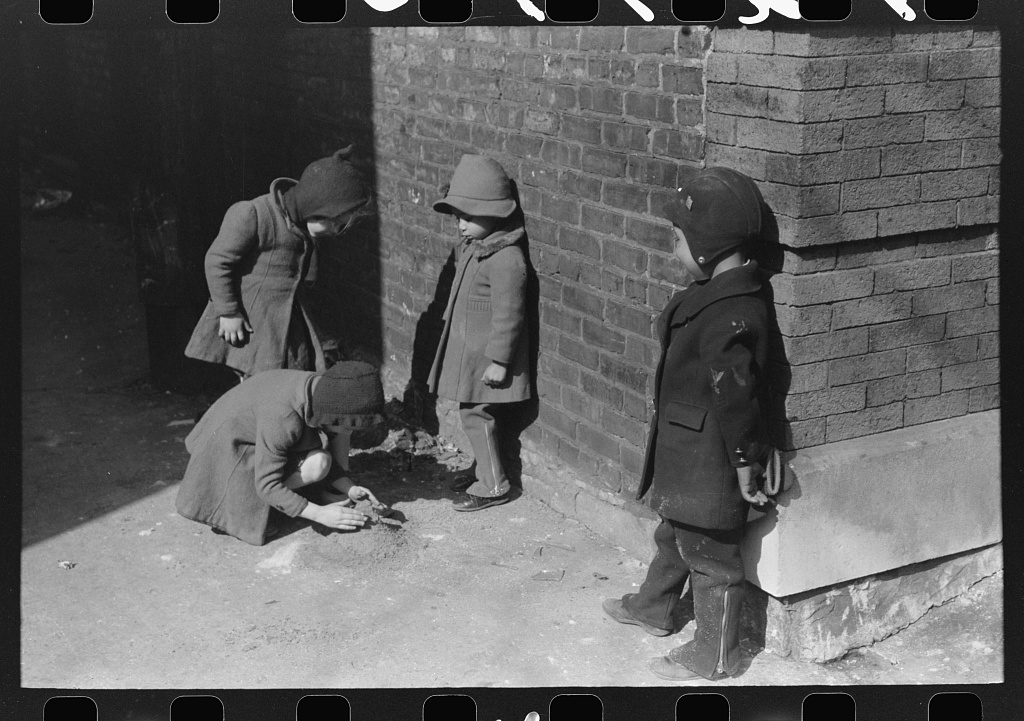
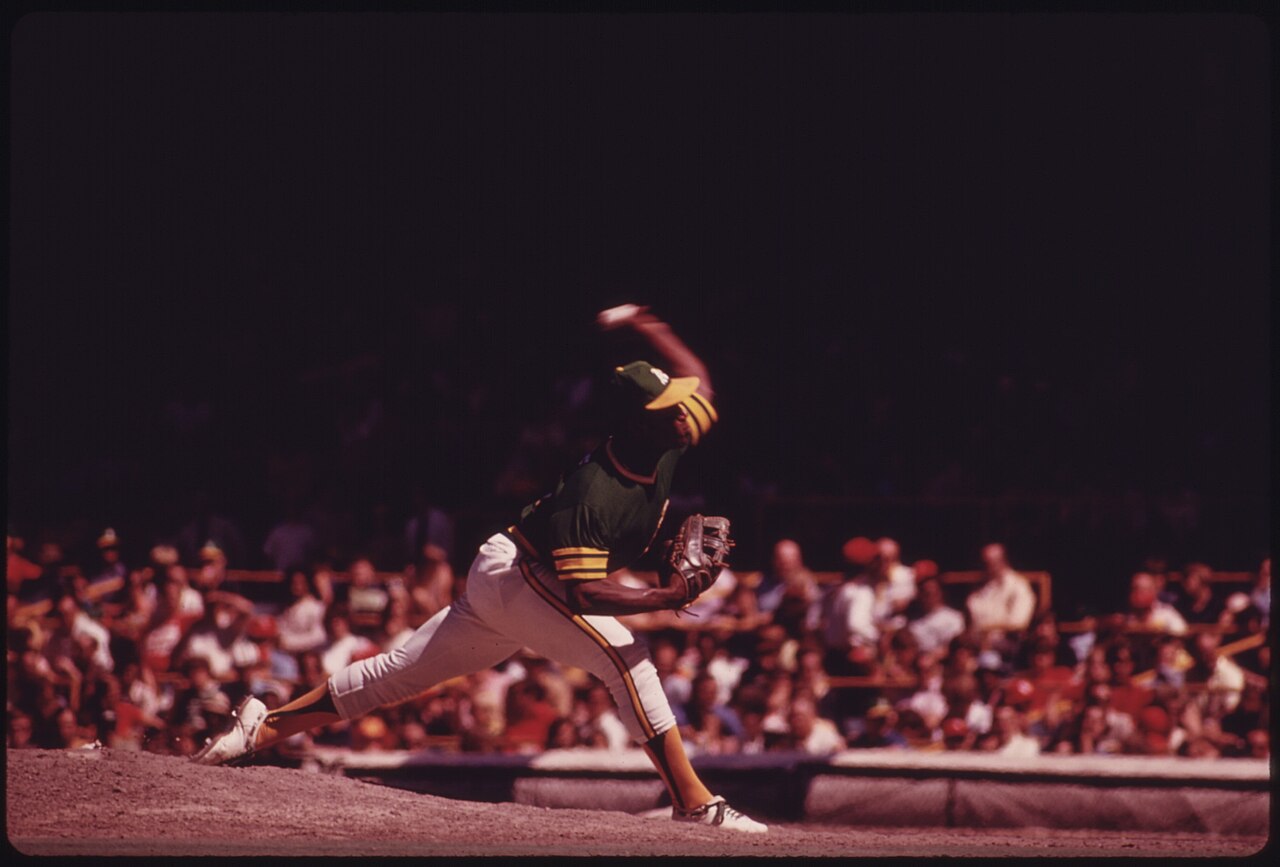
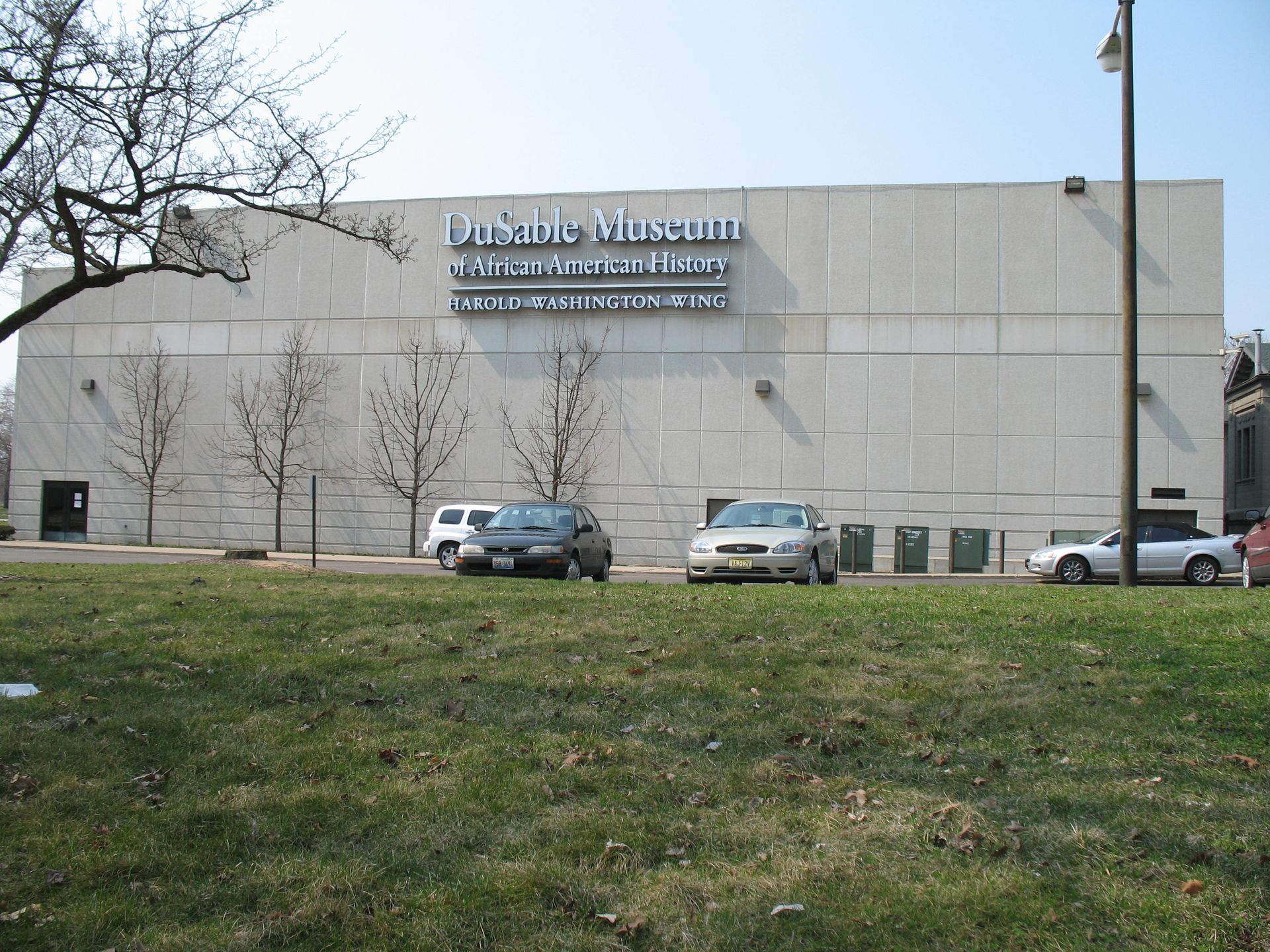
The people, places, and institutions this work documents. Photographs from the CultureTechLens research record — rights-cleared, credited, and cited like everything else here.
Trust & evidence
Evidence before authority. CultureTechLens publishes its methods, its limits, and its corrections alongside its findings. Claims carry grades — VERIFIED, SUPPORTED, PROVISIONAL, DISPUTED, UNRESOLVED — and unknowns are never reported as zero.
Every claim graded. Every source named. Every correction public — see the corrections log.